BBS The Documentary
8 videos
Updated 1 year ago
In 2005, Internet historian and archivist of the Internet Archive, Jason Scott, produced a documentary exploring the first steps into the connected world we live in today. This is the history of the Bulletin Board Systems that were all across the world, and the culture that sprang from it.
Long before the Internet escaped from the lab, connected the planet and redefined what it meant to use a computer...there was a brave and pioneering band of computer users who spent their time, money and sanity setting up their home computers and phone lines to welcome anyone who called. By using a modem, anyone else who knew the phone number of these computers could connect to them, leave messages, send and recieve files.... and millions did.
They called these places "Bulletin Board Systems", or BBSes. And their collections of messages, rants, thoughts and dreams became the way that an entire generation learned about being online.
When the Internet grew in popularity in the early 1990s, the world of the BBS faded, changed, and became a part of the present networked world.. but it wasn't the same.
In the Summer of 2001, Jason Scott, a computer historian (and proprietor of the textfiles.com history site) wondered if anyone had made a film about these BBSes. They hadn't, so he decided he would.
Four years, thousands of miles of travelling, and over 200 interviews later, "BBS: The Documentary", a mini-series of 8 episodes about the history of the BBS, is now available. Spanning 3 DVDs and totalling five and a half hours, this documentary is actually eight documentaries about different aspects of this important story in the annals of computer history.
Baud introduces the story of the beginning of the BBS, including interviews with Ward Christensen and Randy Suess, who used a snowstorm as an inspiration to change the world.
Sysops and Users introduces the stories of the people who used BBSes, and lets them tell their own stories of living in this new world.
Make it Pay covers the BBS industry that rose in the 1980's and grew to fantastic heights before disappearing almost overnight.
Fidonet covers the largest volunteer-run computer network in history, and the people who made it a joy and a political nightmare.
Artscene tells the rarely-heard history of the ANSI Art Scene that thrived in the BBS world, where art was currency and battles waged over nothing more than pure talent.
HPAC (Hacking Phreaking Anarchy Cracking) hears from some of the users of "underground" BBSes and their unique view of the world of information and computers.
Compression tells the story of the PKWARE/SEA legal battle of the late 1980s and how a fight that broke out over something as simple as data compression resulted in waylaid lives and lost opportunity.
No Carrier wishes a fond farewell to the dial-up BBS and its integration into the Internet.
Ideal as either a teaching tool or a reminder of your own memories, the BBS Documentary Collection brings back this nearly-forgotten time in a way that will tell the story... one caller at a time.
-
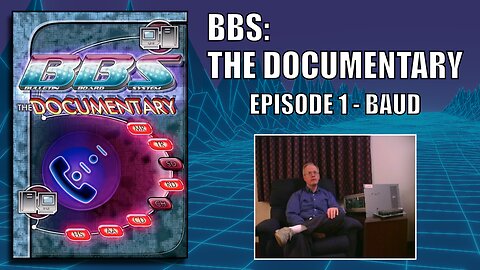
BBS The Documentary: Episode 1 - Baud
Otterman Gaming EmpireEpisode 1 of 8 of the BBS Documentary, a mini-series by Jason Scott. This episode covers the predecessors and the beginnings of the Dial-Up Bulletin Board System (BBS), with historical information as well as interviews with the pioneers and experimenters at the dawn of the home information access age. Interviews include Ward Christensen and Randy Suess, who created what is considered the first dial-up bulletin board in 1978. BBS Documentary Information: Long before the Internet escaped from the lab, connected the planet and redefined what it meant to use a computer...there was a brave and pioneering band of computer users who spent their time, money and sanity setting up their home computers and phone lines to welcome anyone who called. By using a modem, anyone else who knew the phone number of these computers could connect to them, leave messages, send and recieve files.... and millions did. They called these places "Bulletin Board Systems", or BBSes. And their collections of messages, rants, thoughts and dreams became the way that an entire generation learned about being online. When the Internet grew in popularity in the early 1990s, the world of the BBS faded, changed, and became a part of the present networked world.. but it wasn't the same. In the Summer of 2001, Jason Scott, a computer historian (and proprietor of the textfiles.com history site) wondered if anyone had made a film about these BBSes. They hadn't, so he decided he would. Four years, thousands of miles of travelling, and over 200 interviews later, "BBS: The Documentary", a mini-series of 8 episodes about the history of the BBS, is now available. Spanning 3 DVDs and totalling five and a half hours, this documentary is actually eight documentaries about different aspects of this important story in the annals of computer history. Baud introduces the story of the beginning of the BBS, including interviews with Ward Christensen and Randy Suess, who used a snowstorm as an inspiration to change the world. Sysops and Users introduces the stories of the people who used BBSes, and lets them tell their own stories of living in this new world. Make it Pay covers the BBS industry that rose in the 1980's and grew to fantastic heights before disappearing almost overnight. Fidonet covers the largest volunteer-run computer network in history, and the people who made it a joy and a political nightmare. Artscene tells the rarely-heard history of the ANSI Art Scene that thrived in the BBS world, where art was currency and battles waged over nothing more than pure talent. HPAC (Hacking Phreaking Anarchy Cracking) hears from some of the users of "underground" BBSes and their unique view of the world of information and computers. Compression tells the story of the PKWARE/SEA legal battle of the late 1980s and how a fight that broke out over something as simple as data compression resulted in waylaid lives and lost opportunity. No Carrier wishes a fond farewell to the dial-up BBS and its integration into the Internet. Ideal as either a teaching tool or a reminder of your own memories, the BBS Documentary Collection brings back this nearly-forgotten time in a way that will tell the story... one caller at a time.38 views -
BBS The Documentary : Episode 2 - Sysops and Users
Otterman Gaming EmpireEpisode 2 of 8 of the BBS Documentary, a mini-series by Jason Scott. This episode covers the two factions who brought the world of the Bulletin Board System alive: Users (that connected to these systems) and Sysops (System Operators, or ran them and kept them functioning). Voices both prominent and quiet come together in this documentary episode to talk about the issues and events that a BBS could inspire. BBS Documentary Information: Long before the Internet escaped from the lab, connected the planet and redefined what it meant to use a computer...there was a brave and pioneering band of computer users who spent their time, money and sanity setting up their home computers and phone lines to welcome anyone who called. By using a modem, anyone else who knew the phone number of these computers could connect to them, leave messages, send and recieve files.... and millions did. They called these places "Bulletin Board Systems", or BBSes. And their collections of messages, rants, thoughts and dreams became the way that an entire generation learned about being online. When the Internet grew in popularity in the early 1990s, the world of the BBS faded, changed, and became a part of the present networked world.. but it wasn't the same. In the Summer of 2001, Jason Scott, a computer historian (and proprietor of the textfiles.com history site) wondered if anyone had made a film about these BBSes. They hadn't, so he decided he would. Four years, thousands of miles of travelling, and over 200 interviews later, "BBS: The Documentary", a mini-series of 8 episodes about the history of the BBS, is now available. Spanning 3 DVDs and totalling five and a half hours, this documentary is actually eight documentaries about different aspects of this important story in the annals of computer history. Baud introduces the story of the beginning of the BBS, including interviews with Ward Christensen and Randy Suess, who used a snowstorm as an inspiration to change the world. Sysops and Users introduces the stories of the people who used BBSes, and lets them tell their own stories of living in this new world. Make it Pay covers the BBS industry that rose in the 1980's and grew to fantastic heights before disappearing almost overnight. Fidonet covers the largest volunteer-run computer network in history, and the people who made it a joy and a political nightmare. Artscene tells the rarely-heard history of the ANSI Art Scene that thrived in the BBS world, where art was currency and battles waged over nothing more than pure talent. HPAC (Hacking Phreaking Anarchy Cracking) hears from some of the users of "underground" BBSes and their unique view of the world of information and computers. Compression tells the story of the PKWARE/SEA legal battle of the late 1980s and how a fight that broke out over something as simple as data compression resulted in waylaid lives and lost opportunity. No Carrier wishes a fond farewell to the dial-up BBS and its integration into the Internet. Ideal as either a teaching tool or a reminder of your own memories, the BBS Documentary Collection brings back this nearly-forgotten time in a way that will tell the story... one caller at a time.32 views -
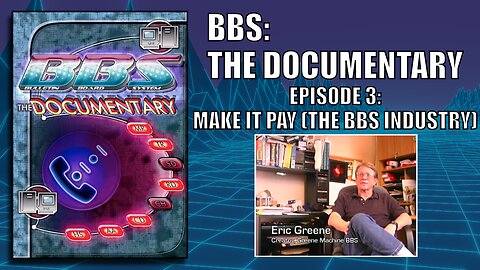
BBS The Documentary : Episode 3 - Make It Pay
Otterman Gaming EmpireEpisode 3 of 8 of the BBS Documentary, a mini-series by Jason Scott. This episode talks about the for-pay BBS industry, which started reflecting a financial cost in running a BBS from the beginning, but which grew into its own high-stakes, high-finance version of any other part of the computer world. Interviews include Jack Rickard of Boardwatch Magazine, and Phil Becker of TBBS, as well as employees of Mustang Software (TBBS) and other firms and businesses. BBS Documentary Information: Long before the Internet escaped from the lab, connected the planet and redefined what it meant to use a computer...there was a brave and pioneering band of computer users who spent their time, money and sanity setting up their home computers and phone lines to welcome anyone who called. By using a modem, anyone else who knew the phone number of these computers could connect to them, leave messages, send and receive files.... and millions did. They called these places "Bulletin Board Systems", or BBSes. And their collections of messages, rants, thoughts and dreams became the way that an entire generation learned about being online. When the Internet grew in popularity in the early 1990s, the world of the BBS faded, changed, and became a part of the present networked world.. but it wasn't the same. In the Summer of 2001, Jason Scott, a computer historian (and proprietor of the textfiles.com history site) wondered if anyone had made a film about these BBSes. They hadn't, so he decided he would. Four years, thousands of miles of traveling, and over 200 interviews later, "BBS: The Documentary", a mini-series of 8 episodes about the history of the BBS, is now available. Spanning 3 DVDs and totaling five and a half hours, this documentary is actually eight documentaries about different aspects of this important story in the annals of computer history. Baud introduces the story of the beginning of the BBS, including interviews with Ward Christensen and Randy Suess, who used a snowstorm as an inspiration to change the world. Sysops and Users introduces the stories of the people who used BBSes, and lets them tell their own stories of living in this new world. Make it Pay covers the BBS industry that rose in the 1980's and grew to fantastic heights before disappearing almost overnight. Fidonet covers the largest volunteer-run computer network in history, and the people who made it a joy and a political nightmare. Artscene tells the rarely-heard history of the ANSI Art Scene that thrived in the BBS world, where art was currency and battles waged over nothing more than pure talent. HPAC (Hacking Phreaking Anarchy Cracking) hears from some of the users of "underground" BBSes and their unique view of the world of information and computers. Compression tells the story of the PKWARE/SEA legal battle of the late 1980s and how a fight that broke out over something as simple as data compression resulted in waylaid lives and lost opportunity. No Carrier wishes a fond farewell to the dial-up BBS and its integration into the Internet. Ideal as either a teaching tool or a reminder of your own memories, the BBS Documentary Collection brings back this nearly-forgotten time in a way that will tell the story... one caller at a time.49 views -
BBS The Documentary : Episode 4 - FIDONET
Otterman Gaming EmpireEpisode 4 of 8 of the BBS Documentary, a mini-series by Jason Scott. This episode covers the FidoNET, which may have been the single-largest 100% amateur organized and run computer network of all time. Interviews with almost all the major players and founders of the FidoNET are in this episode, along with a reasonable shot at telling as much of the FidoNET's 20+ year story. Endorsed by Tom Jennings, creator of FidoNet. BBS Documentary Information: Long before the Internet escaped from the lab, connected the planet and redefined what it meant to use a computer...there was a brave and pioneering band of computer users who spent their time, money and sanity setting up their home computers and phone lines to welcome anyone who called. By using a modem, anyone else who knew the phone number of these computers could connect to them, leave messages, send and recieve files.... and millions did. They called these places "Bulletin Board Systems", or BBSes. And their collections of messages, rants, thoughts and dreams became the way that an entire generation learned about being online. When the Internet grew in popularity in the early 1990s, the world of the BBS faded, changed, and became a part of the present networked world.. but it wasn't the same. In the Summer of 2001, Jason Scott, a computer historian (and proprietor of the textfiles.com history site) wondered if anyone had made a film about these BBSes. They hadn't, so he decided he would. Four years, thousands of miles of travelling, and over 200 interviews later, "BBS: The Documentary", a mini-series of 8 episodes about the history of the BBS, is now available. Spanning 3 DVDs and totalling five and a half hours, this documentary is actually eight documentaries about different aspects of this important story in the annals of computer history. Baud introduces the story of the beginning of the BBS, including interviews with Ward Christensen and Randy Suess, who used a snowstorm as an inspiration to change the world. Sysops and Users introduces the stories of the people who used BBSes, and lets them tell their own stories of living in this new world. Make it Pay covers the BBS industry that rose in the 1980's and grew to fantastic heights before disappearing almost overnight. Fidonet covers the largest volunteer-run computer network in history, and the people who made it a joy and a political nightmare. Artscene tells the rarely-heard history of the ANSI Art Scene that thrived in the BBS world, where art was currency and battles waged over nothing more than pure talent. HPAC (Hacking Phreaking Anarchy Cracking) hears from some of the users of "underground" BBSes and their unique view of the world of information and computers. Compression tells the story of the PKWARE/SEA legal battle of the late 1980s and how a fight that broke out over something as simple as data compression resulted in waylaid lives and lost opportunity. No Carrier wishes a fond farewell to the dial-up BBS and its integration into the Internet. Ideal as either a teaching tool or a reminder of your own memories, the BBS Documentary Collection brings back this nearly-forgotten time in a way that will tell the story... one caller at a time.33 views -
BBS The Documentary : Episode 5 - ARTSCENE
Otterman Gaming EmpireEpisode 5 of 8 of the BBS Documentary, a mini-series by Jason Scott. This episode covers the ANSI Artscene, a creative and competitive explosion that produced many thousands of artwork based on a specific color pallette and a few blocky characters in the IBM Compatible character set. Along the way come literal gangs of artists, the headaches of administration, and the eternal battle of iCE vs. ACiD. Many ANSI artists provide their perspective on a very unique decade. BBS Documentary Information: Long before the Internet escaped from the lab, connected the planet and redefined what it meant to use a computer...there was a brave and pioneering band of computer users who spent their time, money and sanity setting up their home computers and phone lines to welcome anyone who called. By using a modem, anyone else who knew the phone number of these computers could connect to them, leave messages, send and recieve files.... and millions did. They called these places "Bulletin Board Systems", or BBSes. And their collections of messages, rants, thoughts and dreams became the way that an entire generation learned about being online. When the Internet grew in popularity in the early 1990s, the world of the BBS faded, changed, and became a part of the present networked world.. but it wasn't the same. In the Summer of 2001, Jason Scott, a computer historian (and proprietor of the textfiles.com history site) wondered if anyone had made a film about these BBSes. They hadn't, so he decided he would. Four years, thousands of miles of travelling, and over 200 interviews later, "BBS: The Documentary", a mini-series of 8 episodes about the history of the BBS, is now available. Spanning 3 DVDs and totalling five and a half hours, this documentary is actually eight documentaries about different aspects of this important story in the annals of computer history. Baud introduces the story of the beginning of the BBS, including interviews with Ward Christensen and Randy Suess, who used a snowstorm as an inspiration to change the world. Sysops and Users introduces the stories of the people who used BBSes, and lets them tell their own stories of living in this new world. Make it Pay covers the BBS industry that rose in the 1980's and grew to fantastic heights before disappearing almost overnight. Fidonet covers the largest volunteer-run computer network in history, and the people who made it a joy and a political nightmare. Artscene tells the rarely-heard history of the ANSI Art Scene that thrived in the BBS world, where art was currency and battles waged over nothing more than pure talent. HPAC (Hacking Phreaking Anarchy Cracking) hears from some of the users of "underground" BBSes and their unique view of the world of information and computers. Compression tells the story of the PKWARE/SEA legal battle of the late 1980s and how a fight that broke out over something as simple as data compression resulted in waylaid lives and lost opportunity. No Carrier wishes a fond farewell to the dial-up BBS and its integration into the Internet. Ideal as either a teaching tool or a reminder of your own memories, the BBS Documentary Collection brings back this nearly-forgotten time in a way that will tell the story... one caller at a time.33 views -
BBS The Documentary : Episode 6 - HPAC (Hacking Phreaking Anarchy Carding)
Otterman Gaming EmpireEpisode 6 of 8 of the BBS Documentary, a mini-series by Jason Scott. This episode provides an insight into the BBS Underground - the idea and thoughts behind hacking, as well as many of the related activities: phone exploration (phreaking), software protection removal (cracking), and the phenomenon of "Anarchy" as it applied in the BBS textfiles of the 1980s. BBS Documentary Information: Long before the Internet escaped from the lab, connected the planet and redefined what it meant to use a computer...there was a brave and pioneering band of computer users who spent their time, money and sanity setting up their home computers and phone lines to welcome anyone who called. By using a modem, anyone else who knew the phone number of these computers could connect to them, leave messages, send and recieve files.... and millions did. They called these places "Bulletin Board Systems", or BBSes. And their collections of messages, rants, thoughts and dreams became the way that an entire generation learned about being online. When the Internet grew in popularity in the early 1990s, the world of the BBS faded, changed, and became a part of the present networked world.. but it wasn't the same. In the Summer of 2001, Jason Scott, a computer historian (and proprietor of the textfiles.com history site) wondered if anyone had made a film about these BBSes. They hadn't, so he decided he would. Four years, thousands of miles of travelling, and over 200 interviews later, "BBS: The Documentary", a mini-series of 8 episodes about the history of the BBS, is now available. Spanning 3 DVDs and totalling five and a half hours, this documentary is actually eight documentaries about different aspects of this important story in the annals of computer history. Baud introduces the story of the beginning of the BBS, including interviews with Ward Christensen and Randy Suess, who used a snowstorm as an inspiration to change the world. Sysops and Users introduces the stories of the people who used BBSes, and lets them tell their own stories of living in this new world. Make it Pay covers the BBS industry that rose in the 1980's and grew to fantastic heights before disappearing almost overnight. Fidonet covers the largest volunteer-run computer network in history, and the people who made it a joy and a political nightmare. Artscene tells the rarely-heard history of the ANSI Art Scene that thrived in the BBS world, where art was currency and battles waged over nothing more than pure talent. HPAC (Hacking Phreaking Anarchy Cracking) hears from some of the users of "underground" BBSes and their unique view of the world of information and computers. Compression tells the story of the PKWARE/SEA legal battle of the late 1980s and how a fight that broke out over something as simple as data compression resulted in waylaid lives and lost opportunity. No Carrier wishes a fond farewell to the dial-up BBS and its integration into the Internet. Ideal as either a teaching tool or a reminder of your own memories, the BBS Documentary Collection brings back this nearly-forgotten time in a way that will tell the story... one caller at a time.60 views 1 comment -
BBS The Documentary: Episode 7 - NO CARRIER (The End of the BBS)
Otterman Gaming EmpireEpisode 7 of 8 of the BBS Documentary, a mini-series by Jason Scott. This episode covers the "end" of the BBS era, when internet connectivity began to overrun the phone lines and single-user dial-up BBSes couldn't (or wouldn't) keep up with the times... except the ones who did. BBS Documentary Information: Long before the Internet escaped from the lab, connected the planet and redefined what it meant to use a computer...there was a brave and pioneering band of computer users who spent their time, money and sanity setting up their home computers and phone lines to welcome anyone who called. By using a modem, anyone else who knew the phone number of these computers could connect to them, leave messages, send and recieve files.... and millions did. They called these places "Bulletin Board Systems", or BBSes. And their collections of messages, rants, thoughts and dreams became the way that an entire generation learned about being online. When the Internet grew in popularity in the early 1990s, the world of the BBS faded, changed, and became a part of the present networked world.. but it wasn't the same. In the Summer of 2001, Jason Scott, a computer historian (and proprietor of the textfiles.com history site) wondered if anyone had made a film about these BBSes. They hadn't, so he decided he would. Four years, thousands of miles of travelling, and over 200 interviews later, "BBS: The Documentary", a mini-series of 8 episodes about the history of the BBS, is now available. Spanning 3 DVDs and totalling five and a half hours, this documentary is actually eight documentaries about different aspects of this important story in the annals of computer history. Baud introduces the story of the beginning of the BBS, including interviews with Ward Christensen and Randy Suess, who used a snowstorm as an inspiration to change the world. Sysops and Users introduces the stories of the people who used BBSes, and lets them tell their own stories of living in this new world. Make it Pay covers the BBS industry that rose in the 1980's and grew to fantastic heights before disappearing almost overnight. Fidonet covers the largest volunteer-run computer network in history, and the people who made it a joy and a political nightmare. Artscene tells the rarely-heard history of the ANSI Art Scene that thrived in the BBS world, where art was currency and battles waged over nothing more than pure talent. HPAC (Hacking Phreaking Anarchy Cracking) hears from some of the users of "underground" BBSes and their unique view of the world of information and computers. Compression tells the story of the PKWARE/SEA legal battle of the late 1980s and how a fight that broke out over something as simple as data compression resulted in waylaid lives and lost opportunity. No Carrier wishes a fond farewell to the dial-up BBS and its integration into the Internet. Ideal as either a teaching tool or a reminder of your own memories, the BBS Documentary Collection brings back this nearly-forgotten time in a way that will tell the story... one caller at a time.43 views -
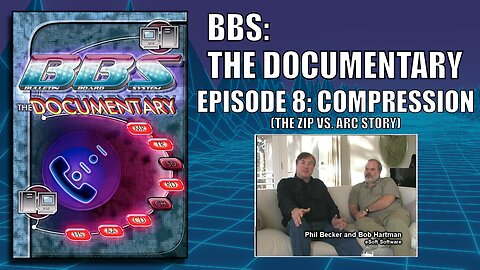
BBS The Documentary: Episode 8 - COMPRESSION (The ZIP vs. ARC Story)
Otterman Gaming EmpireEpisode 8 of 8 of the BBS Documentary, a mini-series by Jason Scott. As a coda to the series, this short film tells the backstory behind the ARC vs. ZIP battle of the 1980s, where two family businesses used the entire BBS subculture as a warzone over the battle for a compression algorithm, resulting in a clear winner, or perhaps no winner at all. BBS Documentary Information: Long before the Internet escaped from the lab, connected the planet and redefined what it meant to use a computer...there was a brave and pioneering band of computer users who spent their time, money and sanity setting up their home computers and phone lines to welcome anyone who called. By using a modem, anyone else who knew the phone number of these computers could connect to them, leave messages, send and recieve files.... and millions did. They called these places "Bulletin Board Systems", or BBSes. And their collections of messages, rants, thoughts and dreams became the way that an entire generation learned about being online. When the Internet grew in popularity in the early 1990s, the world of the BBS faded, changed, and became a part of the present networked world.. but it wasn't the same. In the Summer of 2001, Jason Scott, a computer historian (and proprietor of the textfiles.com history site) wondered if anyone had made a film about these BBSes. They hadn't, so he decided he would. Four years, thousands of miles of travelling, and over 200 interviews later, "BBS: The Documentary", a mini-series of 8 episodes about the history of the BBS, is now available. Spanning 3 DVDs and totalling five and a half hours, this documentary is actually eight documentaries about different aspects of this important story in the annals of computer history. Baud introduces the story of the beginning of the BBS, including interviews with Ward Christensen and Randy Suess, who used a snowstorm as an inspiration to change the world. Sysops and Users introduces the stories of the people who used BBSes, and lets them tell their own stories of living in this new world. Make it Pay covers the BBS industry that rose in the 1980's and grew to fantastic heights before disappearing almost overnight. Fidonet covers the largest volunteer-run computer network in history, and the people who made it a joy and a political nightmare. Artscene tells the rarely-heard history of the ANSI Art Scene that thrived in the BBS world, where art was currency and battles waged over nothing more than pure talent. HPAC (Hacking Phreaking Anarchy Cracking) hears from some of the users of "underground" BBSes and their unique view of the world of information and computers. Compression tells the story of the PKWARE/SEA legal battle of the late 1980s and how a fight that broke out over something as simple as data compression resulted in waylaid lives and lost opportunity. No Carrier wishes a fond farewell to the dial-up BBS and its integration into the Internet. Ideal as either a teaching tool or a reminder of your own memories, the BBS Documentary Collection brings back this nearly-forgotten time in a way that will tell the story... one caller at a time.48 views