-
Decorator crabs are more complex than we realized
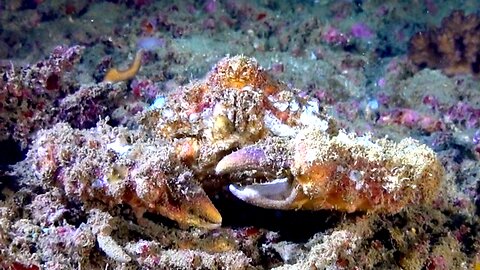
WildCreaturesDecorator crabs are known for their ability to attach algae and small animals to their shells to conceal themselves from predators, but the process is more complex than it appears, and it suggests higher intelligence than we once understood these crabs to have. If the shells of these crabs are cleaned, they will immediately set about replacing their camouflage with the same care and precision as they showed in their first concealment. There are several species of crabs that use plants, animals, and debris from their environment to adorn their shells. Some chew the algae and then carefully hook the pieces onto velcro-like hooks on their shell. They occasionally use anemones or other sedentary animals. They attach the matter to their shells with great precision and care, suggesting that they are purposefully imitating the surfaces around them. When moved from one environment to another, these crabs will quickly replace their adornments with items from the new location, seemingly understanding the need to blend in with specific surroundings. Their disguise is not random or haphazard. Decorator crabs will make use of toxic plants or animals as further deterrence for potential predators. Described by scientists as "perhaps unrivalled" mastery of concealment, these are highly specialized behaviours. Understanding the purpose of their covering, these crabs remain still during the day and they freeze in place when threatened. Some species use only sponges, others use only noxious alga. One species selects stinging anemone for it's protective covering. The anemone benefits from an increased supply of food that is available as it moves around with the crab. Octopus have shown a tendency to avoid these crabs when they are adorned with anemone. The intelligence and purpose of the smallest and seemingly less significant animals is becoming more understood. Perhaps, as we gain greater insight we will also gain greater appreciation and desire to protect them. The balance of nature is a delicate one and humans frequently disrupt this balance in their ignorance of what goes on around them.1.51K views 1 comment -
Venomous lion fish continuously tries to eat photographers subjects
WildCreaturesLion fish are an invasive species in Caribbean waters, having been introduced by accident to a world where they have no predators. They destroy reefs by devouring huge quantities of small reef fish, upsetting the delicate balance that keeps everything in check. But here, in the waters around Fiji, lion fish like this one are part of that balance. This lion fish can be seen extending its highly venomous spines to coral small fish in its attempt to inhale them. It is following this scuba diver as she makes her best effort to photograph some of the small fish on a night dive. The lion fish is a crafty fellow and he knows that he can use the diver to help with the attempt to back the small fish into a corner. He is also hoping that the lights give him an advantage as they make it difficult for the prey to see him closing in. The scuba diver must be careful to avoid the sharp points on the fins. Each one can deliver enough venom to cause intense pain, swelling, and possible respiratory difficulty. In most cases, the sting is not life threatening, but in rare cases, it can require immediate medical treatment to avoid dangerous complications. Lion fish are beautifully ornate when their fins are extended. Their markings are striking, with contrasting orange, white and black stripes. In the Caribbean, the fish are a menace and scuba divers are encouraged to kill them whenever possible. The meat of the lion fish is delicious and flaky, making them a very appealing source of food. Harvesting lion fish in many places is necessary for the survival of the reef.4.34K views 4 comments