-
⭐ PART 14 — When Assisted Living Became a Nursing Home
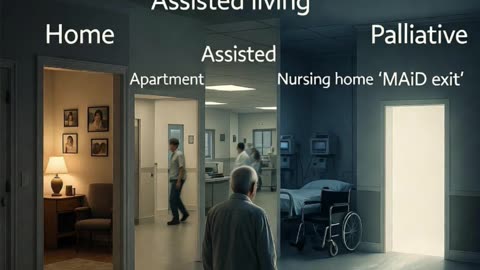
Canadian Citizens Journal⭐ PART 14 — When Assisted Living Became a Nursing Home How a Quiet Shift in Care Levels Manufactured Decline and Fast-Tracked MAiD By Canadian Citizens Journal ⸻ ⭐ The Collapse No One Talks About Assisted living was once meant to be a gentle middle step — a bridge between independence and long-term care. It offered: • light assistance • social connection • safety • meals • freedom • dignity Today, that middle step has been erased. Assisted living has quietly transformed into Nursing Home Lite — absorbing residents who need far more care than the system is willing to acknowledge. This shift is hidden, undocumented, and almost entirely unknown to the public. Yet it is one of the most significant structural failures driving the suffering in long-term care. ⸻ ⭐ NEW SECTION ⭐ The Real Pipeline: How Seniors Are Quietly Moved From Home to MAiD Most people assume long-term care begins the moment a senior moves into a facility. The truth is far more concerning. The pipeline begins in the home. ⭐ Stage 1 — Home → Homecare Homecare is the system’s first point of entry. It begins after: • a fall • a hospital discharge • early cognitive issues • mobility decline • family concern Once homecare is assigned, the government has a foot in the door. Assessments begin. Scores are created. Files are opened. This is the point where the system begins determining whether a senior will be allowed to stay home. ⭐ Stage 2 — Homecare → Social Worker Control When funding is needed, a social worker becomes involved. What families don’t know: Funding = loss of autonomy. Social workers can document: • “unsafe to remain home” • “requires more supervision” • “increased risk” This documentation can force placement into independent living, even if the senior does not want to leave home. ⭐ Stage 3 — Independent Living The senior now loses privacy, freedom, and routine. And as soon as they need help with: • toileting • dressing • meals • mobility they are declared: “No longer appropriate for independent living.” And moved to assisted living. ⭐ Stage 4 — Assisted Living This is where decline accelerates. Instead of receiving light assistance, residents are placed into: • understaffed environments • chaotic routines • sleep disruption • minimal activity • frequent wake-ups • behavioural outbursts around them • emotional abandonment Assisted living becomes an unregulated nursing home, placing seniors in danger. ⭐ Stage 5 — Nursing Home By the time a resident finally gets a nursing home bed: • sleep has been disrupted for months or years • cognition has declined • mobility is reduced • malnutrition or dehydration may have begun • depression is present • they are dependent This decline is not “natural.” It was manufactured long before placement. ⭐ Stage 6 — Palliative Once decline reaches a tipping point, the system labels the resident: palliative. This can come from: • weight loss • repeated infections • inability to function • confusion • “failure to thrive” But these conditions were created upstream by system failures. ⭐ Stage 7 — MAiD Now the resident meets MAiD criteria because the system: • removed autonomy • disrupted sleep • worsened cognition • caused depression • accelerated decline • produced suffering This is the real MAiD pipeline. Home → Homecare → Independent → Assisted → Nursing → Palliative → MAiD A quiet transfer of control, stage by stage, until the final option becomes death.46 views -
⭐ PART 13 — The Volunteer Lifeline How Unpaid People Quietly Held Up a Collapsing System
Canadian Citizens Journal⭐ PART 13 — The Volunteer Lifeline How Unpaid People Quietly Held Up a Collapsing System By Canadian Citizens Journal ⸻ ⭐ The System Pretends Volunteers Are “Extras” — In Reality, They Were Holding It Together On paper, long-term care facilities describe volunteers as: • “companions” • “activity helpers” • “social supports” The brochures make it sound like volunteers are there to add joy and colour to an already strong system. In reality, volunteers were quietly filling the gaps of a system that was already collapsing. They were not an add-on. They were a lifeline. And when that lifeline was removed, residents paid the price. ⸻ ⭐ Who Were the Volunteers? Across long-term care and assisted-living homes, volunteers included: • family members who stayed to help with meals, toileting, or calming distressed loved ones • students in PSW, nursing, or social work programs doing unpaid placements • community members who wanted to help seniors, often out of compassion or faith • retired people simply wanting to visit those who were lonely They did not come to replace staff. They came to help. But the system quietly began to depend on them. ⸻ ⭐ What Volunteers Actually Did Behind the glossy language, volunteers were often: • helping residents eat when staff were too overloaded • sitting with residents who were confused or frightened • escorting residents to activities or bathrooms • keeping residents from wandering or falling • providing emotional support and conversation • helping with small tasks that staff no longer had time for In many homes, volunteers were the only reason: • some residents finished their meals • some residents got regular social contact • some residents felt seen as human beings They filled in all the spaces where the system had quietly disappeared. ⸻ ⭐ Volunteer Dependence Is a Symptom of System Collapse When a long-term care home cannot function safely without unpaid labour, that is not “community involvement.” That is structural failure. It means: • staffing levels are inadequate • workloads are already beyond safe limits • the model depends on people who are not on the schedule and can leave at any time • basic care is no longer guaranteed by paid staff Volunteers were never meant to hold essential pieces of resident safety. Yet they did. ⸻ ⭐ When Volunteers Disappeared, the Truth Emerged During restrictions and lockdowns, many homes banned or severely restricted volunteers and family visitors. On paper, this was “for safety.” In practice, it exposed something else: • residents who relied on family help at meals stopped eating properly • residents who depended on volunteer company became more withdrawn, depressed, or confused • staff, already short, now had to cover everything — tasks they had never had time for in the first place • mealtimes became rushed, chaotic, and unsafe • residents who were once calm with familiar faces became agitated, fearful, or aggressive The absence of volunteers showed how fragile the system truly was. What looked like “care” had been a patchwork of overworked staff + unpaid helpers. Remove the unpaid helpers, and the structure caved in. ⸻ ⭐ Volunteers Saw What Was Really Happening — But Had No Power Volunteers were witnesses to: • residents left waiting too long • rushed or missed care • unsafe transfers • staff crying from exhaustion • residents losing weight • food being refused • confused residents wandering or calling out for help But they had: • no union • no whistleblower protections • no real complaint process • no power over staffing or funding If they spoke up, they were often: • ignored • brushed off with “we’re doing our best” • quietly discouraged or frozen out The people who saw the collapse most clearly were the people with the least ability to intervene. ⸻ ⭐ The Emotional Cost to Volunteers Many volunteers and family helpers left facilities feeling: • guilty • helpless • worried • traumatized by what they saw Some knew, deep down: “If I don’t come in, my loved one won’t eat properly.” “If I’m not there, they will be alone and confused.” The system placed a silent burden on their shoulders: Be here, or they will suffer. That is not “volunteering.” That is emotional blackmail created by underfunding and understaffing. ⸻ ⭐ How Volunteer Loss Feeds the MAiD Pipeline When volunteers disappear or burn out, residents lose: • social contact • encouragement to eat and drink • someone to advocate when things look wrong • spiritual and emotional support • reminders that they are loved and worth fighting for What follows? • more loneliness • more depression • more weight loss • more “failure to thrive” labels • more palliative classifications • more conversations about MAiD Not because the resident’s illness suddenly changed — but because the support system around them collapsed. The absence of volunteers doesn’t just create sadness. It creates eligibility. ⸻ ⭐ Volunteers Mask the True Cost of Care As long as unpaid people: • sit with residents • help feed them • keep them safe in hallways • cover “little things” every day governments and corporations can claim: “We are meeting standards.” “We are fully staffed.” “Residents are getting the care they need.” But those claims are only true because volunteers are quietly doing work the system refuses to pay for. This allows: • budgets to stay low • profits to stay high • politicians to claim everything is fine All while residents and workers carry the consequences. ⸻ ⭐ Without Volunteers, the Collapse Would Be Impossible to Deny If every volunteer and family helper stopped tomorrow, the truth would be undeniable: • residents would sit alone • more meals would go unfinished • more falls and injuries would occur • staff would hit breaking point even faster • the system would visibly fail in front of the public In other words: Volunteers are the invisible scaffolding holding up a building that should have been rebuilt years ago. ⸻ ⭐ This Is Not an Attack on Volunteers — It Is a Defense of Them Volunteers are not the problem. They are some of the only people in the system acting out of: • love • compassion • genuine concern The problem is a long-term care system that: • depends on unpaid labour to cover essential care • hides behind their presence to claim everything is fine • offers no protection when they speak up • abandons residents when those volunteers can no longer carry the load ⸻ ⭐ What Canadians Need to Understand When you hear: “We are grateful for our volunteers,” translate it to: “We cannot function safely without unpaid people doing work the system refuses to fund.” Volunteers were never supposed to be the backbone of long-term care. But in Canada, they became exactly that. And when that backbone cracks, residents slide faster toward: • decline • palliative labels • and, ultimately, MAiD. ⸻ If you’d like, next we can do the Emotional Suffering chapter as Part 14, or we can go back and weave a short volunteer paragraph into earlier parts as a cross-reference.116 views -
⭐ PART 12 — The Manufactured Suffering
Canadian Citizens Journal⭐ PART 12 — The Manufactured Suffering How Emotional Pain, Isolation, and Loss of Autonomy Become MAiD Eligibility By Canadian Citizens Journal ⸻ ⭐ Suffering Was Never Supposed to Be a Medical Decision Suffering is emotional. Suffering is human. Suffering is meant to be treated — not measured, not categorized, and certainly not used as a gateway to assisted death. Yet inside long-term care, emotional suffering has quietly become data. It is documented. It is assessed. It is written into care plans. And now, under Canada’s expanding MAiD framework, it can qualify a resident for medically assisted death. Not because the illness is terminal. Not because the decline is irreversible. But because the resident has been worn down emotionally by a system that was supposed to protect them. This chapter exposes how that suffering is created. ⸻ ⭐ SECTION 1 — The Loss of Autonomy Begins the Moment Financial Choice Disappears When seniors cannot afford private care, they lose the right to choose: • where they live • who cares for them • what food they eat • how warm their room is • how often they receive help • how they spend their final years The government steps in and says: “We will decide.” This is not support. This is quiet control. For many seniors, admission into a government-funded facility is not a choice — it is a forced dependency. And once financial control shifts, medical control soon follows. ⸻ ⭐ SECTION 2 — Seniors Without a Power of Attorney Are the Most Vulnerable For residents with no POA, the government has the legal authority to declare them incapable. Once that happens: • the state becomes the substitute decision-maker • transfers can occur without family • care levels change without consent • palliative pathways can begin quietly • MAiD assessments can be initiated Families often learn what happened after decisions are already made. A resident without an advocate is not protected — they are exposed. In a collapsing system, lacking a POA is not a minor paperwork gap. It is a danger zone. ⸻ ⭐ SECTION 3 — Emotional Suffering Is Not a Diagnosis — It Is a System Failure Inside LTC, emotional suffering is produced by: • isolation • loneliness • lack of stimulation • lack of volunteers • caregivers rushing from room to room • residents waiting long periods for help • missing family visits • loss of independence • witnessing the decline and death of neighbours • fear after repeated falls • untreated depression • sudden confusion after medications or injections • sleeping in cold rooms • being fed unappealing or unsafe food These conditions break people down. This suffering is then documented as: • “existential distress” • “ongoing psychological suffering” • “perceived loss of dignity” • “failure to thrive” In the MAiD framework, these phrases can be interpreted as criteria. But the suffering was not medical — it was created. ⸻ ⭐ SECTION 4 — Manufactured Hopelessness Hopelessness does not appear out of nowhere. It is built slowly, layer by layer. It forms when residents see: • staff overwhelmed • bells unanswered • neighbours dying • rapid declines after injections • palliative labels given without warning • transfers to nursing homes followed by death • routines collapsing • personal belongings removed • shrinking autonomy • shrinking horizons They begin to think: “I don’t want to be a burden.” “There’s no point anymore.” “I don’t want to suffer like the others.” This is not informed choice. This is conditioned despair. A system causing the suffering cannot ethically offer MAiD as the solution to that suffering. ⸻ ⭐ SECTION 5 — The System Uses Emotional Suffering as a Shortcut When staff chart suffering, the system converts it into: • palliative justification • MAiD eligibility • reduced interventions • reduced treatment plans • “comfort care” instead of medical care The worse the emotional state, the more likely the resident becomes categorized as “appropriate for MAiD discussion.” This is a psychological funnel. The resident’s emotional breakdown becomes an administrative pathway. ⸻ ⭐ SECTION 6 — Forced Dependency Creates State-Controlled End-of-Life When the government: • chooses the home • funds the care • controls the policies • determines capacity • approves the care level • oversees the palliative definition • signs off on MAiD assessments …the resident is no longer a free individual. They are a managed life under state authority. And in a collapsing system, that authority is used to clear beds, reduce costs, and streamline end-of-life processes — without ever admitting it. ⸻ ⭐ SECTION 7 — How Emotional Suffering Intersects With MAiD Law Under Canada’s updated MAiD framework, a resident may qualify if they experience: • “persistent psychological suffering” • “loss of dignity” • “intolerable distress” • “no reasonable alternative” But in LTC, these conditions are manufactured by: • understaffing • unsafe environments • poor nutrition • freezing rooms • isolation • neglect • preventable decline The system creates the suffering. Then uses that suffering as evidence. Then uses that evidence to approve MAiD. This is not compassion. This is a pipeline. ⸻ ⭐ SECTION 8 — The Silent Question Inside LTC The question whispered by residents, staff, and families is always the same: “Why does it feel like they want them to give up?” The suffering is not random. It is structural. It is predictable. And it is being used. ⸻ ⭐ This Is the Heart of the MAiD Pipeline Long-term care is not simply a place where people age. It is a system that creates: • decline • despair • loss of autonomy • emotional collapse And then calls that collapse a “medical condition.” This is the emotional engine behind Canada’s MAiD expansion. This is the suffering they refuse to acknowledge. This is what Canadians were never meant to see. Part 12 exposes the truth: The suffering is not the reason for MAiD. The suffering is the system’s product.72 views -
⭐ PART 11 — What Frontline Workers Saw The Testimony They Tried to Silence After 2021
Canadian Citizens Journal⭐ PART 11 — What Frontline Workers Saw The Testimony They Tried to Silence After 2021 By Canadian Citizens Journal ⸻ ⭐ The Stories You Are About to Read Were Never Collected by Government They were not gathered by researchers. They were not welcomed by management. They were not included in any “post-pandemic review.” They come from frontline staff — the people who held this collapsing system together with their bodies, their backs, and their hearts. These stories were whispered quietly, shared in break rooms, written in notebooks, or spoken only to the few coworkers they trusted. No names. No identifiers. Only events, patterns, and truth. This is the chapter they never wanted written. ⸻ ⭐ SECTION 1 — The Resident Decline Nobody Could Explain After the mRNA rollout, frontline workers described a shift so sudden and so widespread that it could not be dismissed as coincidence. 🔻 Severe Infections That Had Never Been Seen Before Residents developed: • thick white sediment in urine • dark or unusual colours • overwhelming odours • recurring infections • severe pain requiring hospital trips Workers said openly: “This never existed before 2021.” 🔻 Unexplained Bleeding Sudden cases of: • rectal bleeding • vaginal bleeding • blood in urine No investigation. No follow-up. No explanation. 🔻 Heart Failure That Accelerated Residents who had been stable for months suddenly: • swelled rapidly • lost stamina • struggled to breathe • deteriorated within days Some never recovered. 🔻 Mobility Collapse Across Entire Floors Residents who had been walking independently suddenly: • lost balance • fell repeatedly • became too weak to pivot or stand • collapsed mid-transfer • required two-person care they never needed before One resident repeatedly became unresponsive while using her walker — like mini-stroke episodes. 🔻 Rapid Cognitive and Behavioural Decline Workers described: • dementia worsening unusually fast • residents becoming foggy, disoriented, frightened • sudden personality changes • blank, vacant expressions One worker said: “I could see the life fading from their eyes.” 🔻 Sudden Deaths in Clusters Staff witnessed: • multiple residents dying within weeks • residents dying shortly after hospital transfer • a man vomiting “coffee-ground” blood the same day he received his injection • a woman falling, becoming confused, and passing not long after Workers described it clearly: “It was one after another.” Rooms emptied. Then filled again. Then emptied again. Shot clinics came. Decline followed. ⸻ ⭐ SECTION 2 — Nurses Who Noticed but Could Not Speak Many nurses privately admitted they saw the same patterns — but they were terrified to say it publicly. A hospital nurse told a worker: “I don’t know why they won’t acknowledge it.” A nurse running bloodwork said she had to “look away” during injections because she couldn’t bear the patterns she was seeing afterward. A nurse who accidentally entered a “COVID overflow ward” the government claimed was full… found it nearly empty. She left healthcare completely and took a job in banking. An ER doctor confided: their own child — also a doctor — lost their job for speaking up. These were not conspiracy theorists. These were medical professionals trapped inside a wall of silence. ⸻ ⭐ SECTION 3 — Residents Who Declined Right in Front of Staff 🔻 The Woman Found Wedged Between the Toilet and the Wall Her position made no physical sense. Her decline escalated rapidly following the injections. 🔻 The Resident Who Used to Shine She was lively, affectionate, full of spark. After injections, she faded: • weak • disoriented • emotionally flat Staff could see her slipping away. 🔻 The Man Who Vomited Blood After His Injection Timeline: • Received injection during breakfast • Between 5 PM and 7 PM he began vomiting coffee-ground material • He was not transferred immediately • Sent to hospital the next evening at approximately 7 PM • Died shortly after No investigation was ever conducted. 🔻 Falls That Surged Out of Nowhere Residents who had never fallen suddenly collapsed repeatedly. Some displayed stroke-like symptoms. One resident said she was scared moments before her rapid decline. These were not isolated medical events. They were a repeating sequence. ⸻ ⭐ SECTION 4 — Silencing Staff Through Pressure and Retaliation 🔻 Management’s Answer to Every Concern When workers asked why injections continued, management always responded: “I don’t know.” Three managers came and went during this period. None provided answers. Between the second and third, there was no manager at all for a period of time. A nurse temporarily filling the role gave the same response. 🔻 Monitoring Staff Social Media A general manager described a worker’s political and medical posts as “disgusting,” sending a clear message: You are being watched. Not supported. 🔻 Attendance Punishments Used as Retaliation Staff were targeted with attendance programs even when EI later confirmed the accusations were false. Workers feared losing: • their jobs • their certifications • their stability Truth had to stay underground. ⸻ ⭐ SECTION 5 — Workload Explosion After 2021 Residents suddenly required: • heavier lifts • two-person transfers • repeated toileting • constant fall monitoring • increased chronic care This was not natural aging. It was a system reacting to a sudden increase in medical needs. 🔻 Palliative Classifications Rose Rapidly Residents who were stable just weeks earlier suddenly: • weakened • lost mobility • stopped eating • became confused They were labeled palliative — and died shortly after. 🔻 Staff Breaking Under the Weight Workers said: “We were always short. It was constant stress.” This wasn’t short staffing. It was structural collapse. ⸻ ⭐ SECTION 6 — Patterns Across Long-Term Care After 2021 Across Canada, workers reported: • neurological episodes • unresponsiveness • heart complications • severe infections • gastrointestinal bleeding • rapid cognitive decline • multiple deaths in tight clusters These patterns were nationwide — not isolated. ⸻ ⭐ NEW SECTION — Hidden Work Injuries: The Sara Steady Truth The Sara Steady sit-to-stand lift was designed for two staff. But chronic understaffing forced workers to use it alone. Residents often: • lost strength mid-transfer • collapsed while standing • fell into the PSW using the lift alone These were unavoidable panic-reflex moments. Workers suffered: • pulled backs • shoulder injuries • strained knees • chronic pain Complaints were constant. Management knew. Nothing changed. ⸻ ⭐ NEW SECTION — Workers Forced Back While Sick or Injured Staff were pressured to work: • while vomiting • with fevers • with injuries • during outbreaks • even though residents were immunocompromised This spread infections between residents. Those outbreaks were recorded as “respiratory illnesses” — then blamed on residents, not staffing policies. This was not individual failure. It was systemic abuse of workers and residents. ⸻ ⭐ The System Will Pretend This Testimony Does Not Exist But it does. It lives in: • every worker who held a dying resident’s hand • every PSW who cried driving home • every nurse who noticed patterns they were forbidden to mention • every staff member who whispered: “Why are they declining so fast?” This chapter is their voice. They were never allowed to speak. Now they will be heard.93 views -
⭐ PART 10 — The Corporate Incentive Why Long-Term Care Operators Profit From Decline, Not Recovery
Canadian Citizens Journal⭐ PART 10 — The Corporate Incentive Why Long-Term Care Operators Profit From Decline, Not Recovery By Canadian Citizens Journal ⸻ ⭐ Behind Every Crisis in Long-Term Care, There Is a Business Model Long-term care homes in Canada are often described as “healthcare institutions.” But in reality, many are corporate businesses — private, profit-driven, and operating under tight budgets paired with government contracts. This matters because when a business model depends on: • occupancy • cost control • staffing budgets • profit margins • government reimbursements …then resident decline isn’t just a tragedy — it becomes a financial advantage. Not through malice. Through math. ⸻ ⭐ Residents Who Live Longer Cost More The economics of corporate LTC are simple: Residents who live longer require: • more care • more staff hours • more medical supplies • more medication • more meals • more support • more supervision Every additional month of life increases corporate cost. But residents who decline faster: • require fewer total months of care • reduce long-term staffing needs • decrease supply usage • shorten waitlists • free up beds for new placements • reduce long-term liability This isn’t a conspiracy — it’s the logic of a system where care is funded per diem but profits depend on cost minimization. ⸻ ⭐ When Costs Rise Faster Than Funding, Corporations Cut Corners Across Canada, LTC operators repeatedly face: • stagnant reimbursements • inflation • rising wages • supply chain costs • building maintenance • regulatory requirements • increased medical complexity Their profit margins shrink unless they: • reduce staffing • reduce training • reduce meal quality • reduce facility upgrades • reduce equipment spending • reduce maintenance • reduce support programs Every cost cut increases the risk of decline. Every decline increases “complexity.” Every “complexity” justifies increased funding. And every death opens a bed for a new resident. This is the quiet cycle at the heart of LTC economics. ⸻ ⭐ Death Clears a Bed — and a Bed Is Revenue For LTC corporations, beds = income. A filled bed brings in: • government funding • resident payments • additional care fees • extra charges (laundry, supplies, etc.) An empty bed produces zero revenue. This is why homes constantly push: • rapid admissions • faster turnover • shorter vacancies • “efficient room management” But when residents: • decline quickly • move into palliative status • die sooner …a bed becomes available faster. With long waitlists across Canada, that bed is filled almost immediately — meaning consistent revenue with lower total care costs. ⸻ ⭐ Why Corporations Benefit When Residents Become Palliative Palliative residents require: • fewer interventions • fewer medical assessments • fewer medications • less rehabilitation • fewer mobility needs • fewer activities • less documentation • less supervision Palliative care is low-cost care. Once a resident becomes palliative, the home: • slows active care • reduces staff contact • removes rehabilitation goals • stops certain treatments • focuses on comfort measures The corporate cost goes down. The per-diem funding stays the same. Palliative status is financially beneficial — even when the resident is only palliative because of preventable decline. ⸻ ⭐ Why MAiD Creates a Quiet Financial Incentive MAiD outcomes benefit corporate LTC financially in multiple ways: ✔ Fewer high-needs residents MAiD recipients are often those requiring the most care: • complex medical support • mobility assistance • staff hours • nutritional oversight • frequent monitoring Removing the highest-cost residents lowers overall expenses. ✔ Faster turnover After MAiD, the bed becomes available in days — not weeks or months. That means: • immediate re-occupancy • uninterrupted revenue flow • minimal downtime • no long palliative period • no unpredictable crisis care ✔ Lower liability High-needs residents create: • fall risks • injury risks • medication complexity When those residents exit the system quickly, corporate liability decreases. ✔ Predictable scheduling A scheduled MAiD date allows facilities to prepare: • staffing changes • admissions timing • resource allocation Corporate systems love predictability — even when the underlying cause is tragic. ⸻ ⭐ Why Corporations Avoid Fixing Root Problems Fixing LTC would require: • more staff • more training • more equipment • better food • better wages • better facilities • more oversight All of which cost money corporations do not want to spend. It is cheaper to: • let decline happen • mark residents palliative • reduce care • manage symptoms • accept rapid decline as natural • and quietly transfer the burden to MAiD pathways The system saves money by allowing residents to deteriorate. ⸻ ⭐ Inspections Protect Corporations — Not Residents As seen in Part 6, staged inspections: • hide deficiencies • protect budgets • prevent fines • maintain public trust • reassure investors • keep governments unchallenged If inspections exposed the truth: • LTC profits would collapse • government contracts would be at risk • public outrage would explode • palliative misuse would be questioned • MAiD pipelines would be scrutinized The entire structure depends on maintaining the illusion of care while maximizing profit. ⸻ ⭐ The Corporate MO: Appear Caring, Operate Like a Business Corporations use branding to appear compassionate: • soft colors • smiling seniors • marketing videos • brochures with flowers • “living well” slogans • newsletters about community events But behind the scenes: • staffing is cut • meals are cheap • heating is timed • facilities deteriorate • care is rushed • workers are burned out • residents decline • palliative labels rise • MAiD becomes an option The public sees the brochure. Workers see the truth. ⸻ ⭐ Who Really Pays the Price? Not the executives. Not the corporations. Not the ministries. Not the inspectors. The price is paid by: • seniors living in cold rooms • residents eating unsafe food • frightened dementia patients • the blind woman who wrote a thank-you note • people who fell because staff were overextended • residents whose call bells didn’t work during floods • families who trusted the system • workers who broke their bodies trying to keep up • people whose suffering was preventable The corporate incentive does not reward life. It rewards shorter stays, lower costs, and rapid turnover. When combined with MAiD expansion, the incentive becomes unmistakable. ⸻ ⭐ The Collision of Profit and Policy When MAiD expansion, palliative misuse, LTC collapse, and corporate cost-saving converge, the result is predictable: A system where suffering accelerates, decline is normalized, and death becomes a medically and financially “efficient” solution. This is not compassion. This is structural cruelty. And it has been hidden in plain sight.45 views -
⭐ PART 9 — The MAiD Explosion How Eligibility Turned Into a Nationwide Surge
Canadian Citizens Journal⭐ PART 9 — The MAiD Explosion How Eligibility Turned Into a Nationwide Surge By Canadian Citizens Journal ⸻ ⭐ MAiD Was Introduced as a Rare, Last-Resort Option When MAiD was first legalized in 2016, Canadians were told it would remain: • rare • tightly regulated • restricted to extreme circumstances • used only when suffering was truly unbearable • a compassionate option, not a default • never something vulnerable people would be pressured into The promise was clear: MAiD would never become normalized. Eight years later, it has become one of the fastest-expanding medical practices in Canadian history. What began as an exception has become an expectation. ⸻ ⭐ The Numbers Do Not Lie — MAiD Has Skyrocketed Official federal reports show a surge so extreme it has no global comparison. Within a few years: • annual MAiD deaths increased by more than 1,000% • MAiD became the leading cause of death in some regions • Canada achieved one of the highest euthanasia rates in the world • expansions continued despite warnings from disability advocates and ethics boards • the government prepared for even broader eligibility, including mental illness This is not a slow expansion. It is an exponential one. ⸻ ⭐ How Canada Became the Outlier Other countries with assisted dying programs maintain strict safeguards: • Belgium • the Netherlands • Luxembourg • Switzerland But none of them expanded eligibility at the speed Canada did. Canada moved from: terminal illness → chronic illness → disability → chronic pain → “grievous and irremediable conditions” → mental illness → advance requests …in less than a decade. No other country has widened eligibility this rapidly. No other government has proposed including: • dementia patients who cannot consent • advance directives for people not currently suffering • chronic poverty or lack of support as “suffering” • those whose primary issue is isolation or neglect Canada is not following the world. It is leading the world in expansion. ⸻ ⭐ Timeline of Expansion: From Rare to Routine 2016 — Terminal diagnosis only Promised to be “strict and narrow.” 2019 — The push for expansion begins Court rulings claim restrictions are too limiting. 2021 — C-7 removes the requirement for death to be foreseeable This single change opens the floodgates. 2022–2023 — Mental illness slated to be included Only delayed due to public backlash — not cancelled. 2024–2025 — Advance requests prepared Meaning a future version of yourself can be euthanized without present-day consent. Ongoing — Calls to include “structural suffering” Which includes: • poverty • homelessness • lack of medical care • loneliness • being unable to afford medication or housing This is not a careful program. It is a system expanding toward anyone who is struggling. ⸻ ⭐ The Most Alarming Trend: MAiD Moving Into Social Suffering Ethicists once warned that MAiD must never be used to solve social problems. But that is exactly what Canada has begun doing. Many MAiD recipients in the last three years were approved because they: • could not afford accessible housing • could not get treatment for chronic pain • could not secure disability benefits • could not receive home care • could not find safe shelter • could not get medical specialists • felt abandoned and isolated This is not medical ethics. This is social triage — using MAiD as a release valve for government failure. ⸻ ⭐ The Government Knew MAiD Would Reduce Costs Internal reports, research papers, and economic analyses warned — and sometimes outright admitted — that MAiD would significantly reduce healthcare spending. Some projections estimated cost savings in the billions within a few decades. The expansions that shocked Canadians were not accidental. They aligned perfectly with financial incentives. When people who need expensive care, disability supports, surgeries, housing, or long-term treatment die earlier, systems save money. Whether deliberate or simply tolerated, the outcome is the same. ⸻ ⭐ MAiD Has Become a “Solution” to Underfunded Systems Across the country, MAiD has quietly become the alternative offered when care is: • too delayed • too expensive • too understaffed • too inconsistent • too overwhelmed People once seeking relief are now offered death. Workers inside hospitals and long-term care facilities report the same disturbing trend: MAiD is introduced earlier and discussed more casually than ever before. Not because suffering is worse — but because support is worse. ⸻ ⭐ The Rise of “Pathway Patients” With the collapse of: • long-term care • disability supports • home care • chronic pain treatment • mental health services a new category of patient has emerged: Pathway patients — people who enter a system of decline and become MAiD-eligible simply because support was never provided. This includes: • seniors in LTC who decline from poor nutrition • residents palliated due to staff shortages • disabled people exhausted from fighting for benefits • chronic pain patients denied treatment • youth with mental health conditions facing years-long waitlists • people experiencing homelessness and poverty When the system fails people long enough, they become “eligible.” The suffering becomes the evidence. ⸻ ⭐ Why This Expansion Matters for Long-Term Care Long-term care is now one of the largest pipelines into MAiD. The combination of: • faster decline (Part 8) • poor nutrition (Part 5) • understaffing (Parts 7–8) • inspection fraud (Part 6) • palliative hijack (Part 7) • preventable suffering …means more residents are considered to meet the MAiD criteria. This creates a feedback loop: 1. System causes decline 2. Decline increases suffering 3. Suffering qualifies for MAiD 4. MAiD numbers rise 5. The system uses MAiD to justify fewer resources This is not a safety net. It is a pipeline. ⸻ ⭐ Canada Now Has Two Parallel Systems One system for those who can pay: • private care • private specialists • private clinics • private therapists • private home supports And one system for those who cannot: • long-term care collapse • disability underfunding • homelessness • waitlists • palliative pathways • MAiD One offers solutions. The other offers an exit. ⸻ ⭐ The MAiD Explosion Is the Result of Policy — Not Choice When support collapses, suffering rises. When suffering rises, eligibility rises. When eligibility rises, MAiD numbers explode. This is not about “choice.” This is about conditions — conditions shaped by government policy, corporate cost-cutting, and systemic neglect. MAiD is expanding not because Canadians want death — but because Canada stopped offering life.90 views -
⭐ PART 8 — The Post-2021 Acceleration
Canadian Citizens Journal⭐ PART 8 — The Post-2021 Acceleration What Workers Saw — And Why No One Has Investigated It By Canadian Citizens Journal ⸻ ⭐ Something Changed After 2021 — And Every Worker Saw It Across long-term care homes in Canada, a quiet shift began around 2021. Workers noticed it first — not because of news reports or policy announcements, but because residents began deteriorating in ways no one had witnessed before. What changed was not the residents themselves. What changed was the speed of their decline. Staff reported sharper, faster deterioration in: • mobility • balance • cognition • memory • mood • stamina • wound healing • swallowing and feeding ability • resistance to minor illnesses Residents who previously moved independently now needed walkers. Residents who used walkers needed wheelchairs. Residents who were stable became fragile. Residents who were cognitively aware became confused. Residents who were recovering suddenly declined. This acceleration was too widespread, too consistent, and too sudden to be dismissed as coincidence — but no national investigation has ever asked why. ⸻ ⭐ The Pattern Was the Same Across Canada It did not matter which facility, province, or ownership model: • private homes • corporate chains • non-profit care homes • government-funded LTC • assisted living • dementia units Staff everywhere reported the same post-2021 shift: Residents were declining faster than staff could keep up with. Even longtime nurses — with 20, 30, 40 years in the field — said they had never seen deterioration happen this quickly. This is not anecdotal. It is nationwide testimony. ⸻ ⭐ Increased Resident Acuity Collided With the Worst Staffing Crisis in LTC History Just as residents began declining faster, long-term care staffing collapsed. Facilities were now dealing with: • far fewer workers • far more complex residents • far less time per resident • far more medical instability • far more behaviors and cognitive decline • more medication changes • more emergencies • more falls and fractures • more preventable infections In the years before 2021, LTC was already stretched thin. After 2021, the system entered full-scale crisis mode. This collision — faster decline + fewer staff — became the engine accelerating residents into palliative status and MAiD eligibility. ⸻ ⭐ Workers Were Blamed for Systemic Collapse Management often responded to this accelerating decline not with more staff or more support, but with: • discipline • threats • pressure • guilt • demands to “work faster” • increased workloads • mandatory overtime PSWs and nurses were collapsing under impossible expectations, while residents were collapsing from preventable decline. When the system could no longer stabilize residents, it turned to palliative care. When palliative care was overloaded, conversations quietly shifted toward MAiD. Workers were never told this pipeline existed — but they felt it forming in real time. ⸻ ⭐ The Rise of “Unexplained Decline” and “Failure to Thrive” After 2021, charts across Canada increasingly used vague terms to explain resident deterioration: • “unexplained weakness” • “poor intake” • “failure to thrive” • “declining mobility” • “recurrent infections” • “increasing confusion” • “sudden cognitive change” These phrases are not diagnoses. They are placeholders — used when the root cause is unknown or uninvestigated. Once these words appear repeatedly in charts, residents begin sliding toward: • nutritional decline • dehydration • increased falls • reduced mobility • more infections • increased pain • emotional withdrawal This decline is then labeled irreversible — triggering palliative classification. ⸻ ⭐ Families Were Not Told the Whole Truth Families were told: • “your mom is slowing down” • “your dad isn’t bouncing back anymore” • “age is catching up” • “the decline is natural” But inside the facility, workers were saying: “This is not normal.” “They were fine a few months ago.” “This decline is too fast.” “I’ve never seen this before.” “Something changed.” Families received the sanitized version. Workers lived the real version. ⸻ ⭐ Staffing Collapse Forced PSWs Into Medical Roles They Were Never Trained For As discussed in Part 7, after 2021 many LTC homes: • had only one nurse per building • sometimes had no nurse at all • forced PSWs to administer medications • used untrained staff to complete med passes • expected PSWs to assess medical changes • required them to respond to emergencies alone This is clinical collapse. And it directly contributed to faster resident decline. Medication errors rose. Delayed treatment rose. Falls increased. Infections spread. Residents became unstable. Once unstable, they were quickly labeled “palliative.” ⸻ ⭐ Workers Noticed the Link — Systems Pretended Not To Staff whispered about it in hallways, break rooms, or after shifts: “Everyone is going downhill.” “This is not normal aging.” “Why is this happening to all of them at once?” “Why isn’t anyone investigating this?” But management refused to acknowledge patterns. Inspectors didn’t ask questions. Provincial ministries offered no explanations. Instead, LTC decline was framed as: • “the aftermath of the pandemic” • “coincidental aging” • “pre-existing conditions” But workers knew the truth: The system was witnessing something new — and refusing to speak about it. ⸻ ⭐ This Rapid Decline Directly Increased MAiD Eligibility Here is the quiet reality: When residents decline faster, they hit MAiD eligibility faster. Eligibility criteria hinge on: • suffering • loss of function • loss of mobility • chronic pain • inability to perform daily tasks • existential distress • frailty • irreversible decline When decline accelerates — whether from illness, under-care, or systemic collapse — eligibility expands with it. This is why the post-2021 acceleration matters. It is not merely medical. It directly shapes: • how many people enter palliative care • how many qualify for MAiD • how fast they qualify • how many families believe there is “no hope” • how many residents lose the will to fight • how many doctors see MAiD as the “compassionate” option The faster the decline, the faster the pipeline moves. ⸻ ⭐ The Most Important Question: Why Has There Been No Investigation? Canada launched no national inquiry into: • sudden cognitive deterioration • sudden mobility loss • unusual patterns of decline • unexplained weakness • repeated infections • medication instability • increased falls • increased frailty • post-2021 mortality in LTC A country that investigates everything — from food packaging to playground equipment — refuses to investigate a nationwide collapse in the health of its seniors. Why? Because acknowledging the acceleration would force the government to confront: • LTC under-funding • staffing collapse • policy failure • mismanagement • corporate neglect • the MAiD explosion • and the outcomes of decisions made between 2020–2022 It is easier to stay silent. And the system has remained silent ever since. ⸻ ⭐ The Post-2021 Acceleration Is Not a Theory — It Is Testimony Workers witnessed it. Families felt it. Residents suffered through it. This chapter is not speculation. It is lived experience across the entire long-term care sector. A sector where: • faster decline • decreased staffing • increased complexity • increased suffering • increased “palliative” labeling • increased MAiD referrals …all rose together, in lockstep. This is not coincidence. This is a pattern. And in Canada, patterns are never accidental.38 views 2 comments -
⭐ PART 15A — The Hidden Supply Crisis
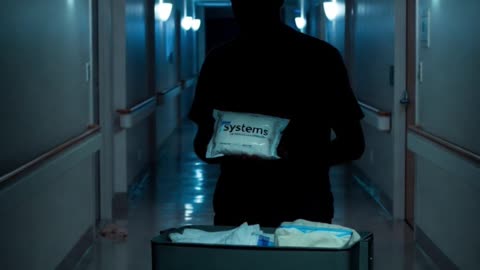
Canadian Citizens Journal⭐ PART 15A — The Hidden Supply Crisis How Shortages, Funding Rules, and Quiet Workarounds Affected Resident Dignity By Canadian Citizens Journal ⸻ ⭐ The Public Thinks Facilities Are Fully Stocked The reality inside many assisted living and long-term care buildings is very different. Supplies that families assume are guaranteed — briefs, pads, systems, wipes, gloves, proper beds, and basic mobility equipment — are often: • rationed • restricted • depleted • delayed • inconsistently funded Workers did everything they could to protect residents’ dignity. But they were doing it inside a supply system that was always on the edge of running out. ⸻ ⭐ “Systems” (Nighttime Briefs) Were Not the Problem — The Supply Chain Was Residents who used nighttime systems often slept better because they were not dragged out of bed unnecessarily. The problem wasn’t the product. The problem was access. Supply rules meant: • Some residents received systems only if Social Development approved funding • Some had to purchase their own • Some relied on family members to buy them • Some ran out before the next order • Some received fewer than they needed And when supplies ran low? Staff borrowed from other residents — with every intention to replace them — because the alternative was leaving someone: • wet • cold • uncomfortable • humiliated • or forced out of bed when they desperately needed sleep This was not a failure of staff. It was a failure of the system. ⸻ ⭐ A Resident’s Dignity Often Depended on Someone Else’s Extras When a resident ran out of systems, briefs, or pads, staff had three choices: 1. Wake them throughout the night 2. Leave them in lesser protection 3. Borrow from another resident’s supply Staff almost always chose the option that protected the resident’s dignity — even if it meant “owing” another resident’s supply later. This unspoken workaround reflects a devastating truth: Dignity became dependent on informal swapping because the system failed to provide basic essentials. ⸻ ⭐ Proper Beds Were Rare — And This Increased Risk for Residents and Staff Many assisted living residents did not have adjustable beds. That meant: • no safe working height • no ability to raise the bed for care • PSWs kneeling or bending over at floor level • far greater strain during nighttime changes • higher risk of workers injuring their backs • higher risk of residents rolling or scooting toward the edge And when a resident needed a system put on in bed? It required: • rolling them side-to-side • repositioning in a cramped, low space • physically maneuvering without the ergonomic support that proper care beds provide Two staff were supposed to perform this care. But staffing shortages meant one worker often had no choice but to do it alone. ⸻ ⭐ Some Residents Wanted the Bathroom — Most Wanted to Stay in Bed Contrary to what outsiders assume: • Only a handful of residents consistently called to go to the bathroom • Some called repeatedly • Many refused to get up even when staff wished they would • Most preferred to stay in bed, especially at night This meant nighttime continence routines varied wildly depending on: • resident behaviour • exhaustion • cognitive state • staffing levels • available supplies When supplies were low, sleep suffered. When sleep suffered, cognition suffered. When cognition suffered, the system labeled residents as “declining.” ⸻ ⭐ Staff Often Performed Tasks Alone That Should Have Been Two-Person Care Nighttime systems, repositioning, lifting, and transfers were designed for two PSWs. But workers were often alone. This wasn’t negligence. This wasn’t laziness. This wasn’t corner-cutting. It was survival. You cannot conjure a second staff member during a short-staffed shift. So workers did what they always do — they protected residents the best they could, even if it meant exhausting their own bodies. ⸻ ⭐ The Hidden Equation of Decline When you combine: • low supply • inconsistent funding • lack of proper beds • single-worker night shifts • sleep interruptions • toileting pressure • resident exhaustion —you create the perfect conditions for decline. This is how a supply crisis becomes a health crisis: 1. Supply shortage → leads to sleep interruptions → leads to cognitive instability → leads to behaviour changes → leads to higher care classification → leads to palliative labels → leads to MAiD eligibility discussions A missing box of systems can, indirectly, become part of a pipeline toward assisted death. ⸻ ⭐ Staff Did the Best They Could — The System Did Not Frontline workers: • borrowed supplies • stretched resources • protected residents’ dignity • compensated for systemic shortages • absorbed physical strain • covered for the deficits no one discussed publicly But they were operating inside a framework where: The dignity of one resident depended on whether another resident had enough to spare. That is not a functioning system. That is a quiet crisis. ⸻ ⭐ What Canadians Must Understand Residents in assisted living pay more and receive less support: ✔ They pay out of pocket for meds, pads, systems, supplies ✔ Staffing levels are lower ✔ Equipment is limited ✔ Medical oversight is minimal Meanwhile, in nursing homes: ✔ supplies are funded ✔ medications are covered ✔ beds are medical-grade ✔ doctors visit routinely Yet many residents in assisted living require nursing-home levels of support — without nursing-home resources. This mismatch creates suffering that is later documented as “inevitable decline.” It was not inevitable. It was manufactured through shortages, underfunding, and structural neglect.56 views 1 comment -
⭐ HOW SLEEP LOSS MIMICS DEMENTIA — The Symptom Overlap No One Warns Families About
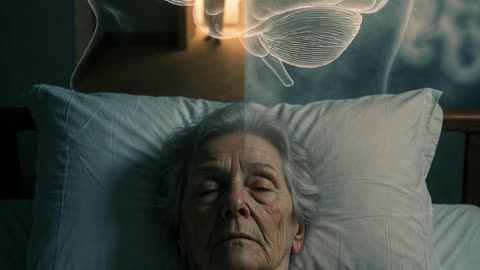
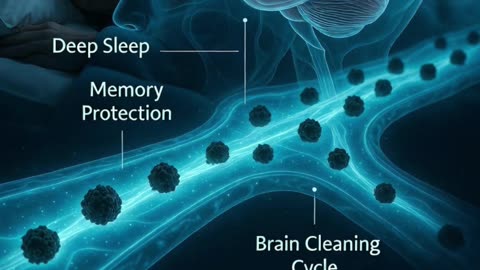
Canadian Citizens Journal⭐ HOW SLEEP LOSS MIMICS DEMENTIA The Symptom Overlap No One Warns Families About By Canadian Citizens Journal ⸻ ⭐ Canadians Are Watching Their Loved Ones Decline But what if the decline isn’t dementia at all? What if it is sleep deprivation disguised as cognitive failure? Modern neuroscience has uncovered a stunning truth: Chronic sleep disruption can produce nearly identical symptoms to early and mid-stage dementia. This is not speculation. This is peer-reviewed, measurable, biological fact. And long-term care routines create the perfect conditions for that decline. ⸻ ⭐ Why the Brain Needs Deep Sleep During deep, slow-wave sleep, the brain activates the glymphatic system — a cleansing network that: • flushes out toxins • removes metabolic waste • clears proteins linked to Alzheimer’s • reduces inflammation • restores memory pathways This system only operates at night and only when sleep is uninterrupted. Miss the window… and the waste builds up. ⸻ ⭐ When Sleep Is Broken, The Symptoms Look Like Dementia Here are symptoms caused by sleep deprivation: ✔ memory lapses ✔ confusion ✔ wandering ✔ agitation ✔ hallucinations ✔ irritability ✔ reduced decision-making ✔ daytime sleepiness ✔ poor attention ✔ mood swings ✔ loss of balance ✔ slowed thinking Now compare them to the symptom list used to diagnose dementia. They match. Almost perfectly. This is why so many residents appear to “decline” after entering assisted or long-term care: They are experiencing brain dysfunction — not brain disease. ⸻ ⭐ The Overlap Is So Strong That Researchers Use Sleep Loss to Induce Cognitive Impairment Sleep deprivation is used in laboratory research to replicate dementia-like symptoms in healthy adults. That is how powerful it is. Now imagine the impact on: • frail seniors • medicated seniors • seniors with sensory loss • seniors recovering from hospitalization • seniors living with anxiety or depression Even one week of disrupted sleep can cause cognitive impairment. One month? Significant decline. One year? It can look like irreversible dementia — even when it is not. ⸻ ⭐ The Long-Term Care Schedule Creates the Symptoms It Later Documents Common routine-based disruptions include: • waking residents at 12 & 6 • waking at 1 & 5 • waking at 2 & 6 • waking at 1, 3, and 5 • waking for toileting checks • waking for early pill rounds • waking to reduce day-shift workload • waking due to roommate noise • waking due to hallway alarms None of this reflects medical need. It reflects staffing reality. But the outcome is the same: The brain never has a chance to clean itself. ⸻ ⭐ The Cycle: Sleep Loss → Symptoms → Misdiagnosis → Decline Here is the hidden pattern inside many facilities: 1️⃣ Resident is sleep deprived. Night after night. 2️⃣ They become forgetful, irritable, unsteady. Families notice “something is wrong.” 3️⃣ Staff document symptoms: • confusion • aggression • wandering • lack of participation 4️⃣ Physician interprets these notes as: “possible dementia progression.” 5️⃣ Treatment changes begin: • antipsychotics • sedatives • mood stabilizers These worsen cognition further. 6️⃣ The resident now appears “truly declining.” But the original cause was sleep deprivation, not dementia. ⸻ ⭐ Why Families Are Never Told the Truth Families assume their loved one is sleeping peacefully. They are never told: • the resident was woken three times overnight • medications were given before dawn • the roommate cried for hours • the unit ran short-staffed • alarms kept going off • the resident barely slept Families see the symptoms. They never see the cause. ⸻ ⭐ The Most Dangerous Consequence: Sleep-Deprived Residents Become MAiD-Eligible MAiD criteria include: • intolerable suffering • loss of autonomy • cognitive decline • inability to function • hopelessness Chronic sleep deprivation creates these states. The system: 1. interrupts sleep 2. causes decline 3. documents decline 4. labels it “irreversible” 5. uses it to justify MAiD discussions This is not natural aging. This is manufactured vulnerability. ⸻ ⭐ Sleep Loss Is a Form of Harm Every Canadian needs to understand this: You cannot deprive a human being of sleep and then claim their cognitive collapse was “old age.” You cannot wake a resident multiple times every night and pretend their confusion is irreversible dementia. You cannot engineer decline and then offer death as the solution. ⸻ ⭐ What Canadians Must Demand ✔ Uninterrupted sleep windows ✔ Medication times based on biology, not staffing ✔ Proper continence supplies ✔ Enough staff to avoid overnight disruption ✔ Real consequences for facilities that break sleep cycles ✔ Independent oversight for sleep-related harm Because if sleep deprivation can mimic dementia… …then sleep protection should be non-negotiable.64 views -
⭐ PART 15 (Continued) — THE SLEEP THEY ARE NEVER ALLOWED
Canadian Citizens Journal⭐ PART 15 (Continued) — THE SLEEP THEY ARE NEVER ALLOWED How Routine Interruptions, Early Waking, and Overnight Care Destroy the Brain By Canadian Citizens Journal ⸻ ⭐ Sleep Is Not a Luxury — It Is Brain Maintenance Modern neuroscience confirms what families instinctively knew all along: When a person sleeps, the brain performs a nightly restoration cycle. During deep sleep, the brain: • flushes toxins • clears damaged proteins • resets neural pathways • stabilizes memory • regulates emotion Deep sleep is the brain’s wash cycle. It is essential for slowing or preventing: • dementia • Alzheimer’s • cognitive decline • emotional instability • mobility impairment • daytime confusion Eight hours is not a suggestion. It is biological maintenance. Yet in many assisted living and long-term care facilities, residents rarely get more than two uninterrupted hours at a time. ⸻ ⭐ The Nightly Reality: Interruptions That Break the Brain Despite decades of research proving the importance of uninterrupted sleep, residents are awakened repeatedly throughout the night for reasons that have nothing to do with medical need. Staff report routine wake schedules such as: • 12 a.m. & 6 a.m. • 1 a.m. & 5 a.m. • 2 a.m. & 6 a.m. • or the worst: 1, 3, and 5 a.m. Wake-ups were not optional — they were built into the rhythm of an understaffed building. The reasons? • preventing soaked bedding when only one cleaner was available • reducing morning workload before day shift arrived • toileting rounds done by schedule, not need • staffing pressure dictating resident sleep Some residents would finally drift off to sleep… only to be woken minutes later for the next round. Their bodies were in the bed. Their minds were exhausted. ⸻ ⭐ Continence Care: “Systems” Were Necessary — But Scarce For residents who became distressed when woken, staff often used adult continence systems (overnight briefs) to help preserve sleep. These systems did help residents sleep longer — but only when available. And availability depended on: • Social Development approval • the resident or family paying out of pocket • whatever supply the facility had left When a resident ran out of systems, PSWs often borrowed from another resident’s supply and repaid it when new product arrived. This was never policy. It was survival. Staff often did the best they could with what they had. But the system placed them in impossible situations where the dignity of one resident could depend on the excess supplies of another. Other challenges included: • systems applied standing in the bathroom when possible • rolling residents side to side in low, non-adjustable beds • many beds lacking proper height control • PSWs completing tasks meant for two workers — alone None of these practices were unsafe by intention. They were unsafe because the system made them impossible. ⸻ ⭐ Early-Morning Medications: Pills Before Sunrise Some residents were awakened simply because their medication time had been set for 6 a.m. — not for medical necessity, but for staffing convenience. This meant: • 6–8 residents woken early • others deferred to an already overwhelmed day shift • residents receiving pills in dark rooms before they had slept properly A resident could be woken for toileting at 3 a.m., finally settle, then be woken again before dawn for pills. By sunrise, their brain was already depleted. ⸻ ⭐ Night Shift Forced to “Save the Morning” Day shifts were chronically understaffed. So night staff were pressured — implicitly or directly — to wake residents early so that day shift wouldn’t collapse under workload. This was not based on clinical need. It was based on survival of a broken system. Night shift workers knew it wasn’t ideal. But they had no choice. If they didn’t wake people early, day staff would face an impossible workload. And so the residents — especially the most vulnerable — paid for systemic understaffing with their sleep. ⸻ ⭐ Sleep Deprivation Worsens Dementia — and the System Knows It Medical science is unequivocal: If you deprive a human being of deep sleep long enough, you accelerate cognitive decline. Chronic sleep disruption causes: • memory failure • agitation • confusion • mood volatility • decreased mobility • impaired decision-making • toxin accumulation in the brain This is the glymphatic system shutting down — the brain’s garbage removal mechanism. In seniors, chronic sleep loss mimics dementia and in many cases accelerates it. Inside assisted living, you could watch the change: • residents who once lived independently • who slept through the night • who woke naturally • who knew their routines began to deteriorate rapidly. After months of overnight waking, many never recovered. ⸻ ⭐ The Pipeline Built on Exhaustion Here is the truth no one in authority wants to say out loud: The system does not simply respond to decline. It creates it. Through: • constant nighttime interruptions • early-morning wake-ups • fixed medication times • continence routines shaped by supply limits • understaffing on every shift • lack of meaningful daytime engagement Decline begins at night and escalates every morning. A chronically sleep-deprived resident becomes: • more confused • less mobile • more emotional • more dependent • more likely to be labeled “palliative” • more likely to meet MAiD criteria Not because of disease — but because of system-induced exhaustion. ⸻ ⭐ What Would Happen If Residents Were Allowed to Sleep? Imagine if a resident were given: ✔ 8 hours of uninterrupted sleep ✔ individualized waking times ✔ medication schedules based on biology, not staffing ✔ continence care that respected rest ✔ real daytime engagement ✔ sunlight, fresh air, real human rhythm Many would stabilize. Some would improve. Some would reverse decline entirely. But the system is not designed for health. It is designed for throughput. ⸻ ⭐ Sleep Deprivation Is Invisible Abuse — And It Must Be Exposed Families are told their loved ones are “declining naturally.” They are not told that: • their mother was woken three times overnight • their father was forced up at 5:30 a.m. • their grandmother received pills before sunrise • their grandfather was toileted half-asleep • their loved one’s brain never had a chance to repair itself This is what Canadians are never shown. This is the part of the pipeline that happens in silence — in the dark, before dawn, while the building sleeps and the brain is never allowed to. And now — it is documented.56 views