-
Spring has sprung - work has begun!
FarmsVillaHey there, garden lovers! Ready to learn about pruning olive trees and what to do with the cut bits? Well, you're in luck! This video is all about making it super simple. Join us as we walk you through the basics of trimming your olive trees just right. We'll talk tools, timing, and techniques, so you can keep those trees healthy and happy. Plus, we'll show you cool ways to use the trimmings afterward! Whether you're a pro or just starting out, we've got you covered. So hit that play button and let's get pruning! Don't forget to give us a thumbs up and subscribe for more easy gardening tips!59 views 2 comments -
Pruning Our Olive Trees and Clearing Up the Mess
FarmsVillaJoin us as we embark on the essential task of pruning our olive trees to ensure their health and productivity. In this video, we'll guide you through the steps of trimming branches, removing deadwood, and shaping the trees for optimal growth. This task is crucial for a bountiful olive harvest. Once the pruning is complete, we tackle the aftermath! See how we efficiently clear up the mess, dispose of the cut branches, and tidy up the garden. Don't forget to like, comment, and subscribe for more gardening tips and tricks. Happy pruning!56 views -
Preparing for Olive Harvest - Off Grid in Italy
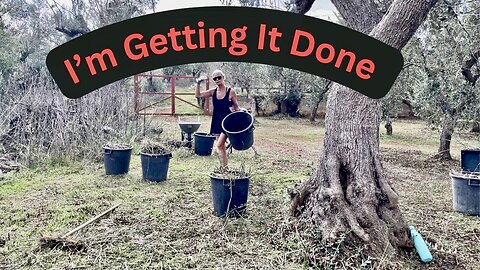
FarmsVillaIn this video, we dive into the essential steps for cleaning up olive prunings and getting your trees ready for a successful harvest! If you have an olive grove or even a few trees, pruning plays a critical role in ensuring healthier growth and a more productive harvest season. I will show you how I go about clearing out branches, managing undergrowth, and prepping our orchard for the best olive yield. While this video was quite a while in the making, things had to speed up towards the end as the olives need picking. `Nature waits for no "man" or in my case "woman". Clearly I under estimated the work load hence I never harvested my olives as scheduled 🙄. That's ok It will get done but a few days later.. Living off grid is challenging and sometimes things don't go according to plan53 views 1 comment -
How We Harvested Our Olives, The Process & Cost - Off Grid Italy
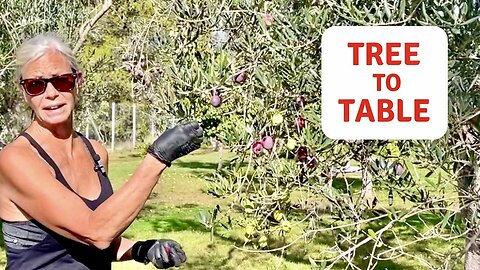
FarmsVillaJoin us at Farms Villa for our olive harvesting - while we may not be professionals we do what we can but here is some helpful info - hope you enjoy our video 😊 The olive harvest is a time-honored tradition that marks the culmination of a year's work in the olive groves. Typically taking place from late fall to early winter, the harvest period varies depending on the region and the type of olives being grown. The timing of the harvest is crucial, as it determines the flavor and quality of the olive oil. Olive Picking can be done in several ways: Manual Picking: Traditionally, olives were harvested by hand, which is still common in smaller orchards or areas where the terrain is difficult. Workers carefully pick the ripe olives from the trees, ensuring they don’t damage the fruit or the tree itself. This method is labor-intensive but allows for a more selective harvest, as only the best olives are chosen. Mechanical Harvesting: In larger commercial orchards, mechanical harvesters are used. These machines vibrate the branches, shaking the olives loose and collecting them as they fall. While this method is much faster, it can cause some bruising to the olives, which may impact the quality of the olive oil. Raking or Shaking: In some cases, workers use tools like rakes to gently comb through the branches, coaxing the olives to fall into nets or onto tarps spread out below the tree. Olives are harvested when they reach their peak ripeness, usually indicated by a change in color from green to purple or black. The timing of the harvest can affect the flavor of the oil: early-harvested olives tend to produce oil with a more robust, peppery taste, while later-harvested olives result in a milder, fruitier oil. Olive Oil Production Once the olives are harvested, they are taken to the mill for processing. The sooner the olives are milled after picking, the better the quality of the olive oil, as oxidation can degrade the taste and nutritional value of the oil. Washing and Sorting: The olives are cleaned to remove any leaves, twigs, or dirt. Only ripe, healthy olives are used to make the best oil. Crushing: The olives are crushed into a paste, traditionally using large stone mills, although modern mills may use stainless steel crushers. This process helps release the oil from the flesh of the olives. Malaxing: The paste is gently stirred in a process called malaxing. This step allows the small oil droplets to combine into larger ones, making it easier to extract the oil. Pressing or Centrifuging: After malaxing, the paste is either pressed (in traditional methods) or spun in a centrifuge (modern method) to separate the oil from the solid matter and water. The resulting oil is known as extra virgin olive oil if it meets certain standards for purity and acidity. Filtering and Bottling: The oil may be filtered to remove any remaining solids, and then it is bottled. Extra virgin olive oil is typically stored in dark glass bottles or tins to protect it from light and maintain its freshness. The resulting olive oil is prized for its rich, fruity flavor, low acidity, and numerous health benefits, including being a source of healthy monounsaturated fats, antioxidants, and anti-inflammatory compounds. Types of Olive Oil Extra Virgin Olive Oil (EVOO): Made from the first cold pressing of the olives, it is the highest quality and most flavorful, with an acidity level of less than 0.8%. It’s ideal for dressings, drizzling over dishes, and dipping. Virgin Olive Oil: Also made from the first press but with slightly higher acidity, it’s still of good quality but less flavorful than extra virgin. Refined Olive Oil: Made from olives that have been chemically treated to remove defects, this oil has a milder flavor and higher acidity. Olive Pomace Oil: A lower-quality oil made from the leftover pulp of the olives after pressing. It is refined and typically used for cooking at higher temperatures. The Significance of Olive Oil Olive oil is often referred to as "liquid gold," prized for its delicate balance of taste, versatility, and health benefits. It's a cornerstone of Mediterranean diets, praised for promoting heart health, reducing inflammation, and offering antioxidants. From drizzling over salads to using it for frying, olive oil adds depth to countless dishes and is a symbol of both ancient traditions and modern health-conscious eating. The entire process, from picking the olives to extracting the oil, requires care and expertise to ensure the highest quality product, making it a true labor of love.52 views