-
Classical Baroque Music Playlist for studying - Black Screen
Classical Music ChannelBest Baroque music for studying No ads black screen1.91K views 4 comments -
50 Baroque Classical Music Pieces
ClassicalRumbleI hope you enjoy this video! If you want to support me, consider buying me a coffee: → buymeacoffee.com/classicalru 50 Baroque Classical Music Pieces Tracklist: 0:00:00 Bach-Gounod - Ave Maria, CG 89a 0:04:43 Bach - Orchestral Suite No. 3 in D Major, BWV 1068: II. Air on the G String 0:10:33 Bach - Cantata, BWV 147: Jesu, Joy of Man's Desiring 0:14:50 Vivaldi (arr. Naughtin) - Concerto for Strings in G minor, RV 152: II. Andante molto e sempre pianissimo 0:17:09 Pachelbel - Canon and Gigue in D major, P. 37: I. Canon Vivaldi - The Four Seasons, Concerto No. 1 in E major, RV 269 "Spring": * 0:21:44 I. Allegro 0:24:59 II. Largo e pianissimo sempre 0:27:22 III. Allegro pastorale Vivaldi - Chamber Concerto in D Major, RV 93 (Arr. for Guitar and Orchestra): 0:31:08 I. No tempo indication 0:33:05 II. Largo 0:35:46 III. Allegro Vivaldi - The Four Seasons, Concerto No. 3 in F major, RV 293 "Autumn": * 0:36:58 I. Allegro 0:41:49 III. Allegro 0:45:04 Vivaldi - Concerto alla Rustica for Strings in G major: I. Presto 0:46:20 Händel - Solomon, HWV 67: Arrival of the Queen of Sheba Metamorphose String Orchestra, Pavel Lyubomudrov Violin: Yuliya Lebedenko ** Guitar: Yuri Nehai Händel - Organ Concerto in in B-Flat Major, HWV 294 (Arr. for Harp): 0:49:24 I. Andante - Allegro 0:53:30 II. Larghetto 0:58:04 III. Allegro moderato Maria Chiossi Bach - Keyboard Concerto No. 2 in E Major, BWV 1053: 1:00:36 I. No tempo indication 1:08:33 II. Siciliano 1:13:56 III. Allegro Metamorphose String Orchestra, Pavel Lyubomudrov Piano: Stanislav Soloviev Bach - Brandenburg Concerto No. 3 in G Major, BWV 1048: 1:19:48 I. — 1:25:48 II. Adagio 1:26:14 III. Allegro Bach - Brandenburg Concerto No. 4 in G Major, BWV 1049: 1:31:02 I. Allegro 1:38:18 II. Andante 1:42:02 III. Presto Bach - Brandenburg Concerto No. 5 in D Major, BWV 1050: 1:47:09 I. Allegro 1:57:51 II. Affettuoso 2:03:30 III. Allegro Orchestra da Camera Fiorentina, Giuseppe Lanzetta Bach - Cello Suite No. 1 in G Major, BWV 1007: 2:09:02 I. Prélude 2:21:02 IV. Sarabande Massimiliano Martinelli 2:15:03 Vivaldi - Concerto for 2 Cellos in G Minor, RV 531: II. Largo (Arr. for Cello and Contrabass) Metamorphose String Orchestra, Pavel Lyubomudrov Cello: Nike Hutchisson Contrabass: Andrey Shinkevich Bach - Orchestral Suite No. 2 in B Minor, BWV 1067: 2:19:45 I. Overture. Lentamente 2:27:27 II. Rondeau 2:28:56 III. Sarabande 2:31:54 IV. Bourrée 2:33:52 V. Double 2:37:18 VI. Minuetto 2:38:33 VII. Badinerie Orchestra da Camera Fiorentina, Giuseppe Lanzetta Flute: Andreas Blau 2:39:52 Händel - Suite No. 7 in G Minor: VI. Passacaglia 2:47:36 Händel - Suite No. 11 in D Minor, HWV 437: III. Sarabande Metamorphose String Orchestra, Pavel Lyubomudrov 2:50:25 Giazotto - Adagio in G Minor "Albinoni's Adagio" (Arr. for Piano by F. Pott) Vadim Chaimovich 2:57:53 Bach - Ich steh mit einem Fuß im Grabe, BWV 156: I. Sinfonia (Arioso) Vivaldi - The Four Seasons, Concerto No. 2 in G minor, RV 315 "Summer": * 3:01:25 I. Allegro non molto 3:06:31 II. Adagio e piano - Presto e forte 3:08:36 III. Presto Vivaldi - The Four Seasons, Concerto No. 4 in F minor, RV 297 "Winter": * 3:11:16 I. Allegro non molto 3:14:32 II. Largo 3:16:31 III. Allegro Metamorphose String Orchestra, Pavel Lyubomudrov Violin: Yuliya Lebedenko211 views 2 comments -
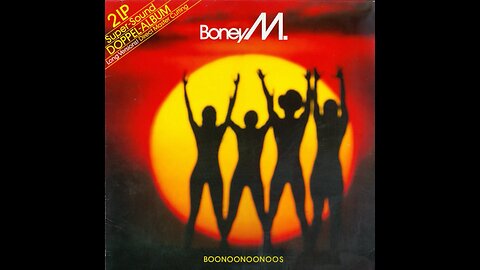
Boney M. - Boonoonoonoos (Hansa) 1981 2xLP
CCSIntermediaA1 - Boonoonoonoos 4:50 A2 - That's Boonoonoonoos / Train To Skaville / I Shall Sing 6:33 A3 - Silly Confusion 7:17 B1 - Ride To Agadir 5:13 B2 - Jimmy 3:52 B3 - African Moon 4:12 C1 - We Kill The World (Don't Kill The World) 6:33 C2 - Homeland Africa (Ship Ahoy) 4:20 C3 - Malaika 3:26 D1 - Consuela Biaz 4:36 D2 - Breakaway 4:17 D3 - Sad Movies 3:20 D4 - Goodbye My Friend 5:2611 views -
Johann Strauss II
Classical music_Music Inspiration#ClassicalMusic #JohannStraussII #ChampagnePolka #PerpetuumMobile #LeBaronTzigane #SangViennois #RoseDuSud #AimerBoireEtChanter #Composer #VienneseWaltz #Energetic #Melodies #19thCentury #StraussFamily #Orchestral #Iconic 1. Champagne Polka 2. Perpetuum mobile 3. Le Baron tzigane 4. Sang viennois 5. Rose du sud 5. Aimer, boire et chanter Orchestra de l'opera de Vienne, direction: Carl Schuricht Johann Strauss II, often referred to as the "Waltz King," was a prolific composer known for his enchanting melodies and lively compositions. In this essay, we will explore and delve into five of his remarkable musical works: "Champagne Polka," "Perpetuum mobile," "Le Baron tzigane," "Sang viennois," "Rose du sud," and "Aimer, boire et chanter." Each composition showcases Strauss' unparalleled talent and his ability to captivate audiences with his unique musical style. 1. Champagne Polka: "Champagne Polka" is a vivacious and exuberant composition that perfectly embodies the spirit of celebration and festivity. With its lively tempo and infectious melodies, the piece evokes images of clinking glasses and sparkling champagne bubbles. The interplay between various instruments creates a sense of joy and merriment, making it a popular choice for social gatherings and festive occasions. 2. Perpetuum mobile: "Perpetuum mobile," meaning "perpetual motion" in Latin, is a dazzling display of Strauss' compositional brilliance. This musical work is characterized by its rapid tempo and continuous melodic movement, giving the impression of an unstoppable musical machine. The intricate interweaving of different musical motifs creates a sense of constant energy and momentum, leaving listeners in awe of Strauss' technical prowess. 3. Le Baron tzigane: "Le Baron tzigane" is a charming and whimsical piece that showcases Strauss' ability to infuse his compositions with a touch of romanticism. The composition draws inspiration from Hungarian folk music, incorporating lively dance rhythms and expressive melodies. With its vibrant orchestration and spirited passages, "Le Baron tzigane" transports listeners to a world filled with elegance, passion, and cultural richness. 4. Sang viennois: "Sang viennois," translated as "Viennese Blood," is a graceful and nostalgic composition that captures the essence of Vienna's musical heritage. This waltz exemplifies Strauss' mastery in crafting melodies that tug at the heartstrings. The sweeping melodies and elegant harmonies evoke a sense of longing and sentimentality, painting a vivid picture of Vienna's enchanting atmosphere. 5. Rose du sud: "Rose du sud," meaning "Rose of the South," is a grand and majestic composition that showcases Strauss' ability to create sweeping musical landscapes. This waltz, inspired by the beauty and grandeur of the south, features soaring melodies and rich orchestration. The piece transports listeners to a world of elegance and splendor, painting a musical portrait of the picturesque landscapes and cultural richness of the southern regions. 6. Aimer, boire et chanter: "Aimer, boire et chanter" meaning "To Love, to Drink, and to Sing" is a lively and spirited composition that celebrates life's joys and pleasures. This cheerful work encompasses the essence of Strauss' lively musical style, incorporating catchy melodies and rhythmic dance sections. With its infectious energy and optimistic spirit, "Aimer, boire et chanter" invites listeners to embrace the joyous moments of life and revel in the power of music. Conclusion: Johann Strauss II's musical works, including the "Champagne Polka," "Perpetuum mobile," "Le Baron tzigane," "Sang viennois," "Rose du sud," and "Aimer, boire et chanter," are a testament to his remarkable talent as a composer. Through his compositions, Strauss has left a lasting legacy in the world of classical music, enchanting audiences with his memorable melodies, lively rhythms, and captivating orchestrations. His ability to evoke a range of emotions and transport listeners to different musical landscapes is a testament to his genius and his contributions to the world of music. Dear listeners, you can support the channel: 👉https://donatepay.ru/don/1448163 or 👉https://app.lava.top/1360410176?tabId=donate or 👉https://t.me/rad_siar_al_bot211 views -
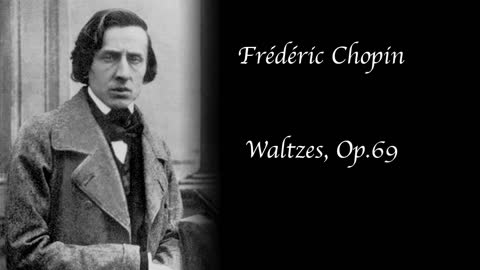
Chopin - Waltzes, Op. 69
ClassicalMusicThese waltzes, replete with nuanced emotions, represent the composer's unparalleled ability to combine lyrical beauty with intricate pianistic technique. Comprising two waltzes, Op. 69 carries with it the essence of nostalgia, longing, and the ephemeral dance of life. 🎵 Composition Details: Composer: Frédéric Chopin Work: Waltzes, Op. 69 🎹 About Waltzes, Op. 69: Although published posthumously, these waltzes are a testament to Chopin's love for dance rhythms and his impeccable touch when expressing subtle shades of emotion through his music. Each waltz captures a unique mood, making them favorites among both performers and audiences. 💡 Did you know? Chopin's waltzes, though often not intended for actual dancing, embody the spirit and charm of the dance form, transcending it into poetic musical narratives.421 views 4 comments -
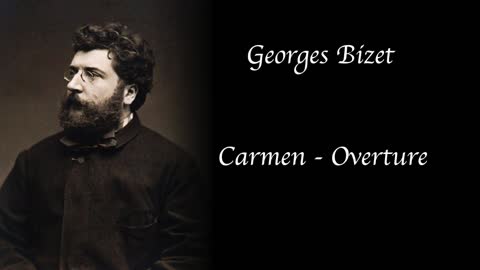
Georges Bizet - Carmen - Overture
ClassicalMusicThe Overture from French composer Georges Bizet's masterpiece, Carmen.376 views -
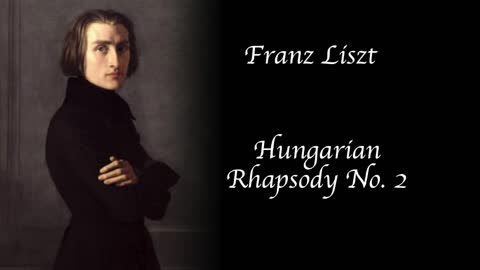
Franz Liszt - Hungarian Rhapsody No. 2 (Orchestra)
ClassicalMusicFranz Liszt - Hungarian Rhapsody No. 2 (Orchestra)877 views 11 comments -
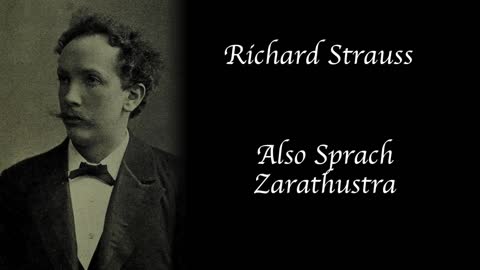
Richard Strauss - Also Sprach Zarathustra
ClassicalMusic"I'm sorry Dave, I'm afraid I can't do that."215 views -
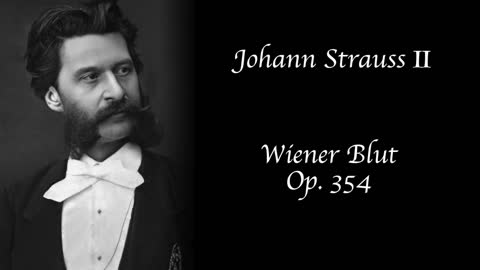
Johann Strauss II - “Wiener Blut”
ClassicalMusicWiener Blut (Vienna Blood) is a waltz first performed by composer Johann Strauss II in1873. The new dedication waltz was to celebrate the wedding of the Emperor Franz Joseph I's daughter Archduchess Gisela Louise Maria and Prince Leopold of Bavaria.440 views -
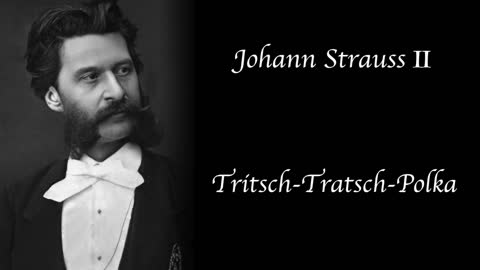
Johann Strauss II - Tritsch-Tratsch-Polka
ClassicalMusicThis vibrant and quick-paced polka perfectly encapsulates Strauss's mastery of dance music, filled with lively rhythms, infectious melodies, and the joyful spirit of Vienna's ballrooms. 🎵 Composition Details: Composer: Johann Strauss II Work: Trisch-Tratsch-Polka, Op. 214 💃 About Trisch-Tratsch-Polka: Composed in 1858, the "Trisch-Tratsch-Polka" is one of Strauss's most beloved and entertaining works. Its title, translating to "Chit-Chat Polka," reflects the lively, bouncing conversations one might imagine in a bustling Viennese social event.885 views