
-
Snapping Turtles Are Being Disintegrated by Chemical Sprays
benwehrmanThey’ve been spraying chemical herbicides like glyphosate and diquat into lakes and rivers across Texas, allegedly to control invasive plants. But locals have started finding protected alligator snapping turtles dead and disintegrating in the very waters where the spray was used. Coincidence? Or deliberate ecological sabotage? These ancient creatures are being wiped out silently while the public stays unaware. Video credit: Sheldon Surya on IG ALL PLAYLISTS page, where you can find deep-dives on ALL of the most important topics facing our world today 👇 https://rumble.com/user/benwehrman/playlists 🌐 My website, where you can find my blog, podcast, and all other projects focused on bringing awakening content to as many truth-seeking souls as possible: https://benwehrman.com/ 📢⚡️ Join the free speech revolution on NOSTR, the decentralized social media network of the future: https://rumble.com/playlists/IKTigOwaaQ4 👕🔥 Shop Red Pill Merch - conversation-starting shirts: https://www.redpillthreads.com/ben101 views -
"Walden" by Henry David Thoreau [AUDIOBOOK Part 4/4]
benwehrmanWalden by Henry David Thoreau is one of the best-known non-fiction books written by an American. Published in 1854, it details Thoreau’s life for two years, two months, and two days around the shores of Walden Pond. Walden is neither a novel nor a true autobiography, but a social critique of the Western World, with each chapter heralding some aspect of humanity that needed to be either renounced or praised. Along with his critique of the civilized world, Thoreau examines other issues afflicting man in society, ranging from economy and reading to solitude and higher laws. He also takes time to talk about the experience at Walden Pond itself, commenting on the animals and the way people treated him for living there, using those experiences to bring out his philosophical positions. This extended commentary on nature has often been interpreted as a strong statement to the natural religion that transcendentalists like Thoreau and Emerson were preaching. FURTHER SUMMARY 👇 Walden is a philosophical and autobiographical work in which Henry David Thoreau reflects on living simply, deliberately, and in close relationship with nature. Based on his two years (1845–1847) living in a small cabin near Walden Pond, the book explores how individuals might live more meaningful, self-directed lives. Central Idea Thoreau argues that most people live unnecessarily complicated lives, trapped by materialism, social expectations, and unexamined habits. By simplifying life and focusing on what truly matters, a person can gain freedom, clarity, and spiritual depth. Major Themes 1. Simplicity and Self-Reliance Thoreau advocates reducing material needs to the essentials: Shelter, food, clothing, and fuel Independence from excessive labor and debt Freedom from social conformity He believes simplicity allows time for reflection, creativity, and moral growth. 2. Deliberate Living One of the book’s most famous ideas is to “live deliberately”: To confront life honestly To avoid drifting into routines imposed by others To examine one’s values rather than inherit them uncritically Life should be consciously chosen, not passively accepted. 3. Nature as Teacher Nature is not merely scenery but a source of wisdom: Observing seasons reveals order and renewal Solitude in nature sharpens perception The natural world mirrors moral and spiritual truths Thoreau sees harmony with nature as essential to human flourishing. 4. Critique of Work and Wealth Thoreau criticizes economic life that: Requires people to trade freedom for comfort Encourages endless accumulation Measures success in money rather than virtue He argues that poverty of spirit is worse than material poverty. 5. Solitude and Society Thoreau distinguishes solitude from loneliness: Solitude enables self-knowledge Society is valuable but often excessive One can be connected to humanity while living apart True independence includes choosing when and how to engage with others. 6. Time, Attention, and Awakening Thoreau urges readers to be fully awake to life: To notice small details To resist distraction and mental sleep To cultivate mindfulness long before the term existed Awareness itself is a moral act. Style and Structure A mix of memoir, philosophy, natural observation, and social criticism Organized by seasons rather than chronology Reflective, poetic, and occasionally satirical Overall Message Walden teaches that a good life comes not from accumulation or conformity, but from simplicity, awareness, and integrity. Thoreau invites readers to reclaim their time, attention, and conscience in order to live freely and meaningfully. Full PHILOSOPHY playlist 👇 https://rumble.com/playlists/fw_SQAW736w Full AUDIOBOOKS playlist 👇 https://rumble.com/playlists/RgUcHLiie64 ALL PLAYLISTS page, where you can find deep-dives on ALL of the most important topics facing our world today 👇 https://rumble.com/user/benwehrman/playlists 🌐 My website, where you can find my blog, podcast, and all other projects focused on bringing awakening content to as many truth-seeking souls as possible: https://benwehrman.com/ 📢⚡️ Join the free speech revolution on NOSTR, the decentralized social media network of the future: https://rumble.com/playlists/IKTigOwaaQ4 👕🔥 Shop Red Pill Merch - conversation-starting shirts: https://www.redpillthreads.com/ben91 views -
"Walden" by Henry David Thoreau [AUDIOBOOK Part 3/4]
benwehrmanWalden by Henry David Thoreau is one of the best-known non-fiction books written by an American. Published in 1854, it details Thoreau’s life for two years, two months, and two days around the shores of Walden Pond. Walden is neither a novel nor a true autobiography, but a social critique of the Western World, with each chapter heralding some aspect of humanity that needed to be either renounced or praised. Along with his critique of the civilized world, Thoreau examines other issues afflicting man in society, ranging from economy and reading to solitude and higher laws. He also takes time to talk about the experience at Walden Pond itself, commenting on the animals and the way people treated him for living there, using those experiences to bring out his philosophical positions. This extended commentary on nature has often been interpreted as a strong statement to the natural religion that transcendentalists like Thoreau and Emerson were preaching. FURTHER SUMMARY 👇 Walden is a philosophical and autobiographical work in which Henry David Thoreau reflects on living simply, deliberately, and in close relationship with nature. Based on his two years (1845–1847) living in a small cabin near Walden Pond, the book explores how individuals might live more meaningful, self-directed lives. Central Idea Thoreau argues that most people live unnecessarily complicated lives, trapped by materialism, social expectations, and unexamined habits. By simplifying life and focusing on what truly matters, a person can gain freedom, clarity, and spiritual depth. Major Themes 1. Simplicity and Self-Reliance Thoreau advocates reducing material needs to the essentials: Shelter, food, clothing, and fuel Independence from excessive labor and debt Freedom from social conformity He believes simplicity allows time for reflection, creativity, and moral growth. 2. Deliberate Living One of the book’s most famous ideas is to “live deliberately”: To confront life honestly To avoid drifting into routines imposed by others To examine one’s values rather than inherit them uncritically Life should be consciously chosen, not passively accepted. 3. Nature as Teacher Nature is not merely scenery but a source of wisdom: Observing seasons reveals order and renewal Solitude in nature sharpens perception The natural world mirrors moral and spiritual truths Thoreau sees harmony with nature as essential to human flourishing. 4. Critique of Work and Wealth Thoreau criticizes economic life that: Requires people to trade freedom for comfort Encourages endless accumulation Measures success in money rather than virtue He argues that poverty of spirit is worse than material poverty. 5. Solitude and Society Thoreau distinguishes solitude from loneliness: Solitude enables self-knowledge Society is valuable but often excessive One can be connected to humanity while living apart True independence includes choosing when and how to engage with others. 6. Time, Attention, and Awakening Thoreau urges readers to be fully awake to life: To notice small details To resist distraction and mental sleep To cultivate mindfulness long before the term existed Awareness itself is a moral act. Style and Structure A mix of memoir, philosophy, natural observation, and social criticism Organized by seasons rather than chronology Reflective, poetic, and occasionally satirical Overall Message Walden teaches that a good life comes not from accumulation or conformity, but from simplicity, awareness, and integrity. Thoreau invites readers to reclaim their time, attention, and conscience in order to live freely and meaningfully. Full PHILOSOPHY playlist 👇 https://rumble.com/playlists/fw_SQAW736w Full AUDIOBOOKS playlist 👇 https://rumble.com/playlists/RgUcHLiie64 ALL PLAYLISTS page, where you can find deep-dives on ALL of the most important topics facing our world today 👇 https://rumble.com/user/benwehrman/playlists 🌐 My website, where you can find my blog, podcast, and all other projects focused on bringing awakening content to as many truth-seeking souls as possible: https://benwehrman.com/ 📢⚡️ Join the free speech revolution on NOSTR, the decentralized social media network of the future: https://rumble.com/playlists/IKTigOwaaQ4 👕🔥 Shop Red Pill Merch - conversation-starting shirts: https://www.redpillthreads.com/ben93 views -
"Walden" by Henry David Thoreau [AUDIOBOOK Part 2/4]
benwehrmanWalden by Henry David Thoreau is one of the best-known non-fiction books written by an American. Published in 1854, it details Thoreau’s life for two years, two months, and two days around the shores of Walden Pond. Walden is neither a novel nor a true autobiography, but a social critique of the Western World, with each chapter heralding some aspect of humanity that needed to be either renounced or praised. Along with his critique of the civilized world, Thoreau examines other issues afflicting man in society, ranging from economy and reading to solitude and higher laws. He also takes time to talk about the experience at Walden Pond itself, commenting on the animals and the way people treated him for living there, using those experiences to bring out his philosophical positions. This extended commentary on nature has often been interpreted as a strong statement to the natural religion that transcendentalists like Thoreau and Emerson were preaching. FURTHER SUMMARY 👇 Walden is a philosophical and autobiographical work in which Henry David Thoreau reflects on living simply, deliberately, and in close relationship with nature. Based on his two years (1845–1847) living in a small cabin near Walden Pond, the book explores how individuals might live more meaningful, self-directed lives. Central Idea Thoreau argues that most people live unnecessarily complicated lives, trapped by materialism, social expectations, and unexamined habits. By simplifying life and focusing on what truly matters, a person can gain freedom, clarity, and spiritual depth. Major Themes 1. Simplicity and Self-Reliance Thoreau advocates reducing material needs to the essentials: Shelter, food, clothing, and fuel Independence from excessive labor and debt Freedom from social conformity He believes simplicity allows time for reflection, creativity, and moral growth. 2. Deliberate Living One of the book’s most famous ideas is to “live deliberately”: To confront life honestly To avoid drifting into routines imposed by others To examine one’s values rather than inherit them uncritically Life should be consciously chosen, not passively accepted. 3. Nature as Teacher Nature is not merely scenery but a source of wisdom: Observing seasons reveals order and renewal Solitude in nature sharpens perception The natural world mirrors moral and spiritual truths Thoreau sees harmony with nature as essential to human flourishing. 4. Critique of Work and Wealth Thoreau criticizes economic life that: Requires people to trade freedom for comfort Encourages endless accumulation Measures success in money rather than virtue He argues that poverty of spirit is worse than material poverty. 5. Solitude and Society Thoreau distinguishes solitude from loneliness: Solitude enables self-knowledge Society is valuable but often excessive One can be connected to humanity while living apart True independence includes choosing when and how to engage with others. 6. Time, Attention, and Awakening Thoreau urges readers to be fully awake to life: To notice small details To resist distraction and mental sleep To cultivate mindfulness long before the term existed Awareness itself is a moral act. Style and Structure A mix of memoir, philosophy, natural observation, and social criticism Organized by seasons rather than chronology Reflective, poetic, and occasionally satirical Overall Message Walden teaches that a good life comes not from accumulation or conformity, but from simplicity, awareness, and integrity. Thoreau invites readers to reclaim their time, attention, and conscience in order to live freely and meaningfully. Full PHILOSOPHY playlist 👇 https://rumble.com/playlists/fw_SQAW736w Full AUDIOBOOKS playlist 👇 https://rumble.com/playlists/RgUcHLiie64 ALL PLAYLISTS page, where you can find deep-dives on ALL of the most important topics facing our world today 👇 https://rumble.com/user/benwehrman/playlists 🌐 My website, where you can find my blog, podcast, and all other projects focused on bringing awakening content to as many truth-seeking souls as possible: https://benwehrman.com/ 📢⚡️ Join the free speech revolution on NOSTR, the decentralized social media network of the future: https://rumble.com/playlists/IKTigOwaaQ4 👕🔥 Shop Red Pill Merch - conversation-starting shirts: https://www.redpillthreads.com/ben98 views -
"Walden" by Henry David Thoreau [AUDIOBOOK Part 1/4]
benwehrmanWalden by Henry David Thoreau is one of the best-known non-fiction books written by an American. Published in 1854, it details Thoreau’s life for two years, two months, and two days around the shores of Walden Pond. Walden is neither a novel nor a true autobiography, but a social critique of the Western World, with each chapter heralding some aspect of humanity that needed to be either renounced or praised. Along with his critique of the civilized world, Thoreau examines other issues afflicting man in society, ranging from economy and reading to solitude and higher laws. He also takes time to talk about the experience at Walden Pond itself, commenting on the animals and the way people treated him for living there, using those experiences to bring out his philosophical positions. This extended commentary on nature has often been interpreted as a strong statement to the natural religion that transcendentalists like Thoreau and Emerson were preaching. FURTHER SUMMARY 👇 Walden is a philosophical and autobiographical work in which Henry David Thoreau reflects on living simply, deliberately, and in close relationship with nature. Based on his two years (1845–1847) living in a small cabin near Walden Pond, the book explores how individuals might live more meaningful, self-directed lives. Central Idea Thoreau argues that most people live unnecessarily complicated lives, trapped by materialism, social expectations, and unexamined habits. By simplifying life and focusing on what truly matters, a person can gain freedom, clarity, and spiritual depth. Major Themes 1. Simplicity and Self-Reliance Thoreau advocates reducing material needs to the essentials: Shelter, food, clothing, and fuel Independence from excessive labor and debt Freedom from social conformity He believes simplicity allows time for reflection, creativity, and moral growth. 2. Deliberate Living One of the book’s most famous ideas is to “live deliberately”: To confront life honestly To avoid drifting into routines imposed by others To examine one’s values rather than inherit them uncritically Life should be consciously chosen, not passively accepted. 3. Nature as Teacher Nature is not merely scenery but a source of wisdom: Observing seasons reveals order and renewal Solitude in nature sharpens perception The natural world mirrors moral and spiritual truths Thoreau sees harmony with nature as essential to human flourishing. 4. Critique of Work and Wealth Thoreau criticizes economic life that: Requires people to trade freedom for comfort Encourages endless accumulation Measures success in money rather than virtue He argues that poverty of spirit is worse than material poverty. 5. Solitude and Society Thoreau distinguishes solitude from loneliness: Solitude enables self-knowledge Society is valuable but often excessive One can be connected to humanity while living apart True independence includes choosing when and how to engage with others. 6. Time, Attention, and Awakening Thoreau urges readers to be fully awake to life: To notice small details To resist distraction and mental sleep To cultivate mindfulness long before the term existed Awareness itself is a moral act. Style and Structure A mix of memoir, philosophy, natural observation, and social criticism Organized by seasons rather than chronology Reflective, poetic, and occasionally satirical Overall Message Walden teaches that a good life comes not from accumulation or conformity, but from simplicity, awareness, and integrity. Thoreau invites readers to reclaim their time, attention, and conscience in order to live freely and meaningfully. Full PHILOSOPHY playlist 👇 https://rumble.com/playlists/fw_SQAW736w Full AUDIOBOOKS playlist 👇 https://rumble.com/playlists/RgUcHLiie64 ALL PLAYLISTS page, where you can find deep-dives on ALL of the most important topics facing our world today 👇 https://rumble.com/user/benwehrman/playlists 🌐 My website, where you can find my blog, podcast, and all other projects focused on bringing awakening content to as many truth-seeking souls as possible: https://benwehrman.com/ 📢⚡️ Join the free speech revolution on NOSTR, the decentralized social media network of the future: https://rumble.com/playlists/IKTigOwaaQ4 👕🔥 Shop Red Pill Merch - conversation-starting shirts: https://www.redpillthreads.com/ben110 views -
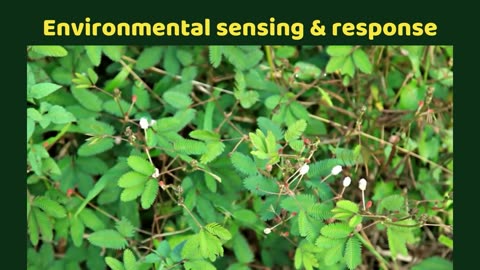
The Intelligent Design of Plants
benwehrmanFull EVOLUTION VS. CREATION playlist 👇 https://rumble.com/playlists/XO0fSfj7xbY Video credit: Discovery Science on YouTube ALL PLAYLISTS page, where you can find deep-dives on ALL of the most important topics facing our world today 👇 https://rumble.com/user/benwehrman/playlists 🌐 My website, where you can find my blog, podcast, and all other projects focused on bringing awakening content to as many truth-seeking souls as possible: https://benwehrman.com/ 📢⚡️ Join the free speech revolution on NOSTR, the decentralized social media network of the future: https://rumble.com/playlists/IKTigOwaaQ4 👕🔥 Shop Red Pill Merch - conversation-starting shirts: https://www.redpillthreads.com/ben91 views -
The Incredible Design of Honeybees: Proof of a Brilliant Creator
benwehrmanFull EVOLUTION VS. CREATION playlist 👇 https://rumble.com/playlists/XO0fSfj7xbY Video credit: Discovery Science on YouTube ALL PLAYLISTS page, where you can find deep-dives on ALL of the most important topics facing our world today 👇 https://rumble.com/user/benwehrman/playlists 🌐 My website, where you can find my blog, podcast, and all other projects focused on bringing awakening content to as many truth-seeking souls as possible: https://benwehrman.com/ 📢⚡️ Join the free speech revolution on NOSTR, the decentralized social media network of the future: https://rumble.com/playlists/IKTigOwaaQ4 👕🔥 Shop Red Pill Merch - conversation-starting shirts: https://www.redpillthreads.com/ben84 views -
The Butterfly Was Intelligently Designed
benwehrmanThe metamorphosis of a butterfly is one of nature’s most extraordinary transformations... but could such beauty and precision truly come from blind natural selection? In this video, we explore the intelligent design behind the monarch butterfly’s metamorphosis, from egg to chrysalis to flight. Presented by Paul Nelson, this talk explores the incredible design of butterflies and their pupa as evidence of a brilliant Creator. Video credit: Discovery Science on YouTube Full EVOLUTION VS. CREATION playlist 👇 https://rumble.com/playlists/XO0fSfj7xbY ALL PLAYLISTS page, where you can find deep-dives on ALL of the most important topics facing our world today 👇 https://rumble.com/user/benwehrman/playlists 🌐 My website, where you can find my blog, podcast, and all other projects focused on bringing awakening content to as many truth-seeking souls as possible: https://benwehrman.com/ 📢⚡️ Join the free speech revolution on NOSTR, the decentralized social media network of the future: https://rumble.com/playlists/IKTigOwaaQ4 👕🔥 Shop Red Pill Merch - conversation-starting shirts: https://www.redpillthreads.com/ben87 views -
"On the Nature of Things" by Lucretius [FULL AUDIOBOOK]
benwehrmanThis famous work by Lucretius is a masterpiece of didactic poetry, and it still stands today as the finest exposition of Epicurean philosophy ever written. The poem was produced in the middle of first century B.C., a period that was to witness a flowering of Latin literature unequaled for beauty and intellectual power in subsequent ages. The Latin title, "De Rerum Natura", translates literally to "On the Nature of Things" and is meant to impress the reader with the breadth and depth of Epicurean philosophy. The poem's scope, even by modern standards, is staggering. Lucretius peers into the secrets of nature with a kind of innocent curiosity and offers a "scientific" explanation for all sorts of phenomena: stars and planets, oceans and rivers, plant life, reproductive activities, the soul and immortality, and the nature of the gods, among others. According to Lucretius, mankind can be freed from the stifling structures of religion and superstition by studying the works of the Greek philosopher Epicurus. All it takes is the strength of character to look at the natural world in an uncompromisingly level and unemotional way, to observe and live in the world according to precepts laid down by the great Epicurus in the fourth century B.C. That being so, according to Lucretius, it will be possible for man to lay aside superstition and fear and to become as godlike as he can. Even though humanity was driven by hungers and passions it little understood at the time, Lucretius' bold poem sought to embolden men with the self confidence to get along in the world without recourse to myths and gods. In order to free themselves, men would have to adopt a personal code of self-responsibility that consisted of living and speaking personal truths founded on the work of Epicurus. "On the Nature of Things" is about the universe and how men should live in it. 00:00:00 Lucretius - A Brief Biography by William Young Sellar 00:31:15 Epicurus and Epicurianism by William Wallace 01:01:24 Book I 02:15:11 Book II 03:34:23 Book III 04:46:15 Book IV 06:15:45 Book V 07:54:11 Book VI Full PHILOSOPHY playlist 👇 https://rumble.com/playlists/fw_SQAW736w Full AUDIOBOOKS playlist 👇 https://rumble.com/playlists/RgUcHLiie64 ALL PLAYLISTS page, where you can find deep-dives on ALL of the most important topics facing our world today 👇 https://rumble.com/user/benwehrman/playlists 🌐 My website, where you can find my blog, podcast, and all other projects focused on bringing awakening content to as many truth-seeking souls as possible: https://benwehrman.com/ 📢⚡️ Join the free speech revolution on NOSTR, the decentralized social media network of the future: https://rumble.com/playlists/IKTigOwaaQ4 👕🔥 Shop Red Pill Merch - conversation-starting shirts: https://www.redpillthreads.com/ben203 views -
On The Soul and Parva Naturalia by Aristotle [FULL AUDIOBOOK]
benwehrmanTwo contrasting reflections by Aristotle which cover a very particular ground. In On the Soul, Aristotle presents his view of the ‘life essence’ which, he argues, is possessed by living things whether plants, animals or humans. Not a ‘soul’ in the generally accepted Western use of the term, this ‘soul’ he says is a life force that is indivisible from the organism that possesses it. The essay is divided into three Books. Presenting his concept in Book I, he further describes the structure of the ‘souls’ of plants, animals and humans in Book II and Book III. In The Parva Naturalia (Little Physical Treatises), Aristotle continues his investigation into the biology of life and the links between body and ‘soul’. It consists of seven essays: Sense and Sensibilia, On Memory, On Sleep, On Dreams, On Divination in Sleep, On Length and Shortness of Life, On Youth, Old Age, Life and Death, and Respiration. Translation by A. J. Smith. Translation by J I Beare and G R T Ross. 00:00:00 On the Soul 03:50:56 The Parva Naturalia 03:52:12 Sense and Sensibilia 05:30:22 On Memory 06:04:42 On Sleep 06:38:08 On Dreams 07:06:37 On Divination in Sleep 07:21:12 On Length and Shortness of Life translated 07:39:54 On Youth, Old Age, Life and Death, and Respiration Full PHILOSOPHY playlist 👇 https://rumble.com/playlists/fw_SQAW736w Full AUDIOBOOKS playlist 👇 https://rumble.com/playlists/RgUcHLiie64 ALL PLAYLISTS page, where you can find deep-dives on ALL of the most important topics facing our world today 👇 https://rumble.com/user/benwehrman/playlists 🌐 My website, where you can find my blog, podcast, and all other projects focused on bringing awakening content to as many truth-seeking souls as possible: https://benwehrman.com/ 📢⚡️ Join the free speech revolution on NOSTR, the decentralized social media network of the future: https://rumble.com/playlists/IKTigOwaaQ4 👕🔥 Shop Red Pill Merch - conversation-starting shirts: https://www.redpillthreads.com/ben172 views

!["Walden" by Henry David Thoreau [AUDIOBOOK Part 4/4]](https://1a-1791.com/video/fww1/1f/s8/6/K/7/-/T/K7-Tz.oq1b.jpg)
!["Walden" by Henry David Thoreau [AUDIOBOOK Part 3/4]](https://1a-1791.com/video/fwe2/50/s8/6/U/7/-/T/U7-Tz.oq1b.jpg)
!["Walden" by Henry David Thoreau [AUDIOBOOK Part 2/4]](https://1a-1791.com/video/fww1/22/s8/6/Y/7/-/T/Y7-Tz.oq1b.jpg)
!["Walden" by Henry David Thoreau [AUDIOBOOK Part 1/4]](https://1a-1791.com/video/fww1/ae/s8/6/4/7/-/T/47-Tz.oq1b.jpg)

!["On the Nature of Things" by Lucretius [FULL AUDIOBOOK]](https://1a-1791.com/video/fww1/c3/s8/6/y/R/U/Q/yRUQz.oq1b.jpg)
![On The Soul and Parva Naturalia by Aristotle [FULL AUDIOBOOK]](https://1a-1791.com/video/fwe2/ac/s8/6/I/J/U/Q/IJUQz.oq1b.1.jpg)