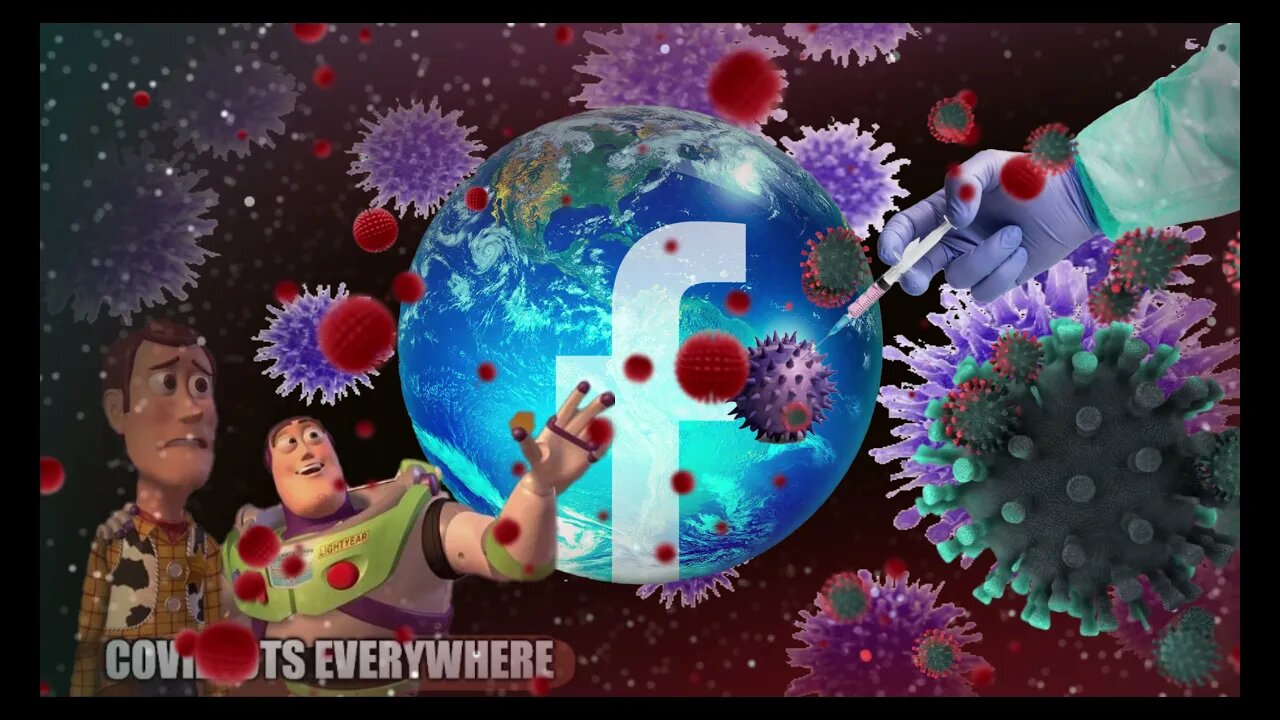
Are we actually all Covidiots?
Are we actually all Covidiots?
COVIDIOTS EVERYWHERE.
Despite thousands of column inches, millions of social media mentions, and the odd meme over the last year, Engine I MHP wanted to test the hypothesis that, actually, people were still in the dark on the science of COVID-19 and how this should affect their behavior during a lockdown.
To test the theory that there was a distinct gap between exposure, awareness, and then understanding of key terms related to COVID-19 among the general public, we worked with Savanta ComRes to survey 2,000 members of the general public to assess which terms were known and which the public felt confident explaining to someone else.
The results were clear: across the 19 most media-cited terms tested (more on the number later), most people had heard of each term, but far fewer felt confident in their meaning. Surprising given the consumptive effect of COVID-19 in the media since last February? Maybe. But the results have highlighted some distinct do’s and don’ts when feeding health messages to the general public, which are also applicable to the land of life sciences communication.
Let’s look at COVID first.
While public recognition of both scientific (10 terms tested) and social terms, 9 terms tested was high across the board, the polling revealed variable confidence among the public in being able to confidently explain what these terms mean. Among the scientific terms most cited in the media since the pandemic began, ‘R number’ was recognized by 88% of the public, yet only 46% of those polled said they could confidently describe what an ‘R number’ is. Similarly, despite high (88%) levels of awareness, the term ‘variant’, could only be confidently explained by less than half of respondents (44%). The lowest ranking scientific terms included ‘asymptomatic’, ‘antigen’ and ‘PCR test’ with 16%, 26%, and 35% respectively saying they had never heard of it.
Among more social terms tested, there was again the high level of public recognition across the board, but a significant proportion of the public stated they couldn’t explain the following terms confidently, if at all: ‘support bubble’ 33%, ‘key worker’ 25% and ‘circuit breaker’ 40%.
The potential impact of these findings is of course wide-reaching. We know a significant proportion of the public gets their health information from peers and family members. The lack of confidence therefore among the public to explain what these critical terms mean, might contribute to the spread of misinformation. The exercise was also a stark reminder of how many new terms have been added to the public’s vocabulary since the pandemic began: we tested 19 of the most commonly-used terms, some of which have similar meanings. This should be a lesson in not only keeping the number of technical terms to a minimum but also ensuring that there aren’t duplicative terms being cited.
Why are these findings important?
Health inequalities and the prevention agenda: It can be said that information itself is medicine. Having access to, and awareness of, the contributing factors to one’s health and wellbeing is a good place to start in leading a healthy life. Where information is lacking, or understanding or engagement in that information is low, is where health inequalities emerge and people are less well equipped to make informed decisions about their health. The experience of the pandemic has brought these uncomfortable truths into sharp relief. It is no surprise therefore that access to good quality health information is a building block of the dual agendas that are currently a focus for government, NHS, and other healthcare actors beyond the immediate firefighting response to the virus, the prevention agenda, and the health inequalities agenda.
The empowered patient: Knowledge is power, not simply information. There is an important role for the empowered patient in improving their own healthcare outcomes through their response to treatment and care. As we found in our research the lack of pull through from recognizing the new vocabulary of the pandemic versus really understanding the meaning of what is being communicated suggests that people are not empowered to advocate for themselves and those around them because the information is not be translated into knowledge.
Translated titles:
¿Somos todos Covidiots? (idiotas covid)
Sind wir eigentlich alle Covidiots? (Covid-Idioten)
Sommes-nous vraiment tous des Covidiots ? (idiots de covid)
Somos realmente todos Covidiotas? (idiotas cobiçosos)
क्या वाकई हम सब कोविडियोट हैं? (कोविड इ
Is ons eintlik almal Covidiots? (covid idiote)
我們真的都是 Covidiot 嗎? (covid白痴)
Lahat ba talaga tayo Covidiot? (mga covid idiot)
Siamo davvero tutti Covidiots? (covid idioti)
私たちは実際にすべてのコビディオットですか? (covid idiots)
-
 1:12:25
Steven Crowder
2 hours agoCNN Declares J6 Pipe Bomber White & Nick Fuentes Interview Reaction
210K184 -
 LIVE
LIVE
Dr Disrespect
3 hours ago🔴LIVE - DR DISRESPECT - ARC RAIDERS - FREE LOADOUT EXPERT
1,291 watching -
 LIVE
LIVE
Rebel News
1 hour agoPublic Safety reviewing gun grab, Migrant offenders getting lighter sentences | Rebel Roundtable
326 watching -
 2:27
2:27
Buddy Brown
5 hours ago $0.49 earnedREDNECK JINGLE BELLS! | Buddy Brown
4981 -
 18:38
18:38
The Illusion of Consensus
1 hour ago $0.15 earned“Those are FIGHTING words” – Dave Smith SNAPS at Alex Over Holocaust Denial Accusations
3.17K1 -
 55:40
55:40
The Rubin Report
3 hours agoCNN Host Goes Silent When Guest Proved She’d Done Her Homework on Drug Boat Facts
44.6K50 -
 51:25
51:25
iCkEdMeL
2 hours ago $2.86 earnedCandace Owens BACKS OUT of TPUSA Debate — Tim Pool MELTS DOWN, Fuentes Calls Her Out
23.7K20 -
 1:44:09
The Mel K Show
2 hours agoMORNINGS WITH MEL K - Let it Bleed-Things are Getting Spicy in DC 12-5-25
21K5 -
 LIVE
LIVE
LFA TV
15 hours agoLIVE & BREAKING NEWS! | FRIDAY 12/05/25
2,310 watching -
 1:44:31
Benny Johnson
4 hours agoThe Darkest Cover Up in FBI History: Explosive January 6th Pipe Bomber Evidence Revealed, They LIED…
66.8K69