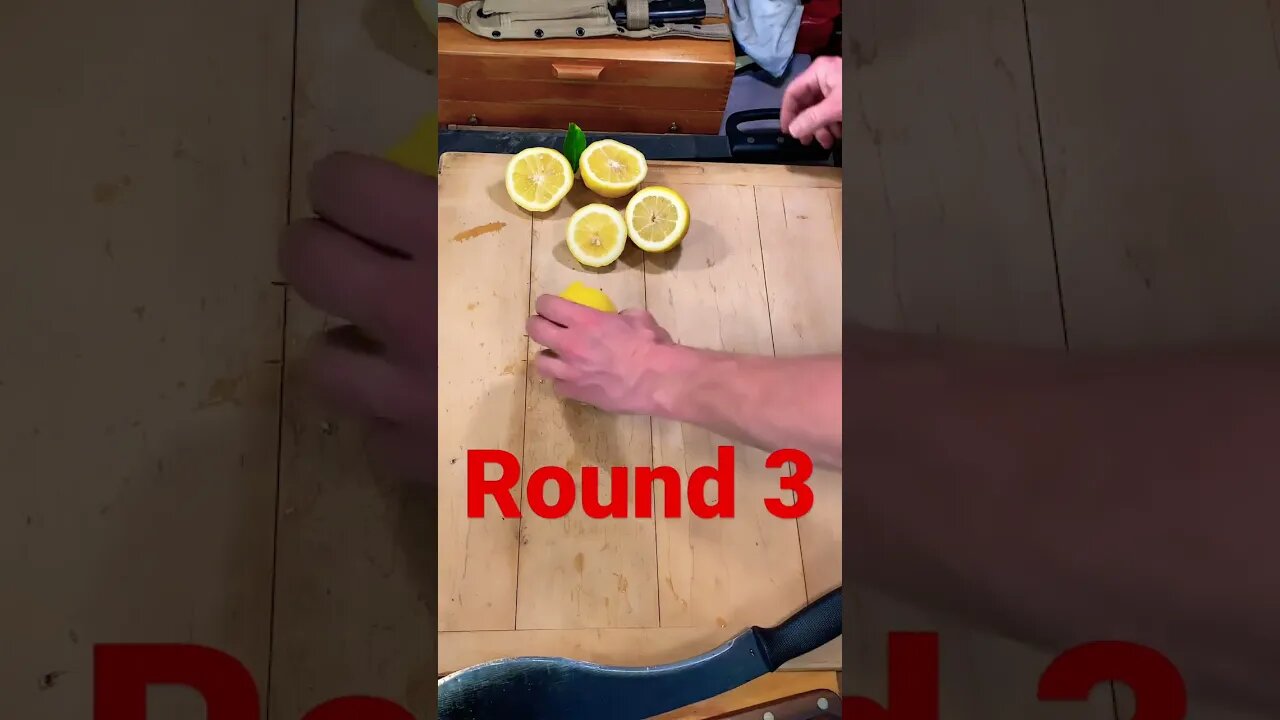
3 iconic knives 🔪 performing flawlessly
"Khukri", "Khukuri" and "Kukuri" redirect here. For other uses, see Kukri (disambiguation).
Kukri
Knife (Kukri) with Sheath MET 36.25.831a b 001 Apr2017.jpg
A kukri with sheath
Type Bladed melee weapon, utility tool
Place of origin Gorkha Kingdom
Service history
In service c. 7th century – present[1]
Used by Gurkhas and Kiratis (natively)
Wars
Gurkha War
Anglo-Afghan Wars
Sino-Nepalese War
Third Nepal–Tibet War
World War I
World War II
1962 Sino-Indian War
Second Indo-Pakistani War
1967 Sino-Indian War
Third Indo-Pakistani War
Falklands War
Kargil War
War in Afghanistan (1978–present)
Specifications
Mass 450–900 g (1–2 lb)
Length 40–45 cm (16–18 in)
The kukri (English: /ˈkʊkri/)[2] or khukuri (Nepali: खुकुरी, pronounced [kʰukuri]) is a type of short sword with a distinct recurve in its blade originated in Nepal. It serves multiple purposes as a melee weapon and also as a regular cutting tool throughout most of South Asia. The kukri, khukri, and kukkri spellings are of Indian English origin,[3][better source needed] with the original Nepalese English spelling being khukuri.[citation needed]
Originating from the Indian subcontinent, the kukri is the national weapon of Nepal, traditionally serving the role of a basic utility knife for the Nepali-speaking Gurkhas,[4] and consequently is a characteristic weapon of the Nepali Army.[5]
There have been, and still are many myths surrounding the kukri since its earliest recorded use in the 7th century—most notably that a traditional custom revolves around the blade in which it must draw blood, owing to its sole purpose as a fighting weapon, before being sheathed. However, they are frequently used as regular utility tools.[6][7]
MACHETE !!!
A machete (/məˈʃɛti/; Spanish pronunciation: [maˈtʃete]) is a broad blade used either as an agricultural implement similar to an axe, or in combat like a long-bladed knife. The blade is typically 30 to 45 centimetres (12 to 18 in) long and usually under 3 millimetres (1⁄8 in) thick. In the Spanish language, the word is possibly a diminutive form of the word macho, which was used to refer to sledgehammers.[1] Alternatively, its origin may be machaera, the name given by the Romans to the falcata.[2][3] It is the origin of the English language equivalent term matchet,[4] though it is less commonly used. In much of the English-speaking Caribbean, such as Jamaica,[5] Barbados, Guyana, Grenada, and Trinidad and Tobago, the term cutlass is used for these agricultural tools.[6]
-
 0:30
0:30
Doggorunning
2 years agoMini Camper has Two Bunkbeds
24 -
 LIVE
LIVE
FyrBorne
12 hours ago🔴Battlefield REDSEC Live M&K Gameplay: Testing Sleeper Loadouts
118 watching -
 28:54
28:54
ZeeeMedia
16 hours agoREAL ID Non-Compliance Fees from 2026 & WW3 Escalation | Daily Pulse Ep 154
9.66K31 -
 LIVE
LIVE
PudgeTV
3 hours ago🔴 Sea of Thieves - Gaming on Rumble | The Three Rumskateers Go Sailing Again!!
193 watching -
 LIVE
LIVE
Midnight In The Mountains™
1 hour agoMorning Coffee w/ Midnight & The Early Birds of Rumble | Pudge Made me LATE! |
123 watching -
 LIVE
LIVE
Pickleball Now
5 hours agoLive: IPBL 2025 Day 3 | Nonstop Action from India’s Biggest Pickleball League
71 watching -
 1:12:46
MetatronGaming
1 day agoLet's Try Heroes of Might and Magic The Olden Era
40.5K2 -
 1:02:58
Coin Stories with Natalie Brunell
19 hours agoBitcoin’s ‘Silent IPO’ Moment & The Coming AI Shockwave with Jordi Visser
25.4K3 -
 21:06
21:06
Nikko Ortiz
15 hours agoBodycam's Zombie Update Is Crazy...
22.7K3 -
 42:52
42:52
Code Blue Cam
1 day agoDrunk Teacher's First and Last Day at Elementary School
21.4K8