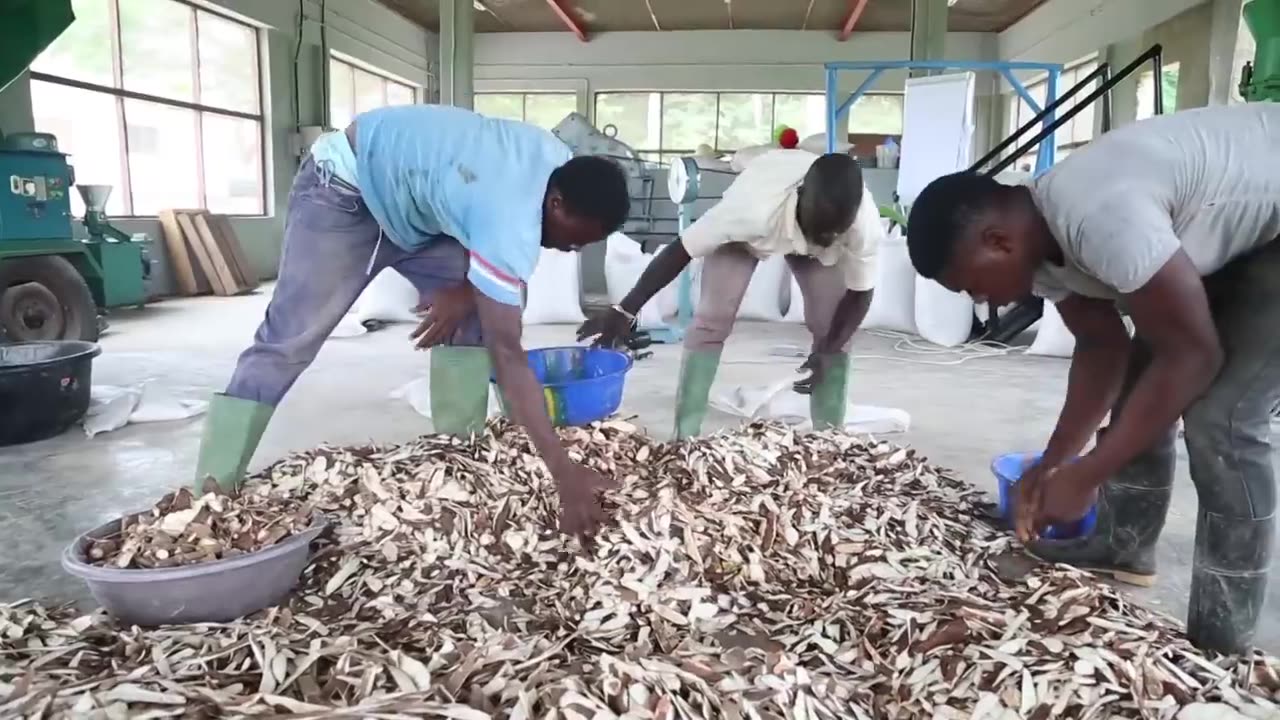
Transforming cassava peels into animal feed
Transforming cassava peels into animal feed is an innovative and sustainable approach that addresses both environmental and economic challenges. Cassava is a widely cultivated root crop, and its peels are a byproduct generated during processing or consumption. Traditionally, these peels are considered agricultural waste and pose disposal challenges.
However, researchers and farmers have discovered that cassava peels can be transformed into nutritious animal feed, offering a valuable solution for utilizing this resource. The process involves treating and processing the peels to enhance their nutritional value and make them suitable for animal consumption.
The transformation typically includes several steps. First, the peels are thoroughly washed to remove dirt and contaminants. Next, they undergo a drying process to reduce moisture content and enhance their shelf life. This can be achieved through sun drying or using mechanical dryers, depending on the available resources.
After drying, the cassava peels are often milled or ground into smaller particles, making them easier for animals to digest. This step also helps to improve the overall texture of the feed. The resulting product can then be mixed with other ingredients such as grains, vitamins, minerals, and protein sources to create a well-balanced animal feed.
Cassava peels are rich in carbohydrates and fiber, making them particularly suitable for certain livestock animals such as pigs, poultry, and ruminants. The feed derived from cassava peels can provide an affordable and sustainable alternative to conventional feeds, contributing to the reduction of production costs for farmers.
Moreover, the utilization of cassava peels as animal feed has environmental benefits. By converting the peels into a valuable resource, it reduces waste generation and potential environmental pollution that could occur during improper disposal.
Overall, transforming cassava peels into animal feed offers a dual advantage of reducing waste and providing a cost-effective and nutritious feed source for livestock. This sustainable practice can contribute to improved animal nutrition, reduced environmental impact, and increased economic viability for farmers in regions where cassava is cultivated.
-
 LIVE
LIVE
Glenn Greenwald
4 hours agoSHOCKING Confession by Canada's PM Mark Carney at Davos | SYSTEM UPDATE #569
5,184 watching -
 LIVE
LIVE
Dr Disrespect
8 hours ago🔴LIVE - DR DISRESPECT - ARC RAIDERS - LETHAL AND FRUITY
1,283 watching -
 1:01:00
BonginoReport
2 hours agoMake Asylums Great Again! - Nightly Scroll w/ Hayley Caronia (Ep.218)
106K30 -
 LIVE
LIVE
The Jimmy Dore Show
1 hour agoBillionaire Zionist Pushing Trump To Invade Greenland! What Did Erika Kirk Know? w/ Derrick Broze
5,067 watching -
 LIVE
LIVE
Mally_Mouse
2 hours ago🎮 Let's Play!!: Wii Sports Resort
104 watching -
 LIVE
LIVE
Blabs Life
2 days agoTrying "Momo Crash" For The First Time! | Noob Plays
72 watching -
 LIVE
LIVE
Quite Frankly
6 hours agoMalachi Martin, Vatican Astronomy, Demon Hunting, and Davos | Robert Marro Jr. 1/21/26
479 watching -
 LIVE
LIVE
LumpyPotatoX2
41 minutes agoActive Matter: After Dark Gameplay - Matter Team Partner
57 watching -
 LIVE
LIVE
Deteej
36 minutes agoArc Raiders Is Making Me Loose My Mind + Resident Evil 2day, heh see what I Did There + Join Up!
72 watching -
 LIVE
LIVE
Badlands Media
12 hours agoMAHA Living Ep. 1 - How Healthy Is Your Bacteria? The Importance of the Microbiome
932 watching