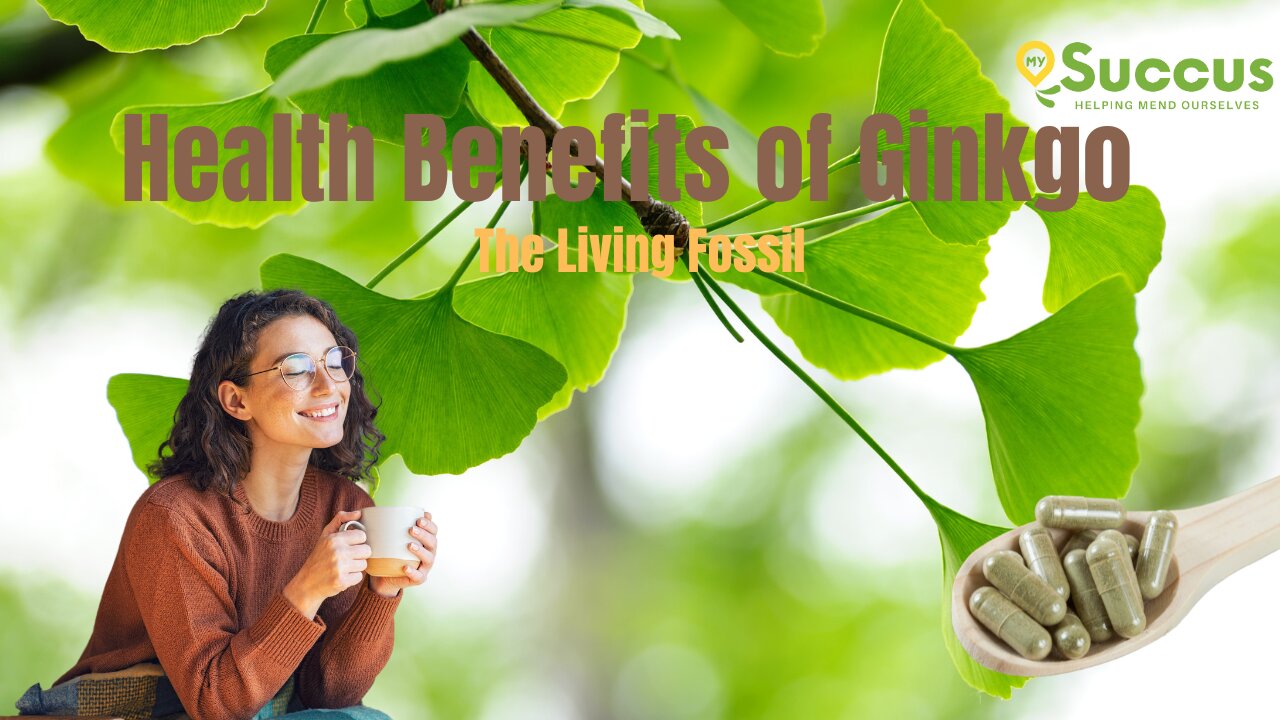
Health Benefits of Gingko Biloba - The Living Fossil
Ginkgo biloba, or maidenhair, is a tree native to China that has been grown for thousands of years for many different uses. Because it’s the only surviving member of an ancient order of plants, it’s sometimes referred to as a living fossil. While its leaves and seeds are often used in traditional medicine, modern research primarily focuses on ginkgo extract, which is made from the leaves. Ginkgo is associated with several health benefits, mostly focused on brain function and blood circulation. Ginkgo’s antioxidant content may be the reason behind many of its health claims. Ginkgo contains high levels of flavonoids and terpenoids, which are compounds known for their strong antioxidant effects. Antioxidants combat or neutralize the damaging effects of free radicals. Free radicals are highly reactive particles that are produced in the body during normal metabolic functions, such as converting food to energy or detoxification. Yet free radicals also have the potential to damage healthy tissues, that contribute to accelerated aging and disease development. Inflammation is part of the body’s natural response to injury or invasion by foreign substances. In the inflammatory response, various components of the immune system are recruited to fight against the foreign invader or heal the injured area. Some chronic diseases can trigger an inflammatory response even when there is no illness or injury present. Over time, this excessive inflammation can cause permanent damage to the body’s tissues and DNA. Some specific conditions in which ginkgo extract has shown to reduce inflammation include arthritis, inflammatory bowel disease (IBD), cancer, heart disease, and stroke.
Ginkgo’s apparent ability to increase blood flow to various parts of the body may be the origin of many of its claimed benefits. One older study in people with heart disease who took ginkgo revealed an immediate increase in blood flow to multiple parts of the body. This was attributed to a 12% increase in levels of circulating nitric oxide, which is responsible for dilating blood vessels. Additional research also points to ginkgo’s protective effects on heart health, brain health, and stroke prevention. There are multiple explanations for this, one may be because of the anti-inflammatory compounds present in the plant. Ginkgo has been evaluated for its ability to reduce anxiety, stress, and other symptoms associated with Alzheimer’s disease and cognitive decline which are linked to aging. Some studies show a marked reduction in the rate of cognitive decline in people with dementia using ginkgo. In one review involving 21 studies had revealed that when used along with conventional medicine, ginkgo extract may increase the functional capabilities of people with mild Alzheimer’s. Another review evaluated four studies and found a significant reduction in symptoms associated with dementia when ginkgo was used for 22–24 weeks. These positive results could be related to the role that ginkgo may play in improving blood flow to the brain. A handful of small, older studies support the claim that ginkgo may increase mental performance and perceived well-being. Results from studies state claims that link ginkgo to improved memory, focus, and attention span. Research suggests that ginkgo may reduce symptoms of anxiety. Studies have observed reductions in anxiety symptoms that may be attributed to the antioxidant content of ginkgo. Another study showed that older adults with post-stroke depression who took ginkgo biloba extract along with an antidepressant for 8 weeks experienced significant reductions in symptoms of depression compared to taking an antidepressant alone. In traditional medicine, ginkgo is a very popular treatment for headaches and migraines. It’s well known that ginkgo has anti-inflammatory and antioxidant effects. If a headache is related to reduced blood flow or constricted blood vessels, ginkgo’s ability to dilate blood vessels may improve symptoms. Research indicates that ginkgo may improve symptoms of asthma and other respiratory diseases like COPD. This is attributed to the anti-inflammatory compounds in ginkgo, which may allow for reduced inflammation of the airways and increased lung capacity. One study involving 75 people evaluated the use of ginkgo extract along with medication therapy for managing asthma symptoms. The levels of inflammatory compounds in the saliva of those who received ginkgo were significantly lower than those who received traditional medication alone. Another study involving 100 people had evaluated the use of a mixture of herbs, including ginkgo, for treating COPD symptoms. Those who used the herbal formula reported a considerable reduction in cough and bronchitis at a 3-month follow-up. Preliminary research indicates that ginkgo may help treat both the physical and psychological symptoms of premenstrual syndrome (PMS).
-
 1:13:04
DeVory Darkins
2 hours agoTrump makes stunning admission regarding the economy as Democrats Suffer MASSIVE MISSTEP
108K37 -
 LIVE
LIVE
Dr Disrespect
3 hours ago🔴LIVE - DR DISRESPECT - TARKOV 1.0 - THE VIOLENCE EVOLVES
1,234 watching -
 2:44:40
Barry Cunningham
3 hours agoBREAKING LIVE: President Trump Hits The Road! What To Expect | Time For The Rise Of REAL MAGA!
17.6K13 -
 20:43
20:43
Stephen Gardner
19 hours agoTrump CRUSHES Tim Walz: Ilhan Omar Fraud Ties Surface
19.3K56 -
 1:01:00
HotZone
13 days ago $0.42 earned"Teen Trend" Takeovers: Chaos Exploding Across America’s Cities
5.75K6 -
 2:08:37
Side Scrollers Podcast
4 hours agoNetflix/WB Will RUIN Entertainment + Anita Sarkessian “doesn’t deserve hate” + More | Side Scrollers
11.7K3 -
 LIVE
LIVE
Badlands Media
10 hours agoGeopolitics with Ghost Ep. 63 - December 9, 2025
913 watching -
 58:19
58:19
Timcast
3 hours agoCandace Owens Is A Spiritual Leftist
143K235 -
 2:08:18
Steven Crowder
6 hours agoBe Careful - Woke Isn't Dead Yet & Netflix Proves It
400K227 -
 1:11:12
Sean Unpaved
3 hours agoKevin Stefanski Names Shedeur Sanders STARTING QB For Rest Of Season! | UNPAVED
16.5K