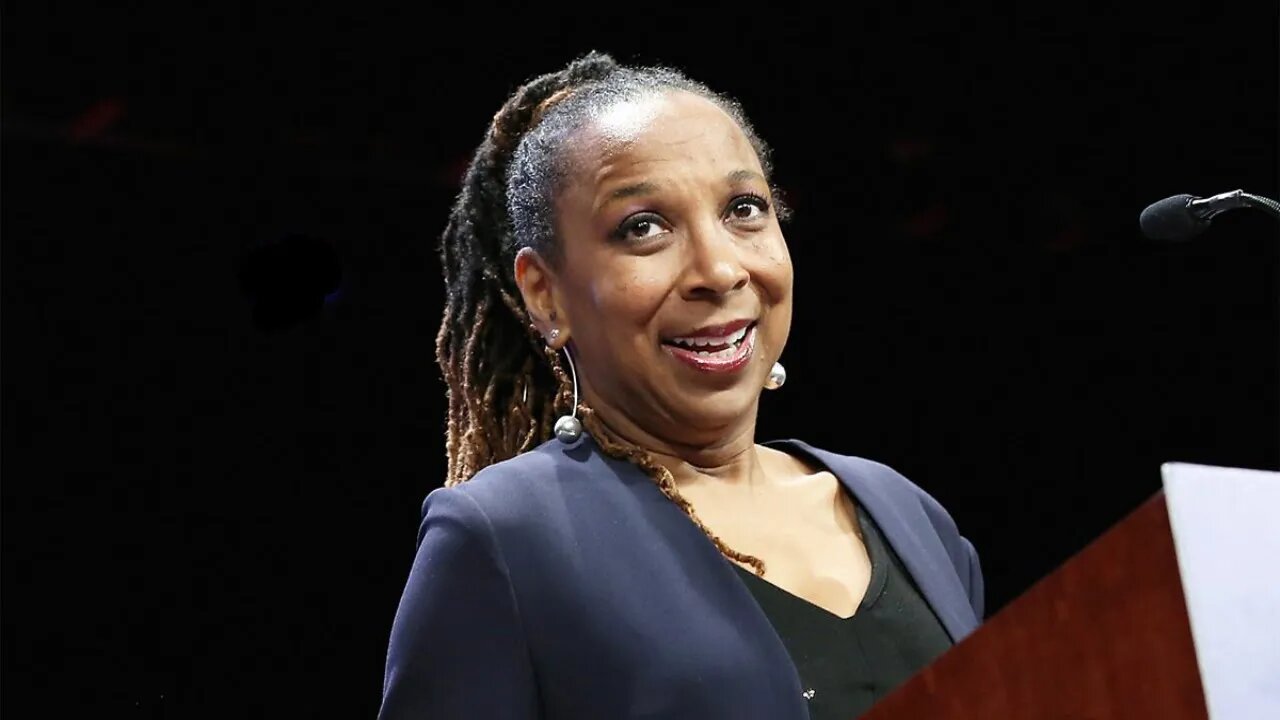
Race, Reform, and Retrenchment by Kimberle Crenshaw: Section 3
Race, Reform, and Retrenchment by Kimberle Crenshaw: Section 3
In this video, I dive into the third section of Kimberlé Crenshaw's seminal article, "Race, Reform, and Retrenchment: Transformation and Legitimation in Antidiscrimination Law." This section unpacks the transformative vision of Critical Legal scholars and scrutinizes its limitations, especially when it comes to addressing racial oppression.
So, what do Critical Legal scholars propose? They argue that ideology is the main barrier to social change. By exposing this ideology, they believe we can reveal the shaky foundations of our legal and social systems, allowing us to reimagine and reshape our world. Sounds promising, right?
Well, Crenshaw has some reservations. She points out that while these scholars are busy dissecting mainstream legal ideology, they often neglect racism as a foundational pillar that upholds American society. This glaring omission makes their analysis incomplete and their recommendations, especially for Black Americans, somewhat unrealistic.
But that's not all. Crenshaw also highlights that these scholars often operate in a theoretical bubble, disconnected from the lived experiences of racially oppressed communities. This detachment limits the applicability of their work, particularly when it comes to understanding the civil rights movement and the unique challenges that Black Americans face.
Now, let's talk about the tactic of "trashing" liberal legal ideology, a popular approach among Critical scholars. While this might expose the limitations of our current legal discourse, Crenshaw questions its practical utility. She argues that the very process of legitimation, which these scholars aim to challenge, both creates and restricts opportunities for meaningful change.
So, what are the key takeaways? First, Critical scholars often overlook the crucial role of racism in American society. Second, there's a disconnect between their theoretical framework and the lived experiences of racially oppressed communities. Third, while they may be good at critiquing the system, they offer little in the way of practical guidance for navigating it. And lastly, the need to maintain social legitimacy can both open and close doors for transformative change.
In conclusion, Crenshaw calls for a more nuanced approach. She argues that any effective strategy for social change must be deeply rooted in the lived experiences and specific needs of racially oppressed communities.
-
 2:04:48
Side Scrollers Podcast
4 hours agoRIP Blabs + Hasan ROASTED at Streamer Awards + Xbox HUMILIATED... Again + More | Side Scrollers
25.8K6 -
 1:06:00
Sean Unpaved
3 hours agoTime For Notre Dame To JOIN A CONFERENCE! | UNPAVED
13.3K -
 2:21:04
Steven Crowder
5 hours agoThe Cinnabon N-Bomb: We Just Don't Care Anymore
395K401 -
 1:07:57
The Rubin Report
4 hours ago‘Shark Tank’ Legend Notices Something in Drug Boat Strike Others Are Unwilling to See
48.1K62 -
 LIVE
LIVE
LFA TV
18 hours agoLIVE & BREAKING NEWS! | MONDAY 12/08/25
1,972 watching -
 1:45:18
The Mel K Show
4 hours agoMORNINGS WITH MEL K - The Destruction of the Old Guard-The Chessboard has Flipped - 12-8-25
34.6K7 -
 1:01:05
VINCE
6 hours agoStop the Somali Steal | Episode 183 - 12/08/25 VINCE
255K168 -
 1:27:39
Benny Johnson
5 hours agoUkraine In COLLAPSE: Zelensky To Resign for Corruption? Ilhan Omar Somali Fraud CAUGHT, $30M Profit…
83.8K89 -
 3:26:12
Nikko Ortiz
4 hours agoTop Military Fails And Try Not To Cringe... | Rumble LIVE
32.4K -
 LIVE
LIVE
LadyDesireeMusic
5 hours ago $1.75 earnedLive Piano Music & Convo - Bob Ross Vibes
75 watching