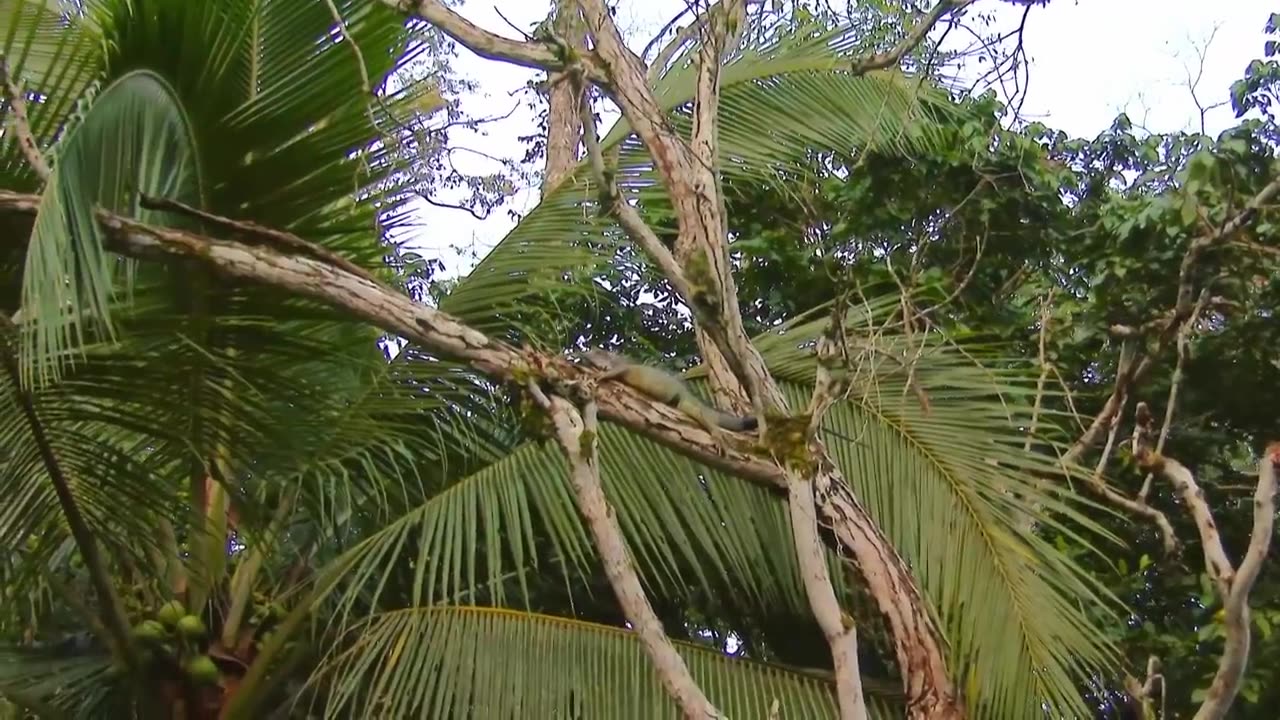
Wildlife Instincts Survival Techniques - Iguana vs. Basilisk
When comparing the wildlife instincts and survival techniques of iguanas and basilisks, two reptiles found in the tropical regions of the Americas, you can observe some interesting differences and adaptations:
Iguana:
Herbivorous Diet: Iguanas are primarily herbivores, feeding on leaves, fruits, and flowers. Their diet helps them conserve energy and avoid the need for high-risk predation.
Territorial Behaviour: Many iguana species are territorial and defend their feeding and basking areas. They use displays and head-bobbing movements to communicate and establish dominance.
Tail Autotomy: Iguanas have the ability to detach their tails when threatened by predators. The detached tail wriggles, distracting the predator and allowing the iguana to escape. The tail later regrows.
Basking: Iguanas are ectothermic, which means they rely on external sources of heat to regulate their body temperature. They often bask in the sun to warm up and become more active.
Basilisk (Jesus Christ Lizard):
Insectivorous Diet: Basilisks primarily feed on insects and other small invertebrates. Their diet provides them with the necessary energy for their active lifestyle.
Arboreal Lifestyle: Basilisks are highly arboreal (tree-dwelling) and are often found near bodies of water. When threatened, they have the remarkable ability to run on the surface of water for short distances, earning them the nickname "Jesus Christ Lizard."
Cryptic Coloration: Basilisks often have cryptic coloration, which helps them blend into their surroundings and avoid detection by predators.
Diurnal Behaviour: Basilisks are diurnal, meaning they are active during the daytime. This behaviour allows them to take advantage of daylight to forage for food and thermoregulate.
Parental Care: Female basilisks lay eggs, and both males and females exhibit parental care. They may guard their nests and provide some protection for their offspring.
Agility and Speed: Basilisks are known for their agility and speed, which they use to escape from predators. Their ability to run on water is a remarkable adaptation to evade terrestrial threats.
While iguanas and basilisks share some common reptilian traits, such as basking to regulate body temperature, they have evolved different survival strategies based on their diet, habitat, and natural predators. Iguanas tend to rely on territorial behaviour and tail autotomy, while basilisks have developed exceptional agility and the ability to run on water to escape from danger, making them fascinating examples of adaptation in the world of reptiles.
-
 LIVE
LIVE
Decoy
1 hour agoIt just got real
263 watching -
 LIVE
LIVE
SethDrums
1 hour agoLIVE DRUM STREAM
85 watching -
 LIVE
LIVE
LFA TV
20 hours agoLIVE & BREAKING NEWS! | MONDAY 2/2/26
1,114 watching -
 LIVE
LIVE
John Crump Live
49 minutes agoBanks Break On Firearms Policy
49 watching -
 LIVE
LIVE
freecastle
5 hours agoTAKE UP YOUR CROSS- Do not take REVENGE, my dear friends, but leave room for GOD'S WRATH!
36 watching -
 DVR
DVR
vivafrei
2 hours agoMaking Sense of the Madness - w/ Lawyer Ron Coleman! Grammy Garbage! Legal Scandal in Canada & MORE!
27.2K15 -
 1:44:56
The Quartering
4 hours agoDAN BONGINO HAS MASSIVE RETURN, EPSTEIN FILES CHAOS, GRAMMYS WOKE FAIL, THE TRANS RECKONING BEGINS
174K57 -
 42:06
42:06
Stephen Gardner
5 hours agoI Can’t Believe What Trump PULLED OFF!
19.2K23 -
 21:40
21:40
Robbi On The Record
7 hours ago $0.69 earnedWhat's really in the water.. (from the owner of a water company)
16.5K5 -
![[Ep 837] Out of Touch Grammy’s | Teachers & Parents Using Kids as Protestors](https://1a-1791.com/video/fwe2/6a/s8/1/q/1/6/V/q16Vz.0kob-small-Ep-837-Out-of-Touch-Grammys.jpg) LIVE
LIVE
The Nunn Report - w/ Dan Nunn
5 hours ago[Ep 837] Out of Touch Grammy’s | Teachers & Parents Using Kids as Protestors
131 watching