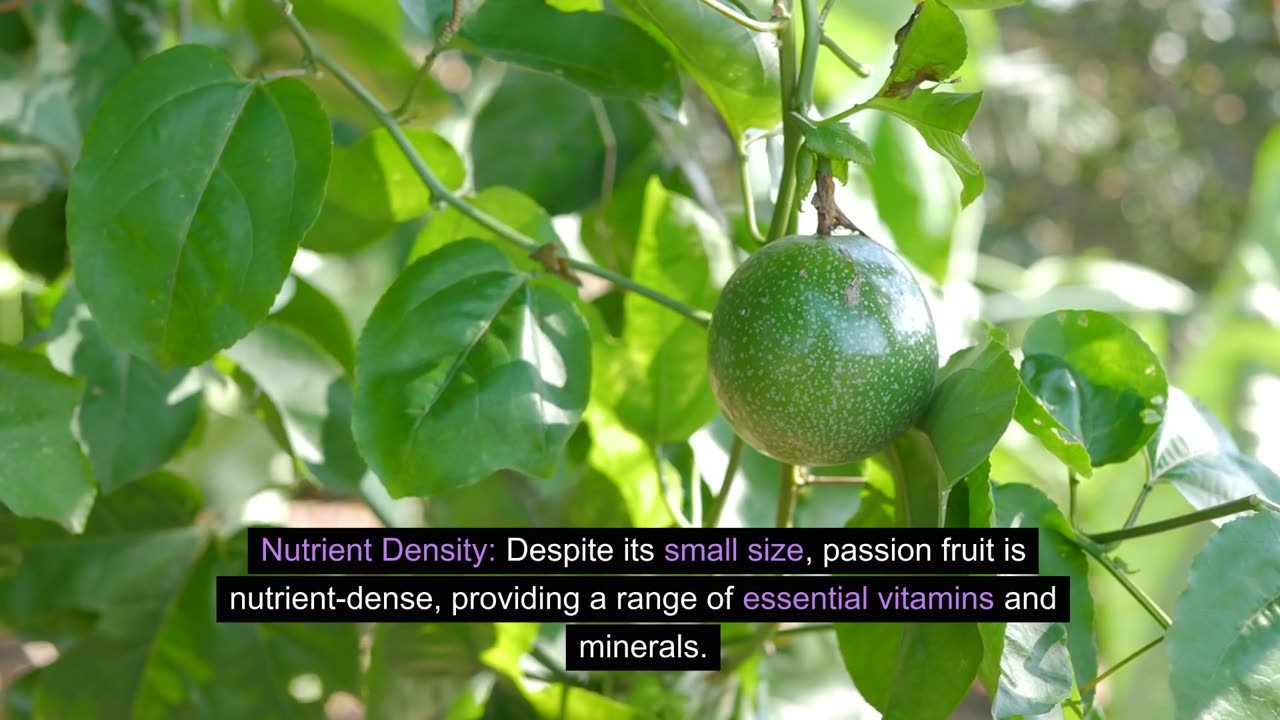
Things you may not know about this exotic fruit passion fruit.
Vitamins: Passion fruit is a good source of vitamin C, vitamin A, and various B vitamins such as riboflavin (B2) and niacin (B3).
Dietary Fiber: It is high in dietary fiber, which is beneficial for digestive health.
Minerals: Passion fruit contains minerals such as potassium, iron, and copper.
Antioxidants: The fruit is rich in antioxidants, including carotenoids and polyphenols, which help combat oxidative stress in the body.
Carbohydrates: It contains natural sugars like fructose and glucose.
Protein: While not a high-protein fruit, passion fruit does provide some protein.
Health Pros:
Rich in Antioxidants: Antioxidants in passion fruit may help protect cells from damage caused by free radicals, potentially reducing the risk of chronic diseases.
Vitamin C Boost: Passion fruit is an excellent source of vitamin C, contributing to a healthy immune system, skin health, and collagen production.
Dietary Fiber: The high fiber content supports digestive health, helps regulate blood sugar levels, and may aid in weight management.
Heart Health: Potassium in passion fruit can contribute to maintaining healthy blood pressure levels.
Iron Absorption: The vitamin C content enhances the absorption of non-heme iron from plant-based foods, making it beneficial for individuals with iron-deficiency anemia.
Low in Calories: Passion fruit is relatively low in calories, making it a healthy snack option for those watching their calorie intake.
Cons:
Natural Sugars: While the sugars in passion fruit are natural, people with certain health conditions like diabetes should monitor their intake.
Allergies: Some individuals may be allergic to passion fruit, leading to symptoms such as itching, hives, or swelling.
Acidity: The fruit's high acidity may be problematic for individuals with acid reflux or sensitive stomachs.
Not a Protein Source: While it provides some protein, it's not a significant source, so those with high protein needs should supplement with other protein-rich foods.
Interactions with Medications: Passion fruit may interact with certain medications, so individuals taking prescription drugs should consult their healthcare provider.
Facts:
Origin: Passion fruit is native to South America but is now grown in many tropical and subtropical regions worldwide.
Varieties: There are various varieties of passion fruit, and they can differ in taste, size, and color. Common varieties include purple, yellow, and giant passion fruit.
Versatility: Passion fruit can be consumed fresh, juiced, or used in various culinary applications, such as desserts, sauces, and beverages.
Culinary Uses: The aromatic and tangy flavor of passion fruit makes it a popular addition to fruit salads, smoothies, desserts, and cocktails.
Nutrient Density: Despite its small size, passion fruit is nutrient-dense, providing a range of essential vitamins and minerals.
-
 LIVE
LIVE
Welsh Girl
8 hours agoFinding Our Path 💫 Level 12 Blood Elf Rogue - World of Warcraft Classic LIVE
173 watching -
 LIVE
LIVE
Father Russell
1 hour agoMonolith Zeta | Active Matter | Time To Talk
87 watching -

BlackxGhostxFace
3 hours ago🔴I Have Returned To The ZZZ Adventures | Zenless Zone Zero #6
10 -
 40:49
40:49
American Thought Leaders
14 hours agoDr. Mehmet Oz: Up to $4 Billion in Healthcare Fraud in California
13K3 -
 23:30
23:30
Athlete & Artist Show
13 hours ago $0.20 earnedRIOT POLICE AT THE SLOVENIAN CUP!?
7.45K -
 16:17
16:17
Nicholas Bowling
17 hours ago $0.38 earnedDo All Religions Lead to God? College Student Questions Christianity
6.91K5 -
 9:45
9:45
MattMorseTV
1 day ago $22.37 earnedIt's actually HAPPENING...
153K236 -
 24:19
24:19
GritsGG
1 day agoInsane Trios Clutch on Warzone (Last Man Up)!
17.6K2 -
 11:39
11:39
MetatronHistory
14 hours agoBurgundian Knights - History and Armor
23.1K3 -
 LIVE
LIVE
Lofi Girl
2 years agoSynthwave Radio 🌌 - beats to chill/game to
504 watching