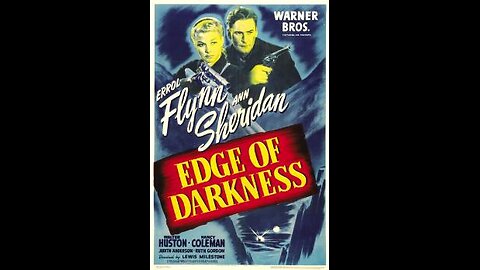
Edge of Darkness (1943) | Directed by Lewis Milestone

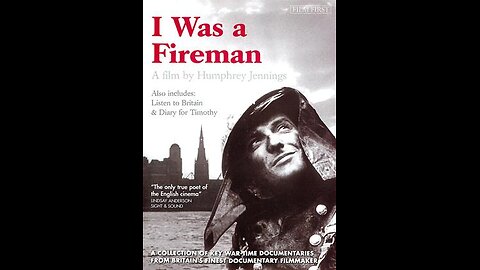
I Was a Fireman (aka Fires Were Started) (1943) | Directed by Humphrey Jennings

Candlelight in Algeria (1944) | Directed by George King
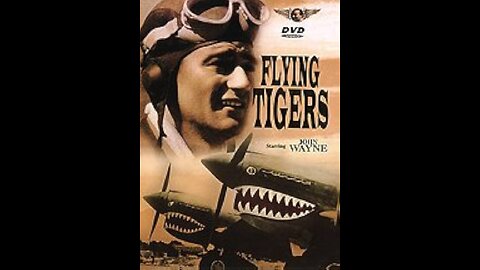
Flying Tigers (1940) | Directed by David Miller
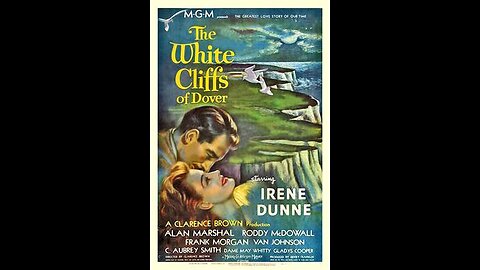
The White Cliffs of Dover (1944) | Directed by Clarence Brown
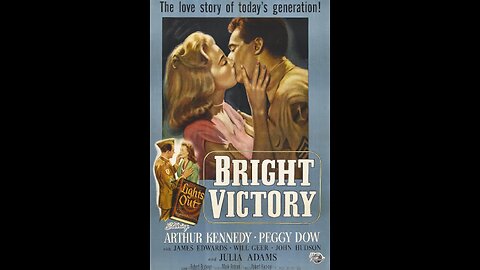
Bright Victory (1951) | Directed by Mark Robson
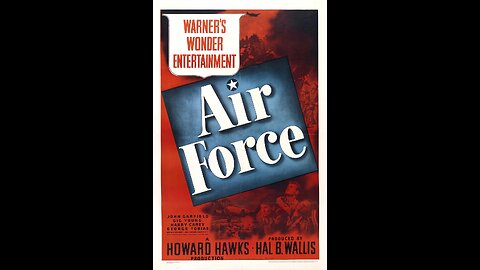
Air Force (1943) | Directed by Howard Hawks
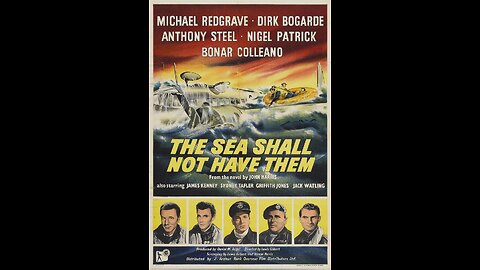
The Sea Shall Not Have Them (1954) | Directed by Lewis Gilbert
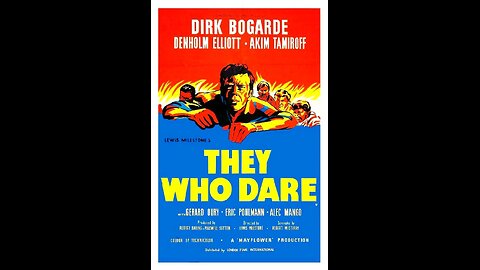
They Who Dare (1954) | Directed by Lewis Milestone
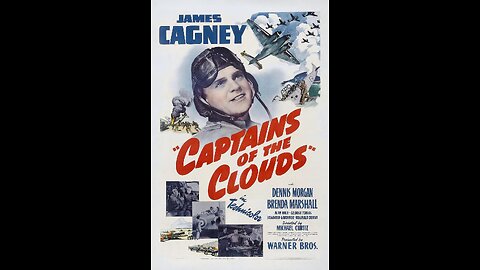
Captains of the Clouds (1942) | Directed by Michael Curtiz

The Caine Mutiny (1954) | Directed by Edward Dmytryk
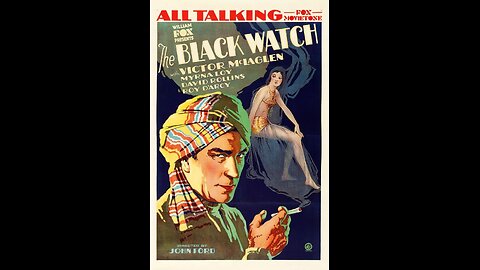
The Black Watch (1929) | Directed by John Ford

Fear and Desire (1953) | American war film directed by Stanley Kubrick
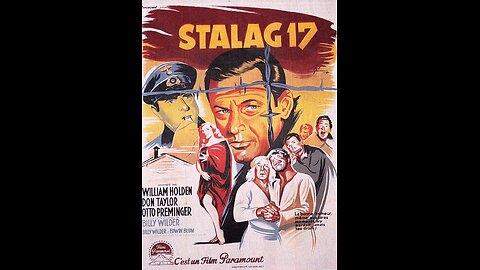
Stalag 17 (1953) | Directed by Billy Wilder
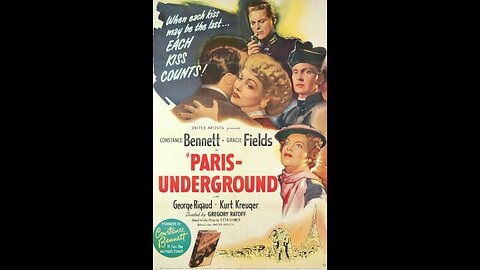
Paris Underground / Madame Pimpernel (1945) | American war film directed by Gregory Ratoff
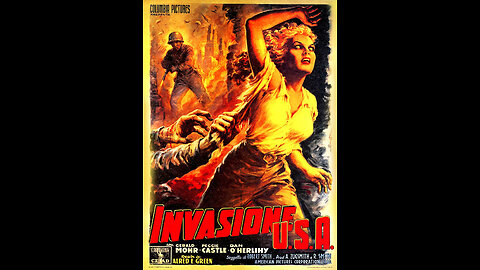
Invasion, U.S.A. (1952) | American Cold War-era film directed by Alfred E. Green
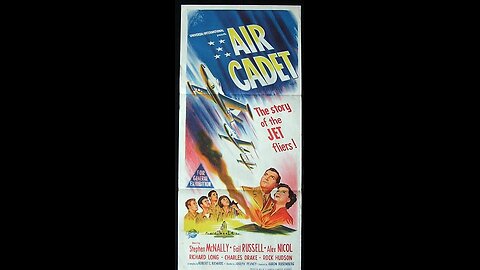
Air Cadet (1951) | American war film directed by Joseph Pevney & starring Rock Hudson
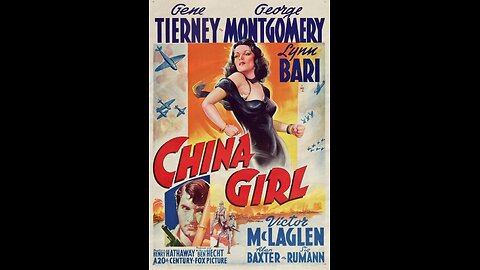
China Girl (1942) | War film directed by Henry Hathaway

Submarine Base (1943) | A war film directed by Albert H. Kelley

The Desert Fox: The Story of Rommel (1951) | Biographical war film directed by Henry Hathaway

Tonight We Raid Calais (1943) | World War II spy thriller directed by John Brahm

A Wing and a Prayer (1944) | A war film directed by Henry Hathaway
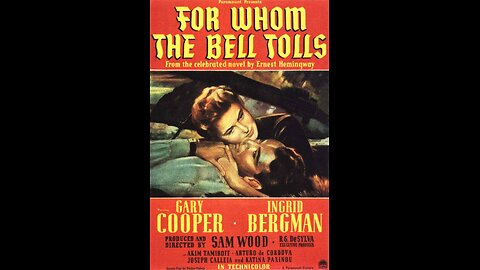
For Whom the Bell Tolls (1943) | A epic war drama directed by Sam Wood

Man Hunt (1941) | Directed by the legendary Fritz Lang

The Red Beret / Paratrooper (1953) | British war film directed by Terence Young
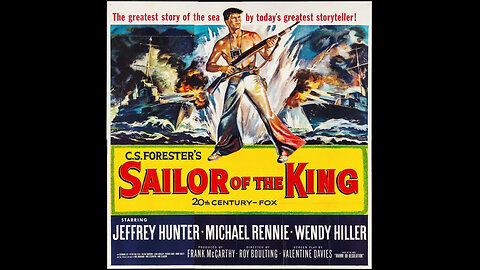
Sailor of the King (1953) | Directed by Roy Boulting

Crash Dive (1943) | World War II drama directed by Archie Mayo

The Purple Heart (1944) | Directed by Lewis Milestone
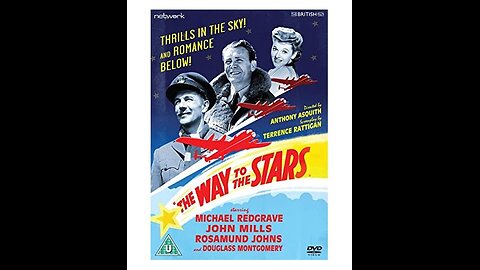
The Way to the Stars (1945) | Directed by Anthony Asquith

Thunder Birds: Soldiers of the Air (1942) | Directed by William A. Wellman
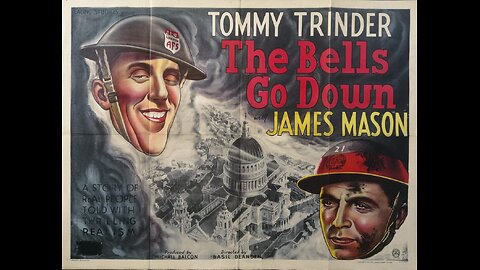
The Bells Go Down (1943) | Directed by Basil Dearden and Charles Frend

The Silver Fleet (1943) | Directed by Vernon Sewell and Gordon Wellesley

The Pied Piper (1942) | Directed by Irving Pichel
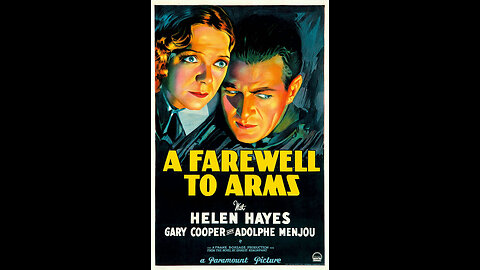
A Farewell to Arms (1932) | Directed by Frank Borzage
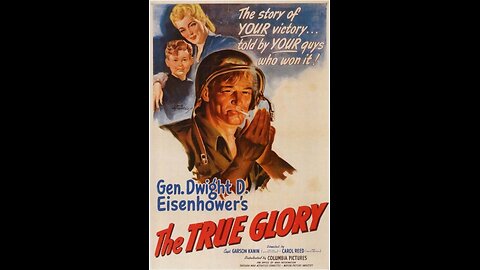
The True Glory (1945) | Directed by Carol Reed and Garson Kanin
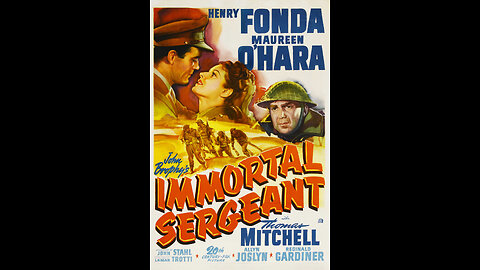
Immortal Sergeant (1943) | Directed by John M. Stahl
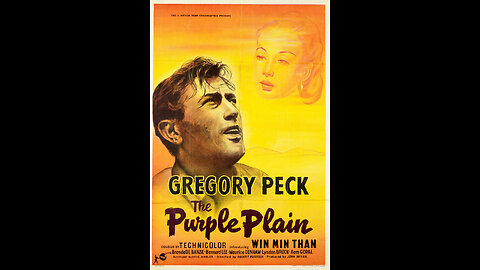
The Purple Plain (1954) | Directed by Robert Parrish

American Guerrilla in the Philippines (1950) | Directed by Fritz Lang

A Walk in the Sun (1945) | Directed by Lewis Milestone
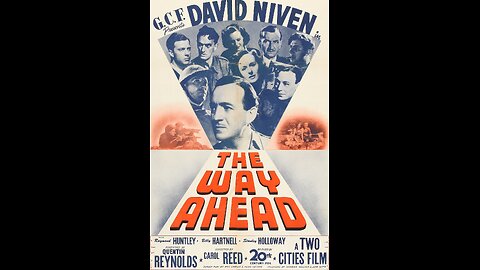
The Way Ahead (1945) | Directed by Carol Reed
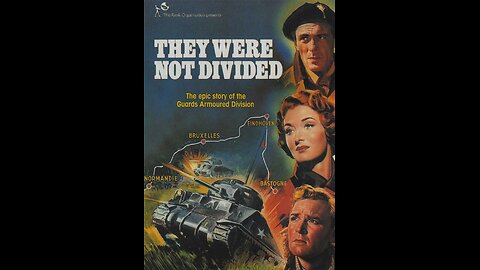
They Were Not Divided (1950) | Directed by Terence Young
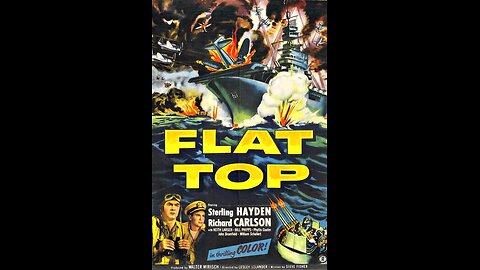
Flat Top (1952) | A war film directed by Lesley Selander
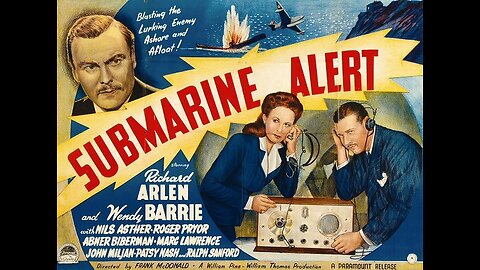
Submarine Alert (1943) | A war film directed by Frank McDonald

Malta Story (1953) | Focuses on the historical events surrounding the Siege of Malta

The Fighting Sullivans (1944) | A war film based on the true story of the five Sullivan brothers

Submarine Raider (1942) | A war film directed by Lew Landers

Destroyer (1943) | A war film directed by William A. Seiter

Blood on the Sun (1945) | A film noir and war drama directed by Frank Lloyd
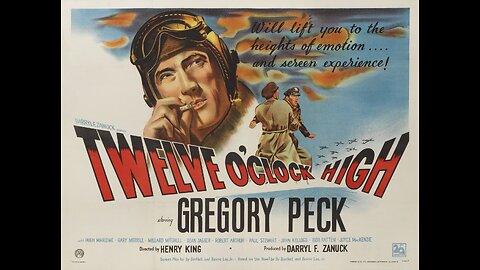
Twelve O'Clock High (1949) | A 1949 American war film directed by Henry King & starring Gregory Peck

To the Shores of Tripoli (1942) | A 1942 war film directed by H. Bruce Humberstone
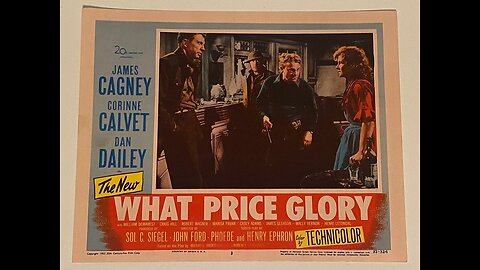
What Price Glory (1952) | A war film directed by John Ford and starring James Cagney

The North Star (1943) | A war film directed by Lewis Milestone
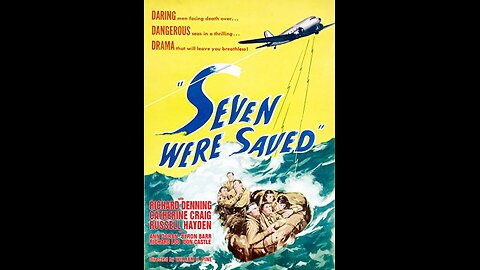
Seven Were Saved (1947) | A 1947 American drama film directed by William H. Pine

49th Parallel (1941) | WWII movie directed by Michael Powell with Laurence Olivier
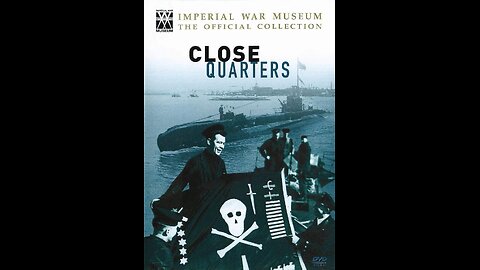
Close Quarters (1943) | Directed by Jack Hively

Three Came Home (1950) | Directed by Jean Negulesco

The Cruel Sea (1953) | Directed by Charles Frend

China Venture (1953) | Directed by Don Siegel
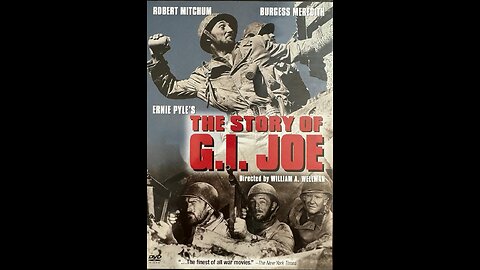
The Story of G.I. Joe (1945) | Directed by William A. Wellman
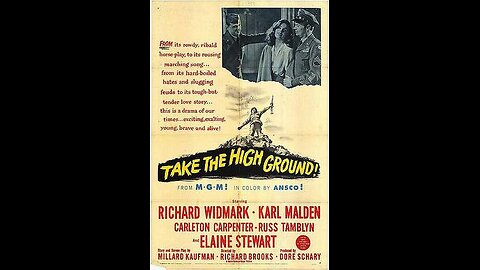
Take the High Ground! (1953) | Directed by Richard Brooks

The Frogmen (1951) | Directed by Lloyd Bacon

This Above All (1942) | Directed by Anatole Litvak
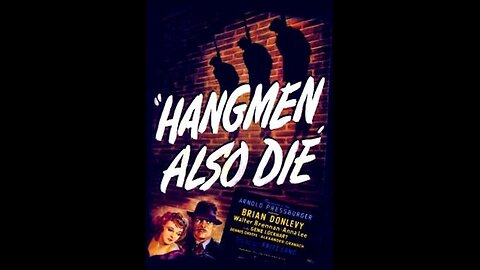
Hangmen Also Die! (1943) | Directed by Fritz Lang
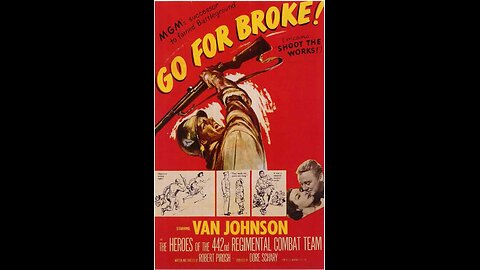
Go for Broke! (1951) | Directed by Robert Pirosh
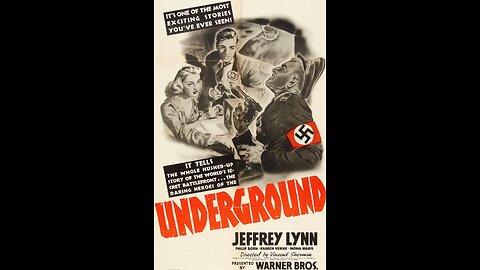
Underground (1941) | Directed by Vincent Sherman
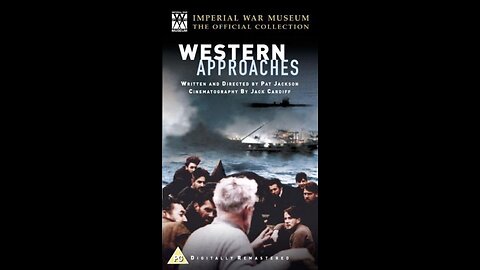
Western Approaches (1944) | Directed by Pat Jackson

Submarine Command (1951) | Directed by John Farrow

Theirs Is the Glory (1946) | Directed by Brian Desmond Hurst

Flight Nurse (1953) | Directed by Allan Dwan
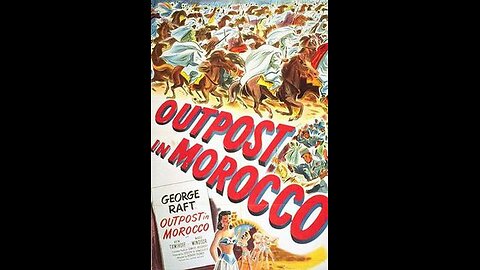
Outpost in Morocco (1949) | Directed by Robert Florey

Sundown (1941) | Directed by Henry Hathaway

The Navy Way (1944) | Directed by William Berke
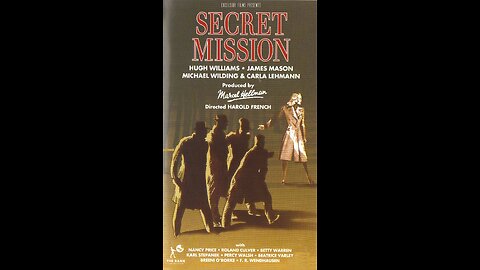
Secret Mission (Secret Mission: Casablanca in USA) (1942 | Directed by Harold French

Guerrilla Girl (1953) | Directed by John Christian

Gung Ho! (1943) | Directed by Ray Enright

China (1943) | Directed by John Farrow

Hell's Angels (1930) | Directed by Howard Hughes
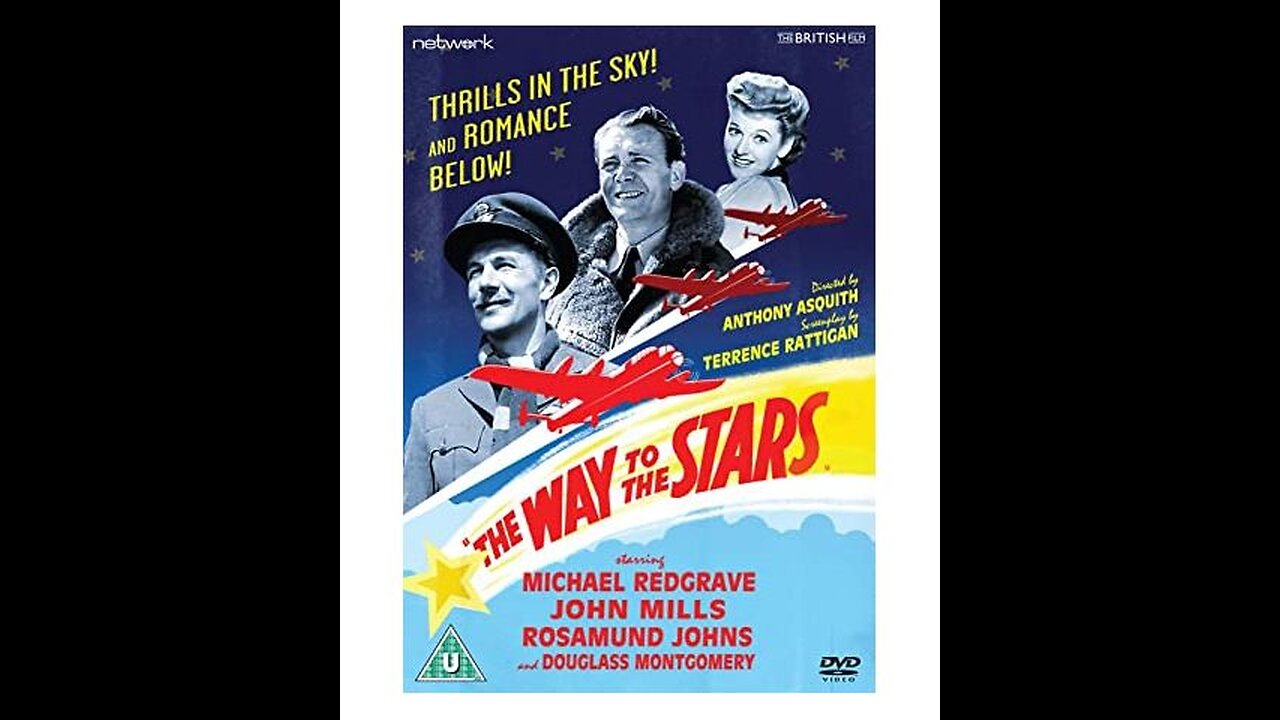
The Way to the Stars (1945) | Directed by Anthony Asquith
"The Way to the Stars," also known as "Johnny in the Clouds," is a 1945 British war film directed by Anthony Asquith. The film unfolds against the backdrop of World War II and is set in a Royal Air Force (RAF) Bomber Command station. It primarily focuses on the relationships and experiences of the RAF pilots and ground crew stationed at the base.
The film features an ensemble cast portraying a diverse group of characters, including pilots, ground crew, and civilians. Notable characters include Squadron Leader Peter Penrose (Michael Redgrave), Flight Lieutenant David Archdale (John Mills), and Nurse Iris Winterton (Rosamund John).
The characters' interactions and relationships provide a human touch to the war narrative.
Friendship and Camaraderie:
The film explores the bonds of friendship and camaraderie among the RAF personnel, highlighting the shared experiences, fears, and losses they endure during the war.
The characters find solace and support in their connections with each other, creating a sense of unity in the face of adversity.
Romantic Subplots:
Romantic subplots, particularly the relationship between Peter Penrose and Iris Winterton, add emotional depth to the narrative. The challenges of maintaining relationships during wartime are depicted with sensitivity.
Aerial Sequences:
"The Way to the Stars" incorporates thrilling aerial sequences, capturing the intensity and danger of air combat. The film benefits from realistic depictions of flying and bombing missions, adding a sense of authenticity to the war scenes.
Homefront Perspectives:
The film provides glimpses into the lives of civilians on the homefront, emphasizing the impact of war on families and communities. This dual perspective enhances the storytelling by depicting the war's effects beyond the battlefield.
Cinematography and Visuals:
The cinematography, directed by Derrick Williams, captures both the sweeping landscapes and the intimate moments within the RAF station. The film balances grand aerial shots with poignant close-ups, effectively conveying the emotional spectrum of wartime experiences.
Score and Music:
The musical score, composed by Nicholas Brodzsky, complements the film's emotional tone. The music enhances key scenes and contributes to the overall atmosphere, creating a poignant backdrop for the characters' journeys.
Realism and Authenticity:
"The Way to the Stars" is praised for its commitment to realism and authenticity. The film avoids glamorizing war and instead focuses on the human side of the conflict, portraying the challenges and sacrifices faced by those involved.
The film received critical acclaim for its storytelling, performances, and the portrayal of the psychological and emotional toll of war.
The ensemble cast's performances, in particular, were lauded for bringing depth and nuance to their respective roles.
"The Way to the Stars" remains a classic war film that has endured over the years. Its emphasis on character-driven storytelling and the human cost of war contributes to its lasting impact.
Released in the final years of World War II, the film captures a snapshot of the wartime experience, offering audiences a reflection on the sacrifices made by those serving in the RAF.
"The Way to the Stars" is a poignant and realistic portrayal of wartime experiences, blending personal dramas with thrilling aerial sequences. The film's enduring legacy lies in its ability to humanize the individuals involved in the conflict, making it a compelling exploration of friendship, love, and resilience in the face of war. As a classic war film, it stands as a testament to the enduring impact of human connections amidst the challenges of a tumultuous era.
-
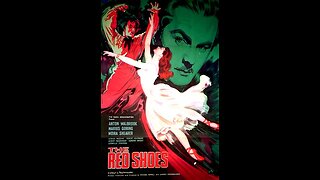 2:15:29
Classic Films & Movies Archive
7 days agoThe Red Shoes (1948) | Directed by Michael Powell & Emeric Pressburger
191 -
 LIVE
LIVE
vivafrei
2 hours agoBREAKING: Jan. 6 Pipe Bomber Prosecutor is the SAME ONE Who Prosecuted Enrique Tarrio?
6,062 watching -
 20:08
20:08
MYLUNCHBREAK CHANNEL PAGE
6 hours agoThe Field Museum is From Another Timeline
3.13K2 -
 LIVE
LIVE
SpartakusLIVE
2 hours agoSOLOS on ARC Raiders || WZ Stream LATER
2,373 watching -
 LIVE
LIVE
Side Scrollers Podcast
5 hours agoSide Scrollers Presents: QUEEN OF THE Wii
434 watching -
 LIVE
LIVE
GritsGG
4 hours agoBO7 Warzone Is Here! Win Streaking! New Leaderboard?
343 watching -
 1:00:55
Jeff Ahern
4 hours ago $6.55 earnedThe Saturday show with Jeff Ahern
37.8K15 -
 LIVE
LIVE
Ouhel
6 hours agoSATURDAY | Battlefield 6 | Going for the Queen in Arc after | O'HELL LIVE |
60 watching -
 LIVE
LIVE
ShivEmUp
4 hours ago🔴LIVE🔴🔵Battlefield 6🔵Game Changing Updates?🔵Grumpy Bird🔵
55 watching -
 LIVE
LIVE
Grant Cardone
6 hours agoHow to Find Your First $1million Profit In Real Estate
973 watching