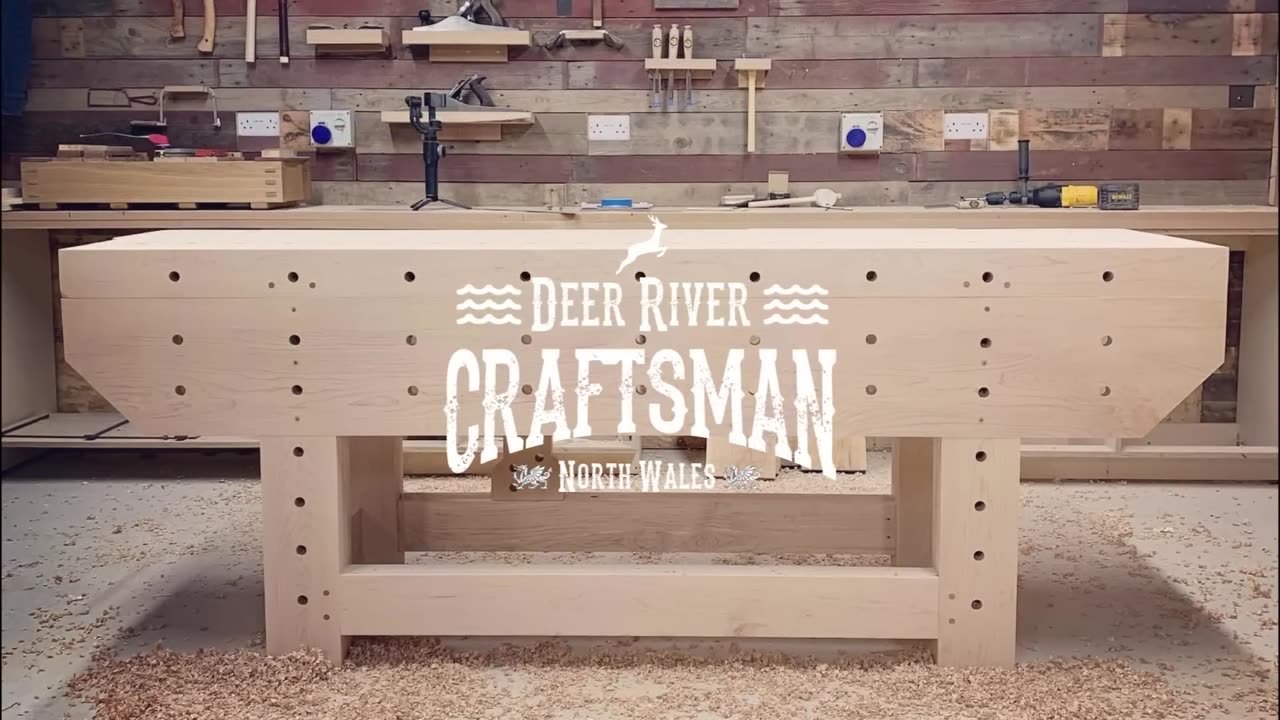
𝓣𝓱𝓮 𝓦𝓸𝓻𝓴𝓫𝓮𝓷𝓬𝓱: 𝓣𝓻𝓪𝓭𝓲𝓽𝓲𝓸𝓷𝓪𝓵 𝓙𝓸𝓲𝓷𝓮𝓻𝔂 𝓑𝓮𝓷𝓬𝓱
Materials Gathering:
Begin by gathering high-quality wood, such as beech, maple, or oak, for the workbench. Ensure the lumber is straight, free of knots, and properly dried.
Design Planning:
Plan the dimensions and design of the workbench based on your needs and available space. Consider factors like height, width, and depth, as well as the type of joinery you'll be performing.
Lumber Preparation:
Cut the lumber to the desired lengths for the workbench components, including the legs, stretchers, top, and any additional features such as vises or tool trays.
Joinery Techniques:
Use traditional joinery techniques such as mortise and tenon, dovetail, or tongue and groove to connect the workbench components securely. Pay careful attention to accuracy and precision in your joinery work.
Assembly:
Assemble the workbench frame by joining the legs and stretchers together using the chosen joinery techniques. Ensure the frame is sturdy and square before proceeding.
Top Construction:
Construct the workbench top by laminating multiple boards together to create a thick, stable surface. Flatten and smooth the top using hand planes or power tools to ensure it is perfectly flat and level.
Vise Installation (Optional):
If desired, install woodworking vises such as a front vise and tail vise to the workbench. Follow the manufacturer's instructions for proper installation and adjustment.
Finishing Touches:
Sand all surfaces of the workbench to remove any rough spots and achieve a smooth finish. Apply a protective finish such as oil or polyurethane to protect the wood and enhance its appearance.
Testing and Adjustment:
Test the stability and functionality of the workbench by applying pressure to different areas and testing the vises. Make any necessary adjustments to ensure everything functions smoothly.
Workbench Accessories (Optional):
Consider adding accessories such as bench dogs, holdfasts, or tool storage solutions to customize the workbench to your specific needs.
Final Inspection:
Once complete, inspect the workbench thoroughly to ensure it meets your expectations in terms of stability, functionality, and appearance.
Utilization:
Begin using your traditional joinery bench for woodworking projects with confidence, knowing it was crafted with care and precision to serve as a reliable and indispensable tool in your workshop.
By following these steps, you can create a traditional joinery bench that will serve as a sturdy and reliable foundation for your woodworking endeavors for years to come.
-
 LIVE
LIVE
Decoy
1 hour agoFinally
3,205 watching -
 LIVE
LIVE
TimcastIRL
2 hours agoTrump Calls Democrat RETARDED, Whistleblower EXPOSES Democrat FRAUD | Timcast IRL
17,602 watching -
 LIVE
LIVE
Akademiks
1 hour agoMeg Thee Stallion spent $2 mil on lawyers to win $59k vs Milagro! 50 Cent BURIES Diddy. SNAKES HIM!
1,134 watching -
 LIVE
LIVE
SpartakusLIVE
1 hour agoI'M BACK from Florida || The RETURN to the Spartan Stronghold
286 watching -
 LIVE
LIVE
Joker Effect
47 minutes agoWhy is everything so DIFFICULT?! Cuffem, Gypsy Crusader, WVAGABOND is getting SUED?! IDuncle is mad!
404 watching -
 LIVE
LIVE
Flyover Conservatives
20 hours agoInside the Kill Zones: Kidnappings, Camps & the War on Nigerian Christians Exposed - Judd Saul | FOC Show
191 watching -
 1:02:35
MattMorseTV
2 hours ago🔴We just got the CONFIRMATION.🔴
14.6K23 -
 1:24:52
Glenn Greenwald
4 hours agoTrump Admin Preparing for New Regime-Change War Against Venezuela; Who Should Win Anti-Semite of the Year? See the Top 10 Finalists | SYSTEM UPDATE #551
92.8K48 -
 23:12
23:12
Jasmin Laine
6 hours agoCBC TURNS on Carney—Poilievre Speech Goes VIRAL, ROASTS Canada’s Elites
12.7K15 -
 1:16:21
The Daily Signal
4 hours ago $0.89 earned🚨BREAKING: Tim Walz Self-Destructs Over BILLIONS in Fraud Under His Watch, War Crime Allegations
14K2