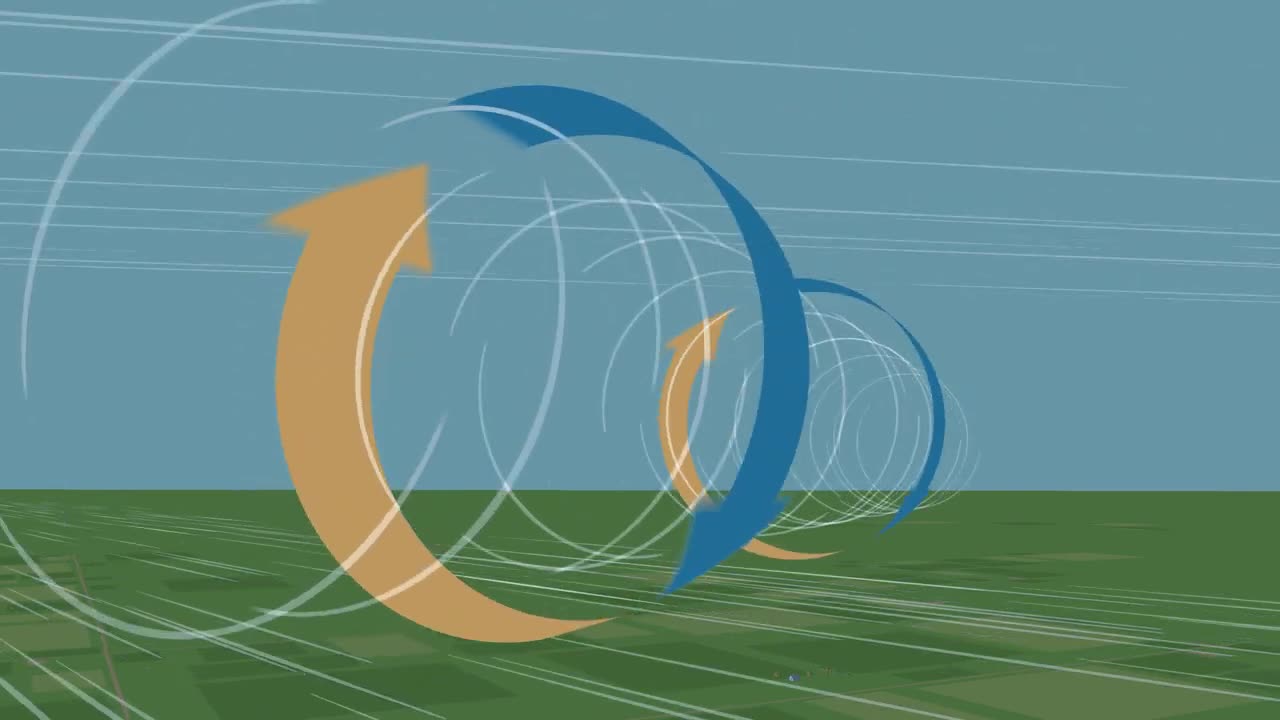
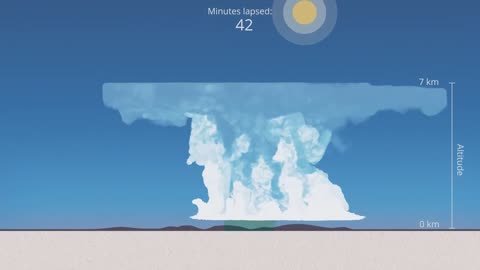
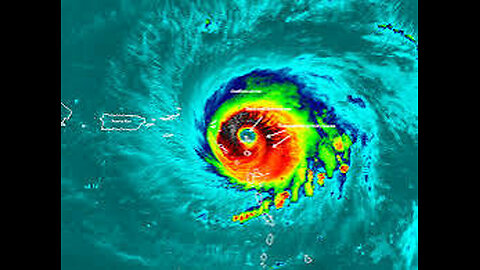
How Do Hurricanes Form? Meteorology - Weather Basics
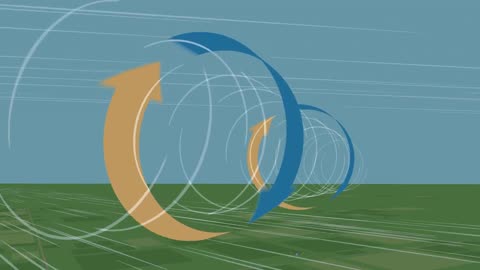
What Causes a Tornado? - Meteorological Basics

NOAA: 'The Hurricane Hunters'

What is the Enhanced Fujita Tornado Scale - Weather Basics - Meteorology
What is a Blizzard? Weather Basics - Meteorology
The Science of Hail - Meteorology - Weather Basics
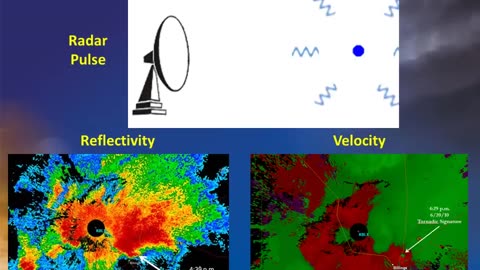
Doppler Weather Radar Basics - Weather Basics - Meteorology

How Do Rainbows Form? - Weather Basics

Thunderstorm Types - Meteorology - Weather

How Does Rain Form? What is the Water Cycle?
Hurricanes - Weather Basics - Meteorology 101

The Science Behind Lightning - Meteorology

How does snow form? - Meteorology
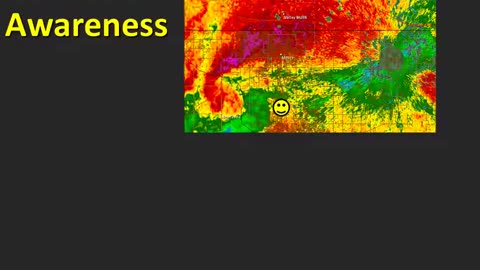
Storm Spotting: Storm Motion and Positioning- Meteorology
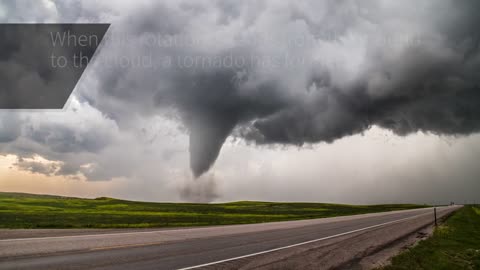
The Science Behind Tornadoes - Meteorology
A Tutorial on Cloud Types - Weather 101 - Meteorology
What Causes a Tornado? - Meteorological Basics
What Causes a Tornado?
The swirling, funnel-shaped winds of a tornado are easily recognizable—and they can be very dangerous. But what causes these unique and violent weather phenomena?
A tornado is a violently rotating column of air that is in contact with both the surface of the Earth and a cumulonimbus cloud or, in rare cases, the base of a cumulus cloud. It is often referred to as a twister, whirlwind or cyclone, although the word cyclone is used in meteorology to name a weather system with a low-pressure area in the center around which, from an observer looking down toward the surface of the Earth, winds blow counterclockwise in the Northern Hemisphere and clockwise in the Southern. Tornadoes come in many shapes and sizes, and they are often (but not always) visible in the form of a condensation funnel originating from the base of a cumulonimbus cloud, with a cloud of rotating debris and dust beneath it. Most tornadoes have wind speeds less than 180 kilometers per hour (110 miles per hour), are about 80 meters (250 feet) across, and travel several kilometers (a few miles) before dissipating. The most extreme tornadoes can attain wind speeds of more than 480 kilometers per hour (300 mph), are more than 3 kilometers (2 mi) in diameter, and stay on the ground for more than 100 km (62 mi)
More Meteorology Videos
https://rumble.com/playlists/JfAj918PQuc
-
 1:01:24
Crypto Power Hour
11 hours ago $1.19 earnedHow Crypto Address Poisoning Attacks Work
16.2K8 -
 9:03
9:03
Tactical Advisor
13 hours agoWhy You Should Get a Suppressor Before 2026
3.86K5 -
 17:47
17:47
Degenerate Jay
23 hours ago $0.97 earnedThis Game Deserved 2025 Game Of The Year - Dispatch
4.29K1 -
 25:55
25:55
Welker Farms
18 hours ago $0.46 earnedI'd Say We Make A Pretty Good Team Fix'n These Tractors
3.92K2 -
 8:01
8:01
Gun Owners Of America
15 hours ago40+ Members of Congress Warn DOJ & ATF To Stop Defending the NFA!
4.91K1 -
 LIVE
LIVE
BEK TV
23 hours agoTrent Loos in the Morning - 12/19/2025
182 watching -
 18:47
18:47
stateofdaniel
2 days agoJD Vance DESTROYS Twisted Vanity Fair HIT PIECE Against President Trump and Susie Wiles
57.1K21 -
 15:42
15:42
Actual Justice Warrior
1 day agoWealthy New Jersey School District Goes BROKE Overnight
19.2K23 -
 29:15
29:15
James Klüg
1 day agoI Crashed An ANTI-ICE March In Portland
35.9K31 -
 45:40
45:40
Surviving The Survivor: #BestGuests in True Crime
18 hours agoLIVE Hearing: Kentucky Sheriff Mickey Stines Back in Court; Murder of Judge Kevin Mullins
20.6K1