How Fieldwork in the Amazon Is Supporting NASA Climate Science – NISAR Mission Travelogue
#nasa #amazon #fieldwork #climate #climatescience #science #NISAR #travelogue #nasamission #nasaclimatescience #earthexploration #solar #solarsystem #moon #nisarmission #satellite #satellitemission #spacemission #earth #wolfchamp
How Fieldwork in the Amazon Is Supporting NASA Climate Science – NISAR Mission Travelogue
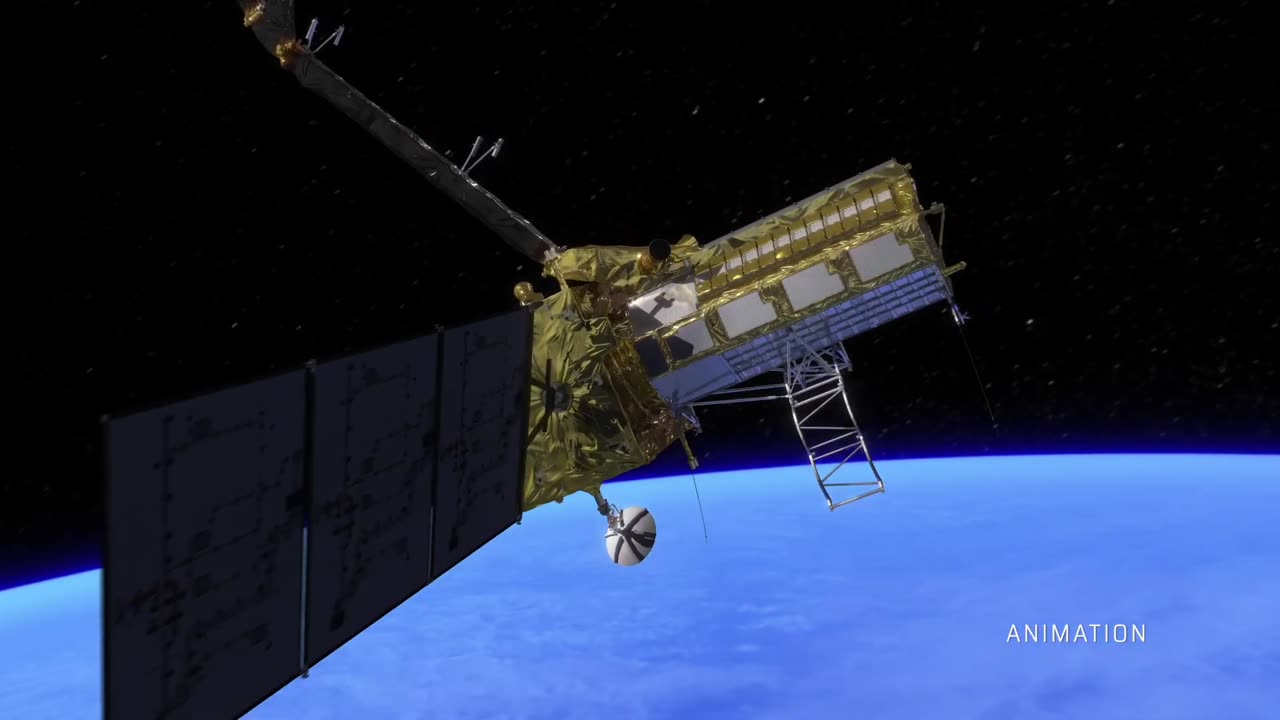
A joint U.S.-India satellite mission called NISAR – the NASA-ISRO Synthetic Aperture Radar (NISAR) mission – will soon set out with new tools to better understand climate change. As a way to validate the satellite’s global, space-based observations, NASA scientists went to the Peruvian Amazon to install a network of sensors that will help calibrate measurements from the NISAR spacecraft.
Why the Amazon? In tropical wetlands, changes in seasonal flooding cycles can lead to increased production of greenhouse gases like methane and carbon dioxide.
A collaboration between NASA and ISRO (Indian Space Research Organisation), NISAR will use a sophisticated radar system to track wetland inundation and other changes to Earth’s surface. The satellite is expected to launch in early 2024 from ISRO’s Satish Dhawan Space Centre in Sriharikota, India.
For more information on the NISAR mission, visit: https://nisar.jpl.nasa.gov/.
Credit: Video production and NISAR animations: NASA/JPL-Caltech; Methane animations: NASA’s Scientific Visualization Studio; Amazon field work footage courtesy of A. Pruna
How Fieldwork in the Amazon Is Supporting NASA Climate Science – NISAR Mission Travelogue
A joint U.S.-India satellite mission called NISAR – the NASA-ISRO Synthetic Aperture Radar (NISAR) mission – will soon set out with new tools to better understand climate change. As a way to validate the satellite’s global, space-based observations, NASA scientists went to the Peruvian Amazon to install a network of sensors that will help calibrate measurements from the NISAR spacecraft.
Why the Amazon? In tropical wetlands, changes in seasonal flooding cycles can lead to increased production of greenhouse gases like methane and carbon dioxide.
A collaboration between NASA and ISRO (Indian Space Research Organisation), NISAR will use a sophisticated radar system to track wetland inundation and other changes to Earth’s surface. The satellite is expected to launch in early 2024 from ISRO’s Satish Dhawan Space Centre in Sriharikota, India.
For more information on the NISAR mission, visit: https://nisar.jpl.nasa.gov/.
Credit: Video production and NISAR animations: NASA/JPL-Caltech; Methane animations: NASA’s Scientific Visualization Studio; Amazon field work footage courtesy of A. Pruna
How Fieldwork in the Amazon Is Supporting NASA Climate Science – NISAR Mission Travelogue
A joint U.S.-India satellite mission called NISAR – the NASA-ISRO Synthetic Aperture Radar (NISAR) mission – will soon set out with new tools to better understand climate change. As a way to validate the satellite’s global, space-based observations, NASA scientists went to the Peruvian Amazon to install a network of sensors that will help calibrate measurements from the NISAR spacecraft.
Why the Amazon? In tropical wetlands, changes in seasonal flooding cycles can lead to increased production of greenhouse gases like methane and carbon dioxide.
A collaboration between NASA and ISRO (Indian Space Research Organisation), NISAR will use a sophisticated radar system to track wetland inundation and other changes to Earth’s surface. The satellite is expected to launch in early 2024 from ISRO’s Satish Dhawan Space Centre in Sriharikota, India.
For more information on the NISAR mission, visit: https://nisar.jpl.nasa.gov/.
Credit: Video production and NISAR animations: NASA/JPL-Caltech; Methane animations: NASA’s Scientific Visualization Studio; Amazon field work footage courtesy of A. Pruna
How Fieldwork in the Amazon Is Supporting NASA Climate Science – NISAR Mission Travelogue
A joint U.S.-India satellite mission called NISAR – the NASA-ISRO Synthetic Aperture Radar (NISAR) mission – will soon set out with new tools to better understand climate change. As a way to validate the satellite’s global, space-based observations, NASA scientists went to the Peruvian Amazon to install a network of sensors that will help calibrate measurements from the NISAR spacecraft.
Why the Amazon? In tropical wetlands, changes in seasonal flooding cycles can lead to increased production of greenhouse gases like methane and carbon dioxide.
A collaboration between NASA and ISRO (Indian Space Research Organisation), NISAR will use a sophisticated radar system to track wetland inundation and other changes to Earth’s surface. The satellite is expected to launch in early 2024 from ISRO’s Satish Dhawan Space Centre in Sriharikota, India.
For more information on the NISAR mission, visit: https://nisar.jpl.nasa.gov/.
Credit: Video production and NISAR animations: NASA/JPL-Caltech; Methane animations: NASA’s Scientific Visualization Studio; Amazon field work footage courtesy of A. Pruna
How Fieldwork in the Amazon Is Supporting NASA Climate Science – NISAR Mission Travelogue
A joint U.S.-India satellite mission called NISAR – the NASA-ISRO Synthetic Aperture Radar (NISAR) mission – will soon set out with new tools to better understand climate change. As a way to validate the satellite’s global, space-based observations, NASA scientists went to the Peruvian Amazon to install a network of sensors that will help calibrate measurements from the NISAR spacecraft.
Why the Amazon? In tropical wetlands, changes in seasonal flooding cycles can lead to increased production of greenhouse gases like methane and carbon dioxide.
A collaboration between NASA and ISRO (Indian Space Research Organisation), NISAR will use a sophisticated radar system to track wetland inundation and other changes to Earth’s surface. The satellite is expected to launch in early 2024 from ISRO’s Satish Dhawan Space Centre in Sriharikota, India.
For more information on the NISAR mission, visit: https://nisar.jpl.nasa.gov/.
Credit: Video production and NISAR animations: NASA/JPL-Caltech; Methane animations: NASA’s Scientific Visualization Studio; Amazon field work footage courtesy of A. Pruna
-
 LIVE
LIVE
LFA TV
11 hours agoLIVE & BREAKING NEWS! | WEDNESDAY 12/03/25
3,065 watching -
 1:05:24
Crypto Power Hour
11 hours ago $3.50 earnedVanguard Finally! XRP ETF’s
44K7 -
 13:40
13:40
ARFCOM News
17 hours ago $2.06 earnedHis Wife Got Cancer So They Took His Guns + DoJ's 2A Rights Division + Trump Slump Continues
11.6K12 -
 13:19
13:19
Degenerate Jay
18 hours ago $1.96 earnedThis Fallout: New Vegas Discovery Could Change Everything
12.6K -
 33:35
33:35
ArturRehi
21 hours agoNERVES OF STEEL - American Fighters Are not Easy to Frighten in Ukraine
12.6K5 -
 2:05:17
BEK TV
1 day agoTrent Loos in the Morning - 12/03/2025
13K1 -
 LIVE
LIVE
The Bubba Army
23 hours agoTRUMP SAYS NO MORE INCOME TAX? - Bubba the Love Sponge® Show | 12/03/25
960 watching -
 LIVE
LIVE
FyrBorne
14 hours ago🔴Battlefield REDSEC Live M&K Gameplay: Testing Sleeper Loadouts
121 watching -
 28:54
28:54
ZeeeMedia
17 hours agoREAL ID Non-Compliance Fees from 2026 & WW3 Escalation | Daily Pulse Ep 154
19.5K37 -
 LIVE
LIVE
PudgeTV
5 hours ago🔴 Sea of Thieves - Gaming on Rumble | The Three Rumskateers Go Sailing Again!!
141 watching