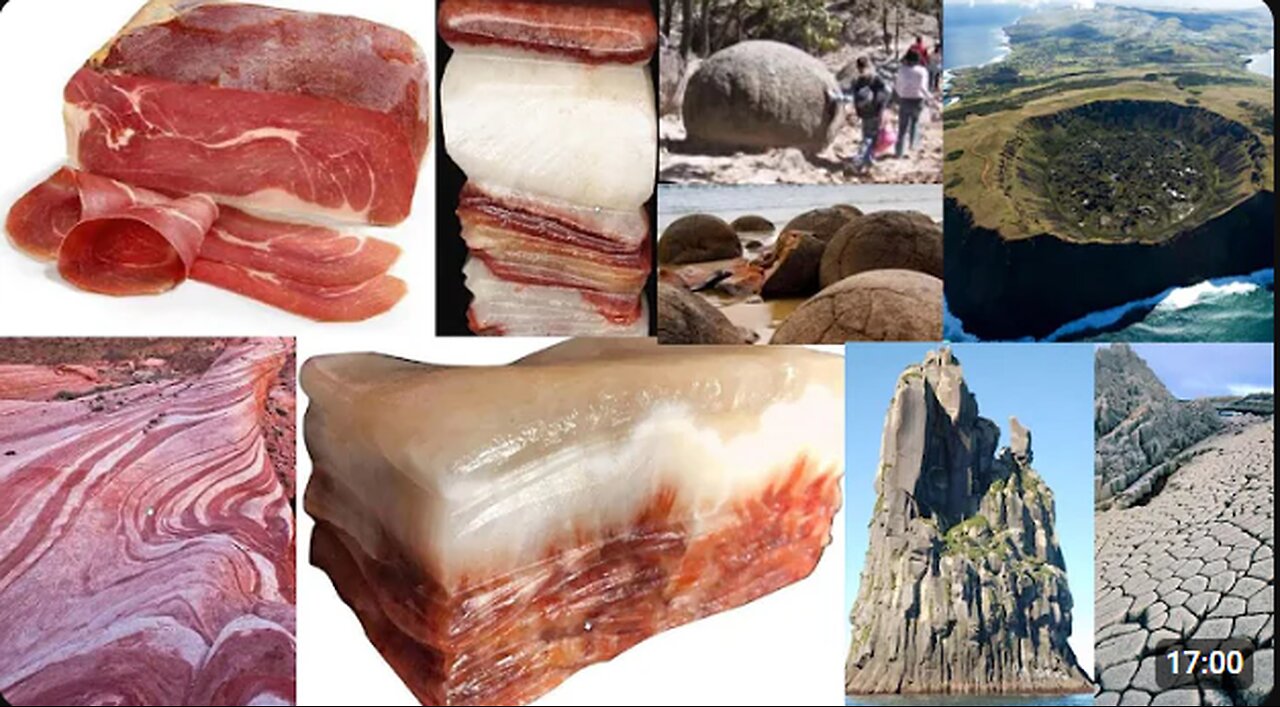
What You Need To Know About PETRIFIED ANIMALS, TREES, AND GIANTS
Petrification, or fossilization, is the process by which organic material is gradually replaced by minerals, turning plants, animals, and other organisms into stone. Petrified animals and trees are fascinating remnants of ancient life that provide valuable insights into the Earth's history.
Petrified Trees
Petrified trees are the most common and well-known examples of petrified organisms. The process of petrification begins when a tree or plant is buried under sediment, such as volcanic ash or mud, shortly after its death. This burial prevents the decomposition of the organic material. Over time, groundwater rich in minerals like silica, calcite, or pyrite permeates the plant's tissues, slowly replacing the organic material with minerals. As the plant's cells are replaced, the tree's structure is preserved in exquisite detail, including the bark, growth rings, and even cellular structures.
The result is a fossilized tree that has turned to stone but retains the original shape, texture, and sometimes even the color of the wood. Some petrified wood exhibits stunning, multicolored patterns caused by different minerals.
Notable Petrified Forests:
Petrified Forest National Park (Arizona, USA): One of the most famous petrified forests, home to large petrified logs from the Late Triassic period, around 225 million years old.
Lesbos Petrified Forest (Greece): A UNESCO Global Geopark, this site contains fossilized trees dating back 20 million years, some of which are still standing upright.
Ginkgo Petrified Forest (Washington, USA): This forest has a unique variety of petrified trees, including ancient ginkgoes and conifers.
Petrified Animals
While petrified trees are more common, petrified animals can also occur, although this process is rarer due to the more complex structure of animal tissues.
When an animal is quickly buried after death, for example by volcanic ash, sediment, or in an oxygen-poor environment, the same process of mineral replacement can occur. The organic tissues of the animal, such as bones, teeth, and sometimes even soft tissues, are gradually replaced by minerals like silica, calcite, or iron, preserving the animal in stone. In rare cases, details like muscle tissue, skin, or feathers may be fossilized if the conditions are just right.
-
 6:39
6:39
TOWERCLIPS
1 year agoFree Energy Machines
1502 -
 LIVE
LIVE
BubbaSZN
7 hours ago🔴 LIVE - SLAYING ZOMBIES W/ CATDOG UNTIL MY BDAY AT 12AM!
191 watching -
 LIVE
LIVE
SlingerGames
3 hours agoRumble Spartans, ASSEMBLE! | Push for 400 Followers
91 watching -
 5:22:07
xXFadedAngelXx
7 hours agoSPARTAN NIGHT! Featuring the Communiy! Thanks @OhHiMark! & @Phyxicx! for the invite
6.23K1 -
 LIVE
LIVE
AdmiralSmoothrod
6 hours agohalo MCC - Multiplayer Rumble No. 21 - its gonna get sticky
67 watching -
 LIVE
LIVE
BlackDiamondGunsandGear
3 hours agoNEW Glock Gen6 / Still Hate them / After Hours Armory
52 watching -
 8:49
8:49
Hollywood Exposed
4 hours agoBill Maher Explodes After Killer Mike Refuses Any Accountability On Air
1.75K7 -
 LIVE
LIVE
DLDAfterDark
4 hours agoThe Average Gunfighter - Gen 6 Glocks - The After Hours Armory
70 watching -
 12:31
12:31
Robbi On The Record
2 days ago $8.91 earnedWhy Nothing Feels Real Anymore | The Science, Culture, and Spiritual War Behind the Fog
63.7K31 -
 25:21
25:21
Stephen Gardner
7 hours agoWait Until You Hear This UNEXPECTED Trump Story!
24.3K68