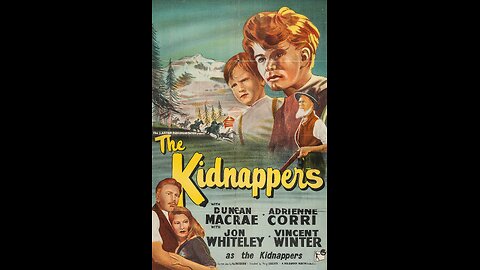
The Kidnappers (1953) | Directed by Philip Leacock

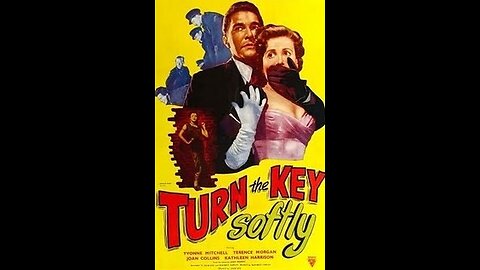
Turn the Key Softly (1953) | Directed by Jack Lee
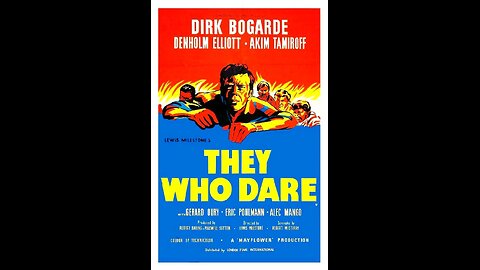
They Who Dare (1954) | Directed by Lewis Milestone
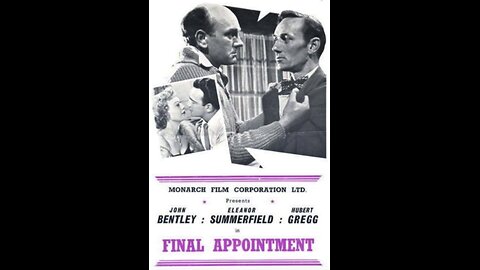
Final Appointment (1954) | Directed by Terence Fisher
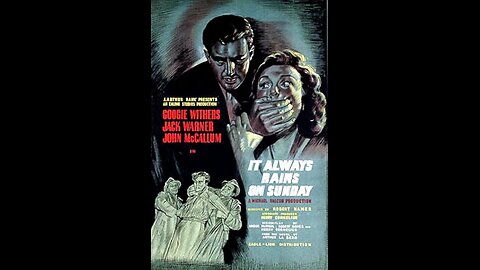
It Always Rains on Sundays (1947) | Directed by Robert Hamer

The Clouded Yellow (1950) | British film noir thriller directed by Ralph Thomas
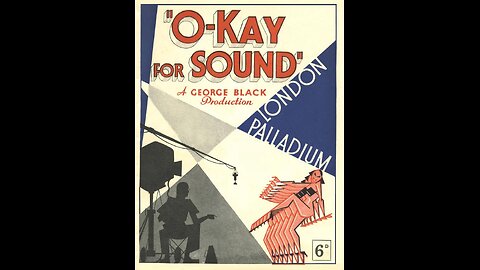
O-Kay for Sound (1937) | British musical comedy directed by Marcel Varnel

Oliver Twist (1948) | Directed by David Lean
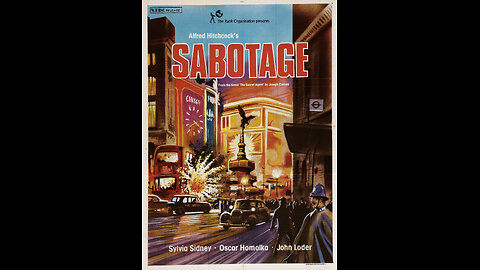
Sabotage (1936) | Alfred Hitchcock's thriller based on Joseph Conrad's novel "The Secret Agent"

Miranda (1948) | British comedy film directed by Ken Annakin
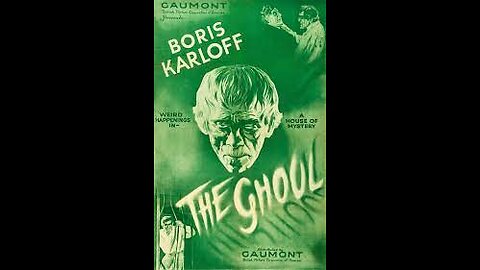
The Ghoul (1933) | British horror film directed by T. Hayes Hunter
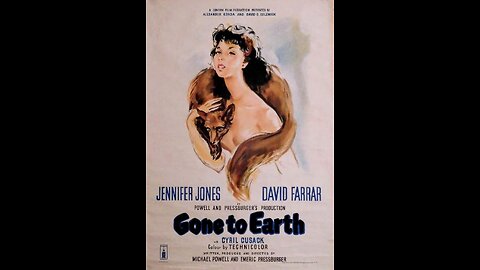
Gone to Earth (1950) | British romantic drama film directed by Michael Powell & Emeric Pressburger
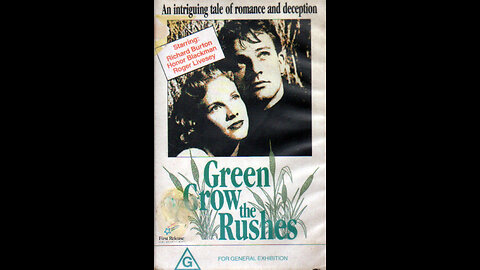
Green Grow the Rushes (1951) | British comedy film directed by Derek N. Twist
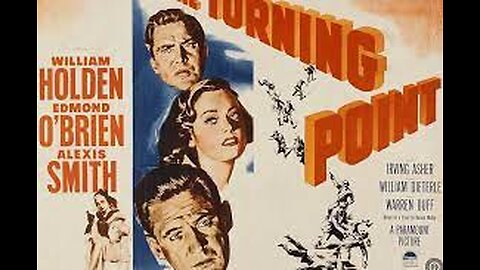
The Turning Point (1952) | British drama film directed by Michael Relph

Pygmalion (1938) | British film adaptation of George Bernard Shaw's play

Night Train to Munich (1940) | British thriller film directed by Carol Reed
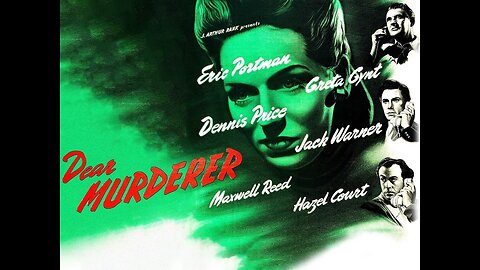
Dear Murderer (1947) | A British crime film directed by Arthur Crabtree

The Red Beret / Paratrooper (1953) | British war film directed by Terence Young
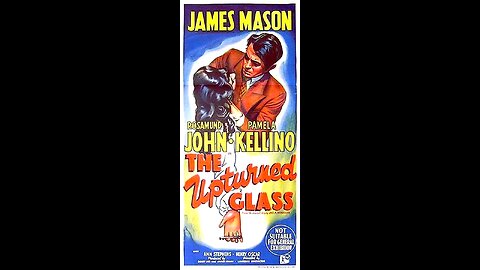
The Upturned Glass (1947) | A British psychological thriller directed by Lawrence Huntington

They Were Sisters (1945) | British drama film directed by Arthur Crabtree
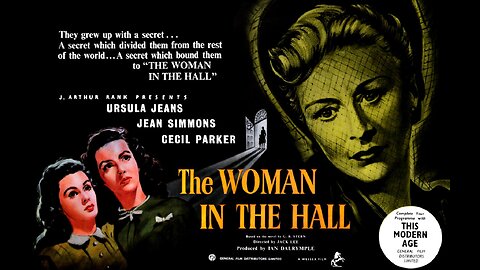
The Woman in the Hall (1947) | British drama film directed by Jack Lee
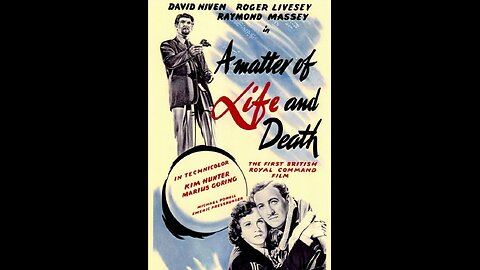
A Matter of Life and Death (1946) | Directors: Michael Powell, Emeric Pressburger
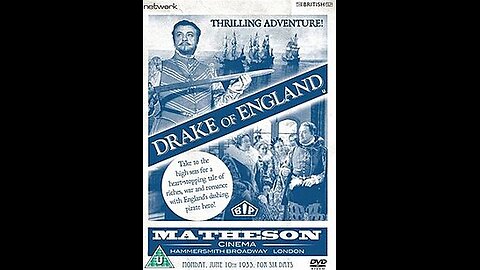
Drake of England (1935) Colorised | British historical adventure film directed by Arthur B. Woods

Mantrap (1953) | British crime film directed by Terence Fisher

The Gambler and the Lady (1952) | Directed by Patrick Jenkins
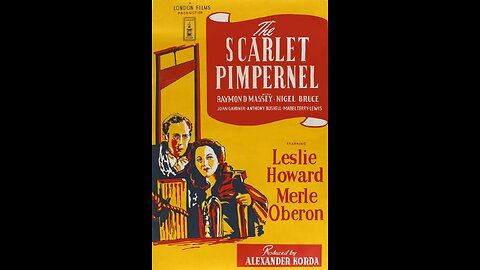
The Scarlet Pimpernel (1934) | Directed by Harold Young
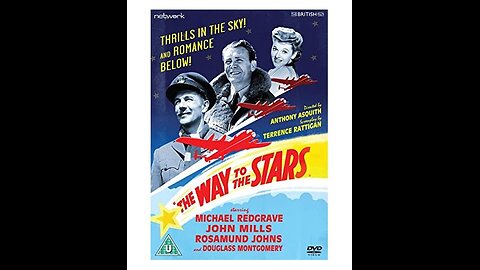
The Way to the Stars (1945) | Directed by Anthony Asquith
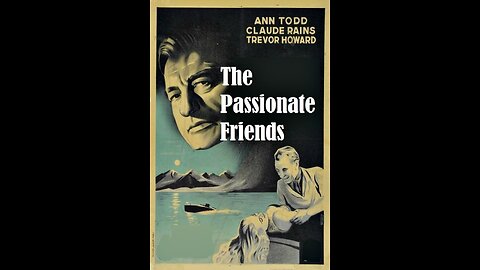
The Passionate Friends (1949) | Directed by David Lean

The Dark Tower (1943) | Directed by John Harlow

The Seventh Veil (1945) | Directed by Compton Bennett

Young and Innocent (1937) | Directed by Alfred Hitchcock

Green for Danger (1946) | Directed by Sidney Gilliat

Elephant Boy (1937) | Directed by Robert J. Flaherty & Zoltan Korda
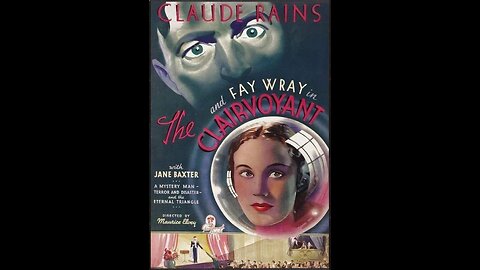
The Clairvoyant (1935) | Directed by Maurice Elvey
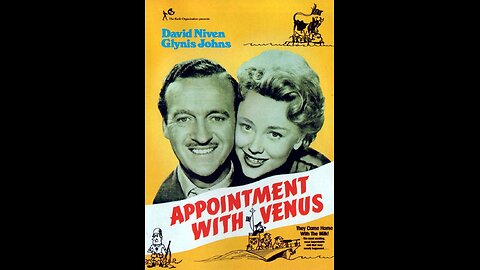
Appointment with Venus (1951) | Directed by Ralph Thomas
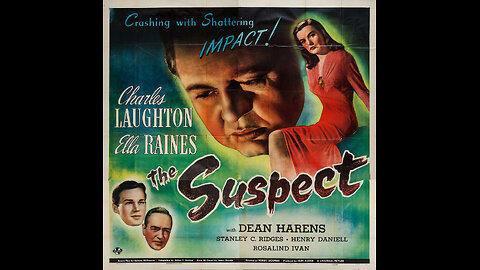
The Suspect (1944) | Directed by Robert Siodmak
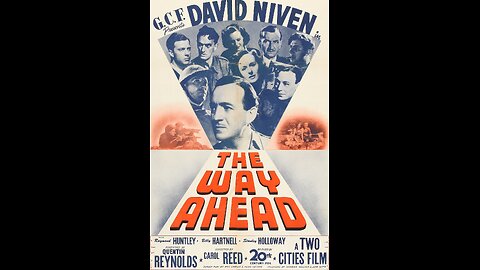
The Way Ahead (1945) | Directed by Carol Reed
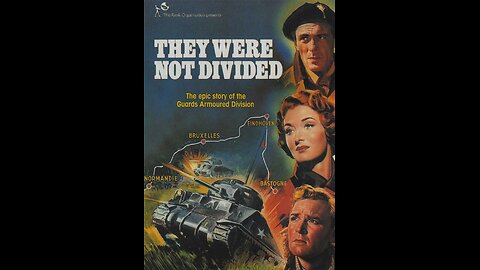
They Were Not Divided (1950) | Directed by Terence Young

21 Days (1940) | Directed by Basil Dean
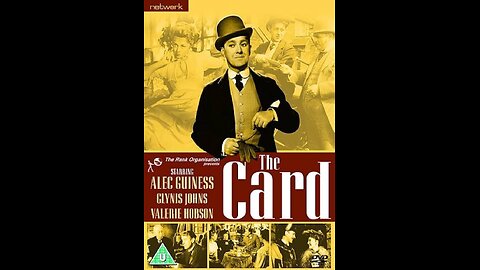
The Card (1952) | British comedy directed by Ronald Neame

The Shop at Sly Corner (1947) | British crime drama film directed by George King

Malta Story (1953) | Focuses on the historical events surrounding the Siege of Malta
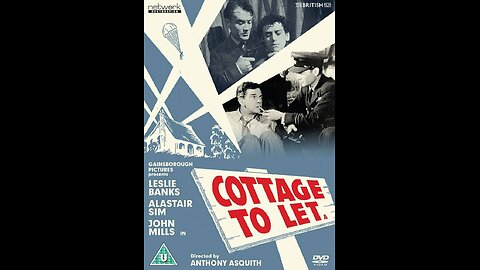
Cottage to Let (1941) | A 1941 British thriller directed by Anthony Asquith

The Long Memory (1953) | Directed by Robert Hamer
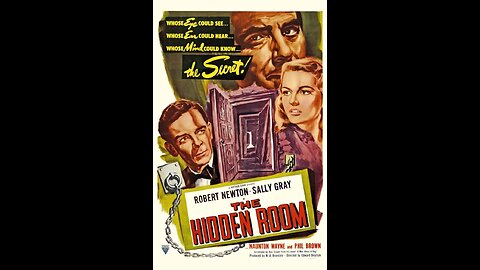
The Hidden Room / Obsession (1951) | Directed by Edward Dmytryk

The Cruel Sea (1953) | Directed by Charles Frend

Stage Fright (1950) | Directed by Alfred Hitchcock
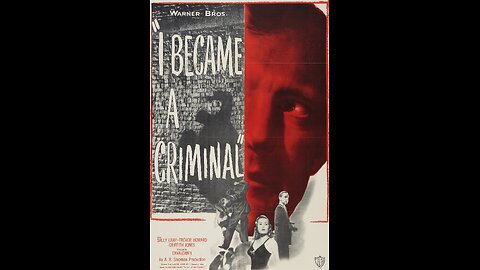
I Became a Criminal (1947) | Directed by Alberto Cavalcanti

State Secret / The Great Manhunt (1950) | Directed by Sidney Gilliat

The Third Visitor (1951) | Directed by Maurice Elvey
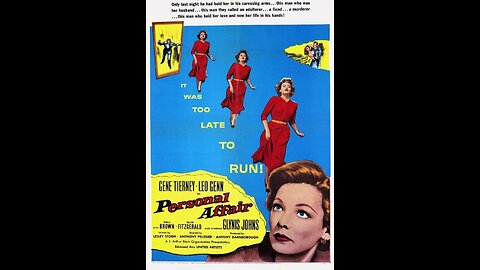
Personal Affair (1953) | Directed by Anthony Pelissier
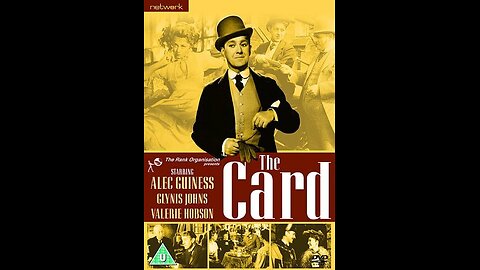
The Card / The Promoter (1952) | Directed by Ronald Neame

Black Narcissus (1947) | Directed by Michael Powell & Emeric Pressburger
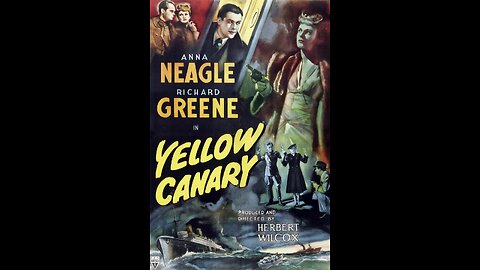
Yellow Canary (1943) | Directed by Herbert Wilcox
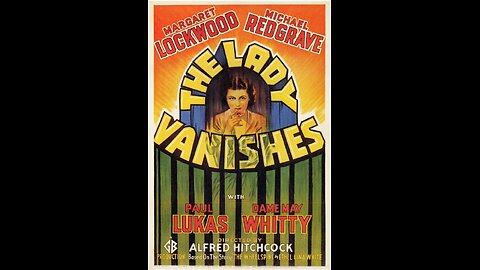
The Lady Vanishes (1938) | Directed by Alfred Hitchcock
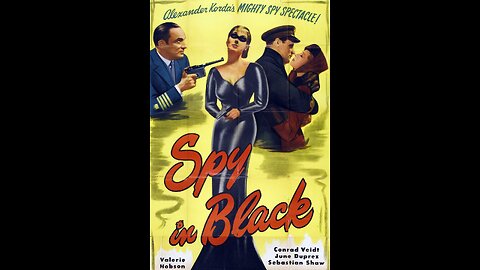
The Spy in Black (1939) | Directed by Michael Powell

The Weaker Sex (1948) | Directed by Roy Ward Baker

This Happy Breed (1944) | Directed by David Lean
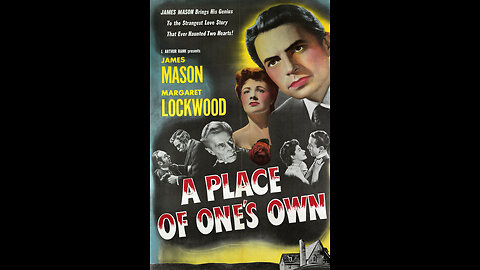
A Place of One's Own (1945) | Directed by Bernard Knowles
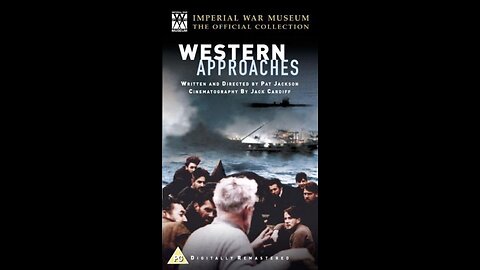
Western Approaches (1944) | Directed by Pat Jackson
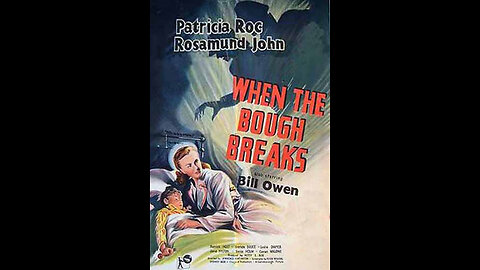
When the Bough Breaks (1947) | Directed by Lawrence Huntington

The Four Feathers (1939) | Directed by Zoltan Korda
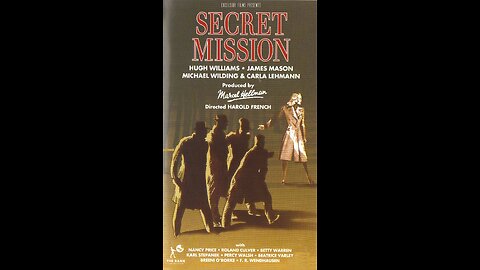
Secret Mission (Secret Mission: Casablanca in USA) (1942 | Directed by Harold French

Here Come the Huggetts (1948) | Directed by Ken Annakin

This Was a Woman (1948) | Directed by Tim Whelan

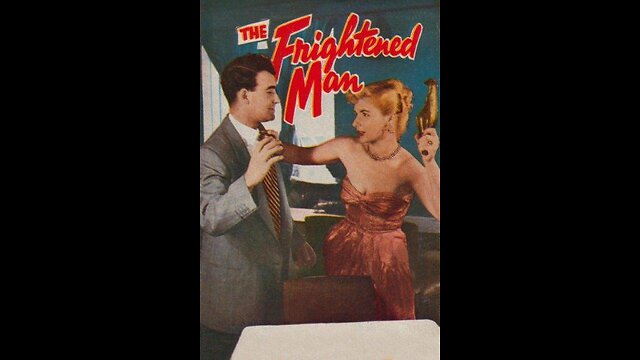
The Frightened Man (1952) | Directed by John Gilling

Major Barbara (1941) | Directed by Gabriel Pascal
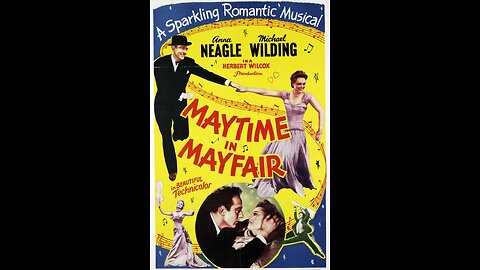
Maytime in Mayfair (1949) | Directed by Herbert Wilcox
The Frightened Man (1952) | Directed by John Gilling
"The Frightened Man" (1952) is a British crime thriller directed by John Gilling, known for his later work in horror films and thrillers. Set in postwar London, the film tells the story of a father and son whose lives become entangled in the dangerous world of crime. The film stars Dermot Walsh as Julius "Jewel" Warre and Cecil Parker as his father, Mr. Warre.
Julius, nicknamed "Jewel," is a young man from a respectable background who finds himself drawn into the London underworld. His father, an antique dealer with high hopes for his son’s future, is devastated when he discovers that Julius has become involved with a criminal gang led by Sugiani (Charles Victor). As Julius becomes deeper involved in the criminal enterprise, he must face the consequences of his choices, including the threat of prison and the loss of his father's respect. The film follows Julius’s struggle to escape the criminal world while his father tries to save him from a life of crime.
"The Frightened Man" combines tense drama with the gritty realism of London’s postwar criminal underworld. It explores themes of familial loyalty, moral corruption, and the battle between good and evil.
"The Frightened Man" is an engaging crime drama that effectively captures the mood of postwar London, with its blend of class tension and criminality. John Gilling, who would go on to become known for his horror films with Hammer Studios, shows his early prowess in building suspense and delivering a gritty atmosphere in this film.
Dermot Walsh delivers a solid performance as Julius Warre, a young man caught between his respectable upbringing and the temptations of a life of crime. Walsh convincingly portrays Julius’s internal struggle as he descends into the criminal underworld, with a sense of desperation as his choices become more perilous. The dynamic between Julius and his father is the emotional core of the film, with Cecil Parker providing a compassionate and sorrowful portrayal of Mr. Warre, a man who had higher hopes for his son.
Cecil Parker’s performance as the disappointed but determined father is a standout. His quiet dignity and deep concern for his son’s future lend the film a strong emotional undercurrent. Parker’s scenes with Walsh highlight the generational and moral conflict that drives the plot.
The supporting cast adds to the film’s strength, with Charles Victor giving a memorable performance as Sugiani, the crime boss who manipulates Julius. Barbara Murray is also effective as Amanda, providing a romantic subplot that underscores Julius’s dual loyalties between love and crime.
Gilling’s direction is tight and atmospheric, with a particular focus on the seedier parts of London. His depiction of the criminal underworld feels authentic and grounded, which enhances the film’s tension. The cinematography by Cedric Williams uses the shadows and fog of the city to create a noir-like atmosphere, heightening the sense of danger that Julius faces.
Upon its release, "The Frightened Man" received positive reviews, particularly for its strong performances and tight direction. Critics praised Cecil Parker for his nuanced portrayal of Mr. Warre, noting his ability to convey a deep sense of sorrow and concern for his son. Dermot Walsh also received commendation for his role as Julius, with many noting his convincing portrayal of a man caught between two worlds.
The film’s gritty realism was appreciated, with critics noting that it effectively captured the atmosphere of postwar London. The criminal elements were seen as believable, and the film was praised for its depiction of the moral complexities involved in the life of crime.
While some felt that the plot was somewhat predictable, the film’s strong performances and atmosphere made it a compelling entry in the British crime genre of the early 1950s.
While "The Frightened Man" is not as well-known today, it remains a significant example of British crime cinema from the postwar era. It stands out for its strong character-driven narrative and for showcasing the early directorial talents of John Gilling, who would later achieve fame in the horror genre.
The film’s exploration of moral conflict and family loyalty continues to resonate with modern audiences, and its portrayal of the London underworld offers an intriguing snapshot of the social tensions of the time. For fans of classic British crime thrillers, "The Frightened Man" remains a worthy entry into the genre, particularly for those interested in the work of John Gilling and Cecil Parker.
Full Cast:
- Dermot Walsh as Julius "Jewel" Warre
- Cecil Parker as Mr. Warre
- Charles Victor as Sugiani
- Barbara Murray as Amanda
- Martin Benson as Alec Stone
- Lyndon Brook as Don
- John Horsley as Inspector Lang
- Thora Hird as Mary
-
 1:36:28
Classic Films & Movies Archive
10 days agoWoman Hater (1948) | Directed by Terence Young
183 -
 1:44:46
PandaSub2000
12 hours agoUltimate Chicken Horse | ULTRA BEST AT GAMES (HD Edited Replay)
11.5K -
 1:47:16
omarelattar
2 days agoTroy Eckard Shares His Rags to Riches Story
15.9K -
 26:18
26:18
GritsGG
15 hours agoHow to Activate Heat Map & Find Self Revives On Warzone!
11.8K -
 29:01
29:01
The Pascal Show
1 day ago $10.60 earnedRUNNING SCARED! Candace Owens DESTROYS TPUSA! Are They Backing Out?!
50.3K54 -
 24:45
24:45
Blabbering Collector
1 day agoUnboxing The 2025 Diagon Alley Advent Calendar By Carat Shop | Harry Potter
14.9K1 -
 0:43
0:43
Gaming on Rumble
1 day ago $7.08 earnedLvl UP (Raids)
50.6K4 -
 19:07
19:07
MetatronGaming
1 day agoWe need to find a way out NOW!
12.2K -
 1:11:16
omarelattar
4 days agoHow I Went From Depressed w/ $0 To $500 Million Per Year In My 20's (COMFRT CEO Hudson Leogrande)
11.7K -
 2:22:42
Badlands Media
1 day agoDevolution Power Hour Ep. 413 – The J6 Narrative Cracks, Media Meltdowns, and the Intel Nobody Trusts
235K38