The Atrocities of the Pirates by: Aaron Smith (1724)

The Imitation of Christ by: Thomas à Kempis (between 1418 and 1427)
The Pilgrim’s Progress by John Bunyan (1678)
The Symbolism of Freemasonry by: Albert Gallatin Mackey, M.D. (1896)
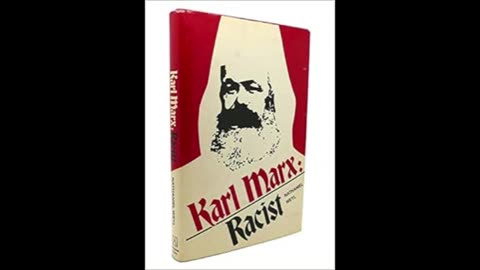
Karl Marx: Racist by Nathaniel Weyl (1968)

None Dare Call it Conspiracy by: Gary Allen (1971)
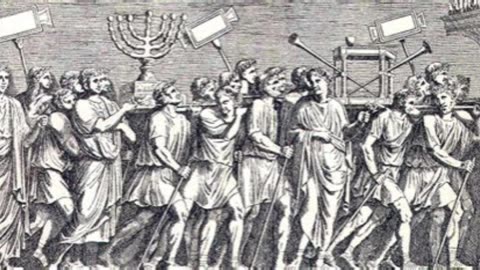
Stories of the Wars of the Jews by: Charlotte Maria Tucker (A.L.O.E.)
Montezuma’s Castle and Other Weird Tales by Charles B. Cory (1899)
Christianity in the Apostolic Age by: George T. Purves (1900)
Enchiridion Militis Christiani (English: Handbook of a Christian Knight, 1503)

The Thirty Years' War, 1618-1648 by: Samuel Rawson Gardiner
The Origins of Christianity by Thomas Whittaker (1856–1935)

The Historical Jesus: Lecture Series by Professor Bart D. Ehrman
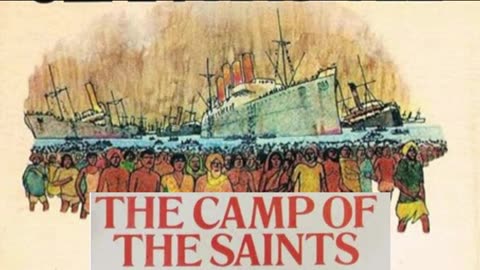
The Camp of the Saints by: Jean Raspail

The Franklin Cover-up: Child Abuse, Satanism, and Murder in Nebraska by: John W. DeCamp
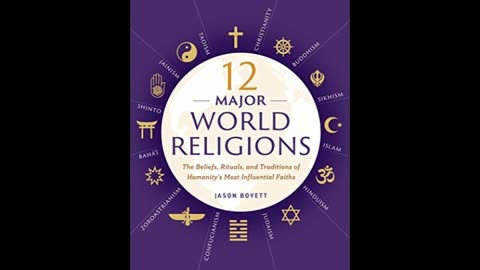
12 Major World Religions: The Beliefs, Rituals, and Traditions of Humanity’s Most Influential Faiths

The Fourth Turning: An American Prophecy by: William Strauss and Neil Howe

The Hill of Dreams by Arthur Machen (1907)
The Great God Pan by Arthur Machen (1894)
The White People by Arthur Machen (Written 1899, Published 1904)
The Republic by: Plato
Protagoras by: Plato
The Shining Pyramid: The Definitive Edition by: Arthur Machen
Paradise Lost by: Milton
A Modern Utopia by H. G. Wells (1905)

The World Set Free by H. G. Wells (1914)
The Revolutions of Civilization by William Matthew Flinders Petrie (1911)
The Discovery of the Future by H. G. Wells (1902)
Men Like Gods by H. G. Wells (1923)

The Psychology of Peoples: Its Influence on Their Evolution by Gustave Le Bon (1894)
Household Gods by: Aleister Crowley (1912)
Courts and Criminals by: Arthur Cheney Train (1914)

Hitler's Last Witness: The Memoirs of Hitler's Bodyguard by Rochus Misch (2008)
The Anti-Christ by Friedrich Nietzsche
The Manisis Chronicles: A Novel of Fantasy or Prophecy? by Dr. Eugene J. Bruington
Compendium of Occult Laws by: Dr. R. Swinburne Clymer
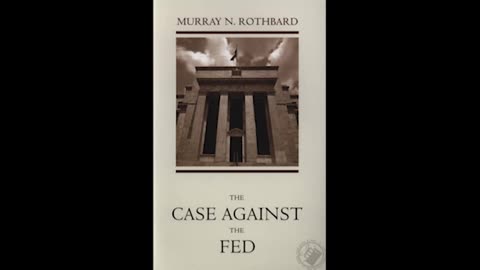
The Case Against the Fed by: Murray N. Rothbard
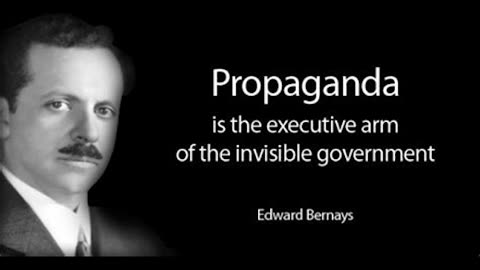
"Propaganda" by: Edward Bernays (1928)

Psychological Warfare by: Paul Linebarger
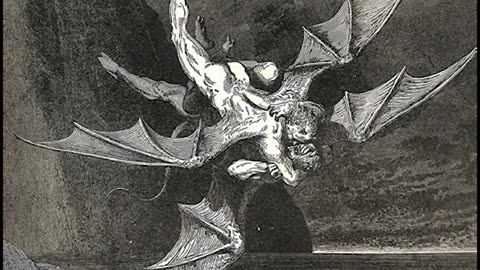
Dante's Inferno (Modern English Translation)
The Book of Luck by: Anonymous
Drugging a Nation: The Story of China & the Opium Curse by Samuel Merwin (1908)
Ghosts, A Message From The Illuminati (1906) by Alexander J. McIvor-Tyndall
Marx & Satan by: Richard Wurmbrand (1986)

1900 Or, The Last President by Ingersoll Lockwood
The Flying Eyes by J. Hunter Holly
The Shape of Things to Come by: H. G. Wells (1933)
The Regius Manuscript - A Poem of Moral Duties (c. 1390)

The Matthew Cooke Manuscript (c. 1450)
Dowland's Manuscript (c. 1500)
The Charges of a Freemason (1723, Anderson's Constitution's 2/3)

The History of Freemasonry (1723, Anderson's Constitution's 1/3)
The General Regulations of Freemasonry (1723, Anderson's Constitution's 3/3)

Anderson's Constitutions (1723) FULL

Secret Societies: A Sinister Agenda Exposed by: William Cooper (1983)

Silent Weapons for Quiet Wars
Report From Iron Mountain on the Possibility and Desirability of Peace

A Proposed Constitutional Model for the Newstates of America

The Secret Teachings of All Ages by: Manly P. Hall
![The Official C.I.A. Manual of Trickery and Deception [DECLASSIFIED]](https://1a-1791.com/video/s8/1/K/R/T/v/KRTvm.oq1b-small-The-Official-C.I.A.-Manual-.jpg)
The Official C.I.A. Manual of Trickery and Deception [DECLASSIFIED]
Racing Toward Armageddon: The Three Great Religions and the Plot to End the World by Michael Baigent (audiobook)

The United Nations Charter

The Initiates of the Flame by Manly P. Hall (1922)

The Initiates of the Flame by Manly P. Hall, 1922 (just the illustrations)
Atlantis: An Interpretation by: Manly P. Hall (1976)

The Secret Destiny of America by: Manly P. Hall

The Lost Keys of Masonry: The Legend of Hiram Abiff by: Manly Hall (2nd Edition)

The Brotherhood: The Secret World of the Freemasons by: Stephen Knight

None Dare Call It Conspiracy by: Gary Allen, co-authored with Larry Abraham

The Ways Of The Lonely Ones: A Collection of Mystical Allegories by: Manly Hall
Masonry: Beyond the Light by William Schnoebelen
On the Origins of Free-Masonry by: Thomas Paine
The Club of Rome by Dr. John Coleman
The History of the Clergy During The French Revolution: A Work Dedicated to the English Nation
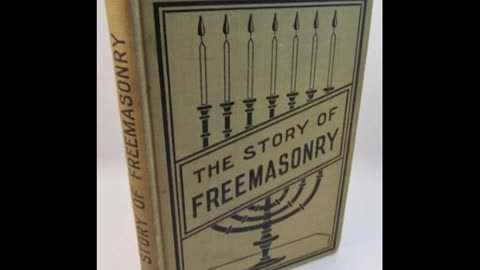
The Story of Freemasonry by: W. G. Sibley (1904)

The Mysticism of Freemasonry by: Swinburne Clymer (1924)

Brain-Washing: A Synthesis of the Russian Textbook on Psychopolitics

The Question of Freemasonry by: Ed Decker

Secret Societies: A Sinister Agenda Exposed by: Milton William Cooper (1999)
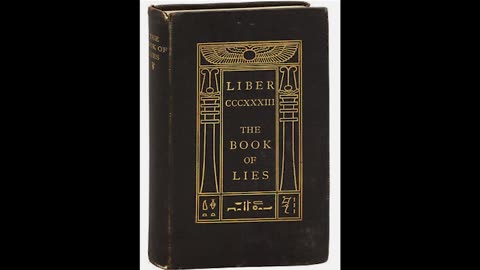
The Book of Lies by: Edward Alexander Crowley (Aleister Crowley)

Pawns in the Game by: William Guy Carr

Unrestricted Warfare by: Qiao Liang and Wang Xiangsui

The Ancient Arabic Order of the Nobles of the Mystic Shrine for North America

The Unanimous Declaration of the Thirteen United States of America

Mystic Masonry by: J.D. Buck
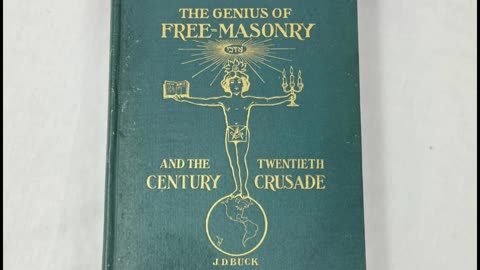
The Genius of Freemasonry and the Twentieth-Century Crusade by: J.D. Buck (1914)

Freemasonry its Hidden Meaning by George H. Steinmetz
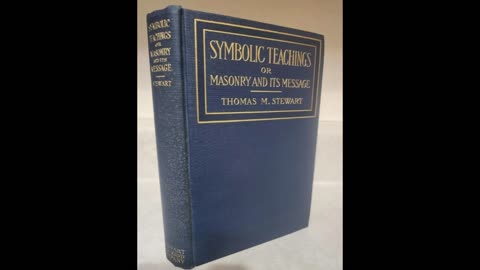
Symbolic Teachings or Masonry and its Message by: Thomas Milton Stewart
The Meaning of Masonry by W.L. Wilmshurst
Symbolism by: Milton A. Pottenger
The Pythagorean Triangle or The Science of Numbers by: Milton A. Pottenger
Hamlet by: Shakespeare

The War of Antichrist with the Church and Christian Civilization by: Monsignor George F. Dillon (1885)
Mormonism and Masonry by Samuel H. Goodwin (1920)
The Secret Rose and Rosa Alchemica by: William Butler Yeats (1897)
The Book of Mormon: Part 9 - Ether & Moroni
The Book of Mormon Part 8 - 4 Nephi & Mormon
The Book of Mormon Part 7 - 3 Nephi 1-30

The Book of Mormon: Part 6 - Helaman 1-16

The Book of Mormon: Part 5 - Alma 1-63
The Book of Mormon: Part 4 - Words of Mormon 1 & Mosiah 1-29
The Book of Mormon: Part 3 - Enos 1, Jarom 1, and Omni 1

The Book of Mormon: Part 2 - Jacob 1-7
The Book of Mormon: Part 1 - 1 Nephi, 2 Nephi
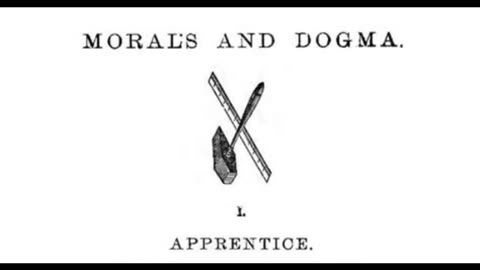
Chapter 1º - Apprentice - Morals & Dogma of the Ancient & Accepted Scottish Rite of Freemasonry
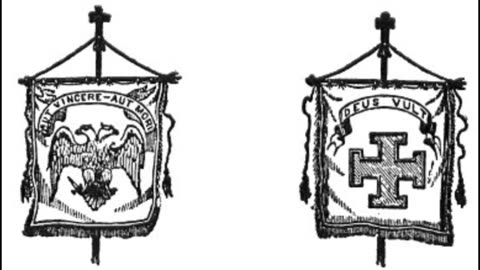
Chapter 30º - Knight Kadosh - Morals & Dogma of the Ancient & Accepted Scottish Rite of Freemasonry
The Mission of Masonry by: Joseph Fort Newton

Nox Niijosa by: Walter Leslie Wilmshurst (1917)

The Rosicrucian Mysteries: An Elementary Exposition of Their Secret Teachings by Max Heindel (1911)

Gleanings of a Mystic: A Series of Essays on Practical Mysticism by Max Heindel (1922)

The New Atlantis by Francis Bacon (1627)

The Wisdom of the Ancients, A Series of Mythological Fables by: Francis Bacon (1609)

Atlantis: The Antediluvian World by Ignatius Loyola Donnelly (1831 - 1901)

The Lost Island of Atlantis by: Edward Taylor Fletcher (1891)

The Coming Race by: Edward George Earle Lytton Bulwer-Lytton (1871)
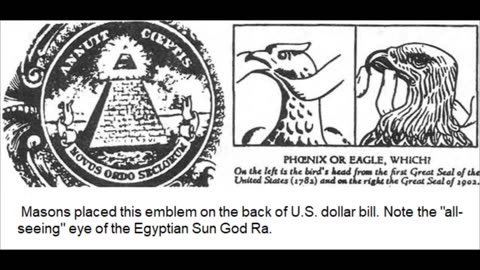
The Watchtower and the Masons by: Fritz Springmeier

The New World Order by: H.G. Wells

Programmed to Kill: The Politics of Serial Murder by David McGowan (2004)
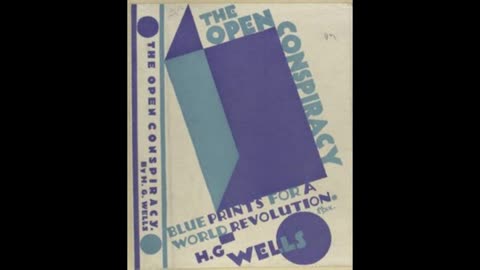
The Open Conspiracy: Blueprints for a World Revolution is a book by H.G. Wells (1928)

The History of the Fabian Society by Edward R. Pease (1916)

The New Machiavelli by: H.G. Wells (1911)

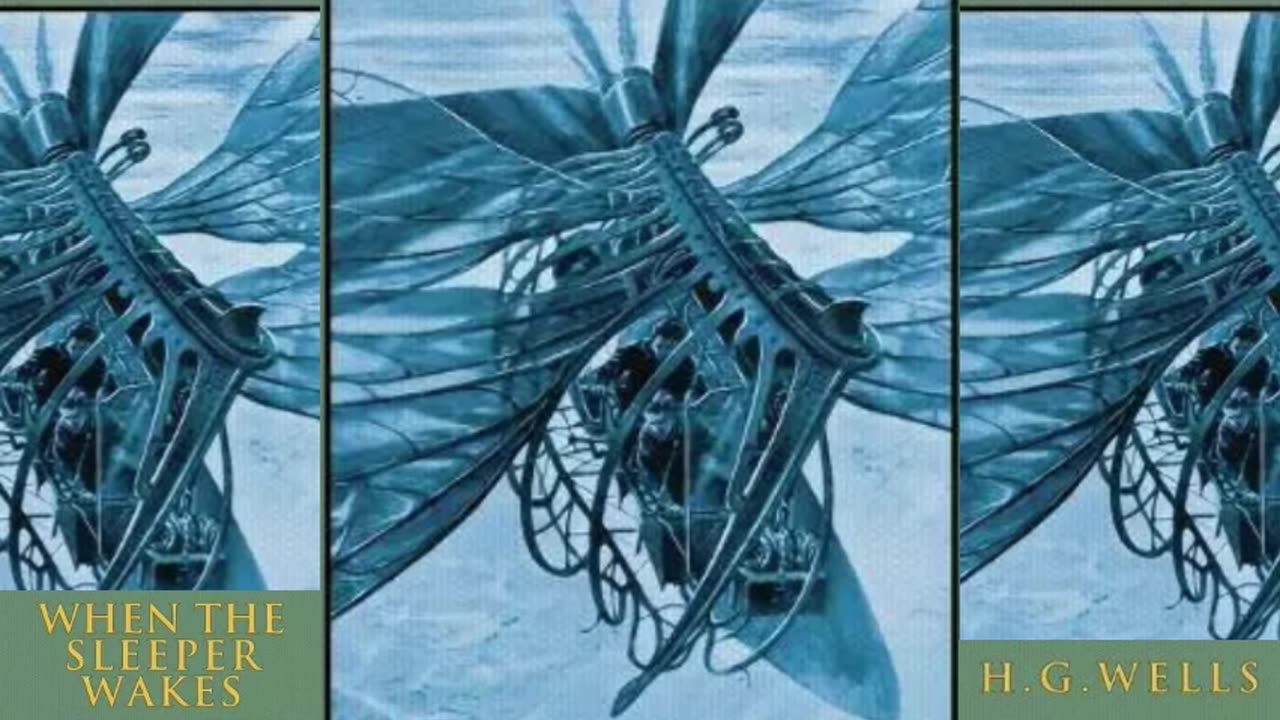
When the Sleeper Wakes by: H.G. Wells (1899)

The Chymical Wedding of Christian Rosenkreutz by: Johann Valentin (1616)

A Wonderful Visit by: H.G. Wells (1895)

The Treatise on Christ and Antichrist by Hippolytus of Rome (c. 200-220 AD)
Humanum Genus (On Freemasonry) April 20, 1884 by Pope Leo XIII - Part 4/4, Sections 51-58
Humanum Genus (On Freemasonry) April 20, 1884 PART 3/4, Sections 36-50

Humanum Genus (On Freemasonry) April 20, 1884 by Pope Leo XIII - Part 2/4, Sections 17-35
Humanum Genus (On Freemasonry) April 20, 1884 by Pope Leo XIII - Part 1/4, Sections 1-16
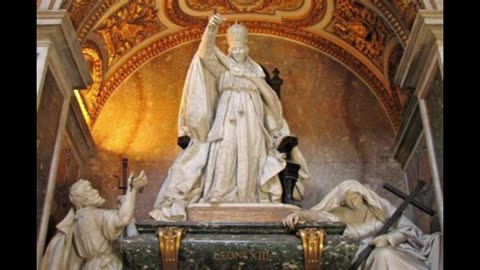
Dall'alto dell'Apostolico Seggio (On Freemasonry in Italy) by Pope Leo XIII Part 3/3: Sections 39-58
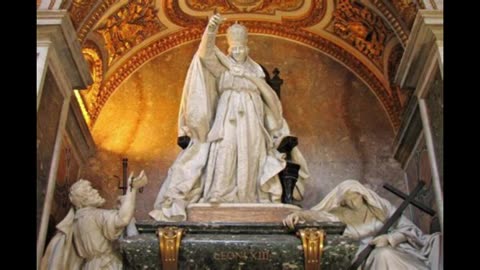
Dall'alto dell'Apostolico Seggio (On Freemasonry in Italy) by Pope Leo XIII Part 2/3: Sections 19-38

Dall'alto dell'Apostolico Seggio (On Freemasonry in Italy) by Pope Leo XIII, Part 1/3: Sections 1-18

The Wonderful Story of Ravalette by: Paschal Beverly Randolph (1863)

The Mystic Will by: Charles Godfrey Leland (1899)
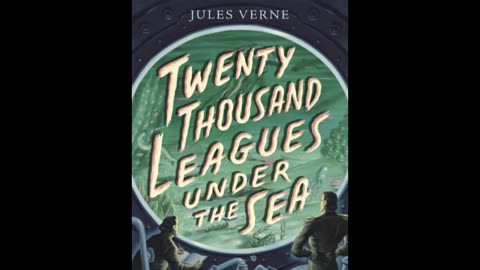
Twenty Thousand Leagues Under the Sea by: Jules Vernes

The Symbolism of Freemasonry by: Albert G. Mackey
Freemasonry From A to Z by: Dr. John Coleman
Zanoni by Edward Bulwer Lytton (1842)

A Practical Guide to Self-Hypnosis by: Melvin Powers

Tom Clark and His Wife, the Rosicrucian's Story by Paschal Beverly Randolph (1863)

Doctor Ox's Experiment by Jules Vernes (1872)

The Secret Doctrine by Blavatsky Part 9/9 Sections 86-96
The Secret Doctrine by Blavatsky Part 8/9 Sections 77-85
The Secret Doctrine by Blavatsky Part 7/9 Sections 69-76

The Secret Doctrine by Blavatsky Part 6/9 Sections 59-68
The Secret Doctrine by Blavatsky Part 5/9 Sections 48-58
The Secret Doctrine by Blavatsky Part 4/9 Sections 37-47
The Secret Doctrine by Blavatsky Part 3/9 Sections 24-36
The Secret Doctrine by Blavatsky Part 2/9 Sections 13-23
The Secret Doctrine by Blavatsky Part 1/9 Sections 1-12
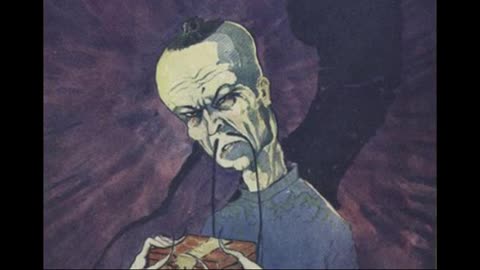
Shadow Forms: A Collection of Occult Stories by: Manly P. Hall (1930)
The Bohemian Club 1969 Little Red Book - By-Laws & Officers
The Bohemian Club 1973 Little Red Book - History, Former Officers, In Memorium, Rules
Annals of Bohemian Club Vol. IX - Music & Musicians in Bohemia The First One Hundred Years

The Annals of the Bohemian Club Volume VII: 1988-1996
Great Ghost Stories by: Various Authors
Baron Trump’s Marvellous Underground Journey (1893)
The Hidden Church of the Holy Graal 2/2 by: Edward Arthur Waite
The Hidden Church of the Holy Graal 1/2 by: Edward Arthur Waite

The Kybalion: A Study of the Hermetic Philosophy of Ancient Egypt and Greece By: The Three Initiates
When the Sleeper Wakes by: H.G. Wells (1899)
When the Sleeper Wakes is one of H.G. Wells' early forays into dystopian science fiction, originally published in 1899. The novel presents a bleak vision of the future, offering a potent mix of social commentary and imaginative speculation. The story follows Graham, a man who falls into a deep, coma-like sleep for over two centuries, only to awaken in a radically transformed world where he has unwittingly become the wealthiest and most powerful man on Earth.
The novel begins in the 19th century, with the protagonist, Graham, suffering from insomnia so severe that it leads to his entering a deep, unnatural sleep. This sleep lasts for over 200 years, during which time his modest financial investments, managed by trustees, grow exponentially, making him the symbolic owner of a vast fortune. Upon awakening in the 22nd century, Graham discovers that his wealth has given him enormous influence over a globalized society ruled by a tyrannical elite.
The new world Graham encounters is dystopian: a sprawling, mechanized society where the masses are oppressed by a wealthy minority that controls both politics and industry. The lower classes live in squalor and are kept subjugated through technology and surveillance. The few who benefit from the rigid social structure live in isolated luxury, while most of the populace is forced into monotonous labor under harsh conditions.
As Graham adjusts to this disorienting reality, he learns that he is seen as a figurehead by the people and the ruling oligarchy alike. The masses look to him as a potential savior, while the elite seek to control him and maintain their grip on power. The novel’s central conflict emerges as Graham grapples with the moral responsibility thrust upon him, facing the choice between aiding the revolution against the oppressive regime or succumbing to the manipulations of those who have maintained control during his long sleep.
Wells explores several key themes in When the Sleeper Wakes, many of which are reflective of his broader concerns about industrialization, capitalism, and class struggle:
One of the novel's primary themes is the sharp divide between the ruling elite and the working masses. Wells depicts a future where technological advances have concentrated wealth and power into the hands of a few, exacerbating inequality and fostering widespread discontent. The novel critiques unchecked capitalism, suggesting that the future may hold even greater exploitation of the working class.
The mechanization of society is central to the dystopian world Wells envisions. The technology that powers the futuristic cities and maintains the ruling class's control has a dehumanizing effect, transforming workers into cogs in the industrial machine. This alienation resonates with Wells’ broader critique of the industrial revolution, where he saw technology as both a tool of progress and a source of dehumanization.
A significant part of the novel involves Graham’s internal struggle over whether to lead or support a revolutionary uprising against the oppressive elite. This theme reflects Wells' own socialist leanings and his belief that social revolution could be necessary to create a more just and equitable society.
As Graham transitions from an ordinary man into a figurehead with immense influence, the novel explores the complexities of power and the moral responsibilities that come with it. Graham's dilemma—whether to embrace his role as a leader of the oppressed or to allow himself to be manipulated by the existing power structures—mirrors the broader question of how individuals and societies should wield power.
In 1910, Wells revised the novel, releasing it under the new title The Sleeper Awakes. This edition streamlined some of the original plot and addressed Wells’ dissatisfaction with aspects of the initial publication. In particular, the revisions made the narrative more cohesive and polished some of the world-building elements.
When the Sleeper Wakes was not as commercially successful as some of Wells’ other works upon its initial release, but it has since gained recognition as an important early example of dystopian fiction. The novel’s influence can be seen in later works of dystopian literature, including George Orwell’s 1984 and Aldous Huxley’s Brave New World, both of which echo Wells’ concerns about power, technology, and social inequality.
Although When the Sleeper Wakes is not as widely known as The War of the Worlds or The Time Machine, it remains a significant work in Wells’ literary career. Its portrayal of a future society dominated by corporate oligarchs, the use of advanced technology to control the masses, and the depiction of revolution make it a pioneering work in the dystopian genre. The novel’s prescient commentary on the future of capitalism, technology, and social stratification continues to resonate in modern discussions of science fiction and social theory.
About the Author:
H.G. Wells (Herbert George Wells, 1866-1946) was an English writer, historian, and social commentator, widely regarded as one of the most influential authors of the early 20th century. Best known for his pioneering works of science fiction, such as The War of the Worlds, The Time Machine, and The Invisible Man, Wells also wrote extensively on social, political, and philosophical topics.
Wells was a committed advocate for social reform and was deeply involved in the intellectual and political debates of his time. He was a member of the Fabian Society, a British socialist organization that aimed to advance the principles of democratic socialism through gradual reforms rather than revolution. His interest in social issues and his belief in the power of science and education to improve society are reflected in many of his works, including The Open Conspiracy.
Wells was a member of the Fabian Society, a British socialist organization advocating for gradual, democratic reforms rather than revolutionary change. He engaged in political debates and was known for his radical views on social reform, class inequality, and the future of human society. Although he supported socialism, he was often critical of political parties and institutions, which he felt were too slow or corrupt to bring about real change.
Wells’ personal life was often as controversial as his writings. He had multiple affairs, including one with feminist and author Amber Reeves, which heavily influenced The New Machiavelli. The affair strained his relationship with the Fabians, and this personal experience is mirrored in the novel’s exploration of sexual morality, personal ambition, and political pragmatism.
H.G. Wells is widely regarded as one of the founding fathers of science fiction, but his contributions to literature extend far beyond that genre. His explorations of political, social, and philosophical issues influenced not only his contemporaries but also future generations of writers and thinkers. His predictions about future technologies, warfare, and society were often uncannily accurate.
Wells was deeply influenced by Charles Darwin’s theory of evolution, which shaped his views on human nature, society, and progress. His writing style combined a fascination with science and the possibilities of the future with a deep skepticism of human nature and institutions. His works often reflect his belief that human progress requires a balance between scientific advancement and ethical responsibility.
-
 3:39:07
Deus Meum Que Jus
18 hours agoThe Atrocities of the Pirates by: Aaron Smith (1724)
255 -
![ON THE SUBJECT: Top Christmas Movies That Raised Millennials [Part 1]](https://1a-1791.com/video/fww1/d4/s8/1/M/E/t/I/MEtIz.0kob-small-ON-THE-SUBJECT-Top-Christma.jpg) 1:46:20
1:46:20
megimu32
5 hours agoON THE SUBJECT: Top Christmas Movies That Raised Millennials [Part 1]
46.5K8 -
 57:22
57:22
Flyover Conservatives
1 day agoChina and India are Draining Silver — Prices Are Responding Fast - Dr. Kirk Elliott; Natural Remedy You Don't Know About - Dr. Troy Spurrill | FOC Show
41.9K6 -
 LIVE
LIVE
MissesMaam
5 hours agoARC NOOBS 💚✨
275 watching -
 2:30:28
Anthony Rogers
12 hours agoEpisode 393 - Psychic Readings
21.8K2 -
 44:52
44:52
Donald Trump Jr.
10 hours agoShip Outta Luck, Plus FBI Foils LA Terror Plot and Much More | Triggered Ep.300
244K120 -
 12:50
12:50
Dr. Nick Zyrowski
4 days agoThe AMAZING Health Benefits of NAC ( N-Acetyl Cysteine) - Must See!
47.3K20 -
 1:15:43
We Like Shooting
18 hours ago $5.28 earnedDouble Tap 440 (Gun Podcast)
25.2K -
 59:03
59:03
BonginoReport
9 hours agoEvil Terrorists Target Jewish Celebration - Nightly Scroll w/ Hayley Caronia (Ep.197)
68.1K78 -
 1:02:27
The Nick DiPaolo Show Channel
11 hours agoRob Reiner, Wife Slaughtered | The Nick Di Paolo Show #1828
55.5K51