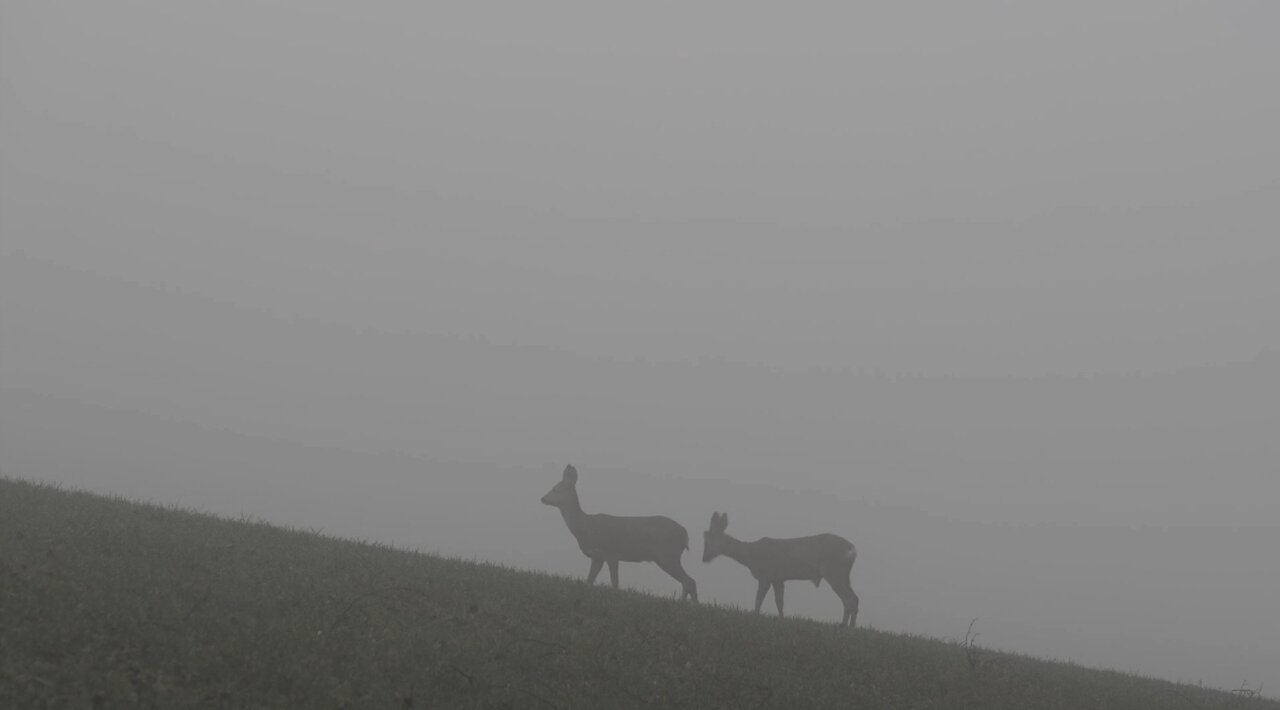
"In the Wild: The Life and Habits of Deer"
Deer are members of the family Cervidae, a group of hoofed mammals known for their grace, agility, and the iconic antlers that many species possess. These animals are found in a variety of habitats across the globe, from forests and grasslands to tundra and tropical regions. Here's more about deer:
### Physical Characteristics:
- **Size and Appearance:** Deer vary widely in size depending on the species. For example, the small pudu can stand just 14 inches at the shoulder, while the moose, the largest species of deer, can stand over 6 feet tall. Deer generally have slender, long legs, short tails, and a body shape adapted for running and jumping.
- **Antlers:** One of the most distinctive features of male deer (and some female species like reindeer) is their antlers, which are shed and regrown annually. Antlers are made of bone and can be used for defense, dominance displays, and attracting mates. Each year, the antlers grow larger and more complex.
- **Coat:** Deer coats are usually brown, tan, or gray, providing camouflage in their natural habitats. Many species have white spots when they are young, which they lose as they mature.
### Behavior and Diet:
- **Diet:** Deer are herbivores, primarily feeding on grasses, leaves, shoots, fruits, and other plant material. Some species, like the white-tailed deer, are known to eat a variety of vegetation depending on the season.
- **Ruminants:** Deer are ruminants, meaning they have a specialized stomach with multiple chambers to help digest tough plant material. They regurgitate partially digested food, known as cud, to chew it again and extract more nutrients.
- **Behavior:** Deer are typically crepuscular, meaning they are most active during dawn and dusk. They are known for their alertness and quick response to danger, often fleeing at the first sign of a threat. Deer communicate through vocalizations, body language, and scent marking.
### Habitat and Distribution:
- **Global Distribution:** Deer are native to most continents, with species found in North America, South America, Europe, Asia, and parts of Africa. They are absent from Australia and Antarctica.
- **Habitat:** Deer are highly adaptable and can thrive in a variety of environments. They are commonly found in forests, grasslands, mountains, and even suburban areas where they may come into conflict with humans due to their appetite for garden plants.
### Reproduction:
- **Breeding Season:** The breeding season, known as the rut, typically occurs in the fall. During this time, males compete for the attention of females through displays of strength, such as locking antlers in fights with other males.
- **Gestation:** After mating, the female, known as a doe, carries her young for a gestation period that varies by species but typically lasts around six to eight months.
- **Fawns:** Most deer give birth to one or two offspring, known as fawns, in the spring. Fawns are born with a spotted coat for camouflage and remain hidden in vegetation while the mother feeds nearby.
### Social Structure:
- **Herds:** Deer often live in groups called herds, which can vary in size depending on the species and season. Herds offer protection from predators, as there are more eyes to spot danger.
- **Solitary Behavior:** Some species, like the white-tailed deer, may be more solitary, particularly males outside of the breeding season.
### Predators and Threats:
- **Predators:** Deer have a range of natural predators depending on their location, including wolves, cougars, bears, and humans. Fawns are particularly vulnerable to predators such as foxes, coyotes, and birds of prey.
- **Human Impact:** Human activities, such as hunting and habitat destruction, are significant threats to deer populations. However, in some areas, deer populations have grown excessively due to the lack of natural predators and can become pests, leading to issues such as overgrazing and car collisions.
### Conservation Status:
The conservation status of deer varies by species. Some, like the white-tailed deer and mule deer, are abundant and widespread, while others, such as the Père David's deer, have been brought back from the brink of extinction through conservation efforts. Habitat protection and responsible management are key to ensuring the survival of deer species worldwide.
Deer are a symbol of grace and natural beauty, and they play a vital role in their ecosystems as both prey and as herbivores that shape plant communities. Their presence is often a sign of a healthy environment.
-
 LIVE
LIVE
Chad Prather
11 hours agoWhen God Interrupts Your Life: The Pattern for Personal and National Transformation
4,092 watching -
 LIVE
LIVE
LFA TV
12 hours agoLIVE & BREAKING NEWS! | MONDAY 12/08/25
8,080 watching -
 LIVE
LIVE
The Chris Salcedo Show
15 hours ago $1.24 earnedSCOTUS Must Give Us Justice On Birthright Citizenship
709 watching -
 LIVE
LIVE
Game On!
15 hours ago $1.16 earnedMONDAY MADNESS! NFL Week 14 REACTION And MNF BEST BETS!
449 watching -
 1:11:26
LIVE WITH CHRIS'WORLD
11 hours agoTHE WAKE UP CALL - 12/08/2025 - Episode 20
27.8K3 -
 8:29
8:29
Millionaire Mentor
12 hours agoCIA Operative Reveals the Clinton's Dirty Secret America Was Never Told
10.1K5 -
 1:10:33
Mike Mac - Say Something
14 hours agoSAY SOMETHING: BEYOND PART 2 OF INSURRECTION BARBIE w/ MikeMac
12.7K3 -
 LIVE
LIVE
BEK TV
2 days agoTrent Loos in the Morning - 12/08/2025
207 watching -
 1:08
1:08
From Zero → Viral with AI
16 hours ago $1.05 earnedAI Influencers are coming....
13.9K1 -
 LIVE
LIVE
The Bubba Army
2 days agoMTG TURNS ON TRUMP! Explosive 60 Mins Interview - Bubba the Love Sponge® Show | 12/08/25
1,440 watching