Whispering Footsteps (1943) | Directed by Howard Bretherton

Three on a Ticket (1947) | Directed by Sam Newfield

Dr. Broadway (1942) | Directed by Anthony Mann
Rome Express (1932) | Directed by Walter Forde
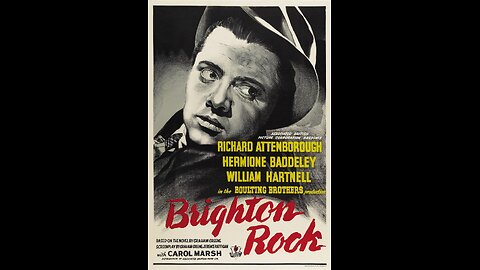
Brighton Rock (1948) | Directed by John Boulting
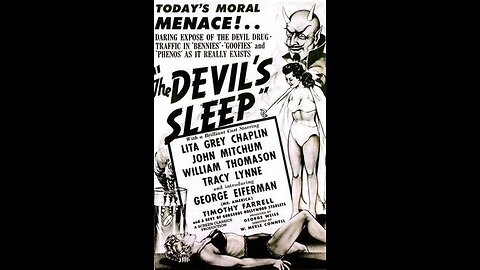
The Devil’s Sleep (1949) | Directed by W. Merle Connell
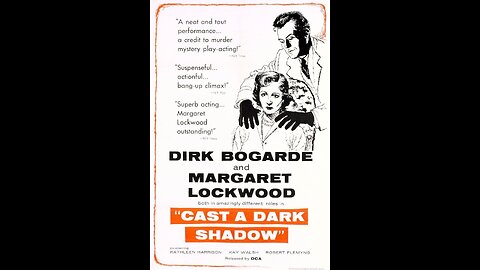
Cast a Dark Shadow (1955) | Directed by Lewis Gilbert
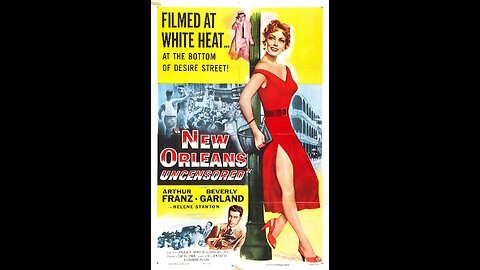
New Orleans Uncensored (1955) | Directed by William Castle
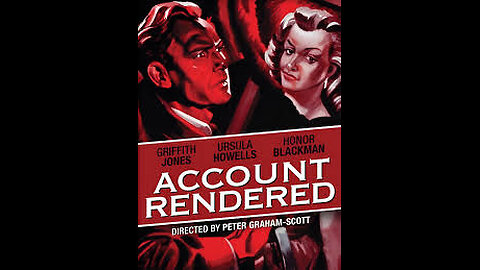
Account Rendered (1957) | Directed by Peter Graham Scott
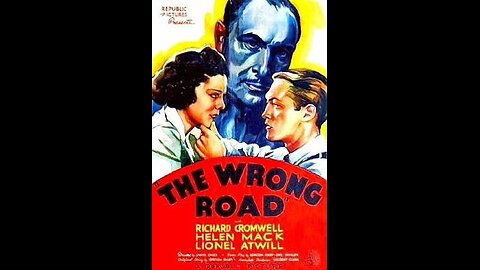
The Wrong Road (1937) | Directed by James Cruze
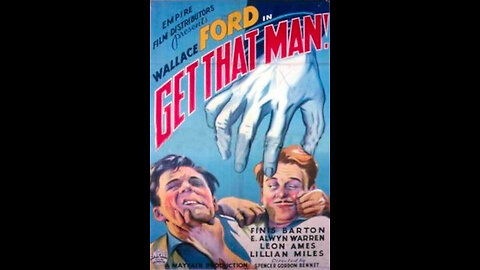
Get That Man (1935) | Directed by Spencer Gordon Bennet
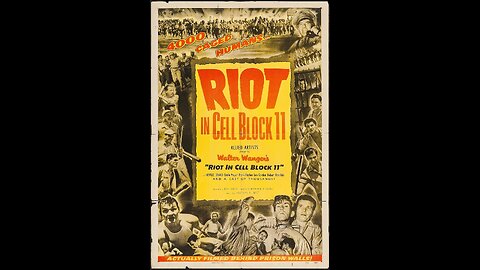
Cell Block 11 (1954) | Directed by Don Siegel
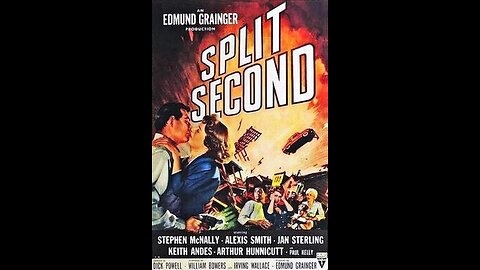
Split Second (1953) | Directed by Dick Powell
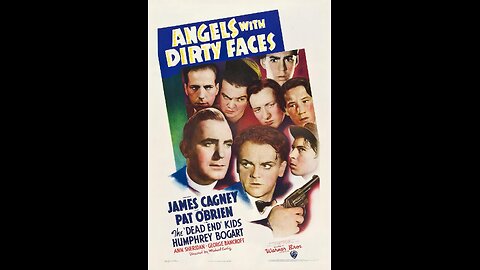
Angels with Dirty Faces (1938) | Directed by Michael Curtiz
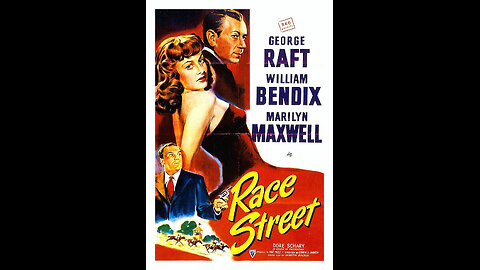
Race Street (1948) | Directed by Edwin L. Marin
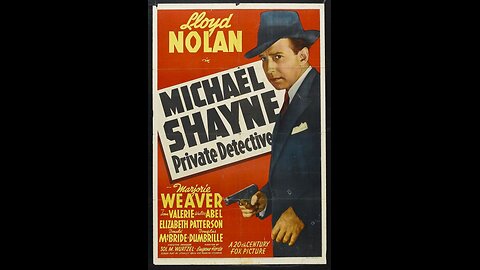
Michael Shayne, Private Detective (1940) | Directed by Eugene Forde
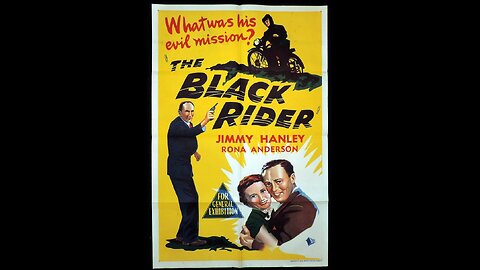
The Black Rider (1954) | Directed by Wolf Rilla
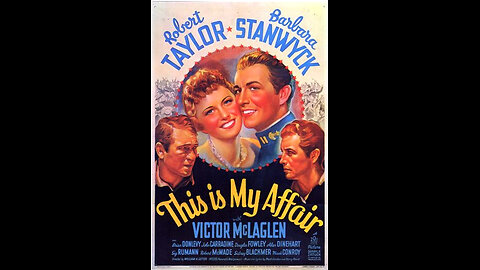
This Is My Affair (1937) | Directed by William A. Seiter
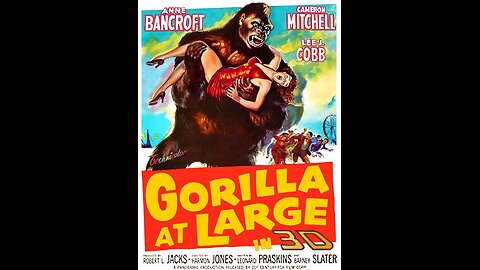
Gorilla at Large (1954) | Directed by Harmon Jones
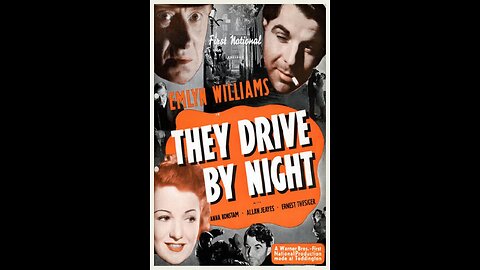
They Drive by Night (1938) | Directed by Arthur B. Woods
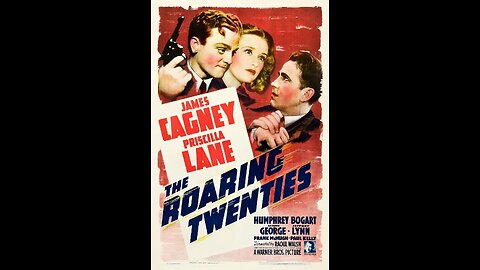
The Roaring Twenties (1939) | Directed by Raoul Walsh
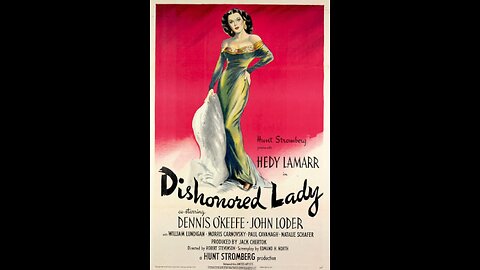
Dishonored Lady (1947) | Directed by Robert Stevenson

Man in the Dark (1953) | Directed by Lew Landers

Dead End (1937) | Directed by William Wyler
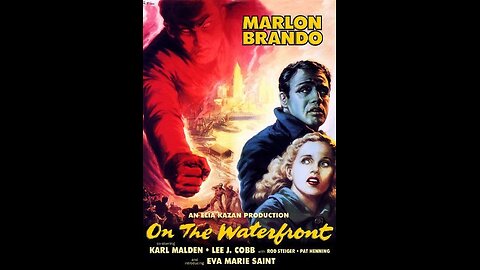
On the Waterfront (1954) | Directed by Elia Kazan
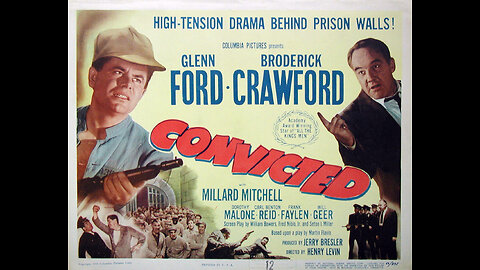
Convicted (1950) | A crime drama film directed by Henry Levin

Johnny Apollo (1940) | A crime drama film directed by Henry Hathaway
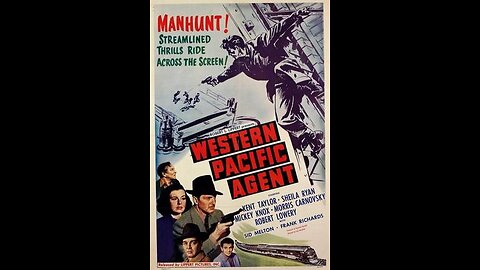
Western Pacific Agent (1950) | A crime drama directed by Sam Newfield

Fingerprints Don't Lie (1951) | American crime drama film directed by Sam Newfield
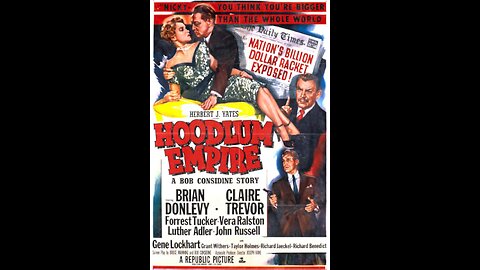
Hoodlum Empire (1952) | Directed by Joseph Kane
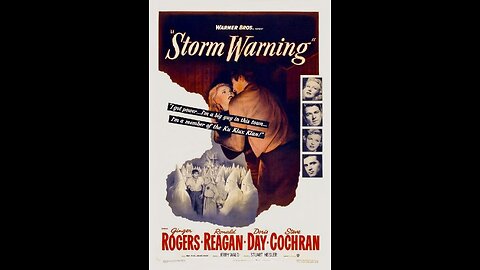
Storm Warning (1950) | Directed by Stuart Heisler
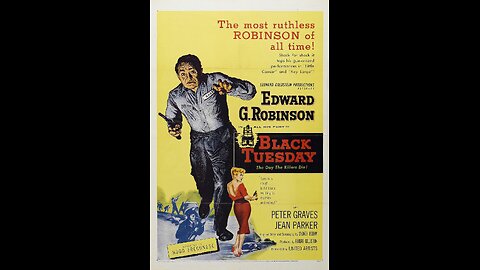
Black Tuesday (1954) | Directed by Hugo Fregonese
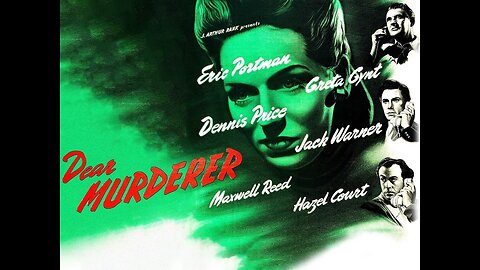
Dear Murderer (1947) | A British crime film directed by Arthur Crabtree

The Ticket of Leave Man (1937) | A British crime drama directed by George King

The Broken Horseshoe (1953) | British crime drama film directed by Martyn C. Webster

Mantrap (1953) | British crime film directed by Terence Fisher

Johnny Stool Pigeon (1949) | Directed by William Castle
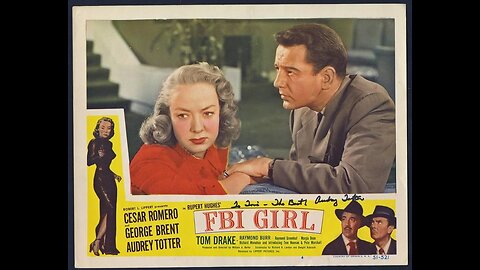
F.B.I. Girl (1952) | Directed by William Berke

Tough Assignment (1949) | Directed by William Beaudine

The Gambler and the Lady (1952) | Directed by Patrick Jenkins
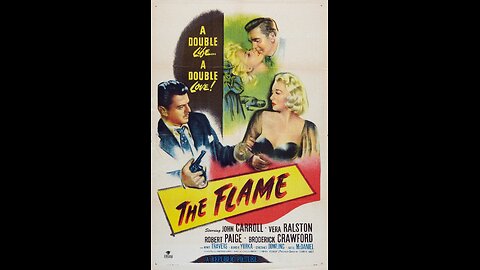
The Flame (1947) | Directed by John H. Auer
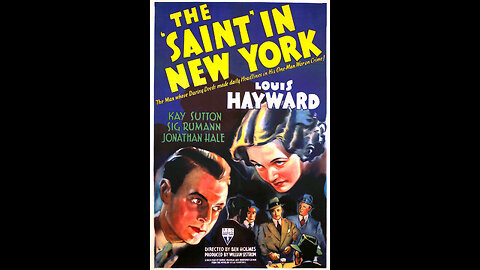
The Saint in New York (1938) | Directed by Ben Holmes

Parole, Inc. (1948) | Directed by Alfred Zeisler

The Maltese Falcon (1941) | Directed by John Huston

High Sierra (1941) | Directed by Raoul Walsh

Undercover Girl (1950) | Directed by Joseph Pevney
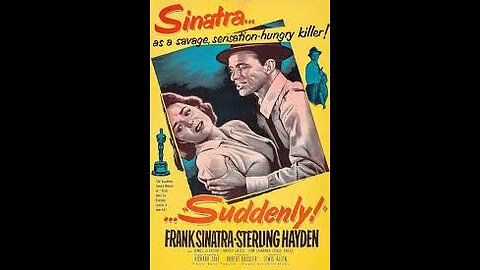
Suddenly (1954) | Directed by Lewis Allen
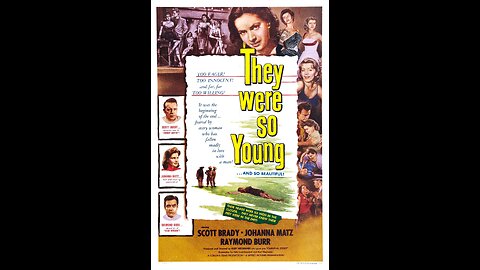
They Were So Young (1954) | Directed by Kurt Neumann
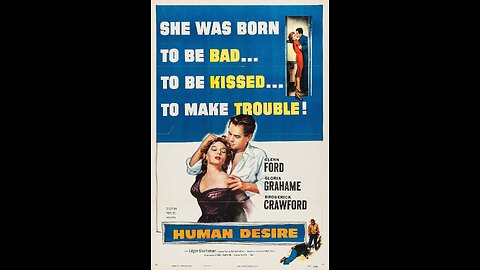
Human Desire (1954) | Directed by Fritz Lang
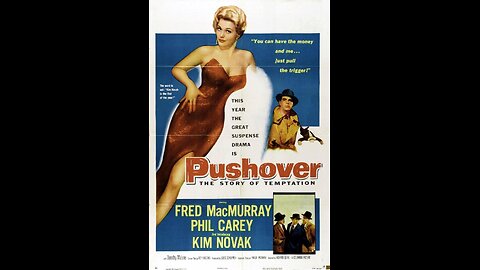
Pushover (1954) | Directed by Richard Quine
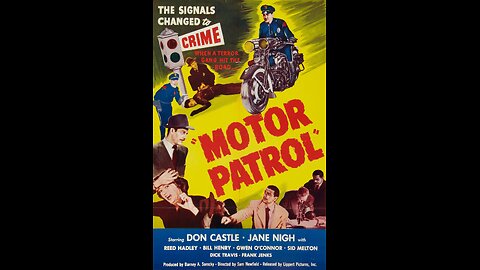
Motor Patrol (1950) | Directed by Sam Newfield

The Shop at Sly Corner (1947) | British crime drama film directed by George King

The Man from Cairo (1953) | Crime thriller film starring George Raft
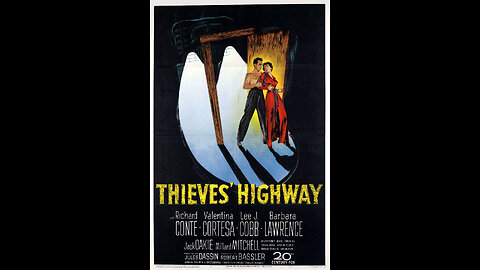
Thieves' Highway (1949) | Directed by Jules Dassin
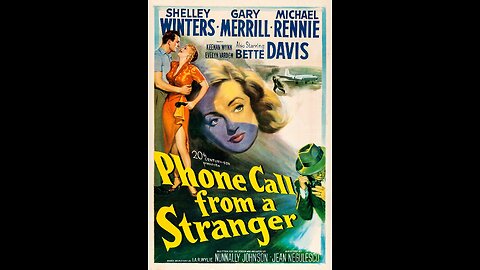
Phone Call from a Stranger (1952) | Directed by Jean Negulesco
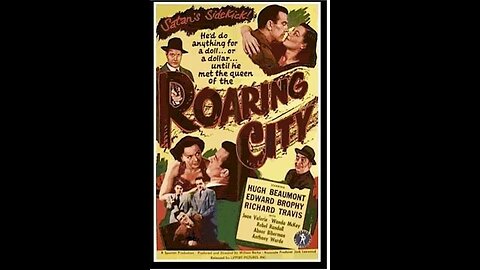
Roaring City (1951) | Directed by William Berke
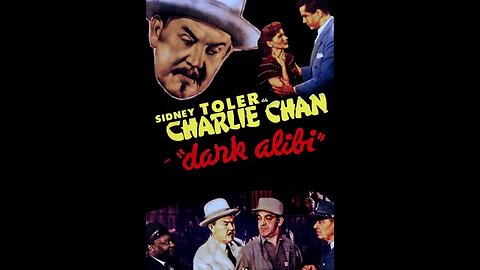
Dark Alibi (1946) | Directed by Phil Karlson
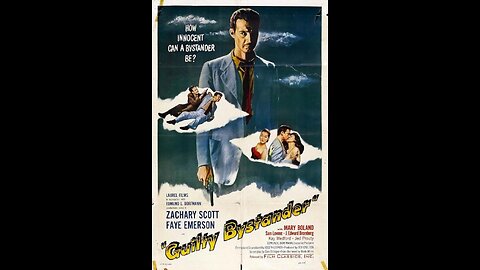
Guilty Bystander (1950) | Directed by Joseph Lerner

Night and the City (1950) | Directed by Jules Dassin
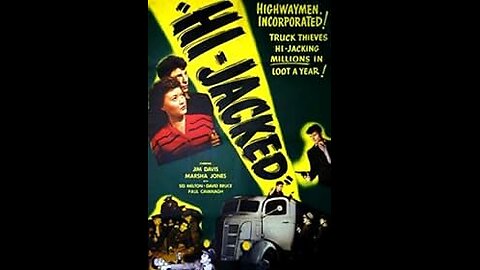
Hi-Jacked (1950) | Directed by Robert Siodmak
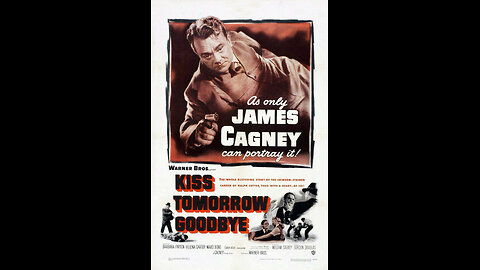
Kiss Tomorrow Goodbye (1950) | Directed by Gordon Douglas
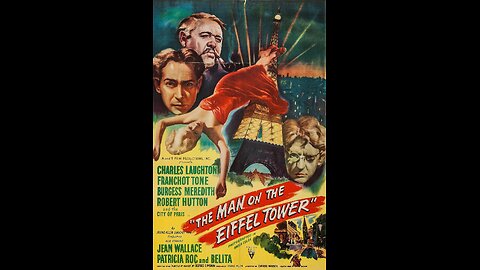
The Man on the Eiffel Tower (1949) | Directed by Burgess Meredith
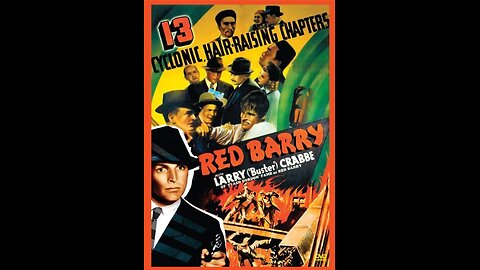
Red Barry (1938) | Directed by Ford Beebe and Alan James
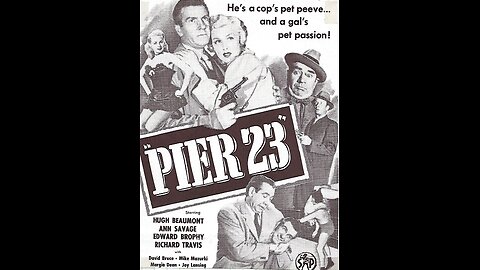
Pier 23 (1951) | Directed by William Berke
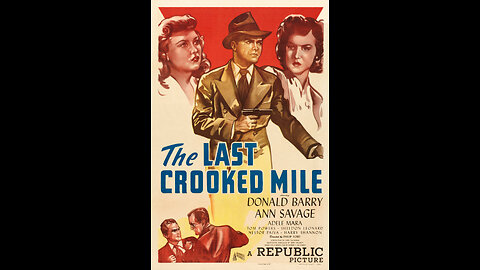
The Last Crooked Mile (1946) | Directed by Philip Ford
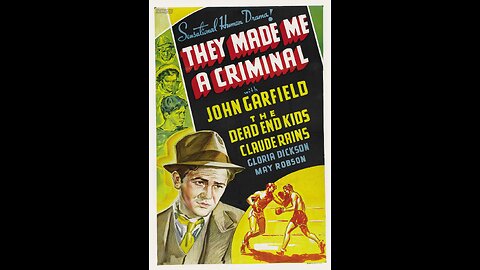
They Made Me a Criminal (1939) | Directed by Busby Berkeley
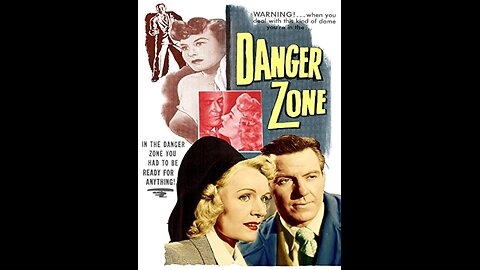
Danger Zone (1951) | Directed by William Berke

Calling Bulldog Drummond (1951) | Directed by Victor Saville

Enter Arsène Lupin (1944) | Directed by Ford Beebe
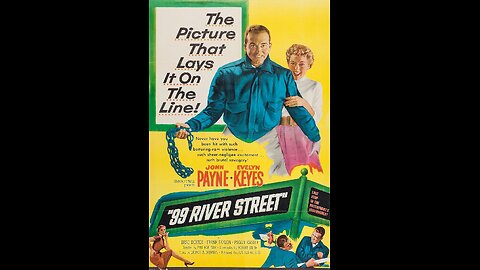
99 River Street (1953) | Directed by Phil Karlson
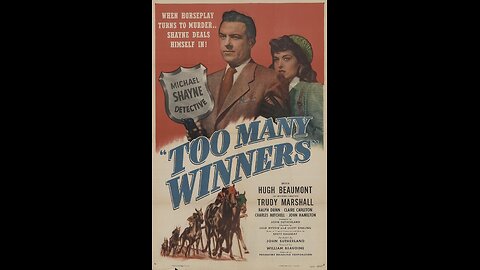
Too Many Winners (1947) | Directed by William Beaudine

Try and Get Me! (1950) | Directed by Cyril Endfield
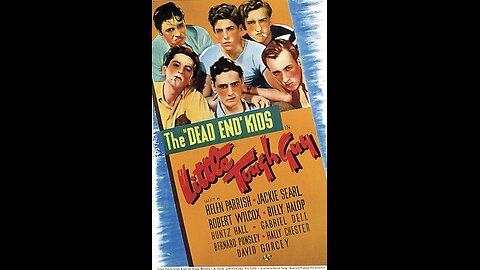
The "Dead End" Kid in "Little Tough Guy" (1938) | Directed by Harold Young

Take One False Step (1949) | Directed by Chester Erskine

Port of New York (1949) | Directed by László Benedek
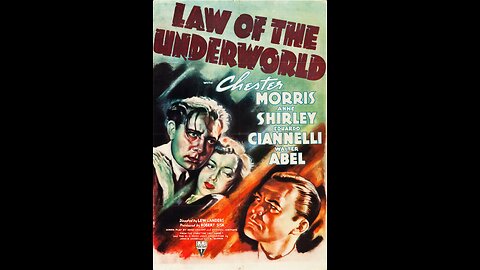
Law of the Underworld (1938) | Directed by Lew Landers

Violated (1953) | Directed by Walter Strate

A Man Betrayed (1941) | Directed by John H. Auer

The Lone Wolf Takes a Chance (1941) | Directed by Sidney Salkow
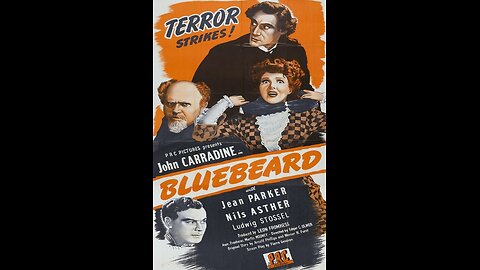
Bluebeard (1944) | Directed by Edgar G. Ulmer

The Chance of a Lifetime (1943) | Directed by William Castle

The Frightened Man (1952) | Directed by John Gilling

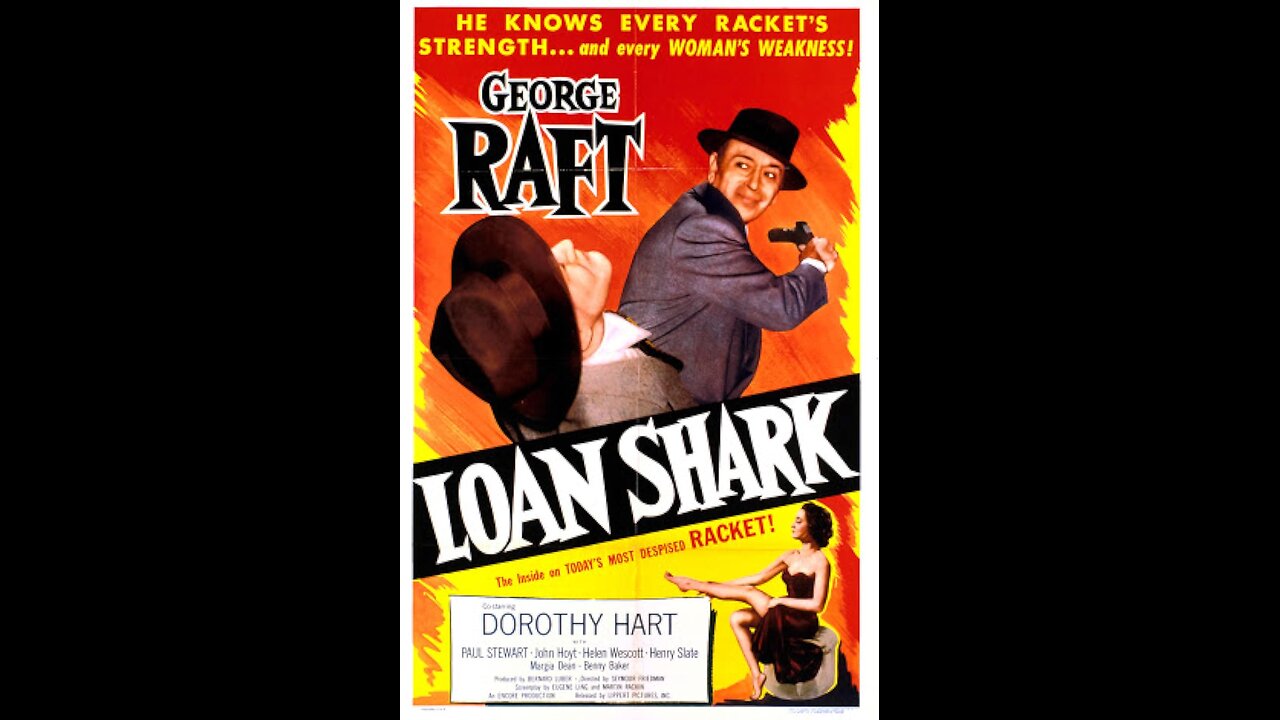
Loan Shark (1952) | Directed by Seymour Friedman

The Face Behind the Mask (1941) | Directed by Robert Florey
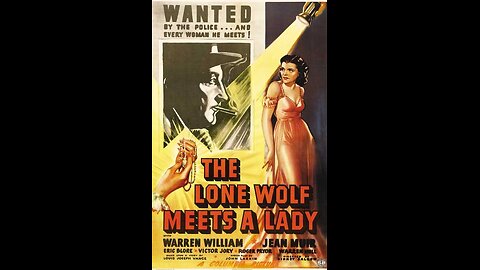
The Lone Wolf Meets a Lady (1940) | Directed by Sidney Salkow
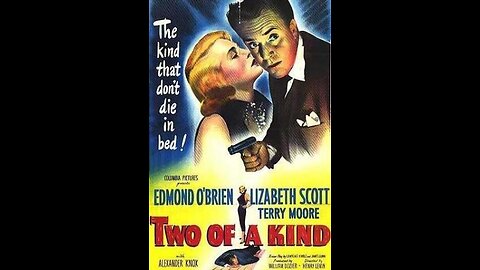
Two of a Kind (1951) | Directed by Henry Levin
Loan Shark (1952) | Directed by Seymour Friedman
"Loan Shark" (1952) is a gritty crime drama directed by Seymour Friedman and starring George Raft, a well-known tough-guy actor, in the lead role. The film is set in the shadowy world of illegal loan sharking and explores themes of crime, vengeance, and redemption. George Raft stars as Joe Gargen, an ex-convict who is reluctantly pulled back into the criminal underworld to seek justice after his brother-in-law is murdered by a loan shark syndicate.
Joe, trying to live a straight life after his release from prison, is thrust back into action when his sister's husband is killed after getting entangled with dangerous loan sharks. As Joe infiltrates the organization responsible for his brother-in-law’s death, he finds himself walking a dangerous line between law enforcement and the criminal world. He poses as a laborer at a factory targeted by loan sharks, gathering information to bring the syndicate down from the inside.
With the help of Ann Nelson (Dorothy Hart), a worker at the factory who gets involved in the plot, Joe begins to unravel the intricate network of loan sharks led by the cunning Lou Donelli (Paul Stewart). However, as Joe gets deeper into the world he had left behind, he must confront his own demons and the question of whether he can truly escape his past.
"Loan Shark" combines hard-hitting action with a strong noir atmosphere, featuring shadowy cinematography and tense sequences. It’s a revenge-driven narrative where the protagonist’s moral ambiguity plays a central role, making it a quintessential film noir of the early 1950s.
"Loan Shark" is a representative entry in the film noir genre of the early 1950s, driven largely by George Raft’s commanding screen presence and the film’s exploration of criminal elements lurking beneath the surface of everyday life. Raft, known for his tough-guy roles in films like Scarface and They Drive by Night, brings a steely resolve and depth to the character of Joe Gargen. His performance is nuanced, as he navigates the fine line between justice and revenge, giving the film a dark, morally complex center.
Dorothy Hart provides strong support as Ann Nelson, the film's leading lady, who becomes entangled in Joe’s dangerous mission. Her character is well-rounded, offering both romantic interest and emotional depth to the otherwise gritty narrative. Paul Stewart, as the menacing Lou Donelli, is suitably villainous, portraying the loan shark syndicate leader with cold, calculating ruthlessness that adds to the tension and danger of the plot.
The film’s direction by Seymour Friedman is taut and efficient, focusing on creating suspense through sharp dialogue and tense confrontations rather than relying on excessive action sequences. Friedman’s workmanlike approach, along with Harry Neumann’s cinematography, captures the claustrophobic, shadowy environments that define the noir aesthetic. Factories, alleyways, and seedy offices create an atmosphere where danger lurks around every corner, reinforcing the theme of inescapable fate that runs throughout the film.
The pacing of "Loan Shark" is generally tight, although there are moments where the plot takes predictable turns. However, the strong performances and the film’s ability to maintain a sense of tension and moral ambiguity make it an effective crime drama. It is a solid example of post-war noir, where the trauma of the past and the uncertainty of the future are reflected in the characters’ lives.
At the time of its release, "Loan Shark" received mixed to positive reviews. George Raft’s performance was generally praised, with critics acknowledging that he brought his usual tough-guy charm to the role. Many reviewers appreciated the film’s dark, atmospheric portrayal of the loan shark business, a topic that was rarely explored in films of the era. Paul Stewart, in particular, garnered attention for his role as the villain, with critics noting his ability to convey menace with a calm, understated performance.
However, some criticism was directed toward the film’s formulaic plot. The narrative, while engaging, was seen as typical for crime dramas of the time, following predictable patterns of revenge and redemption. Despite this, the film’s strong noir elements, effective pacing, and performances helped elevate it beyond a standard crime story.
"Loan Shark" wasn’t a major box office success, but it found its place among fans of noir and crime films. Its exploration of themes such as the corrupting nature of crime and the difficulty of escaping one’s past resonated with audiences of the time, particularly in the post-World War II context.
Legacy:
While "Loan Shark" may not be one of the most iconic film noirs, it holds its own as a solid example of the genre. The film has since become a staple for fans of George Raft, who delivered one of his more memorable performances in the later stage of his career. It also remains noteworthy for its depiction of the illegal loan shark industry, a rarely tackled subject in classic Hollywood films.
The film’s gritty realism, combined with its moral complexity, makes it a valuable addition to the canon of 1950s noir. For modern viewers, "Loan Shark" offers a glimpse into the concerns of postwar America, particularly regarding crime and corruption. It stands as a reminder of the pervasive influence of noir on American cinema, and for those interested in crime thrillers of the era, it is an entertaining and suspenseful film that still holds relevance today.
Full Cast:
George Raft as Joe Gargen
Dorothy Hart as Ann Nelson
Paul Stewart as Lou Donelli
John Hoyt as Vince Phillips
Helen Westcott as Martha Gargen
Russell Johnson as Charlie Thompson
Henry Slate as Paul Nelson
Margia Dean as Mae
George Selk as Pop
-
 1:58:33
Classic Films & Movies Archive
5 hours agoBattleground (1949) | Directed by William A. Wellman
52 -
 1:37:33
efenigson
12 hours agoUnapologetically Yourself: The Courage to Speak & Be Different - Zuby | Ep. 111
701 -
 1:07:27
Inverted World Live
2 hours agoAI Person of the Year & Robot Wolves in Japan | Ep. 153
28.3K4 -
 3:03:11
TimcastIRL
3 hours agoRob Reiner MURDERED, Son Arrested, Trump Faces Backlash Over Comments | Timcast IRL
208K98 -
![ON THE SUBJECT: Top Christmas Movies That Raised Millennials [Part 1]](https://1a-1791.com/video/fww1/d4/s8/1/M/E/t/I/MEtIz.0kob-small-ON-THE-SUBJECT-Top-Christma.jpg) 1:46:20
1:46:20
megimu32
2 hours agoON THE SUBJECT: Top Christmas Movies That Raised Millennials [Part 1]
16.4K7 -
 57:22
57:22
Flyover Conservatives
22 hours agoChina and India are Draining Silver — Prices Are Responding Fast - Dr. Kirk Elliott; Natural Remedy You Don't Know About - Dr. Troy Spurrill | FOC Show
13.2K1 -
 LIVE
LIVE
MissesMaam
2 hours agoARC NOOBS 💚✨
155 watching -
 LIVE
LIVE
Anthony Rogers
9 hours agoEpisode 393 - Psychic Readings
84 watching -
 44:52
44:52
Donald Trump Jr.
7 hours agoShip Outta Luck, Plus FBI Foils LA Terror Plot and Much More | Triggered Ep.300
237K108 -
 12:50
12:50
Dr. Nick Zyrowski
4 days agoThe AMAZING Health Benefits of NAC ( N-Acetyl Cysteine) - Must See!
34.5K19