The Atrocities of the Pirates by: Aaron Smith (1724)

The Imitation of Christ by: Thomas à Kempis (between 1418 and 1427)
The Pilgrim’s Progress by John Bunyan (1678)
The Symbolism of Freemasonry by: Albert Gallatin Mackey, M.D. (1896)
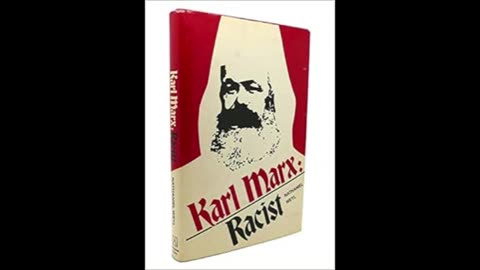
Karl Marx: Racist by Nathaniel Weyl (1968)

None Dare Call it Conspiracy by: Gary Allen (1971)
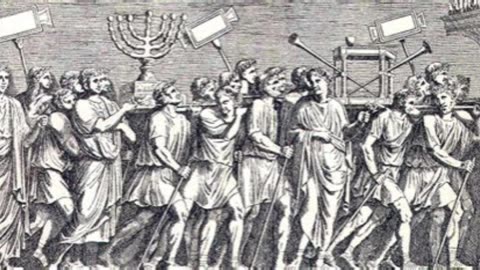
Stories of the Wars of the Jews by: Charlotte Maria Tucker (A.L.O.E.)
Montezuma’s Castle and Other Weird Tales by Charles B. Cory (1899)
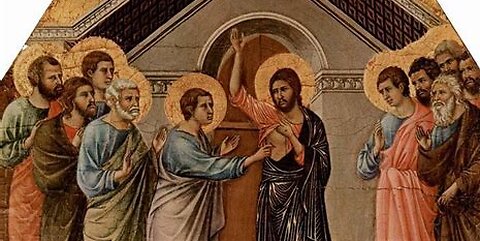
Christianity in the Apostolic Age by: George T. Purves (1900)
Enchiridion Militis Christiani (English: Handbook of a Christian Knight, 1503)

The Thirty Years' War, 1618-1648 by: Samuel Rawson Gardiner
The Origins of Christianity by Thomas Whittaker (1856–1935)

The Historical Jesus: Lecture Series by Professor Bart D. Ehrman
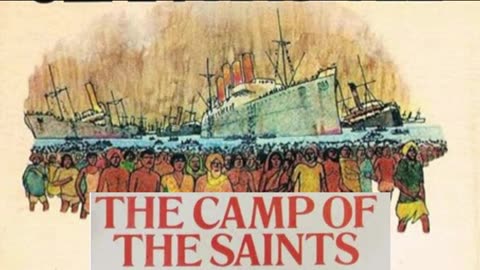
The Camp of the Saints by: Jean Raspail
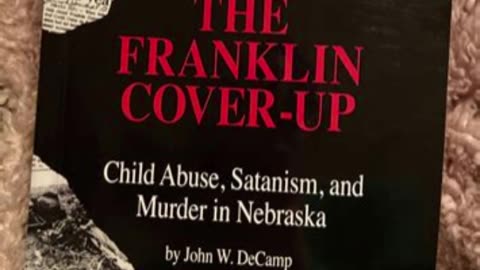
The Franklin Cover-up: Child Abuse, Satanism, and Murder in Nebraska by: John W. DeCamp
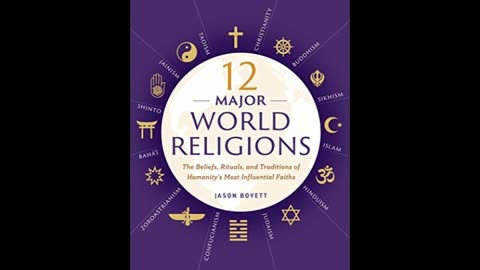
12 Major World Religions: The Beliefs, Rituals, and Traditions of Humanity’s Most Influential Faiths

The Fourth Turning: An American Prophecy by: William Strauss and Neil Howe
The Hill of Dreams by Arthur Machen (1907)
The Great God Pan by Arthur Machen (1894)
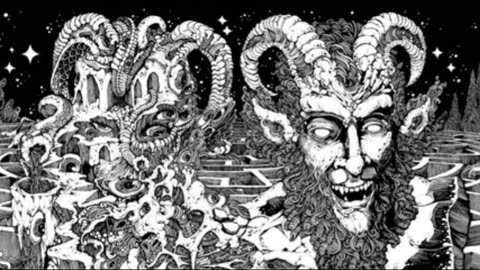
The White People by Arthur Machen (Written 1899, Published 1904)
The Republic by: Plato
Protagoras by: Plato
The Shining Pyramid: The Definitive Edition by: Arthur Machen
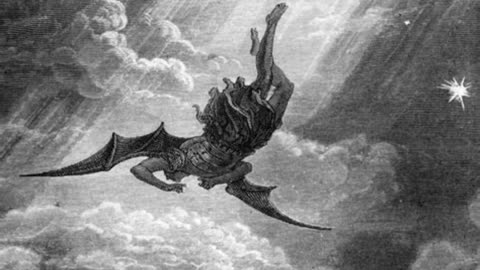
Paradise Lost by: Milton
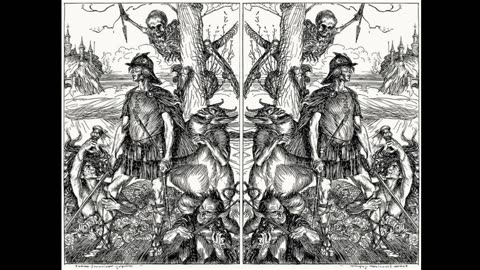
A Modern Utopia by H. G. Wells (1905)

The World Set Free by H. G. Wells (1914)
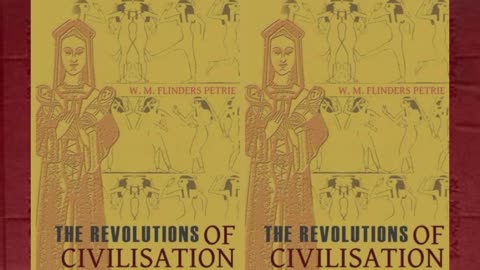
The Revolutions of Civilization by William Matthew Flinders Petrie (1911)
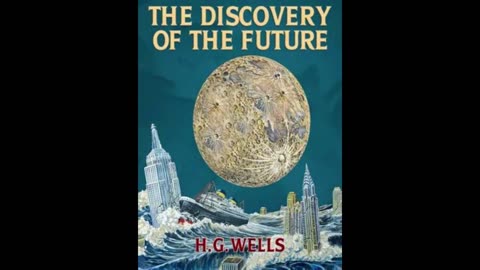
The Discovery of the Future by H. G. Wells (1902)
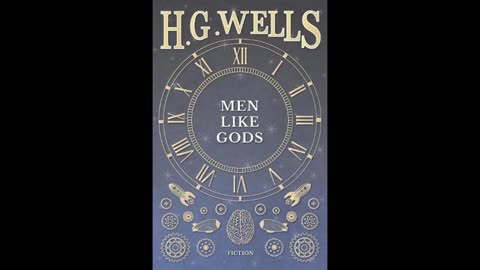
Men Like Gods by H. G. Wells (1923)
The Psychology of Peoples: Its Influence on Their Evolution by Gustave Le Bon (1894)
Household Gods by: Aleister Crowley (1912)
Courts and Criminals by: Arthur Cheney Train (1914)
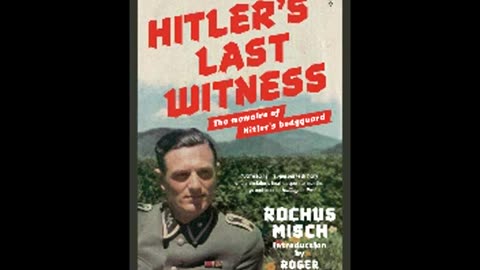
Hitler's Last Witness: The Memoirs of Hitler's Bodyguard by Rochus Misch (2008)
The Anti-Christ by Friedrich Nietzsche
The Manisis Chronicles: A Novel of Fantasy or Prophecy? by Dr. Eugene J. Bruington
Compendium of Occult Laws by: Dr. R. Swinburne Clymer
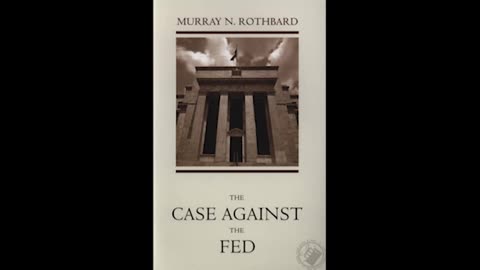
The Case Against the Fed by: Murray N. Rothbard
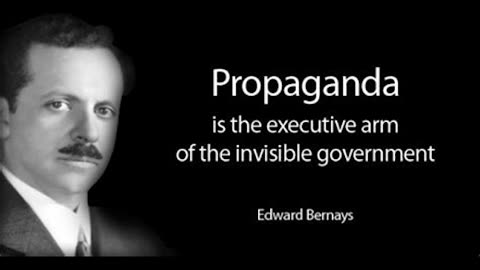
"Propaganda" by: Edward Bernays (1928)

Psychological Warfare by: Paul Linebarger
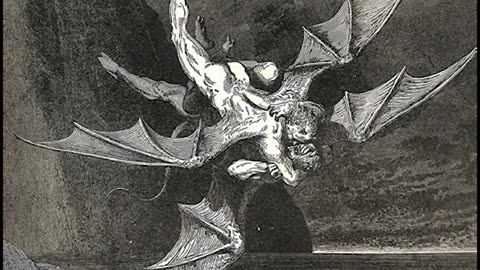
Dante's Inferno (Modern English Translation)
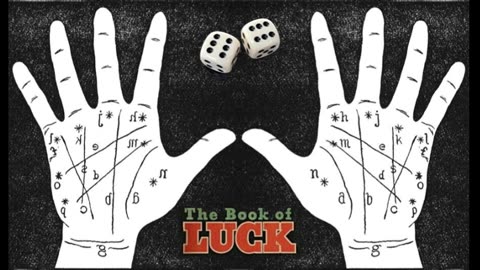
The Book of Luck by: Anonymous
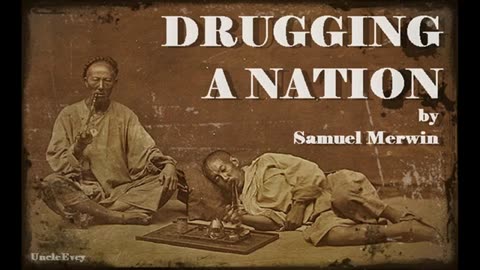
Drugging a Nation: The Story of China & the Opium Curse by Samuel Merwin (1908)
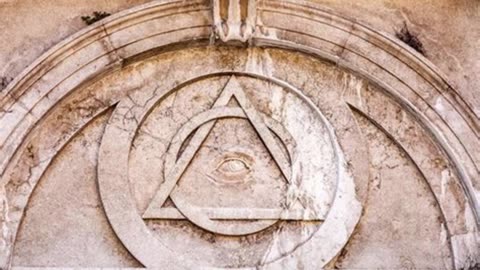
Ghosts, A Message From The Illuminati (1906) by Alexander J. McIvor-Tyndall
Marx & Satan by: Richard Wurmbrand (1986)
1900 Or, The Last President by Ingersoll Lockwood
The Flying Eyes by J. Hunter Holly
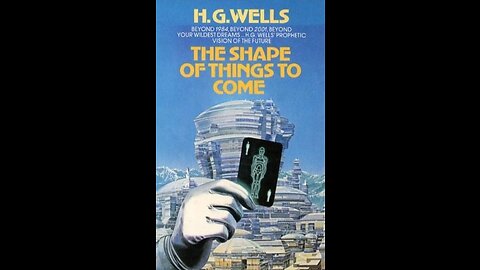
The Shape of Things to Come by: H. G. Wells (1933)
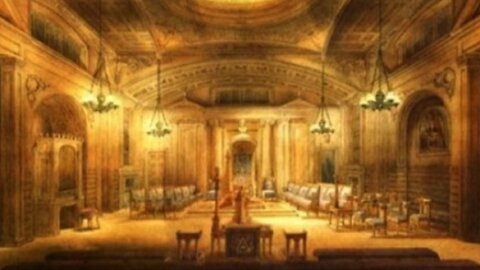
The Regius Manuscript - A Poem of Moral Duties (c. 1390)

The Matthew Cooke Manuscript (c. 1450)
Dowland's Manuscript (c. 1500)
The Charges of a Freemason (1723, Anderson's Constitution's 2/3)

The History of Freemasonry (1723, Anderson's Constitution's 1/3)
The General Regulations of Freemasonry (1723, Anderson's Constitution's 3/3)

Anderson's Constitutions (1723) FULL
Secret Societies: A Sinister Agenda Exposed by: William Cooper (1983)
Silent Weapons for Quiet Wars
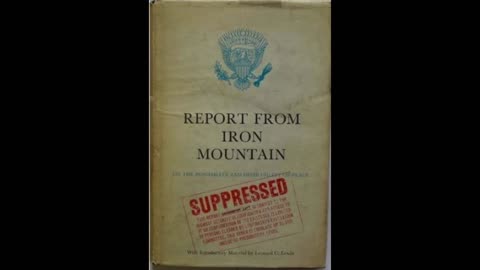
Report From Iron Mountain on the Possibility and Desirability of Peace

A Proposed Constitutional Model for the Newstates of America

The Secret Teachings of All Ages by: Manly P. Hall
![The Official C.I.A. Manual of Trickery and Deception [DECLASSIFIED]](https://1a-1791.com/video/s8/1/K/R/T/v/KRTvm.oq1b-small-The-Official-C.I.A.-Manual-.jpg)
The Official C.I.A. Manual of Trickery and Deception [DECLASSIFIED]
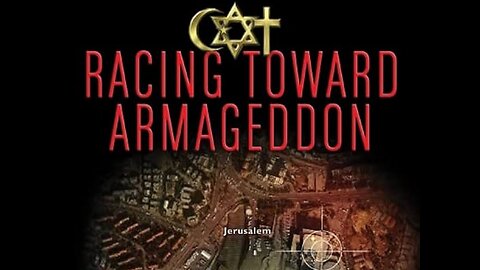
Racing Toward Armageddon: The Three Great Religions and the Plot to End the World by Michael Baigent (audiobook)

The United Nations Charter

The Initiates of the Flame by Manly P. Hall (1922)

The Initiates of the Flame by Manly P. Hall, 1922 (just the illustrations)
Atlantis: An Interpretation by: Manly P. Hall (1976)
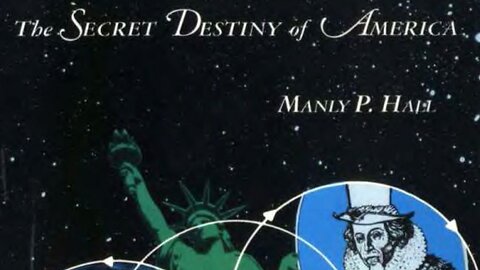
The Secret Destiny of America by: Manly P. Hall

The Lost Keys of Masonry: The Legend of Hiram Abiff by: Manly Hall (2nd Edition)

The Brotherhood: The Secret World of the Freemasons by: Stephen Knight

None Dare Call It Conspiracy by: Gary Allen, co-authored with Larry Abraham

The Ways Of The Lonely Ones: A Collection of Mystical Allegories by: Manly Hall
Masonry: Beyond the Light by William Schnoebelen
On the Origins of Free-Masonry by: Thomas Paine
The Club of Rome by Dr. John Coleman
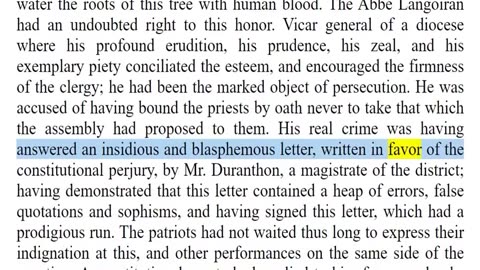
The History of the Clergy During The French Revolution: A Work Dedicated to the English Nation
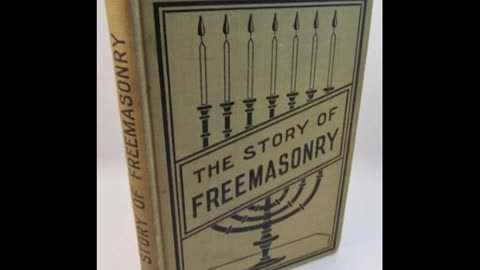
The Story of Freemasonry by: W. G. Sibley (1904)

The Mysticism of Freemasonry by: Swinburne Clymer (1924)

Brain-Washing: A Synthesis of the Russian Textbook on Psychopolitics

The Question of Freemasonry by: Ed Decker
Secret Societies: A Sinister Agenda Exposed by: Milton William Cooper (1999)
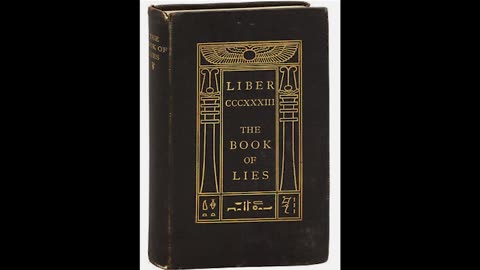
The Book of Lies by: Edward Alexander Crowley (Aleister Crowley)

Pawns in the Game by: William Guy Carr

Unrestricted Warfare by: Qiao Liang and Wang Xiangsui

The Ancient Arabic Order of the Nobles of the Mystic Shrine for North America

The Unanimous Declaration of the Thirteen United States of America

Mystic Masonry by: J.D. Buck
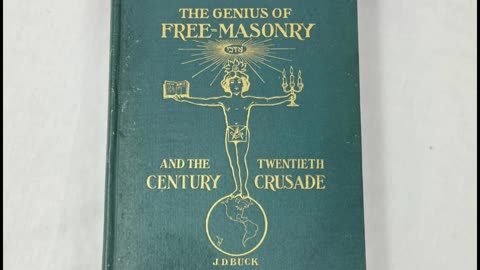
The Genius of Freemasonry and the Twentieth-Century Crusade by: J.D. Buck (1914)

Freemasonry its Hidden Meaning by George H. Steinmetz
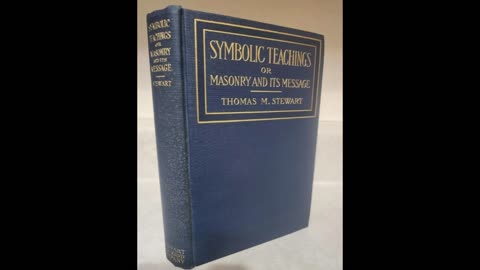
Symbolic Teachings or Masonry and its Message by: Thomas Milton Stewart
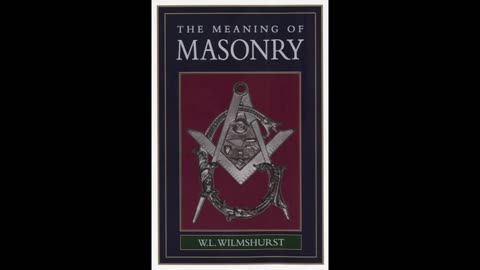
The Meaning of Masonry by W.L. Wilmshurst
Symbolism by: Milton A. Pottenger
The Pythagorean Triangle or The Science of Numbers by: Milton A. Pottenger
Hamlet by: Shakespeare

The War of Antichrist with the Church and Christian Civilization by: Monsignor George F. Dillon (1885)
Mormonism and Masonry by Samuel H. Goodwin (1920)
The Secret Rose and Rosa Alchemica by: William Butler Yeats (1897)
The Book of Mormon: Part 9 - Ether & Moroni
The Book of Mormon Part 8 - 4 Nephi & Mormon
The Book of Mormon Part 7 - 3 Nephi 1-30

The Book of Mormon: Part 6 - Helaman 1-16

The Book of Mormon: Part 5 - Alma 1-63
The Book of Mormon: Part 4 - Words of Mormon 1 & Mosiah 1-29
The Book of Mormon: Part 3 - Enos 1, Jarom 1, and Omni 1

The Book of Mormon: Part 2 - Jacob 1-7
The Book of Mormon: Part 1 - 1 Nephi, 2 Nephi
Chapter 1º - Apprentice - Morals & Dogma of the Ancient & Accepted Scottish Rite of Freemasonry
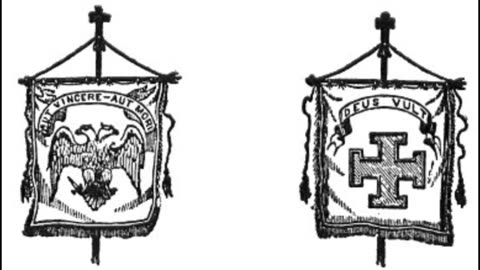
Chapter 30º - Knight Kadosh - Morals & Dogma of the Ancient & Accepted Scottish Rite of Freemasonry
The Mission of Masonry by: Joseph Fort Newton

Nox Niijosa by: Walter Leslie Wilmshurst (1917)
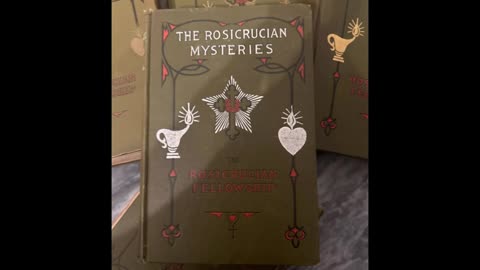
The Rosicrucian Mysteries: An Elementary Exposition of Their Secret Teachings by Max Heindel (1911)

Gleanings of a Mystic: A Series of Essays on Practical Mysticism by Max Heindel (1922)

The New Atlantis by Francis Bacon (1627)

The Wisdom of the Ancients, A Series of Mythological Fables by: Francis Bacon (1609)

Atlantis: The Antediluvian World by Ignatius Loyola Donnelly (1831 - 1901)
The Lost Island of Atlantis by: Edward Taylor Fletcher (1891)

The Coming Race by: Edward George Earle Lytton Bulwer-Lytton (1871)
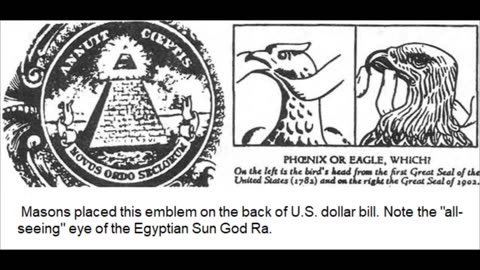
The Watchtower and the Masons by: Fritz Springmeier

The New World Order by: H.G. Wells

Programmed to Kill: The Politics of Serial Murder by David McGowan (2004)
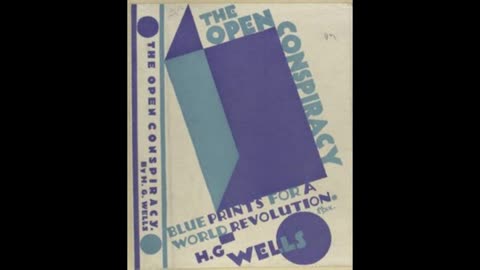
The Open Conspiracy: Blueprints for a World Revolution is a book by H.G. Wells (1928)
The History of the Fabian Society by Edward R. Pease (1916)

The New Machiavelli by: H.G. Wells (1911)

When the Sleeper Wakes by: H.G. Wells (1899)

The Chymical Wedding of Christian Rosenkreutz by: Johann Valentin (1616)

A Wonderful Visit by: H.G. Wells (1895)

The Treatise on Christ and Antichrist by Hippolytus of Rome (c. 200-220 AD)
Humanum Genus (On Freemasonry) April 20, 1884 by Pope Leo XIII - Part 4/4, Sections 51-58
Humanum Genus (On Freemasonry) April 20, 1884 PART 3/4, Sections 36-50

Humanum Genus (On Freemasonry) April 20, 1884 by Pope Leo XIII - Part 2/4, Sections 17-35
Humanum Genus (On Freemasonry) April 20, 1884 by Pope Leo XIII - Part 1/4, Sections 1-16
Dall'alto dell'Apostolico Seggio (On Freemasonry in Italy) by Pope Leo XIII Part 3/3: Sections 39-58
Dall'alto dell'Apostolico Seggio (On Freemasonry in Italy) by Pope Leo XIII Part 2/3: Sections 19-38

Dall'alto dell'Apostolico Seggio (On Freemasonry in Italy) by Pope Leo XIII, Part 1/3: Sections 1-18

The Wonderful Story of Ravalette by: Paschal Beverly Randolph (1863)

The Mystic Will by: Charles Godfrey Leland (1899)
Twenty Thousand Leagues Under the Sea by: Jules Vernes

The Symbolism of Freemasonry by: Albert G. Mackey
Freemasonry From A to Z by: Dr. John Coleman
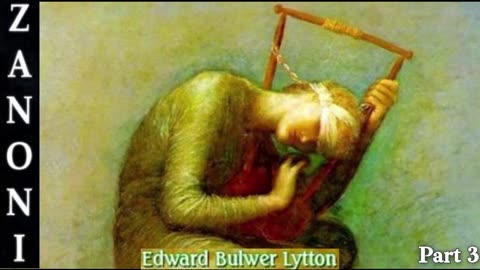
Zanoni by Edward Bulwer Lytton (1842)

A Practical Guide to Self-Hypnosis by: Melvin Powers
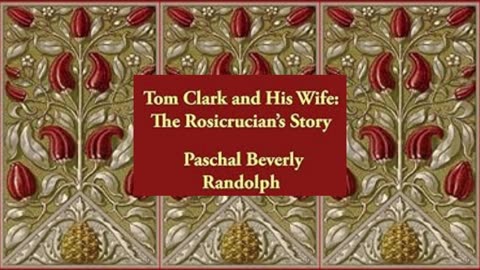
Tom Clark and His Wife, the Rosicrucian's Story by Paschal Beverly Randolph (1863)

Doctor Ox's Experiment by Jules Vernes (1872)

The Secret Doctrine by Blavatsky Part 9/9 Sections 86-96
The Secret Doctrine by Blavatsky Part 8/9 Sections 77-85
The Secret Doctrine by Blavatsky Part 7/9 Sections 69-76

The Secret Doctrine by Blavatsky Part 6/9 Sections 59-68
The Secret Doctrine by Blavatsky Part 5/9 Sections 48-58
The Secret Doctrine by Blavatsky Part 4/9 Sections 37-47
The Secret Doctrine by Blavatsky Part 3/9 Sections 24-36
The Secret Doctrine by Blavatsky Part 2/9 Sections 13-23
The Secret Doctrine by Blavatsky Part 1/9 Sections 1-12
Shadow Forms: A Collection of Occult Stories by: Manly P. Hall (1930)
The Bohemian Club 1969 Little Red Book - By-Laws & Officers
The Bohemian Club 1973 Little Red Book - History, Former Officers, In Memorium, Rules
Annals of Bohemian Club Vol. IX - Music & Musicians in Bohemia The First One Hundred Years

The Annals of the Bohemian Club Volume VII: 1988-1996
Great Ghost Stories by: Various Authors
Baron Trump’s Marvellous Underground Journey (1893)
The Hidden Church of the Holy Graal 2/2 by: Edward Arthur Waite
The Hidden Church of the Holy Graal 1/2 by: Edward Arthur Waite

The Kybalion: A Study of the Hermetic Philosophy of Ancient Egypt and Greece By: The Three Initiates
Doctor Ox's Experiment by Jules Vernes (1872)
"Doctor Ox's Experiment" (French: Une fantaisie du docteur Ox) by Jules Verne, published in 1872, is a short story that combines science fiction with satire. The story explores themes of science gone wrong, social commentary, and human nature, framed through a comedic lens. It's one of Verne’s lighter works compared to his more famous novels, but it still maintains his signature blend of speculative science and imaginative storytelling.
Plot Summary:
The story is set in the quiet, sleepy town of Quiquendone, a fictional Flemish village where everything moves at an incredibly slow pace—people, events, and even emotions are subdued. The calm life of the town’s inhabitants changes dramatically when Doctor Ox, a mysterious and eccentric scientist, proposes to install a new gas lighting system under the guise of improving public lighting. However, his real goal is to conduct a secret experiment on the town's atmosphere.
Unknown to the townspeople, Doctor Ox is pumping oxygen into the air, which begins to affect the citizens’ behavior. As the oxygen levels rise, the previously slow-moving and passive people of Quiquendone become increasingly agitated, emotional, and even violent. Arguments escalate into conflicts, and long-held grievances suddenly boil over, all while Doctor Ox and his assistant Ygène observe the chaotic results of their experiment with detached amusement.
The story reaches its climax when the townspeople are on the verge of war with a neighboring village over a trivial matter. At the last moment, Doctor Ox shuts down his experiment, and the citizens of Quiquendone revert to their usual lethargic selves, completely unaware of what had transpired.
Key Themes:
1. Satire of Science and Experimentation:
Verne pokes fun at the hubris of science, especially when used without ethical considerations. Doctor Ox's experiment is conducted purely out of curiosity, with no regard for the consequences it has on the people he’s experimenting on.
2. Social Commentary:
The story serves as a commentary on how changes in environment, particularly those influenced by science or technology, can drastically alter human behavior. It also explores how quickly people can become irrational and violent when influenced by external forces.
3. Comedic Elements:
Despite the serious themes, Verne uses comedy and satire throughout the story, making fun of the exaggerated slowness of the townspeople and the over-the-top reactions they have once their behavior changes.
4. Human Nature:
Verne reflects on the duality of human nature—how quickly people can shift from calm and composed to chaotic and irrational under the right (or wrong) conditions.
Impact and Style:
"Doctor Ox's Experiment" reflects Verne’s interest in how scientific experiments can impact society, a theme common in his larger works like "Journey to the Center of the Earth" or "Twenty Thousand Leagues Under the Sea". However, it’s unique in its satirical tone, as it leans more toward social critique than speculative adventure. The story also stands out for its lighter and more humorous approach compared to the grand, exploratory themes of his other novels.
This novella may not be as widely recognized as Verne's other works, but it still offers an insightful look into the moral questions surrounding scientific exploration, while providing an entertaining and humorous narrative.
About the Author:
Jules Verne, renowned for his adventure and science fiction novels such as Twenty Thousand Leagues Under the Sea, had various associations with influential groups during his lifetime. While there is some debate and mystery surrounding his connections to fraternal orders and secret societies, here is an overview of his known or alleged associations:
1. Freemasonry:
Jules Verne was a Freemason, initiated into Amiens Lodge, Les Frères Unis (The United Brothers) in 1888. He attained the degree of Master Mason. This association has been confirmed by multiple biographers and Masonic historians.
Some scholars speculate that Masonic symbolism and themes related to Freemasonry appear subtly in his works. These include themes of exploration, progress, and humanity's connection with nature, which align with Masonic principles of enlightenment, knowledge, and discovery.
2. Speculated Rosicrucian Ties:
There is speculation (but no definitive proof) that Verne might have had connections to Rosicrucianism, another secretive, esoteric order. This theory is based on the mystical and symbolic elements in his novels. However, there is no concrete evidence that Verne was formally involved with the Rosicrucians.
3. Influence of Occult and Esoteric Thought:
Verne’s works, especially those that explore hidden knowledge, geography, and mystical realms, have led some researchers to suggest that he had contact with occult or esoteric circles in France during the 19th century. While this has not been definitively proven, Verne’s curiosity about science, philosophy, and the unknown likely brought him into contact with many intellectual and mystical ideas of his time.
-
 3:39:07
Deus Meum Que Jus
11 hours agoThe Atrocities of the Pirates by: Aaron Smith (1724)
240 -
 12:50
12:50
Dr. Nick Zyrowski
4 days agoThe AMAZING Health Benefits of NAC ( N-Acetyl Cysteine) - Must See!
4.01K10 -
 59:03
59:03
BonginoReport
3 hours agoEvil Terrorists Target Jewish Celebration - Nightly Scroll w/ Hayley Caronia (Ep.197)
23.4K36 -
 1:02:27
The Nick DiPaolo Show Channel
5 hours agoRob Reiner, Wife Slaughtered | The Nick Di Paolo Show #1828
19.3K17 -
 22:03
22:03
Jasmin Laine
8 hours agoCBC Host Left SPEECHLESS as Poilievre Uses Their OWN Words Against Them
4.64K23 -
 LIVE
LIVE
LFA TV
1 day agoLIVE & BREAKING NEWS! | MONDAY 12/15/25
642 watching -
 1:18:27
Kim Iversen
3 hours agoShould Muslims Be Allowed in the West? | Candace and Erika Kirk FACE OFF
80.3K164 -
 LIVE
LIVE
The Mike Schwartz Show
8 hours agoTHE MIKE SCHWARTZ SHOW Evening Edition 12-15-2025
724 watching -
 1:48:12
Redacted News
4 hours agoHIGH ALERT! BONDI BEACH FALSE FLAG ATTACK AS POLICE STOOD DOWN FOR 20 MINUTES, STRATEGY OF TENSION!
169K149 -
 2:51:00
Red Pill News
4 hours agoA Deep State Christmas Carol - The Ghosts of Mass Shootings Past on Red Pill News Live
39.7K33