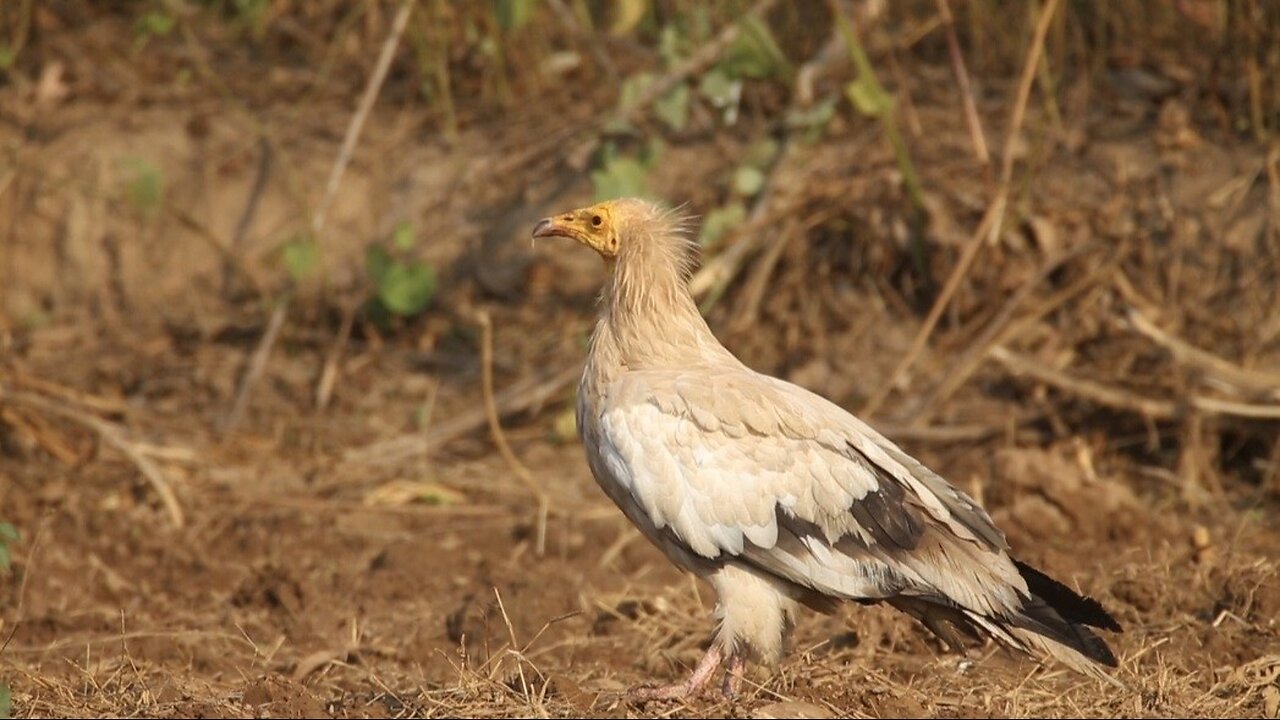
"Majestic Egyptian Vulture: Nature's Cleanup Crew in Action"
The Egyptian vulture (Neophron percnopterus) is a striking bird of prey known for its distinctive appearance and vital role in the ecosystem. Here’s an overview of its key characteristics and importance:
Physical Features:
Size: Medium-sized vulture, with a wingspan of about 1.65–1.7 meters (5.4–5.6 feet).
Plumage: Adults have white plumage with contrasting black flight feathers, a sharp contrast when they soar in the sky.
Head: Its small, bare, yellowish face is unmistakable, with piercing dark eyes.
Beak: The slender, hooked beak is perfectly adapted to scavenging.
Tail: A wedge-shaped tail, adding to its aerodynamic form in flight.
Behavior and Feeding:
Diet: Egyptian vultures are scavengers, primarily feeding on carrion (dead animals), which helps prevent the spread of disease by cleaning up decaying matter in their environment.
Tools: Uniquely among birds, Egyptian vultures are known for using tools. They use rocks to break open large eggs, such as those of ostriches.
Role in the Ecosystem: They play a crucial role in maintaining environmental health by consuming waste and reducing the presence of harmful bacteria and pathogens in decaying carcasses.
Habitat and Range:
Geographic Distribution: These vultures are widespread, found across southern Europe, North Africa, and parts of the Middle East and Central Asia. They prefer open landscapes like savannas, deserts, and semi-arid areas.
Migration: Many populations of Egyptian vultures are migratory, traveling between breeding and wintering grounds.
Conservation Status:
Threats: The Egyptian vulture is currently classified as "Endangered" by the IUCN. Major threats include habitat destruction, poisoning (often due to ingesting lead or toxins from carcasses), and collisions with wind turbines or power lines.
Conservation Efforts: Conservationists are working to protect this species through breeding programs, anti-poisoning campaigns, and habitat preservation.
Cultural Significance:
Symbolism: In ancient Egypt, the vulture was a symbol of protection and motherhood, often associated with the goddess Nekhbet. Egyptian vultures were revered for their role as nature’s cleaners, safeguarding the environment.
This species is a fascinating example of how nature's less glamorous creatures play a vital part in maintaining ecosystem balance, and their majestic presence in the wild highlights the interconnectedness of all life.
-
 35:55
35:55
ZeeeMedia
15 hours agoPfizer mRNA in Over 88% of Human Placentas, Sperm & Blood | Daily Pulse Ep 156
19.6K106 -
 LIVE
LIVE
Pickleball Now
5 hours agoLive: IPBL 2025 Day 5 | Final Day of League Stage Set for Explosive Showdowns
214 watching -
 9:03
9:03
MattMorseTV
18 hours ago $19.08 earnedIlhan Omar just got BAD NEWS.
47.1K96 -
 2:02:41
Side Scrollers Podcast
22 hours agoMetroid Prime 4 ROASTED + Roblox BANNED for LGBT Propaganda + The “R-Word” + More | Side Scrollers
142K15 -
 16:38
16:38
Nikko Ortiz
16 hours agoVeteran Tactically Acquires Everything…
31.6K1 -
 20:19
20:19
MetatronHistory
2 days agoThe Mystery of Catacombs of Paris REVEALED
22.1K3 -
 21:57
21:57
GritsGG
20 hours agoBO7 Warzone Patch Notes! My Thoughts! (Most Wins in 13,000+)
23.3K -
 2:28:08
PandaSub2000
14 hours agoMyst (Part 1) | MIDNIGHT ADVENTURE CLUB (Edited Replay)
17.3K -
 1:12:43
TruthStream with Joe and Scott
5 days agoJason Van Blerk from Human Garage: Reset your life with Fascial Maneuvers,28 day reset, Healing, Spiritual Journey, Censorship, AI: Live 12/3 #520
29.9K4 -
 24:21
24:21
The Pascal Show
1 day ago $9.67 earned'CHALLENGE ACCEPTED!' TPUSA Breaks Silence On Candace Owens Charlie Kirk Allegations! She Responds!
47.5K28