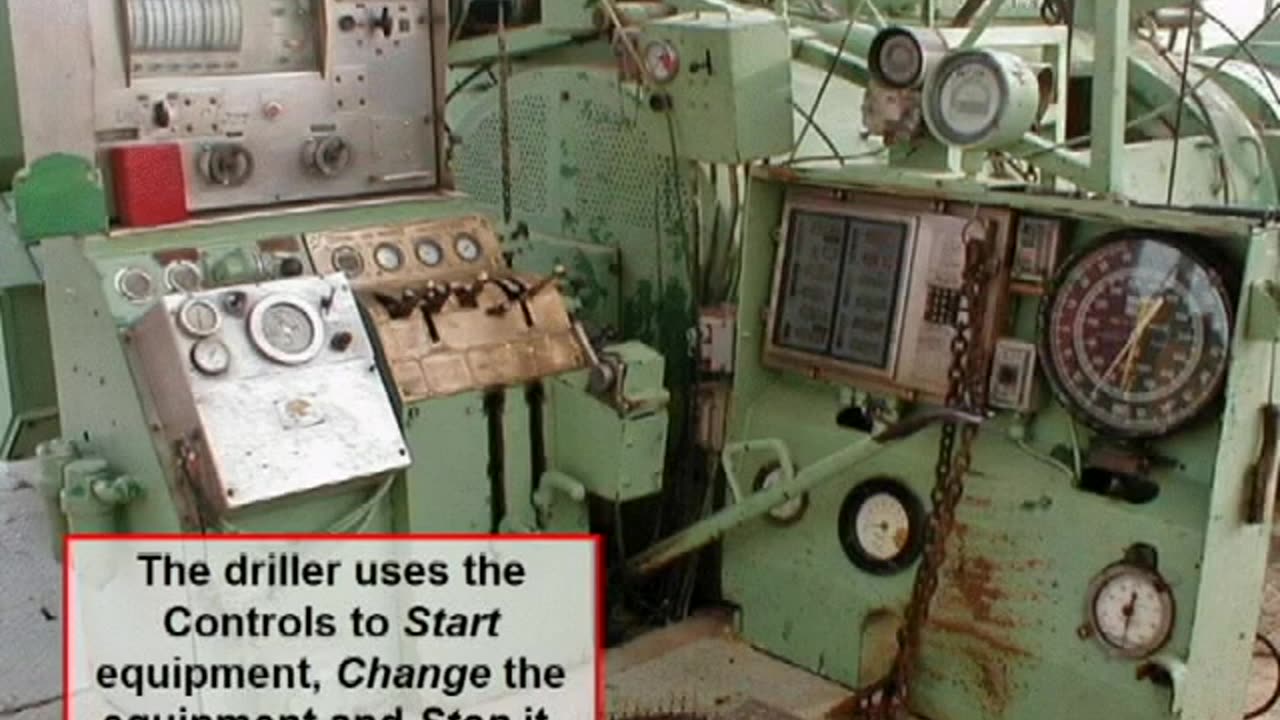
Risk Assessment Training Course Part 1
### **Risk Assessment Training Course (Part 1)**
This foundational course provides participants with the skills and knowledge needed to identify, evaluate, and manage workplace hazards systematically. It forms the basis for implementing effective health and safety practices.
---
### **Course Objectives**
By the end of Part 1, participants will:
1. Understand the importance of risk assessment in workplace safety.
2. Identify and categorize potential hazards.
3. Learn the basic steps of conducting a risk assessment.
4. Understand legal and organizational requirements.
---
### **Topics Covered in Part 1**
#### 1. **Introduction to Risk Assessment**
- Definition and purpose of risk assessment.
- Importance in promoting a safe workplace and reducing accidents.
- Regulatory frameworks (e.g., OSHA, HSE).
#### 2. **Understanding Hazards and Risks**
- **Hazards**: What could cause harm (e.g., chemical, physical, biological, ergonomic).
- **Risks**: Likelihood of harm occurring and its severity.
- Differentiating between hazards and risks with practical examples.
#### 3. **Legal and Organizational Context**
- Employer responsibilities under health and safety laws.
- Employee roles in identifying and reporting hazards.
- Penalties for non-compliance.
#### 4. **Five Steps of Risk Assessment (Overview)**
1. **Identify the Hazards**: Walkthroughs, checklists, and consultation methods.
2. **Determine Who Might Be Harmed and How**: Employees, visitors, contractors, and the public.
3. **Evaluate Risks and Decide on Precautions**: Likelihood vs. severity; hierarchy of controls.
4. **Record Your Findings**: Documenting processes, observations, and control measures.
5. **Review and Update**: When processes, equipment, or personnel change.
#### 5. **Practical Examples**
- Case studies of common workplace scenarios (e.g., office environment, construction site).
- Group exercises to identify hazards and suggest control measures.
#### 6. **Tools and Techniques**
- Checklists, templates, and software for risk assessment.
- Risk matrices for visualizing and prioritizing risks.
---
### **Teaching Methods**
- Lectures and multimedia presentations.
- Group discussions and scenario-based exercises.
- Quizzes and knowledge checks to reinforce learning.
---
### **Who Should Attend?**
- Supervisors and managers responsible for safety.
- Health and safety officers.
- Employees involved in high-risk tasks.
---
### **Duration and Certification**
- **Duration**: Typically 4–6 hours for Part 1.
- **Certification**: Participants receive a certificate of completion, demonstrating their understanding of basic risk assessment principles.
Would you like information on Part 2 of the training or related resources such as risk assessment templates?
-
 7:58
7:58
HSESafetyInformation
1 year agoAuthentic Peshawari Rosh _ Namkeen Gosht Recipe __ Traditional KPK and Baluchistan
891 -
 2:04:23
TetragrammatonPodcast
5 days agoGeorge Saunders
55.5K -
 1:35:16
The Quartering
4 hours agoVERY ODD FACT ABOUT LATEST TRANS MANIAC, THE HERO THAT STOPPED HIM & SUPREME COURT POTENTIAL WIN
108K26 -
 2:31:10
The Confessionals
6 hours agoThe Secret Hill Where Autistic Children Meet Jesus
5.27K2 -
 18:09
18:09
World2Briggs
4 hours agoBlue Cities vs Red States: Why People Move Opposite Their Politics
4.15K2 -
 11:05
11:05
Amy Dangerfield
2 days ago $0.49 earnedAmy Finally RESPONDS to Groypette Allegations
8067 -
 21:13
21:13
Stephen Gardner
4 hours agoPam Bondi’s BIG MISTAKE – Trump MUST Fix This NOW!
33.8K70 -
 11:06
11:06
Clyde Do Something
6 hours ago $2.15 earnedMentally Unstable Man Commits FATAL Shooting in Rhode Island
27.3K6 -
![[Ep 848] Another Shooting, Another Trans | Islam vs US Dogs | Guest Sam Anthony [your]NEWS](https://1a-1791.com/video/fww1/0b/s8/1/2/R/x/0/2Rx0z.0kob-small-Ep-848-Another-Shooting-Ano.jpg) LIVE
LIVE
The Nunn Report - w/ Dan Nunn
3 hours ago[Ep 848] Another Shooting, Another Trans | Islam vs US Dogs | Guest Sam Anthony [your]NEWS
243 watching -
 1:33:29
The HotSeat With Todd Spears
3 hours agoEP 252: What Bible Are YOU Reading????
16.1K20