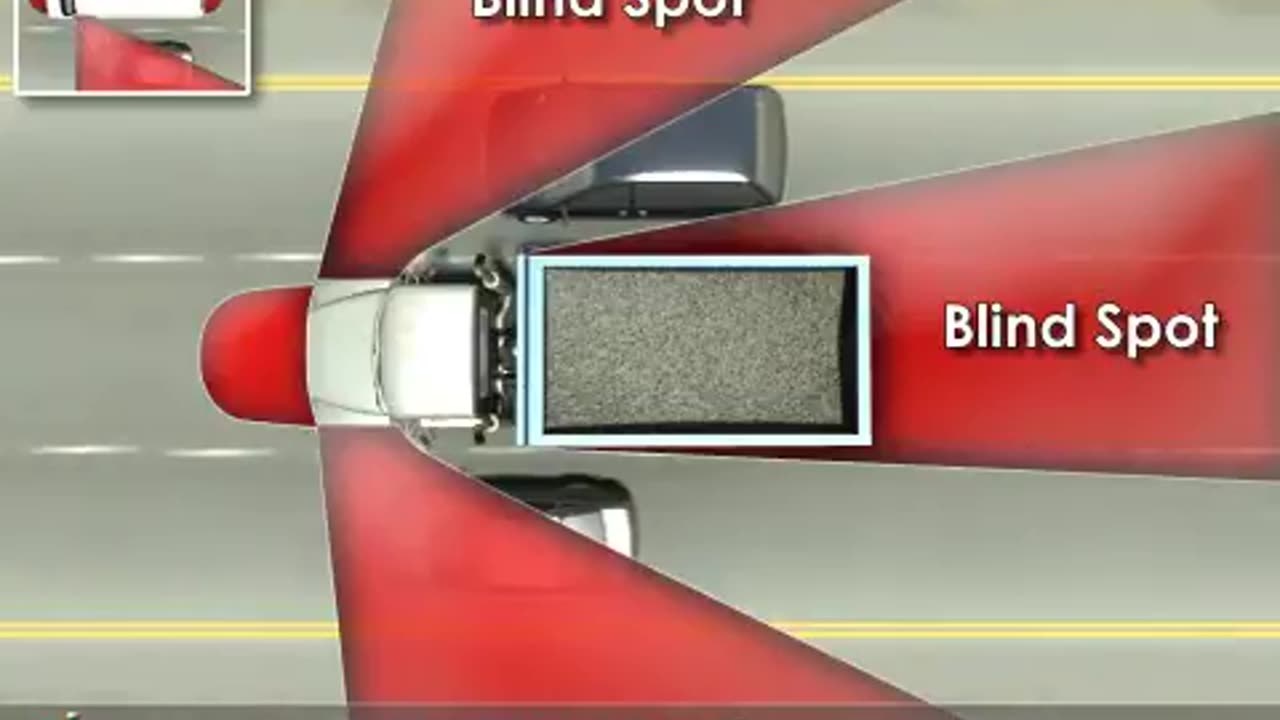
Driving Hazard Recognition Training
**Driving Hazard Recognition Training** focuses on teaching drivers how to identify, assess, and mitigate risks on the road to ensure safer driving practices. Below is a detailed structure for such training:
---
## **1. Importance of Hazard Recognition**
- **Purpose**: Minimize accidents and ensure safety for the driver, passengers, and other road users.
- **Statistics**: Provide data on how hazard recognition reduces accidents.
- **Proactive Driving**: Stress the importance of anticipating hazards rather than reacting to them.
---
## **2. Types of Driving Hazards**
- **Environmental Hazards**:
- Weather: Rain, snow, fog, ice, and wind.
- Road conditions: Potholes, uneven surfaces, and debris.
- Low visibility: Nighttime, sun glare, and obscured signs.
- **Traffic Hazards**:
- Congestion: Sudden stops, merging traffic, and bottlenecks.
- Aggressive drivers: Speeding, tailgating, or road rage.
- Pedestrians, cyclists, and animals on the road.
- **Vehicle-Related Hazards**:
- Mechanical issues: Tire blowouts, brake failure, or engine problems.
- Blind spots: Understanding and mitigating visibility limitations.
- **Driver Hazards**:
- Fatigue, distraction (e.g., mobile phones), or impaired driving.
---
## **3. The Five-Step Hazard Recognition Process**
1. **Scan the Road**: Continuously observe the environment using mirrors and checking blind spots.
2. **Identify Potential Hazards**: Look for any unusual or risky behavior by other road users.
3. **Predict Outcomes**: Anticipate how a hazard might evolve (e.g., a car merging without signaling).
4. **Decide on Action**: Plan your response (e.g., slow down, change lanes).
5. **Execute the Action**: Take appropriate measures to avoid or mitigate the hazard.
---
## **4. Defensive Driving Techniques**
- Maintain a **safe following distance** (3-5 seconds rule).
- **Adjust speed** based on conditions (weather, traffic, road).
- Stay aware of **escape routes** for sudden maneuvers.
- Use **signal lights** and **communicate intentions** to others.
- Avoid blind spots of large vehicles (trucks and buses).
---
## **5. Hazard Recognition in Specific Scenarios**
- **Intersections**:
- Anticipate vehicles running red lights or stop signs.
- Watch for pedestrians or cyclists crossing.
- **Highway Driving**:
- Merge smoothly; anticipate lane changes by other vehicles.
- Be cautious of high-speed vehicles and sudden stops.
- **Urban Driving**:
- Watch for jaywalkers, cyclists, and cars pulling out from parking.
- **Rural Driving**:
- Be cautious of animals crossing and narrow roads.
---
## **6. Dealing with Common Hazards**
- **Distracted Drivers**: Maintain distance and stay vigilant.
- **Aggressive Drivers**: Avoid engaging; let them pass.
- **Bad Weather**:
- Slow down and use headlights appropriately.
- Increase following distance.
- **Mechanical Failures**:
- Pull over safely and activate hazard lights.
- **Emergency Situations**:
- Keep calm and follow emergency protocols (e.g., tire blowout).
---
## **7. Tools for Hazard Recognition**
- **Mirrors and Cameras**: Use rear-view and side mirrors; leverage backup cameras.
- **Vehicle Safety Features**:
- Adaptive cruise control, lane departure warning, blind-spot monitoring.
- **Apps and Navigation**:
- GPS systems with traffic updates to avoid risky routes.
---
## **8. Practical Exercises**
- **Simulated Driving Scenarios**:
- Use simulators to practice identifying and responding to hazards.
- **On-the-Road Training**:
- Conduct supervised drives focusing on hazard identification and mitigation.
- **Video Analysis**:
- Review real-life driving scenarios and discuss hazard responses.
---
## **9. Emergency Preparedness**
- Carry essential items: Emergency kits, reflective vests, and road flares.
- Understand how to respond to accidents or breakdowns safely.
---
## **10. Evaluating Learning**
- **Quizzes and Tests**:
- Assess understanding of hazard recognition principles.
- **Practical Assessment**:
- Evaluate performance in simulated or real driving situations.
- **Feedback**:
- Provide constructive advice to improve hazard recognition skills.
---
Would you like additional resources, such as training manuals, videos, or slides for specific scenarios?
-
 7:58
7:58
HSESafetyInformation
10 months agoAuthentic Peshawari Rosh _ Namkeen Gosht Recipe __ Traditional KPK and Baluchistan
801 -
 1:03:11
BonginoReport
3 hours agoBrown U Security Failures EXPOSED - Nightly Scroll w/ Hayley Caronia (Ep.201)
91.6K24 -
 LIVE
LIVE
Right Side Broadcasting Network
2 days agoLIVE: President Trump to Deliver Remarks in Rocky Mount, NC - 12/19/25
3,381 watching -
 LIVE
LIVE
Nerdrotic
4 hours ago $7.98 earnedHollywood's DOOMSDAY! WB FIRESALE! - Friday Night Tights 385 w Zachary Levi
1,048 watching -
 LIVE
LIVE
LFA TV
16 hours agoLIVE & BREAKING NEWS! | FRIDAY 12/19/25
415 watching -
 LIVE
LIVE
Edge of Wonder
2 hours agoNASA’s Intergalactic Spacecraft, Real Dwarves Spotted & Research Roundup
165 watching -
 1:21:27
Kim Iversen
4 hours agoPutin Says Russia is Ready for WAR With Europe
21.2K66 -
 LIVE
LIVE
The Daily Signal
2 hours ago🚨BOMBSHELL: 315,000+ Illegal Ballots in Georgia, Terrorists Released, Rubio Slashes Foreign Aid
255 watching -
 LIVE
LIVE
The Mike Schwartz Show
5 hours agoTHE MIKE SCHWARTZ SHOW Evening Edition 12-19-2025
605 watching -
![[Ep 814] LIVE From AmFest 2025 with Kaitlin Bennett](https://1a-1791.com/video/fwe2/7e/s8/1/6/O/v/J/6OvJz.0kob-small-Ep-814-LIVE-From-AmFest-202.jpg) 37:38
37:38
The Nunn Report - w/ Dan Nunn
4 hours ago[Ep 814] LIVE From AmFest 2025 with Kaitlin Bennett
29.3K8