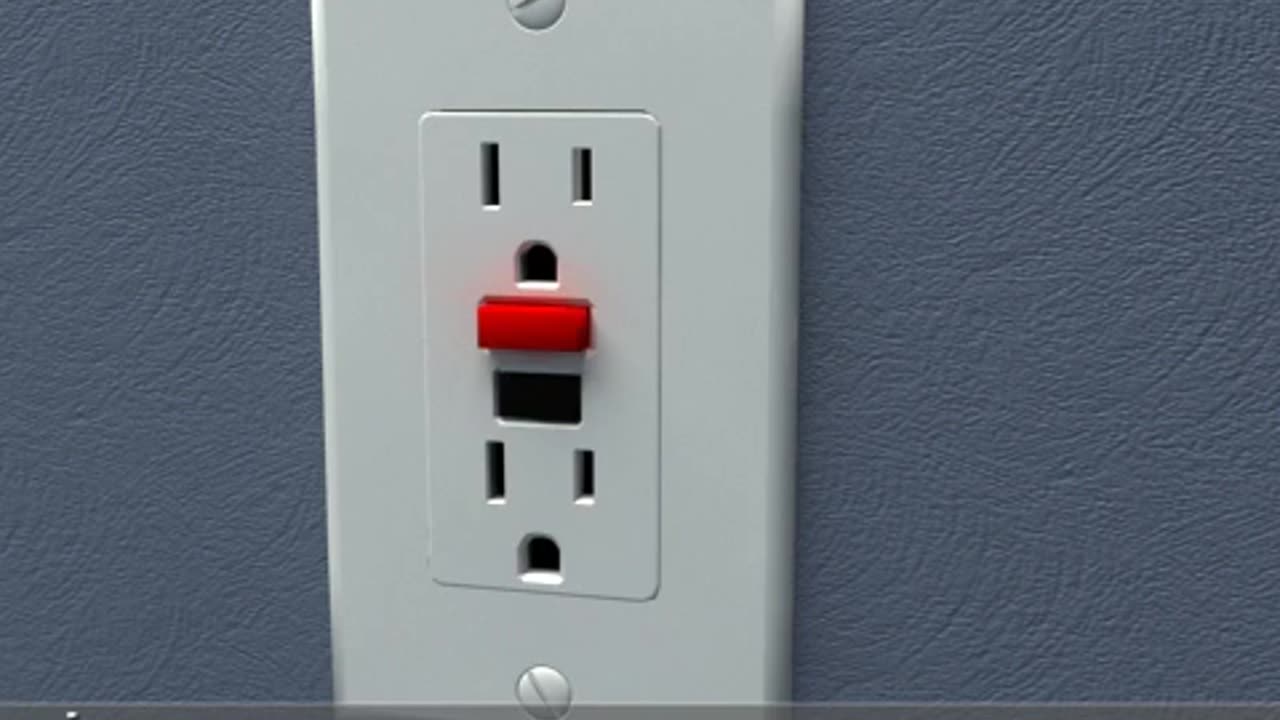
Electrical Safety General Awareness Training
Electrical Safety General Awareness Training is crucial to ensure individuals understand how to identify hazards, take preventive measures, and respond appropriately to electrical incidents. Here's an outline for such training:
---
### **1. Introduction to Electrical Safety**
- Importance of electrical safety in the workplace/home.
- Common electrical hazards and risks (e.g., shocks, burns, fires, explosions).
- Relevant standards and regulations (e.g., OSHA, NFPA 70E).
---
### **2. Basics of Electricity**
- Understanding electricity (voltage, current, resistance).
- Conductors vs. insulators.
- Types of electrical energy (AC and DC).
- Effects of electricity on the human body (e.g., shock, cardiac arrest).
---
### **3. Identifying Electrical Hazards**
- Exposed wires and damaged equipment.
- Overloaded circuits and improper grounding.
- Wet environments and proximity to water.
- Working near energized equipment or power lines.
---
### **4. Safe Practices**
- Always de-energize equipment before working on it.
- Lockout/Tagout (LOTO) procedures.
- Maintaining safe distances from power sources.
- Using appropriate personal protective equipment (PPE) like insulated gloves and boots.
- Avoiding overloaded outlets and improper extension cord use.
---
### **5. Working with Tools and Equipment**
- Inspecting tools for damage before use.
- Using tools rated for electrical work (e.g., insulated handles).
- Keeping tools and cords dry and free from wear or damage.
---
### **6. Emergency Procedures**
- Responding to electrical injuries (e.g., burns, shocks).
- Shutting off power before helping an injured person.
- Performing CPR or first aid for electrical shock victims.
- Reporting incidents and seeking medical attention.
---
### **7. Fire Safety and Electrical Fires**
- Identifying electrical fires.
- Proper use of fire extinguishers (Class C for electrical fires).
- Avoiding the use of water on electrical fires.
---
### **8. Safety Tips for Non-Electrical Workers**
- Do not touch electrical equipment unless trained.
- Keep all electrical panels and outlets free of obstructions.
- Be aware of overhead power lines when working outdoors.
---
### **9. Closing and Q&A**
- Recap of key safety points.
- Open session for questions and sharing concerns or experiences.
- Distribution of handouts or materials for further reference.
---
Would you like help designing slides, quizzes, or additional materials for this training?
-
 7:58
7:58
HSESafetyInformation
11 months agoAuthentic Peshawari Rosh _ Namkeen Gosht Recipe __ Traditional KPK and Baluchistan
891 -
 LIVE
LIVE
The Shannon Joy Show
2 hours ago🔥The Crisis Pattern: ICE Violence, Venezuela & U.S. Vulnerability With Catherine Austin Fitts🔥
211 watching -
 LIVE
LIVE
Trumpet Daily
1 hour agoTrumpet Daily LIVE | Feb. 16, 2026
201 watching -
 LIVE
LIVE
Grant Stinchfield
1 hour agoThe Reset They Feared, America Will No Longer Carry the World
100 watching -
 1:32:33
Graham Allen
4 hours agoThe Truth About Candace Owens: She Wanted a War… Here’s My Response
207K470 -
 1:53:39
Badlands Media
11 hours agoBadlands Daily: 2/16/26
32.6K14 -
 1:28:43
MTNTOUGH Fitness
10 hours agoAron Snyder: The Real Reason Most Hunters Fail in the Backcountry | MTNPOD #155
22.3K2 -
 1:00:12
BonginoReport
16 hours agoMedicaid Fraud Bombshell and Marco Rubio’s Generational Speech | Episode 226 – (02/16/26) VINCE
153K125 -
 1:13:12
Chad Prather
16 hours agoThe Narrow Gate: Asking, Seeking, Knocking Your Way Into Life
97.1K43 -
 7:17
7:17
China Uncensored
1 day ago🚨 China Threatens Retaliation After Panama HUMILIATION
85.7K25