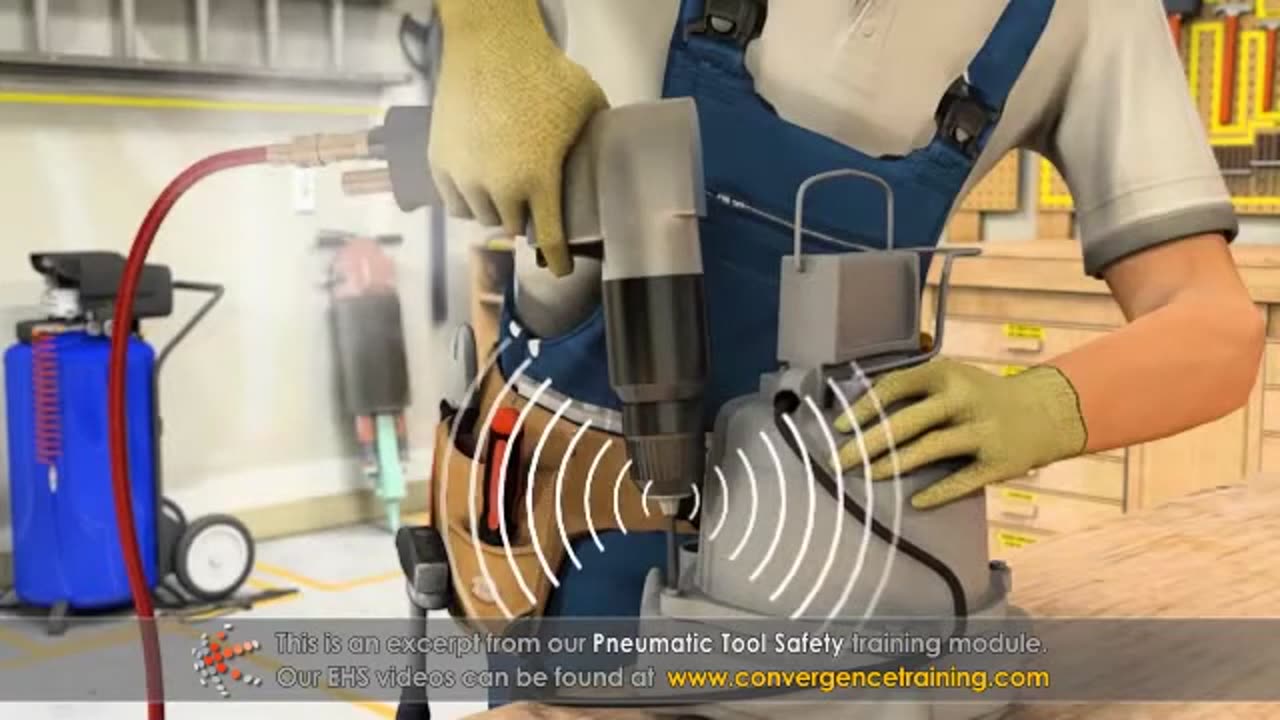
Pneumatic Tool Safety Training
**Pneumatic Tool Safety Training** is essential to prevent injuries and ensure safe operation of air-powered tools in workplaces like construction sites, factories, and workshops. Below is a comprehensive guide for conducting effective training:
---
### **1. Objectives of the Training**
- Educate users on safe operation, maintenance, and handling of pneumatic tools.
- Reduce risks of injuries caused by improper use or tool malfunctions.
- Promote adherence to workplace safety standards and regulations.
---
### **2. Common Hazards Associated with Pneumatic Tools**
- **Compressed Air Hazards**: High-pressure air can cause serious injuries or be a fire hazard.
- **Flying Debris**: Loose materials can become projectiles.
- **Noise**: High decibel levels can cause hearing damage.
- **Ergonomic Risks**: Repetitive use or poor posture can lead to musculoskeletal injuries.
- **Hose and Fitting Issues**: Damaged hoses can whip violently under pressure.
- **Tool Malfunctions**: Defective tools may misfire or fail.
---
### **3. Personal Protective Equipment (PPE)**
- **Mandatory PPE**:
- Safety goggles or face shields (to protect against debris).
- Hearing protection (earplugs or earmuffs).
- Gloves (cut-resistant and vibration-dampening).
- Steel-toed boots (for dropped tool protection).
- **Optional PPE**:
- Respirators if using tools in dusty or chemical environments.
---
### **4. Safe Operation Practices**
#### **a. Pre-Use Inspections**
- Check the tool and hose for:
- Cracks, wear, or damage.
- Proper connections and fittings.
- Secure and functional guards or safety mechanisms.
- Ensure the pressure regulator is set to the tool's rated pressure.
#### **b. Proper Handling**
- Use both hands to maintain control, especially for larger tools.
- Never point the tool at yourself or others, even if not in use.
- Always disconnect the air supply before servicing, changing accessories, or storing the tool.
#### **c. Safe Connection Practices**
- Use secure, locking couplers to prevent accidental disconnection.
- Depressurize hoses before connecting or disconnecting them.
- Avoid kinks, tangles, or running hoses through high-traffic areas.
#### **d. Usage Guidelines**
- Operate within the manufacturer’s recommended pressure limits.
- Avoid using compressed air to clean clothing or skin.
- Work in well-ventilated areas to prevent fume buildup.
- Use the correct attachments and accessories designed for the specific tool.
#### **e. Safe Storage**
- Store tools in a clean, dry location to prevent rust and contamination.
- Coil hoses properly and away from heat sources or sharp edges.
---
### **5. Maintenance Best Practices**
- Regularly inspect and lubricate tools per manufacturer guidelines.
- Replace worn or damaged parts immediately.
- Ensure hoses are stored without twists or kinks to prolong their life.
- Use only compatible and high-quality parts and fittings.
---
### **6. Emergency Procedures**
- Train employees to:
- Shut off the air supply in emergencies.
- Address hose blowouts safely by releasing pressure.
- Administer first aid for cuts, bruises, or other injuries caused by pneumatic tools.
---
### **7. Specific Training for Tools**
- **Nail Guns**: Avoid using nails in materials that can ricochet; secure materials firmly.
- **Impact Wrenches**: Use proper torque settings to prevent tool strain or damage.
- **Grinders**: Use guards and ensure the grinding wheel is in good condition.
- **Chisels/Drills**: Secure the workpiece and use appropriate bits for the material.
---
### **8. Compliance and Workplace Policies**
- Follow OSHA guidelines (e.g., CFR 1910.242 for pneumatic tools).
- Encourage reporting of unsafe conditions or tool defects.
- Post clear signage about maximum air pressure limits and tool handling protocols.
---
### **9. Hands-On Training**
- Allow workers to practice:
- Connecting and disconnecting hoses safely.
- Adjusting pressure settings.
- Handling tools in simulated or real work environments.
- Use demonstrations to show the effects of improper pressure or tool misuse.
---
### **10. Follow-Up and Refresher Training**
- Schedule periodic reviews to reinforce best practices.
- Incorporate feedback from workers to address specific concerns or incidents.
- Update training materials when new tools or safety standards are introduced.
---
Would you like assistance with creating slides, checklists, or printable safety guides for this training?
-
 20:24
20:24
HSESafetyInformation
9 months agoKABULI PULAO RECIPE - Original 40+ KG Afghani Meat Pulau Prepared - Street Food Qabili Plav Recipe_2
38 -
 4:53:49
Joe Donuts Live
6 hours agoThe Mystery Deepens in Alan Wake | Episode 3 |Uncovering the Truth Behind the Darkness
7.82K1 -
 3:28:49
Rebel News
7 hours ago🚨 BREAKING: Suspected TERROR attack at Sydney Chanukah event
75.3K157 -
 17:39
17:39
Clownfish TV
3 hours agoWhy is YouTube PURGING Millions of Channels This Year? Is it AI or WORSE? | Clownfish TV
4.41K21 -
 LIVE
LIVE
Midnight In The Mountains™
4 hours agoMorning Coffee w/ Midnight & The Early Birds of Rumble | The Hate.... The Violence MUST End Already
138 watching -
 LIVE
LIVE
LethalPnda
6 hours agoKim Kardashian is now in Fortnite. Use code "lethalpnda" in the Item Shop!
134 watching -
 9:28
9:28
ThatStarWarsGirl
1 day agoSupergirl Trailer REACTION!
41.4K5 -
 LIVE
LIVE
Lofi Girl
2 years agoSynthwave Radio 🌌 - beats to chill/game to
304 watching -
 3:06:46
Boxin
4 hours agoBoxin + Moogsical RV There Yet!? Take 2! (special guest?)
13.9K -
 28:03
28:03
The Hannah Faulkner Show
2 days ago $0.59 earnedCWA Study Finds Shocking Content in Netflix Shows | LIVE WITH HANNAH FAULKNER
7.77K4