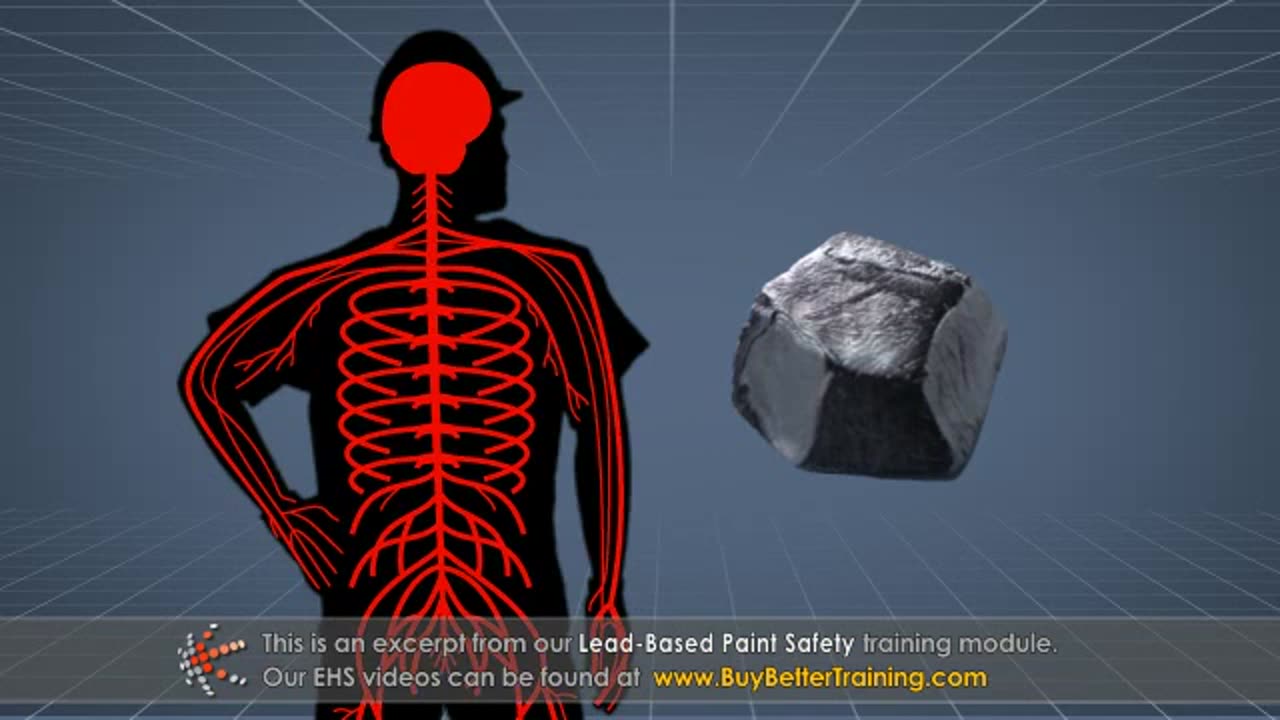
Lead-Based Paint Training
Lead-Based Paint (LBP) Training focuses on educating workers about the hazards of lead in paint, safe practices for handling LBP, and compliance with regulations such as OSHA’s Lead Standard (**29 CFR 1926.62**) and the EPA's Renovation, Repair, and Painting (RRP) Rule. This training is crucial for construction, renovation, and maintenance professionals working in buildings constructed before 1978, when lead-based paint was commonly used.
---
### **Lead-Based Paint Training Outline**
#### **1. Introduction to Lead-Based Paint**
- **What is lead-based paint?**
- Paint containing lead to enhance durability and color vibrancy.
- Common in buildings constructed before 1978.
- **Why is LBP hazardous?**
- Lead exposure occurs when paint deteriorates, creating chips, dust, or fumes.
- Overview of regulatory requirements:
- OSHA Lead Standard (**29 CFR 1926.62**).
- EPA's Renovation, Repair, and Painting (RRP) Rule.
---
#### **2. Health Hazards of Lead Exposure**
- **How lead enters the body:**
- Inhalation of dust or fumes during sanding, cutting, or welding.
- Ingestion of lead-contaminated materials.
- **Health effects:**
- Short-term: Fatigue, headaches, and abdominal pain.
- Long-term: Damage to the nervous system, kidneys, and reproductive system.
- Increased risks for children and pregnant women exposed to lead dust.
---
#### **3. Recognizing Lead-Based Paint Hazards**
- Identifying potential LBP areas:
- Peeling, chipping, or cracking paint.
- Painted surfaces subject to friction (e.g., windows, doors).
- Testing for lead-based paint:
- Using EPA-approved test kits or certified inspectors.
- Reviewing Safety Data Sheets (SDS) for paint and coatings.
---
#### **4. Regulatory Compliance**
- Overview of the **EPA RRP Rule**:
- Certification requirements for contractors working with LBP.
- Worksite containment and cleaning standards.
- OSHA requirements for lead-safe practices:
- Monitoring and controlling exposure levels.
- Providing training, PPE, and medical surveillance.
---
#### **5. Controlling Lead-Based Paint Hazards**
- **Engineering controls:**
- Using wet methods to minimize dust.
- Employing HEPA-filtered vacuums for cleanup.
- **Work practice controls:**
- Avoiding dry scraping, sanding, or blasting.
- Using barriers to contain work areas and prevent dust spread.
- **Personal protective equipment (PPE):**
- Respirators, gloves, coveralls, and shoe covers.
- Ensuring proper fit and maintenance of PPE.
---
#### **6. Safe Work Practices**
- Preparing the worksite:
- Setting up containment barriers.
- Removing or covering furniture and belongings.
- Performing lead-safe work:
- Keeping surfaces damp during removal or repairs.
- Properly disposing of lead-contaminated debris and materials.
- Post-worksite cleanup:
- Thorough cleaning with HEPA vacuums and wet wipes.
- Verifying cleanliness with lead dust clearance testing.
---
#### **7. Housekeeping and Hygiene Practices**
- Preventing contamination:
- Separating work clothes from personal items.
- Avoiding eating, drinking, or smoking in work areas.
- Decontaminating after work:
- Washing hands and face thoroughly.
- Showering and changing clothes before leaving the site.
---
#### **8. Emergency Response and Exposure Procedures**
- How to respond to accidental exposure:
- Immediate decontamination of affected skin or eyes.
- Reporting incidents to supervisors and seeking medical attention.
- Managing unexpected lead hazards:
- Stopping work and notifying trained personnel.
---
#### **9. Roles and Responsibilities**
- **Employer responsibilities:**
- Provide proper training, equipment, and medical surveillance.
- Ensure compliance with OSHA and EPA regulations.
- **Employee responsibilities:**
- Follow lead-safe work practices and use PPE correctly.
- Report unsafe conditions or potential hazards.
---
#### **10. Practical Exercises and Demonstrations**
- Setting up a lead-safe worksite:
- Containment barriers, proper signage, and restricted zones.
- Hands-on practice:
- Using PPE, HEPA vacuums, and wet methods.
- Simulating safe removal or repair of LBP surfaces.
- Role-playing emergency response procedures.
---
#### **11. Quiz and Certification**
- Knowledge assessment to test comprehension.
- Issuance of certificates for participants who complete the training successfully.
---
Would you like to customize this training for your specific team, create materials, or explore certification options?
-
 6:54
6:54
HSESafetyInformation
1 year ago6 Must Try Breakfast recipes By Food Fusion
471 -
 10:33:02
Dr Disrespect
16 hours agoHEY! YOU GOT A PROBLEM!? | ARC Raiders
170K13 -
 1:32:33
Flyover Conservatives
12 hours agoIs America Following The Footsteps of The French Revolution? - President’s Day Special - Historian Bill Federer | FOC Show
42.8K4 -
 1:36:03
Badlands Media
1 day agoCulture of Change Ep. 139: Murdery Machines, Liquid Robots, & Concrete Batteries
65K3 -
 10:17
10:17
Clintonjaws
13 hours ago $3.17 earnedTrump and Tulsi Watch Kamala's Live Speech And Do THIS
33.2K26 -

SpartakusLIVE
9 hours ago#1 Presidential Monday MOTIVATION || Spooky Game Later??
36K1 -
 1:08:59
We Like Shooting
19 hours ago $0.68 earnedDouble Tap 449 (Gun Podcast)
24.9K2 -
 8:58
8:58
MattMorseTV
7 hours ago $5.47 earnedTrump was 10 STEPS AHEAD.
31.5K43 -
 4:40:25
Biscotti-B23
11 hours ago $0.19 earned🔴 LIVE TOURNAMENT SIGN UPS 🏆 NEW SECRET TOP TIERS! TOP 100 RANK 🔥 MY HERO ACADEMIA ALL'S JUSTICE
14.2K -
 1:17:52
vivafrei
12 hours agoWhy Has the Civil Rights Division IGNORED Alex Jones Persecution? Matt Walsh CROSSES A LINE! & MORE!
90.2K101