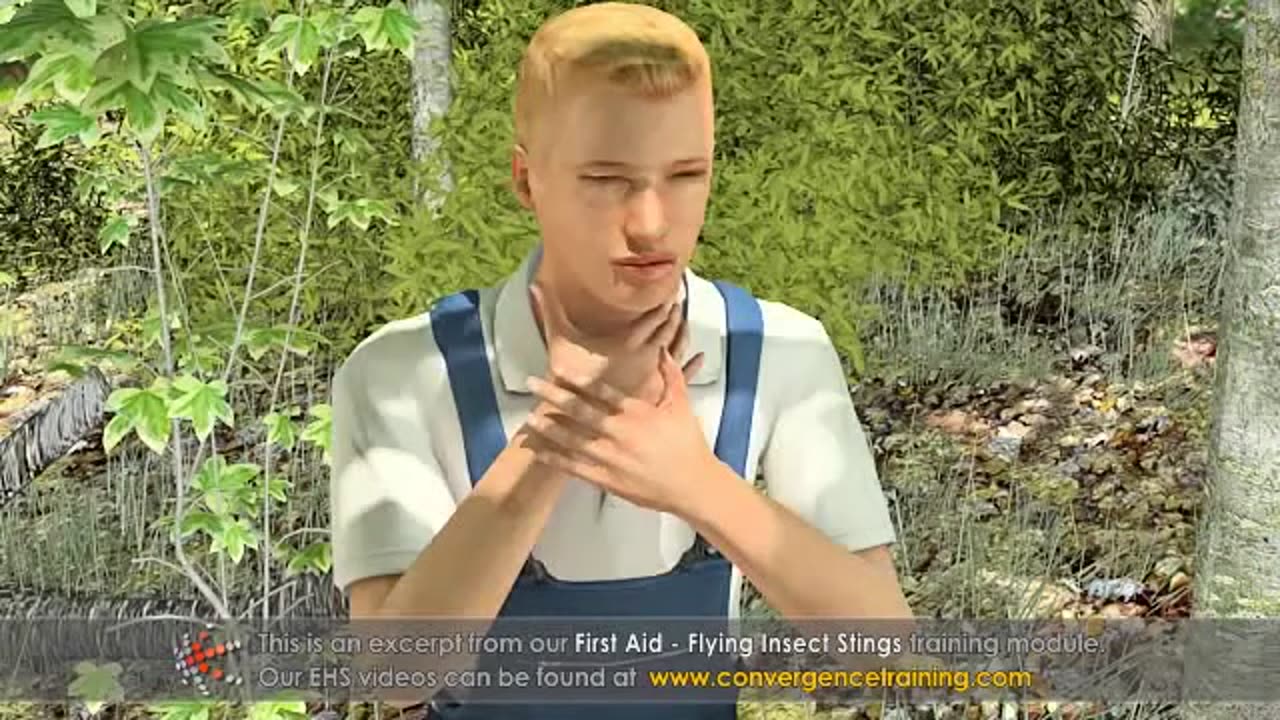
First Aid - Flying Insect Stings Training
### **First Aid Training for Flying Insect Stings**
This training provides participants with knowledge on how to recognize, respond to, and treat stings from flying insects such as bees, wasps, hornets, and others. It also includes strategies for preventing stings and knowing when to seek medical assistance.
---
### **1. Introduction to Flying Insect Stings**
- **Why This Training is Important**
- Stings can cause pain, allergic reactions, and, in severe cases, life-threatening anaphylaxis.
- Common workplace and outdoor risks.
- **Types of Flying Insects**
- Bees, wasps, hornets, yellow jackets, and other stinging insects.
- Differences in behavior and sting mechanisms:
- Bees can sting once, leaving a stinger.
- Wasps and hornets can sting multiple times.
---
### **2. Recognizing Stings and Symptoms**
- **Local Reactions**
- Pain, redness, and swelling at the sting site.
- Warmth or itching.
- **Moderate Reactions**
- Larger swelling extending beyond the sting site.
- Mild nausea or fatigue.
- **Severe Reactions (Anaphylaxis)**
- Difficulty breathing or wheezing.
- Swelling of the face, lips, or throat.
- Rapid heartbeat or dizziness.
- Hives or widespread rash.
---
### **3. Immediate First Aid for Stings**
- **For Mild to Moderate Reactions**:
1. **Remove the Stinger** (if present):
- Scrape it off gently using a flat edge (e.g., credit card).
- Avoid pinching or squeezing to prevent injecting more venom.
2. **Clean the Area**:
- Wash with soap and water to prevent infection.
3. **Apply a Cold Pack**:
- Use ice wrapped in a cloth to reduce swelling and pain.
4. **Relieve Discomfort**:
- Use over-the-counter antihistamines, pain relievers, or anti-itch creams.
- **For Severe Reactions**:
1. Call **Emergency Services (911)** immediately.
2. Administer an **Epinephrine Auto-Injector** (if available and prescribed).
3. Keep the person calm and lying down.
4. Monitor for signs of shock (e.g., pale skin, confusion) and provide CPR if necessary.
---
### **4. Medical Treatment**
- **When to Seek Medical Attention**
- Multiple stings or stings inside the mouth or throat.
- Severe or rapidly worsening symptoms.
- Stings in high-risk individuals (e.g., children, elderly, those with known allergies).
- **Hospital Care**
- Treatment for anaphylaxis (epinephrine, oxygen, IV fluids).
- Pain management or infection prevention.
---
### **5. Preventing Flying Insect Stings**
- **At Work and Home**
- Avoid strong scents (perfumes, sugary drinks, brightly colored clothing).
- Keep food and trash covered outdoors.
- Repair screens, seal cracks, and remove nests promptly (using professionals if needed).
- **In the Outdoors**
- Wear protective clothing (long sleeves, pants).
- Avoid disturbing nests or swatting at insects.
- Be cautious when eating or drinking outdoors.
---
### **6. Handling Swarms or Multiple Stings**
- **Escape Safely**
- Cover your face and run to a safe area (preferably indoors).
- Avoid jumping into water (insects may wait above the surface).
- **Treating Multiple Stings**
- Remove stingers carefully and monitor for systemic reactions.
- Apply cold compresses to multiple sting sites.
---
### **7. Special Considerations**
- **Known Allergies**
- Importance of carrying epinephrine auto-injectors (e.g., EpiPen).
- Educating coworkers and family on how to use an auto-injector.
- **Stings Near Sensitive Areas**
- Stings on the face, mouth, or throat require immediate medical attention due to airway risks.
---
### **8. Hands-On Activities**
- **Simulated First Aid**
- Practice removing stingers and applying cold packs.
- **Role-Playing Emergency Scenarios**
- Using epinephrine auto-injectors in a safe, controlled environment.
- **Preventive Measures**
- Identifying and mitigating risks in various environments.
---
### **9. Conclusion**
- **Key Takeaways**
- Recognize symptoms and act quickly, especially for severe reactions.
- Mild stings can be treated at home, but anaphylaxis is a medical emergency.
- Prevention is critical to avoid stings and their consequences.
- **Resources**
- Employer policies on first aid and emergency response.
- Information on local insect species and their habitats.
- **Q&A Session**
---
### Supporting Materials
Would you like:
- A **training guide** or **presentation slides**?
- Printable **first aid checklists** for insect stings?
- Custom **scenarios for practice** or emergency response drills?
- Certifications or **quizzes** for participants?
Let me know how I can assist further!
-
 6:54
6:54
HSESafetyInformation
9 months ago6 Must Try Breakfast recipes By Food Fusion
421 -
 57:27
57:27
Sarah Westall
3 hours agoWhat Congress Isn’t Saying About UFO Disclosure — And 3I/ATLAS w/ Ron James
21.3K2 -
 LIVE
LIVE
GritsGG
4 hours ago#1 Warzone Victory Leaderboard! 203+ Ws !
105 watching -
 3:53:20
VapinGamers
4 hours ago $1.07 earnedMegaBonk and Risk of Rain 2 - The Flu Cometh! - !rumbot !music
19.1K -
 5:03:59
Due Dissidence
14 hours agoBari Weiss SLAMMED For Erika Kirk Town Hall, MAGA World COMES FOR Candace, NEW EPSTEIN PHOTOS Drop
33.5K20 -
 1:44:10
Joker Effect
3 hours agoDRAMA NEWS: IDUNCLE nukes his own streaming career! @Antislave, AK, Nokster, RKStackz chime in!
13.3K -
 33:55
33:55
MattMorseTV
5 hours ago $29.77 earned🔴Trump announces MASSIVE LAWSUIT.🔴
32K73 -
![Surviving During The Ice Age [15,000 Years Ago]](https://1a-1791.com/video/fwe2/c0/s8/1/g/j/a/I/gjaIz.0kob-small-Surviving-During-The-Ice-Ag.jpg) 11:54
11:54
Forrest Galante
7 hours agoSurviving During The Ice Age [15,000 Years Ago]
51.4K19 -
 1:45:42
Total Horse Channel
5 hours agoWhat is Vaulting?
12.2K -
 2:53:28
IsaiahLCarter
23 hours ago $0.83 earnedA Night For Parental Rights. || APOSTATE RADIO 037 (w/Erin4ParentalRights, Dr. Travis Morrell)
11.4K1