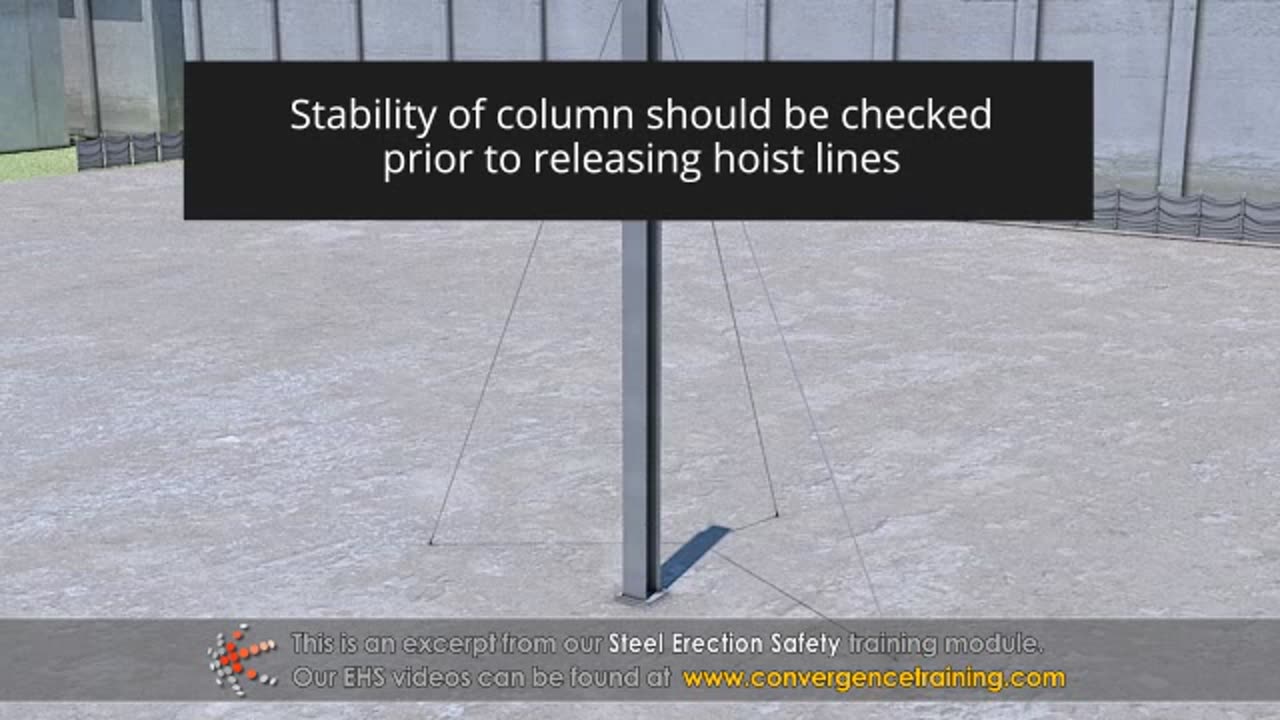
Steel Erection Safety Training
**Steel Erection Safety Training** is crucial for workers involved in constructing steel-framed structures, as the work involves significant hazards such as falls, collapsing structures, and heavy equipment. Proper training ensures compliance with OSHA standards (29 CFR 1926 Subpart R) and reduces risks of injury or fatalities. Below is an outline for effective **Steel Erection Safety Training**:
---
## **1. Overview of Steel Erection Hazards**
- **Common Risks in Steel Erection:**
- Falls from heights.
- Collapsing steel structures.
- Falling tools and materials.
- Equipment-related accidents (e.g., cranes, hoists).
- Exposure to sharp edges and weld points.
- **Statistics and Incident Examples:**
- Highlight real-life cases to emphasize the importance of safety.
---
## **2. OSHA Standards for Steel Erection**
- Overview of **29 CFR 1926 Subpart R** requirements.
- Key focus areas:
- Fall protection.
- Stability and structural integrity.
- Safe hoisting and rigging.
- Use of safety equipment.
---
## **3. Pre-Erection Planning**
- **Site-Specific Safety Plans:**
- Identify potential hazards on-site.
- Develop written plans for safety and structural stability.
- **Safety Meetings and Communication:**
- Daily briefings on specific tasks and hazards.
- Use of clear hand signals for crane operators and riggers.
- **Inspection of Equipment and Materials:**
- Ensure all tools, cranes, and hoists are inspected and in good condition.
---
## **4. Fall Protection**
- **OSHA Fall Protection Requirements:**
- Mandatory use of fall arrest systems for work over **15 feet**.
- Connecting points for lanyards or lifelines must support 5,000 lbs.
- **Fall Arrest Equipment:**
- Harnesses, lanyards, lifelines, and anchor points.
- Inspecting and maintaining fall protection equipment.
- **Controlled Decking Zones (CDZ):**
- Designated areas where workers can operate without full fall protection under certain conditions.
---
## **5. Stability and Structural Integrity**
- **Erection Sequence:**
- Follow engineered plans for proper sequence to maintain stability.
- **Anchor Bolts and Connections:**
- Ensure bolts and welds meet specifications before proceeding.
- **Structural Inspections:**
- Conduct inspections at each stage to confirm stability.
---
## **6. Crane and Hoisting Safety**
- **Crane Operation Rules:**
- Only qualified operators should handle cranes.
- Adhere to load capacity limits.
- **Rigging Safety:**
- Use proper slings, shackles, and hooks.
- Inspect rigging equipment before use.
- **Hand Signal Training:**
- Train workers on standard crane hand signals for clear communication.
---
## **7. Material Handling**
- **Avoiding Falling Objects:**
- Use tool lanyards and secure materials during lifting.
- **Proper Storage:**
- Store steel beams and materials safely to prevent tipping or rolling.
- **Hoisting Guidelines:**
- Ensure workers are not standing under lifted loads.
---
## **8. Personal Protective Equipment (PPE)**
- Mandatory PPE for steel erection:
- Hard hats.
- Steel-toed boots.
- Cut-resistant gloves.
- Safety glasses.
- Hearing protection, if required.
---
## **9. Emergency Response Preparedness**
- **Evacuation Procedures:**
- Train workers on escape routes and emergency plans.
- **First Aid Training:**
- Ensure workers are trained in basic first aid and CPR.
- **Rescue Equipment:**
- Have rescue harnesses, ladders, and lifting equipment on site.
---
## **10. Hands-On Training and Drills**
- **Practical Exercises:**
- Simulated steel erection tasks with safety protocols.
- Demonstrating proper use of fall protection systems.
- **Emergency Scenarios:**
- Conduct rescue drills for workers in fall-arrest situations.
---
## **11. Review and Compliance**
- Regular refresher training.
- Periodic safety audits to ensure compliance with OSHA standards.
- Open discussions for workers to raise concerns or suggest improvements.
---
### **Key Takeaways:**
- **Plan ahead** to identify and mitigate risks.
- **Use fall protection** and inspect equipment regularly.
- **Communicate clearly** during crane and hoisting operations.
- Maintain a culture of safety awareness on site.
Would you like to focus on creating a detailed checklist or develop materials for specific safety drills?
-
 6:43
6:43
HSESafetyInformation
1 year agoLahori Chanay Recipe - Lahori Cholay Recipe - Chana Chana Masala
70 -
 49:17
49:17
Mark Levin Show
5 hours agoREMEMBERING RUSH
22.8K34 -
 LIVE
LIVE
The HotSeat With Todd Spears
1 hour agoEP 253: Elon Ponders Christ… But Sharia Says Your Dog’s Unclean? Faith vs Freedom!
684 watching -
 LIVE
LIVE
Film Threat
22 hours agoROGER AVARY LIVE INTERVIEW! | Hollywood on the Rocks
67 watching -
 LIVE
LIVE
The Tom Renz Show
1 hour agoHospital Homicides, Medical Kidnapping, mRNA, and the Return of FEMA Camps
173 watching -
 LIVE
LIVE
Dr Disrespect
5 hours agoHEY! HAVE YOU SEEN THESE BEFORE? | ARC Raiders Secret Tech
1,230 watching -
 1:02:58
DeVory Darkins
3 hours agoDemocrats admit their RACISM out loud as Potomac Sewage Debacle EXPLODES
124K28 -
 53:47
53:47
Zach Costello
3 hours agoCandace Owens orders WITCH HUNT over New DISTURBING Erika Kirk Revelation
15.8K12 -
 49:28
49:28
Jeff Ahern
2 hours agoNever Woke Wednesdays with Jeff Ahern
11.5K14 -
 1:01:39
Timcast
4 hours agoColbert CAUGHT LYING, Scandal ERUPTS Over Scheme To Cheat Election
181K52