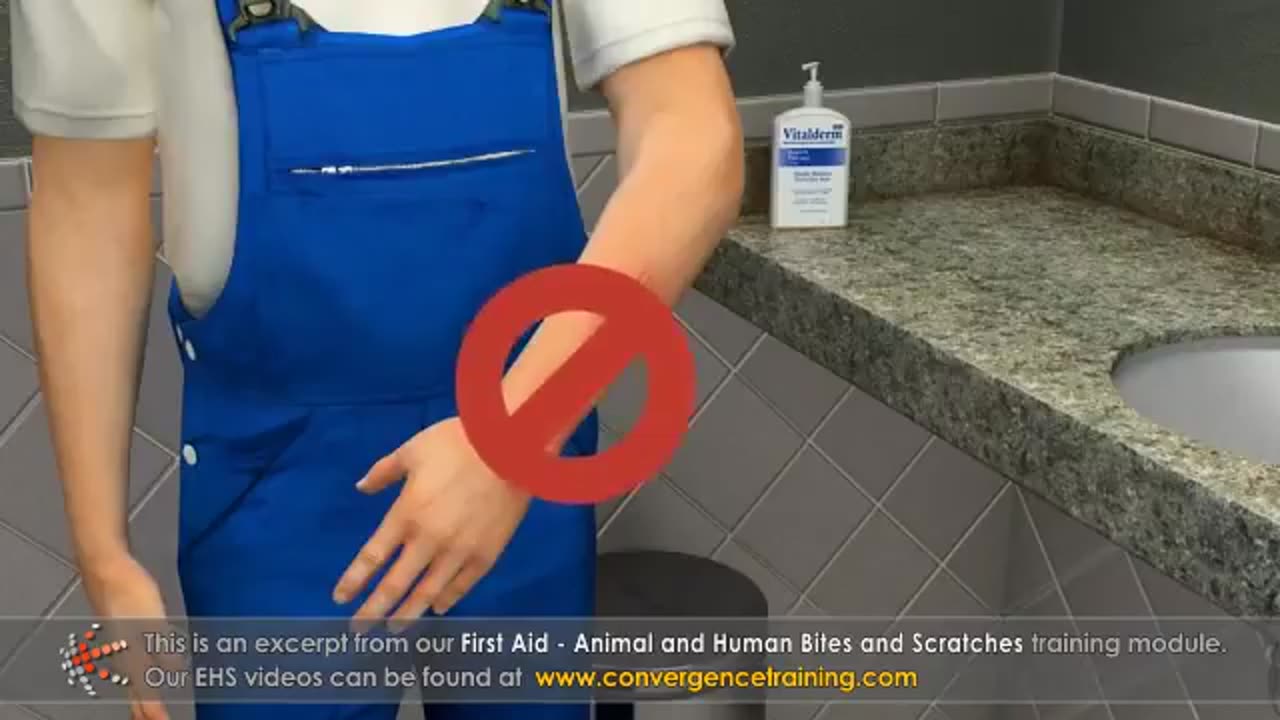
First Aid - Animal and Human Bites and Scratches Training
**First Aid Training for Animal and Human Bites and Scratches** is essential to ensure prompt treatment and prevent complications such as infections, rabies, or tetanus. Here's an outline for an effective training program:
---
## **1. Introduction to Bite and Scratch Injuries**
- **Common Causes**:
- **Animal bites**: Dogs, cats, rodents, bats, or wildlife.
- **Human bites**: Intentional or accidental during physical interactions.
- **Scratches**: Often from animals, especially cats.
- **Potential Risks**:
- Infection (e.g., bacterial infections, rabies, or tetanus).
- Severe bleeding or tissue damage.
- Emotional trauma.
- **Statistics and Examples**:
- Highlight how untreated bites and scratches can escalate to serious complications.
---
## **2. Initial Assessment of the Injury**
- **Evaluate the Scene**:
- Ensure safety before assisting the victim (e.g., avoid contact with aggressive animals).
- Use personal protective equipment (PPE) if available.
- **Assess the Wound**:
- Type of wound: Puncture, tear, or scratch.
- Location: Head, neck, hands, or legs.
- Severity: Depth, bleeding, or signs of infection.
---
## **3. First Aid Steps for Animal Bites**
1. **Stop the Bleeding**:
- Apply firm pressure with a clean cloth or bandage.
2. **Clean the Wound**:
- Wash thoroughly with soap and running water for at least 5 minutes.
- Avoid scrubbing to prevent further tissue damage.
3. **Apply Antiseptic**:
- Use an antiseptic solution to disinfect the wound.
4. **Dress the Wound**:
- Cover with a sterile bandage or clean dressing.
5. **Seek Medical Attention**:
- If the bite is deep, the animal is unknown, or there is a risk of rabies.
---
## **4. First Aid Steps for Human Bites**
1. **Clean the Wound**:
- Wash thoroughly with soap and water.
- Apply an antiseptic to reduce the risk of infection.
2. **Control Bleeding**:
- Apply pressure if bleeding is present.
3. **Cover the Wound**:
- Use a sterile dressing.
4. **Medical Evaluation**:
- Human bites often have a higher risk of infection due to bacteria in saliva.
- Seek medical advice for antibiotics or further care.
---
## **5. First Aid Steps for Scratches**
1. **Clean the Area**:
- Wash the scratch with soap and water.
- Apply an antiseptic.
2. **Check for Debris**:
- Remove any dirt or foreign objects gently.
3. **Monitor for Infection**:
- Watch for redness, swelling, warmth, or pus.
4. **Seek Medical Advice**:
- For deep scratches, scratches from wild animals, or if symptoms of infection appear.
---
## **6. Infection Prevention**
- **Signs of Infection**:
- Redness, swelling, warmth, pain, or pus.
- Fever or chills.
- **When to Seek Medical Attention**:
- If the wound becomes infected.
- If the victim hasn’t had a tetanus shot within the last 5–10 years.
---
## **7. Special Concerns: Rabies and Tetanus**
- **Rabies**:
- Risk from bites or scratches of animals like bats, raccoons, or stray dogs.
- Seek immediate medical attention for post-exposure prophylaxis (PEP).
- **Tetanus**:
- Risk from deep puncture wounds.
- Ensure the victim’s tetanus vaccination is up-to-date.
---
## **8. Reporting and Documentation**
- **Animal Bites**:
- Report to local authorities, especially if the animal’s vaccination status is unknown.
- Observe the animal for rabies symptoms if possible.
- **Human Bites**:
- Document the incident for workplace or school records if applicable.
---
## **9. Prevention Strategies**
- **Animal Bites**:
- Avoid provoking animals or handling wild/stray animals.
- Teach children safe interaction with pets.
- **Human Bites**:
- De-escalate aggressive situations when possible.
- Use appropriate behavior management techniques.
- **Scratches**:
- Trim pets’ nails regularly.
- Wear gloves when handling aggressive animals.
---
## **10. Training Exercises**
- **Simulated Scenarios**:
- Practice cleaning and dressing bite wounds.
- Role-play communication with medical professionals.
- **First Aid Kit Familiarization**:
- Ensure participants know how to use antiseptics, bandages, and gloves.
---
### **Key Takeaways**
- **Clean wounds promptly** to reduce infection risk.
- **Seek medical advice** for bites or scratches from unknown animals.
- **Prevent future incidents** by practicing safe behaviors around humans and animals.
Would you like a printable checklist or detailed step-by-step visual materials to accompany this training?
-
 20:24
20:24
HSESafetyInformation
9 months agoKABULI PULAO RECIPE - Original 40+ KG Afghani Meat Pulau Prepared - Street Food Qabili Plav Recipe_2
39 -
 1:53:05
TruthStream with Joe and Scott
1 day agoNick Alvear: The positive and negative of AI, it's use in film and his new animated series Lucky Larry on GoodLion.TV other topics, Roxiva Light Therapy, Yoga Nidra: Live 12/14/25 #527
10.8K5 -
 3:11:53
The Shuli Network
14 hours agoEXCLUSIVE Hidden Camera Footage Of Stuttering John | The Uncle Rico Show
23.6K13 -
 LIVE
LIVE
Lofi Girl
2 years agoSynthwave Radio 🌌 - beats to chill/game to
443 watching -
 24:10
24:10
MetatronCore
3 days agoNerdrotic is AWESOME
12.7K3 -
 3:38
3:38
Blabbering Collector
2 days agoUnboxing Noble Collection: Hogwarts House Crest Tree Ornaments!
10.7K3 -
 1:08:29
omarelattar
1 day agoThe BioHacking Experts: “How We Lost 150lbs, Healed Naturally & Reversed Aging in 9 Months!”
30.2K4 -
 2:48:33
Badlands Media
9 hours agoThe Narrative Ep. 50: The MAGA Paradox
236K22 -
 5:48:11
Akademiks
7 hours agoTHE COPE! Ebro n RosenDweeb accuse me and Drake of being RIGHT WING! Bobby Shmurda JUMPED!
27.2K3 -
 1:11:42
Man in America
11 hours agoFrom Prison to Prescription— Exposing the Controlled Return of Cannabis w/ Inesa Ponomariovaite
73.2K40