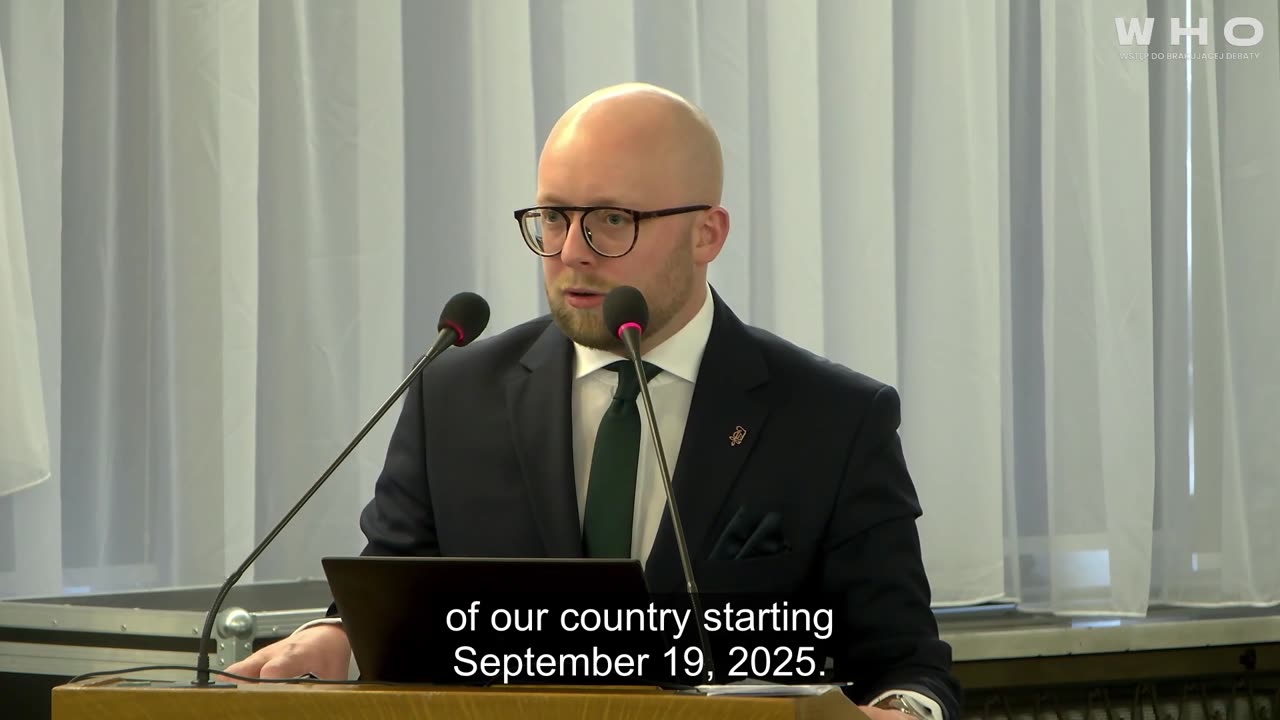
Panel 2 - WHO and legal aspects -introduction
In 2010, the WHO recognized that the existing definition of health was too narrow, and the World Health Organization, together with the Food and Agriculture Organization (FAO) and the Animal Health Agency, launched a joint effort called One Health, which resulted in the publication of a new definition: “One Health is an integrated, unifying approach that seeks to balance and optimize the health of people, animals and ecosystems in a balanced way. It recognizes that the health of people, domestic and wild animals, plants, and the broader environment (including ecosystems) are closely linked and interdependent." Human health is not more important than animal health or ecosystem health. This definition is integral to the UN Sustainable Development Goals, especially Goal 3 on health and well-being, as well as those related to environmental protection and life on land and under water.
The One Health principle is embodied in the draft Pandemic Treaty and means that everything - animal health, the ecosystem, concerns about CO2 levels and, of course, human health, are all factors that could warrant drastic measures, including even declaring a public health emergency or pandemic.
In June 2023, WHO and the European Commission announced an agreement under which WHO will take over the European Union' s COVID-19 digital certification system to establish a global system that will “facilitate mobility and protect citizens around the world from current and future health threats, including pandemics”. This is the first component of the WHO Global Digital Health Certification Network (GDHCN), a global mechanism to verify health documents, including digital certificates for COVID-19 tests and vaccines. Digital health documents are described in Article 35 of the International Health Regulations. The system of digital health documents is consistent and compatible with the digital identifiers described by the World Economic Forum, which will be needed to access health insurance and medical treatment, open bank accounts and conduct online transactions, travel, access humanitarian services, shop and conduct business transactions, use social media, pay taxes, vote in elections, collect benefits and subsidies, and use communication devices like a cell phone or computer. In other words, individuals will need digital IDs to access almost every aspect of civilized society. All of our actions taken with digital IDs will be tracked and monitored. Critics of the digitization of health believe that digital IDs could be a form of mass surveillance and totalitarian control.
-
 1:17:00
Russell Brand
3 hours agoThe Cost of Facing the Past — SF683
82.6K8 -
 12:26
12:26
Clyde Do Something
5 hours ago $0.47 earnedPresident Trump SUPPORTS Alberta’s Right to Leave Canada
8.98K5 -
 7:52
7:52
Isabella Moody
1 hour agoWomen Like THIS Are Why Men Don’t Want to Get Married Anymore
292 -
 LIVE
LIVE
freecastle
5 hours agoTAKE UP YOUR CROSS- Let LOVE be WITHOUT hypocrisy. Abhor what is evil; CLING to what is GOOD!
35 watching -
 1:30:31
The Quartering
3 hours agoAOC HUMILATED, MICHAEL JORDAN CONTROVERSY, DAD KILLS DAUGHTER OVER TRUMP, "HOT" TEACHER ARRESTED
129K28 -
 1:50:10
MattMorseTV
3 hours ago $14.07 earned🔴They ACTUALLY DID IT.🔴
28.7K103 -
 LIVE
LIVE
Dr Disrespect
6 hours agoHEY! YOU GOT A PROBLEM!? | ARC Raiders
986 watching -
 LIVE
LIVE
Decoy
2 hours agoLawsuits are coming
192 watching -
 LIVE
LIVE
Viss
5 hours ago🔴(LIVE) - WEAPON STASH MASTER PLAN: 9 Days Remaining | ARC RAIDERS
97 watching -
 LIVE
LIVE
StoneMountain64
3 hours agoArc Raiders with too many Bobcats
50 watching