Overhead Crane Operational Safety for Canada
Operating overhead cranes in Canada requires strict adherence to safety protocols as outlined in federal and provincial regulations. Here's a summary of key considerations for overhead crane operational safety:
---
### **1. Regulatory Standards**
- **Canadian Standards Association (CSA):** The CSA has specific standards for cranes, including **CSA B167-16** (Safety Standard for Overhead Cranes, Gantry Cranes, and Monorails).
- **Occupational Health and Safety (OHS):** Provincial OHS laws regulate the operation, inspection, and maintenance of overhead cranes.
- **Workplace Hazardous Materials Information System (WHMIS):** Operators must be aware of WHMIS protocols when working near hazardous materials.
---
### **2. Operator Requirements**
- **Training and Certification:**
- Operators must complete a certified crane operation training program.
- Familiarity with equipment-specific controls and load limits is essential.
- **Medical Fitness:**
- Operators should meet medical and vision standards to safely operate the crane.
- **Knowledge of Signals:**
- Operators must understand standard hand signals used for crane operation.
---
### **3. Pre-Operational Safety Checks**
- **Visual Inspection:**
- Inspect for wear and tear on cables, hooks, and structural components.
- Check for leaks, loose bolts, or mechanical issues.
- **Functionality Tests:**
- Test the brakes, emergency stop, and other controls before operation.
- **Load Limit Verification:**
- Ensure the load does not exceed the crane’s rated capacity.
---
### **4. Safe Operational Practices**
- **Load Handling:**
- Center the load directly under the crane hook.
- Avoid sudden movements like jerking or swinging.
- **Prohibited Actions:**
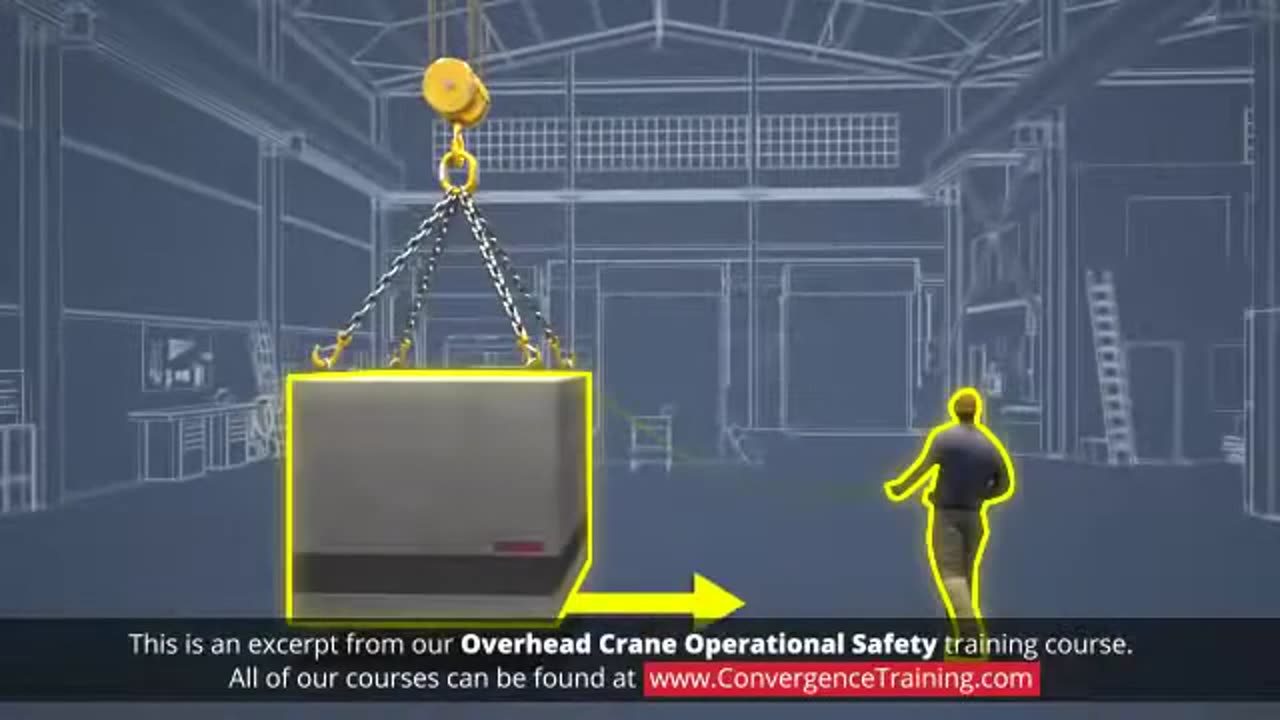
- Never carry loads over personnel.
- Avoid side-pulling or dragging the load.
- **Communication:**
- Maintain clear communication with the ground crew using hand signals or radios.
---
### **5. Emergency Preparedness**
- Operators must know:
- Emergency stop procedures.
- Protocols for power failure or mechanical breakdown.
---
### **6. Maintenance and Inspections**
- **Daily Inspections:**
- Conduct pre-use and post-use checks.
- **Periodic Maintenance:**
- Follow manufacturer-recommended schedules.
- Engage qualified professionals for repairs and advanced inspections.
---
### **7. Environmental Considerations**
- Avoid operations in extreme weather conditions like high winds or freezing rain unless equipment is rated for it.
---
### **8. Documentation**
- Maintain detailed records of inspections, maintenance, and operator certifications.
---
Let me know if you'd like a specific checklist or further details on any of these points!
-
 6:54
6:54
HSESafetyInformation
9 months ago6 Must Try Breakfast recipes By Food Fusion
421 -
 LIVE
LIVE
Wendy Bell Radio
4 hours agoJust Do It.
6,815 watching -

Chad Prather
18 hours agoHOW GOD MAKES AN UNSHAKEABLE PERSON
67.6K27 -
 LIVE
LIVE
LFA TV
12 hours agoLIVE & BREAKING NEWS! | THURSDAY 12/11/25
3,151 watching -
 LIVE
LIVE
The Chris Salcedo Show
13 hours ago $3.27 earnedThe GOP Introduces Obamacare Alternatives
498 watching -
 1:23:16
LIVE WITH CHRIS'WORLD
11 hours agoTHE WAKE UP CALL - 12/11/2025 - Episode. 23
44.7K4 -
 5:12
5:12
Blackstone Griddles
15 hours agoApple Pie Pancakes on the Blackstone Camping Griddle
21.7K3 -
 44:02
44:02
CarlCrusher
1 day agoFormer Green Beret Mike Battista can Summon UAP using Psionics - Part 4
19K8 -
 44:31
44:31
Damon Imani
17 hours agoDamon VS The View | Best of 2025
22.5K6 -
 28:31
28:31
Living Your Wellness Life
19 hours agoShould You Shower Every Day?
19.6K8