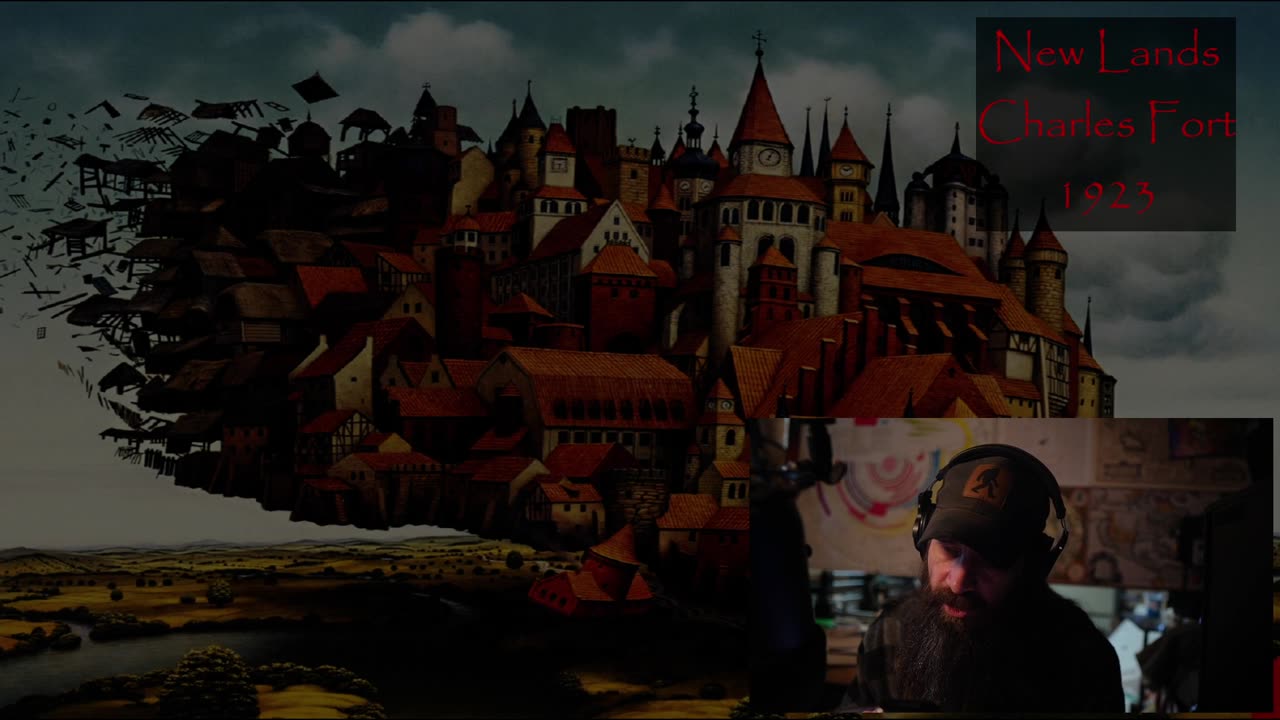
New Lands - C. Fort; 1923 - 33
New Lands - C. Fort; 1923 - 33
This video delves into the geological phenomenon of Crater Mountain in Coconino County, Arizona, highlighting its massive gouged cavity believed to have been formed by meteorite impacts. The discussion includes historical meteorite findings and theories about their origins, examining different types of meteorites discovered in the area and their implications regarding the events that created the crater.
Key Points:
Crater Mountain's size and structure
Crater Mountain features a large cavity approximately 3,800 feet in diameter and 600 feet deep. This impressive geological formation resulted from powerful impacts that hurled limestone blocks away from it, some weighing around 5,000 tons.
Meteorite findings in and around Crater Mountain
The region contains an extraordinary number of meteorites or fragments, with evidence suggesting three distinct types of meteorites. These were not fragments of a singular super meteoroid, indicating multiple impacts occurred over time.
Historical meteorite discoveries
Throughout history, notable meteorite falls near Crater Mountain include a significant 85-pound iron meteorite found in 1898 and various others, highlighting Arizona's rich history of meteorite discoveries and their distribution across the state.
Oldest trees on the crater rim
Cedars on the rim of the crater have been estimated to be around 700 years old, providing a timeframe for when the gouging incident may have occurred.
Impacts of other meteorite events
The video also references other meteor phenomena in Arizona, outlining various recorded impacts and explosive sounds, contributing to the overall understanding of meteorite activity in the region.
Conjectures on meteorite origins
Discussion includes the theory of a large meteoroid being the cause of the gouged cavity, alongside other meteorite falls throughout Arizona's history, suggesting a dynamic and impactful meteorite landscape.
-
 23:40
23:40
Nikko Ortiz
14 hours agoYou Wont Survive Earths Coldest Village...
85.8K17 -
 8:51
8:51
MattMorseTV
13 hours ago $12.56 earnedTrump’s $12 Billion COUNTER-PUNCH.
33.3K53 -
 2:04:48
Side Scrollers Podcast
21 hours agoRIP Blabs + Hasan ROASTED at Streamer Awards + Xbox HUMILIATED... Again + More | Side Scrollers
85K19 -
 2:46:29
MetatronGaming
3 days agoNo I'm Not Human PART 1
21.6K2 -
 20:04
20:04
GritsGG
16 hours agoNew Factory POI is TOUGH! Most Winning Player's POV!
20.4K -
 1:39:49
PandaSub2000
13 hours agoBehemoth - Part I | PSVR 2000 (Edited Replay)
23.3K1 -
 47:55
47:55
TruthStream with Joe and Scott
19 hours agoDecoding Andalusia Spain with David Mahoney! Part 1 of 3 with commentary by Joe and Lisa Schermerhorn. Premiers 12/8 10 am pacific
24.7K7 -
 LIVE
LIVE
Lofi Girl
3 years agolofi hip hop radio 📚 - beats to relax/study to
481 watching -
 3:28:47
FreshandFit
18 hours agoShe CLAIMS She's A High Value Woman. But Gets A RUDE Awakening...
276K76 -
 1:51:20
Badlands Media
17 hours agoBaseless Conspiracies Ep. 162 – Kubrick, Eyes Wide Shut & the Elites Behind the Mask
104K35