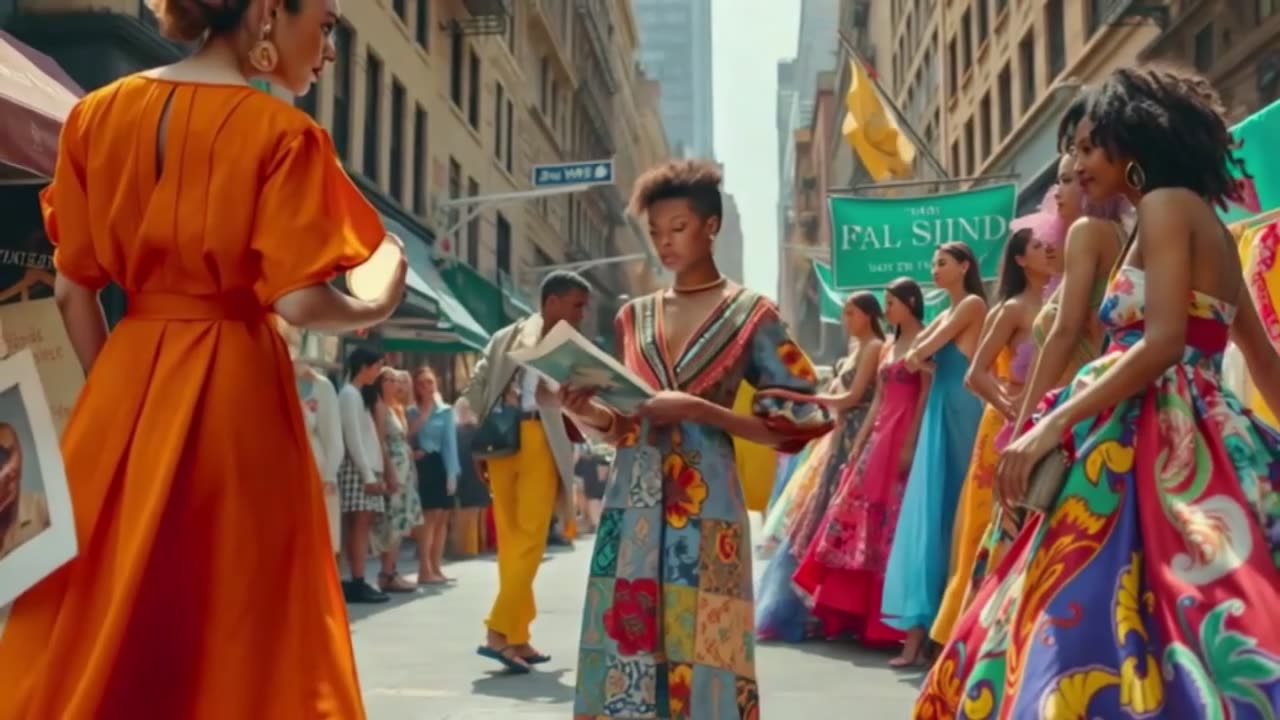
The Journey of Fashion in the USA
Fashion in the USA has undergone a dynamic journey, reflecting the country's evolving identity, cultural diversity, technological advancement, and social changes. Here's an overview of its fascinating evolution:
________________________________________
The Journey of Fashion in the USA
1. Colonial and Early America (1600s–1700s)
American fashion in the colonial era was heavily influenced by European (especially British) styles.
Clothing reflected class and social status, with imported silks, lace, and tailored garments for the wealthy, and simple wool or linen garments for the working class.
Native American clothing and craftsmanship, including beadwork and leatherwork, also had a deep-rooted presence, especially in indigenous communities.
2. 19th Century: Identity and Industrialization
Early 1800s: Romantic and Victorian styles dominated; corsets, petticoats, and top hats were common.
Mid-to-late 1800s: The Industrial Revolution revolutionized textile production. Mass-produced clothing became accessible, shifting fashion from custom tailoring to ready-to-wear.
Western frontier styles emerged: denim jeans (popularized by Levi Strauss), cowboy boots, and wide-brimmed hats became iconic symbols of American ruggedness.
3. Early 20th Century: Innovation and Influence (1900s–1940s)
The rise of department stores like Macy’s and Sears brought fashion to the middle class.
1920s: The Roaring Twenties introduced flapper fashion—shorter skirts, bobbed hair, and glamorous accessories.
1930s–40s: Hollywood’s golden age influenced fashion trends, with movie stars setting style standards.
WWII brought practical changes—women wore trousers more often due to factory work, leading to a shift in gender norms.
4. Post-War Boom and Rebellion (1950s–1960s)
1950s: Conservative elegance reigned—think full skirts, cinched waists, and tailored suits. Icons like Marilyn Monroe and Audrey Hepburn defined beauty.
1960s: A countercultural explosion! The youth rebelled against tradition—mod fashion, tie-dye, miniskirts, and unisex clothing emerged. Designers like Halston and brands like Levi’s gained massive popularity.
5. Diverse Expression and Subcultures (1970s–1990s)
1970s: From disco glam (sequins, jumpsuits) to bohemian and punk, fashion reflected a desire for self-expression.
1980s: Boldness ruled—power suits, shoulder pads, neon colors, and streetwear began to grow, influenced by hip-hop and pop culture (thanks to MTV).
1990s: Minimalism and grunge took center stage. Think Calvin Klein, flannel shirts, ripped jeans, and sneaker culture.
6. 21st Century: Globalization, Tech, and Inclusivity
Fashion became fast, digital, and global. Online shopping, influencer culture, and social media platforms (like Instagram and TikTok) transformed how trends spread.
Diversity and inclusivity gained traction—plus-size models, gender-neutral collections, and representation of different races and cultures became more visible.
Sustainability also became a key concern, with consumers and brands focusing on ethical practices and eco-friendly materials.
American designers like Ralph Lauren, Marc Jacobs, Virgil Abloh (Off-White, Louis Vuitton), and streetwear brands like Supreme helped define modern American style.
________________________________________
Fashion and American Identity
Fashion in the USA is more than just clothing—it's a mirror of freedom, rebellion, innovation, and diversity. From cowboy boots to couture, streetwear to sustainability, it continues to evolve, shaped by the country's multicultural DNA and ever-changing societal values.This is AI content
#fashion #style #love #instagood #photography #like #beautiful #photooftheday #instagram #model #ootd #follow #fashionstyle #beauty #art #fashionblogger #picoftheday #moda #fashionista #instadaily #bhfyp #happy #instafashion #cute #likeforlikes #followme #shopping #makeup #onlineshopping #smile
-
 LIVE
LIVE
Laura Loomer
3 hours agoEP160: THE UNITED STATES OF QATAR
901 watching -
 LIVE
LIVE
Drew Hernandez
20 hours agoPRESIDENT TRUMP CONTINUES TO CLASH WITH MTG?
907 watching -
 21:46
21:46
Stephen Gardner
3 hours ago🟢YES! HUGE TRUMP NEWS TODAY!!
9.41K59 -
 LIVE
LIVE
SpartakusLIVE
4 hours agoAim Assist NERFED - I LOVE IT || #1 Spartan Solo Session
298 watching -
 LIVE
LIVE
Adam Does Movies
9 hours agoBest Sci-Fi Movies! - Live
135 watching -
 54:09
54:09
Patriots With Grit
1 hour agoWoke's Destruction of Men | Dr. Gilda Carle
4.65K1 -
 49:00
49:00
MattMorseTV
3 hours ago $0.15 earned🔴Musk is FINALLY talking about it…🔴
28.5K40 -
 1:09:29
Sarah Westall
2 hours agoCDC Lawsuit, Genome Sequencing and Automated Medical Doctors w/ Dr. Nick and Leah Wilson
13.5K -
 LIVE
LIVE
Anthony Rogers
11 hours agoEpisode 392 - This is a Podcast
74 watching -
 1:19:29
Glenn Greenwald
6 hours agoJasmine Crockett: The Avatar of Democratic Emptiness; Bari Weiss Chooses Fanatical Israel Supporter as New CBS Anchor | SYSTEM UPDATE #556
103K43