Dr. Fauci’s Painful Rebukes of Trump: Stifling Treatment Hope for Vaccine Glory?
Dr. Anthony Fauci, who dubbed himself "Mr. I Am Science," held immense sway over the U.S. COVID-19 response, steering public health policy through a maze of political and scientific tensions. As a central figure in the White House Coronavirus Task Force, Fauci championed masks, lockdowns, and social distancing, often clashing with President Trump’s optimistic rhetoric.
His repeated public contradictions of Trump, particularly on treatments like hydroxychloroquine and ivermectin, were deeply painful for Fauci, yet critics argue these moments revealed a dogmatic agenda to prioritize vaccines over alternative therapies, contributing to widespread harm and eroded trust.
Early in the pandemic, Fauci aligned with the Trump administration’s initial guidance, but as the 2020 election loomed, their paths diverged. Trump, hoping for a swift resolution, claimed the virus would "disappear like magic" by spring, even pushing for Easter reopenings. Fauci, rooted in caution, publicly contradicted him, declaring, "The virus doesn’t respect Easter."
These clashes, aired in White House press briefings, set a contentious tone. When reporters like Kaitlan Collins pressed Fauci after Trump’s hopeful predictions, he, visibly conflicted, stated, "No, I don’t think that’s going to happen," a stance critics argue fueled panic and justified restrictive measures that crushed livelihoods and mental health.
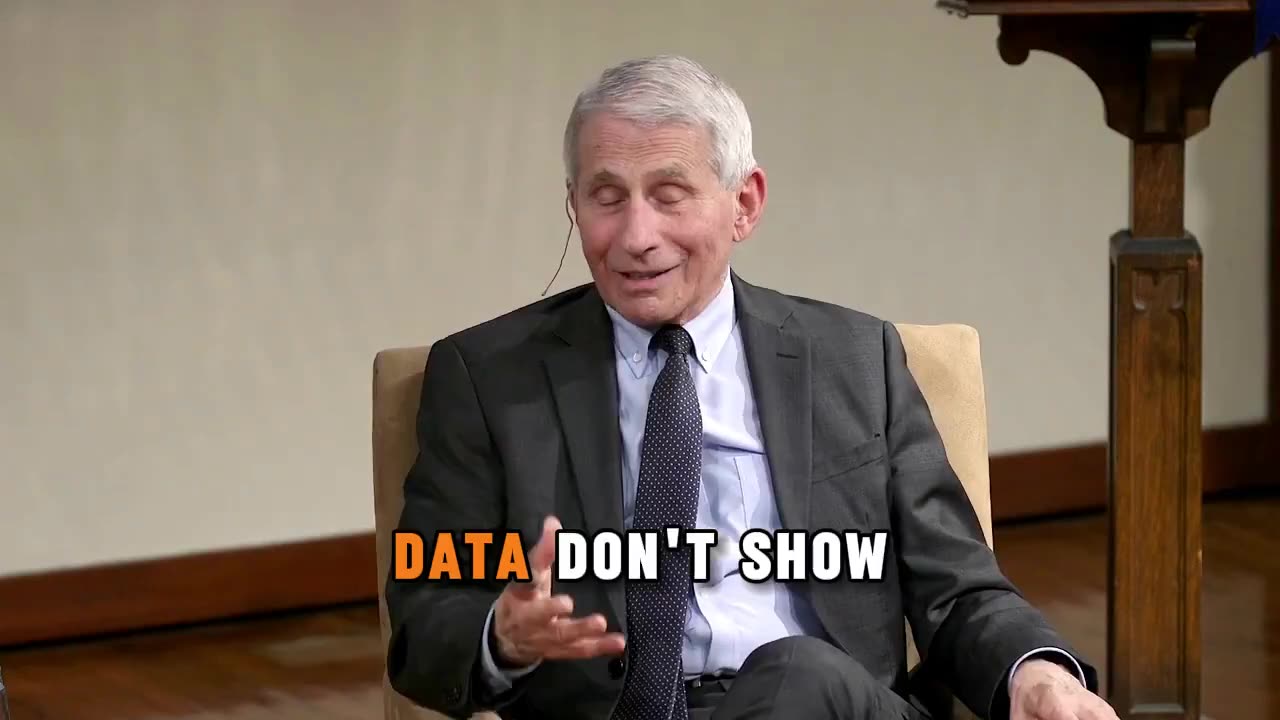
The most striking contradictions came in April, as the virus persisted and Trump promoted treatments like hydroxychloroquine and ivermectin, citing figures like Laura Ingraham. Fauci, standing before the press, directly challenged the president: "The data don’t show that these treatments work. In fact, they can cause harm." These public rebukes were agonizing for Fauci, who later described contradicting Trump as "very, very painful."
Despite his respect for the presidency, Fauci felt compelled to counter Trump, insisting, "My patient was the public." However, critics contend his swift dismissal of these treatments—despite early studies suggesting potential benefits—stifled scientific debate, prioritizing a vaccine-centric narrative over exploring options that might have saved lives.
Fauci’s defenders argue he followed evidence, but detractors see a pattern of control. Some researchers called for further study of hydroxychloroquine and ivermectin, yet Fauci’s high-profile contradictions of Trump shut down discussion, fueling perceptions that he torpedoed treatments to clear the path for vaccines.
The lockdowns he endorsed led to economic devastation and thousands of excess deaths from delayed care, studies show, amplifying criticism that his rigid approach neglected broader public needs. His painful public disputes with Trump, while framed as a defense of science, cast Fauci as the pandemic’s dominant voice, a role some say he embraced with his "Mr. I Am Science" moniker, which critics decried as arrogant.
The backlash was fierce. Fauci’s contradictions of Trump enraged the president’s allies, who accused him of disloyalty, while many Americans grew skeptical of his uncompromising stance. The emotional toll of opposing Trump weighed heavily on Fauci, yet he remained resolute, claiming science demanded it. Still, his legacy divides: did his painful contradictions protect the public, or did they stifle debate to push vaccines at a steep cost?
-
 0:43
0:43
Asher Press
3 days ago🇮🇷 Islamic Regime Imam: "women are animals created by Allah, to be used by men"
2271 -
 42:43
42:43
Sarah Westall
5 hours agoThe Psychological War Online - How They Target You | Eric Meder
28.9K1 -
 LIVE
LIVE
DLDAfterDark
3 hours ago $0.56 earnedBadge Cam Shootings - Let's Watch Some Semi Precious Metals Fly!
253 watching -
 2:16:00
megimu32
3 hours agoOTS: THEY STOLE THAT… AND IT STILL WASN’T BETTER!
28K4 -
 1:33:50
Precision Rifle Network
1 day agoGuns & Grub - New Guns!
21.1K5 -
 1:02:27
Glenn Greenwald
6 hours agoADL Demands More Censorship of Tucker, Hasan Piker, Nick Fuentes, and More; Plus: Glenn's Debate About Iran on Piers Morgan | SYSTEM UPDATE #567
108K127 -
 2:24:24
Barry Cunningham
5 hours agoLIVE TONIGHT: President Trump and NHL Champions Florida Panthers | Nick Shirley Video
60K21 -
 1:03:35
BonginoReport
7 hours agoMinneapolis is OUT OF CONTROL! - Nightly Scroll w/ Hayley Caronia (Ep.214)
175K101 -
 1:30:11
Kim Iversen
9 hours agoAmericans TURN On Trump Over ICE, Rogan Compares To Gestapo
154K356 -
 2:21:47
Red Pill News
9 hours agoMinneapolis on FIRE - Time For Insurrection Act on Red Pill News Live
91.6K34