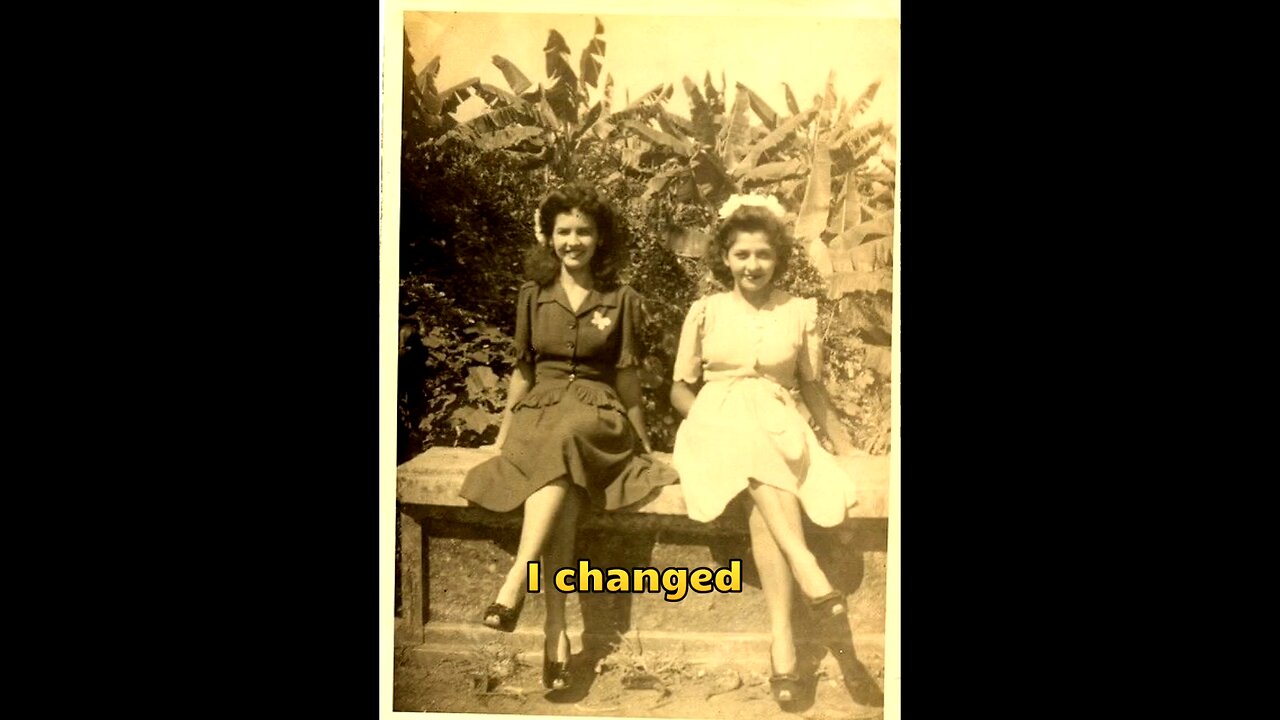
From Coops to Concrete: Victoria’s Leap into the American Dream
#FromCoopsToConcrete #IslandToNYC #ImmigrantStrong #VictoriaStory #BlistersAndBlessings #ParkSlopeDreams #AmericanDreamers #LuchandoSiempre #MamáTrabajadora #NextGenSuccess #puertorican #story
Hi everyone and welcome to who threw the curve?
Today's Narrative is on From Coops to Concrete: Victoria’s Leap into the American Dream
I still remember the humid breeze that wrapped around me the day I left San Juan, the faint scent of salt and roasting coffee beans clinging to my clothes as I hugged my madre goodbye. My heart was heavy, but I carried more than grief in my suitcase, I carried dreams stitched from the lullabies she sang and the pride she poured into my small hands.
The flight to New Jersey felt endless. Through the oval window, I watched turquoise seas and palm trees disappear, replaced by gray skies and unfamiliar landscapes. I gripped my husband’s hand so tightly I feared I’d bruise my own knuckles, but trembling became my constant companion in those first days.
Stepping off the bus in rural New Jersey, I was greeted by the clang of machinery and the pungent odor of hay. Instead of skyscrapers and salsa rhythms, I found row upon row of chicken coops, their doors swinging open to the sound of clucking and the soft thuds of feedbags hitting the dirt floor.
My husband and I worked side by side, sorting crates of live birds before dawn. Our fingers grew raw from icy water and stripping feathers; our lungs filled with sawdust and ammonia. Yet each shattered cuticle reminded me that we were building something more than barns and fences, we were building security for the children we’d someday bring into this world.
Evenings blurred together as we drove home in our beat-up truck, the radio playing Spanish ballads we barely listened to. We crammed ourselves into a small apartment above the farm office, pooling our energy and our tiny paychecks to send money back to my parents. Some nights, exhaustion stole our words, but our silence spoke of unity and shared sacrifice.
Twelve-hour days, six days a week, became our new normal. My body ached in ways I didn’t know possible, aching shoulders, a constant throb in my lower back, and calloused hands that once held my mother’s face in affection. But when I closed my eyes at night, I could almost hear my girls’ giggles and my son’s first words, a living promise that none of this pain would be in vain.
I was pregnant with our first daughter when I learned the true price of hope. Morning sickness hit harder than the cold snap that sometimes rolled through those barns. Yet each time I gagged over a metal bucket, I reminded myself: she will know a life beyond these coops.
Saving was a slow dance with scarcity. Every dollar we tucked away meant foregoing a night out, a new pair of shoes, or a festive meal of pernil. The farm’s paychecks could hardly stretch to cover diapers, let alone bus fare to the city. Still, I clipped coupons, mended my own dresses, and canned guava from summertime visits home.
Then, one Friday evening, my husband told me about a factory job in Park Slope, Brooklyn. He spoke of wider sidewalks, corner bodegas, and a chance to earn a few dollars more. I cried at the thought of leaving the only place I’d known in America—but I cried harder at the idea of giving up.
Brooklyn felt like stepping onto another planet. In that cavernous factory, conveyor belts roared, stamping out metal parts under harsh fluorescent lights. I traded straw hats and overalls for steel-toed boots and earplugs. The work was different, but the hours—twelve a day, six days a week—remained steadfast.
Motherhood under those factory lights was a tightrope act. I rushed home to feed the baby before I changed into my work uniform; I kissed my daughters’ foreheads between the chaos of assembly lines. Guilt sat heavy in my chest, but every paycheck that padded our savings whispered that I was doing the right thing.
Now, when I lace up my boots in the early morning, I carry the weight of every sacrifice I made. I carry the stories of my husband’s calloused hands and my mother’s lullabies. I carry the light in my children’s eyes when they see their college acceptance letters or experience a summer trip they never could have dreamed of back on the farm.
I’m still that island girl in a Brooklyn skyline, still chasing sunrises that feel foreign yet hopeful. My fingers are forever marked by work, but they’re also free—free to hold my children’s hands, free to wave the flag of a better life, and free to remind me that every blister, every sleepless night, was a step toward a brighter tomorrow.
Thank you for listening to Who Threw the Curve and don't forget to like us, share us and subscribe.
-
 2:08:18
Steven Crowder
4 hours agoBe Careful - Woke Isn't Dead Yet & Netflix Proves It
342K181 -
 LIVE
LIVE
Barry Cunningham
1 hour agoBREAKING LIVE: President Trump Hits The Road! What To Expect | Time For The Rise Of REAL MAGA!
1,268 watching -
 LIVE
LIVE
Sean Unpaved
2 hours agoKevin Stefanski Names Shedeur Sanders STARTING QB For Rest Of Season! | UNPAVED
88 watching -
 58:55
58:55
The Rubin Report
3 hours agoBill Maher Makes Ana Kasparian Squirm by Refusing to Let Her Avoid This Question
32.6K33 -
 6:13
6:13
Buddy Brown
2 hours ago $0.69 earnedThis is Why Everyone's GOOGLING December 19th! | Buddy Brown
5.97K5 -
 LIVE
LIVE
TheAlecLaceShow
1 hour agoTim Pool BLASTS Candace Owens | Jasmine Crockett for Senate | Guest: Jim Pfaff | The Alec Lace Show
59 watching -

The Shannon Joy Show
3 hours ago🔥SJ Show Dec 9: Food Price Controls & Welfare For Farmers * War With Venezuela * Epstein Victims Update W/ Investigative Reporter Nick Bryant🔥
10.8K1 -
The Mel K Show
3 hours agoMORNINGS WITH MEL K Bread & Circuses: People Worldwide Standing for Freedom and Sovereignty 12-9-25
16.4K5 -
 LIVE
LIVE
LFA TV
16 hours agoLIVE & BREAKING NEWS! | TUESDAY 12/09/25
2,628 watching -
 35:01
35:01
Clintonjaws
4 hours ago $2.54 earnedNick Fuentes Visibly Angry as Piers Morgan Stops His Show & Adds Surprise Guest
17.6K10