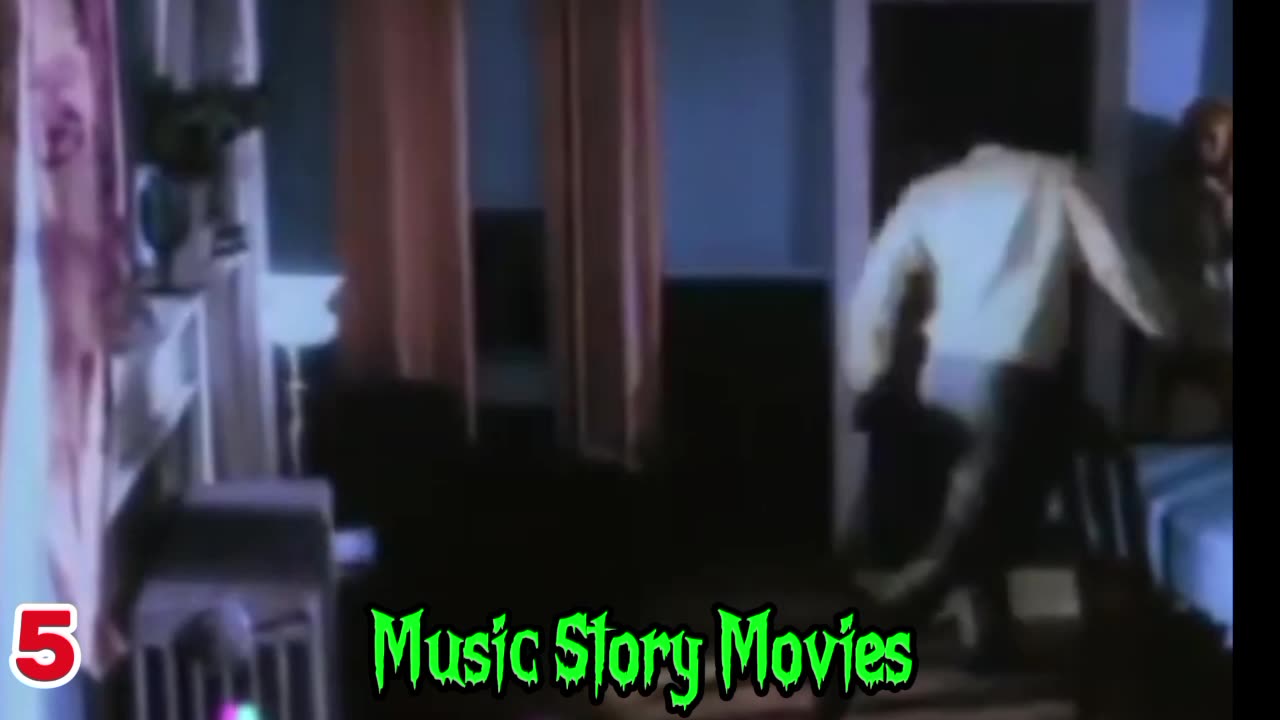
Night of the Living Dead
🎬 Night of the Living Dead: An Analysis of the Iconic Horror Film (1968)
Night of the Living Dead is not merely a film; it is a cultural phenomenon, a blueprint that defined and revolutionized the modern horror genre, particularly the zombie subgenre. Released in 1968 on a shoestring budget (around $114,000) and without major stars, this independent, black-and-white film by director George A. Romero, and written with John A. Russo, successfully penetrated the collective public consciousness, leaving an indelible legacy in cinema, and inadvertently opening the door for profound social commentary.
🏚️ The Bleak Setting and a Simple, Harrowing Premise
The story opens with a very simple premise: a pair of siblings, Barbra (Judith O'Dea) and Johnny (Russell Streiner), travel to a rural Pennsylvania cemetery to place a wreath on their father’s grave. The awkward silence is broken when Johnny teases Barbra with his iconic line, "They're coming to get you, Barbra!" – a prophecy that unfortunately comes true within minutes.
The solemn visit turns into horror when a strange, sluggish man attacks them. Johnny is killed, and Barbra flees in shock, finding refuge in an isolated old farmhouse. There, she meets Ben (Duane Jones), a calm and charismatic Black man who quickly assumes the role of the group’s leader.
👥 The Survivors and the Capsule of Tension
The entire film is centered almost exclusively inside and around this farmhouse. Shortly after Ben and Barbra meet, they discover other survivors hiding in the cellar:
Harry Cooper (Karl Hardman): A paranoid, cowardly, middle-aged man who believes hiding in the cellar is the only way to survive.
Helen Cooper (Marilyn Eastman): Harry's more rational wife, trapped in increasing desperation.
Tom (Keith Wayne) and Judy (Judith Ridley): A young, optimistic yet naive couple whose help proves vital, but ends tragically.
The confined space, the barricaded doors and windows, and the constantly escalating tension among the survivors become the heart of the narrative.
🧠 Internal Conflict and the True Horror
Although the external threat—dozens of hungry, undead creatures gathering around the house—is terrifying, the internal conflict among the survivors is the true horror and the film’s most enduring theme.
The Ben vs. Cooper Contrast
The film effectively portrays two opposing types of leadership:
Ben: Pragmatic, action-oriented, and determined to use the main floor as a defensive base and attempt to contact the outside world. He represents fragile hope and cooperation.
Harry Cooper: Pessimistic, selfish, and insistent that only the cellar is a safe place. He represents human mistrust and selfishness when faced with extreme crisis.
The fierce debates and arguments between Ben and Cooper over defense strategy are not just mere plot conflicts; they are a reflection of society's failure to unite when facing disaster. The tension created by their arguments is often more deadly than any zombie bite.
🩸 Innovation and the Redefinition of the Zombie
Before Night of the Living Dead, 'zombies' in popular culture (especially 1930s Voodoo films) were victims controlled by magic. Romero and Russo radically changed this.
The undead they introduced are:
Cannibalistic: They are motivated by one primal urge: to consume fresh human flesh.
Slow and Unintelligent: They move with a shuffling gait, but their overwhelming numbers and relentless determination make them a fatal threat.
Only Disabled by Destroying the Brain: This is the golden rule established by the film, becoming a genre convention followed to this day.
Created by Radiation: In the film, the crisis is linked to the return of a space probe contaminated by Venusian radiation. While this explanation is somewhat trivial, the context highlights Cold War fears of uncontrolled science and technology.
The film also bravely featured gore never before seen on screen, particularly the scenes of cannibalism. Though in black and white, these scenes feel brutal and visceral, pushing the boundaries of what was acceptable to audiences in 1968.
🇺🇸 Profound Social Commentary
Without initially intending to, Night of the Living Dead became one of the most socially resonant horror films of its time, primarily due to the casting of Duane Jones as Ben. Jones was a Black actor playing a strong, rational, and authoritative leading role – a rarity in mainstream cinema in the 1960s, especially within the horror genre.
Released the same year as the assassination of Martin Luther King Jr. and the peak of the Civil Rights movement, the choice of a Black protagonist dominating cowardly white characters (cough, Cooper, cough) became a powerful statement on race and leadership in America.
The Unforgettable Ending
The culmination of all this horror and social commentary is the cold, cynical ending. After surviving the terrible night, Ben, the only one left, finds temporary refuge in the cellar in the morning. When the local search and cleanup team arrives, they sweep the house.
Ironically, the living Ben, having just emerged from the cellar's darkness, is mistaken for one of the undead and shot in the head by a member of the search party. The final scenes, presented as a brutal, documentary-like photo montage, show the team dragging Ben's body to a bonfire to be burned.
This nihilistic ending delivers a profound blow: the greatest threat to humanity is not the monsters, but humanity itself. The failure of communication, the mistrust, and the system that inadvertently "executes" the surviving hero is a sharp critique of American society in the late 60s.
🌟 An Irreplaceable Legacy
Night of the Living Dead was a hugely successful low-budget horror film that changed the cinematic landscape forever. It not only birthed the entire modern zombie mythology (later perfected by Romero in his sequels, Dawn of the Dead and Day of the Dead), but also proved that independent films could achieve massive success.
More than five decades after its release, the film remains a powerful work, not just for its frightening scenes, but for its uncompromising exploration of human nature revealed in the face of apocalypse: fear, selfishness, futile heroism, and society’s failure to help one another.
-
 1:59:47
Redacted News
2 hours agoDeep State Coup Coming for Trump? New JFK Files Released and NATO Preparing Attack on Russia
111K47 -
 LIVE
LIVE
Dr Disrespect
7 hours ago🔴LIVE - DR DISRESPECT'S TRIPLE THREAT CHALLENGE - ARC RAIDERS • BF6 • FORTNITE
1,101 watching -
 1:00:57
Russell Brand
5 hours agoThe Vaccine Ideology Unmasked | Dr Peter McCullough - SF658
88.5K33 -
 1:11:25
vivafrei
3 hours agoKash Patel's Jacket-Gate! Pfizer Whistleblower Qui Tam on Appeal! Meanwhile in Canada! AND MORE!
42.7K27 -
 16:30
16:30
Clintonjaws
7 hours ago $2.30 earnedEntire Room Speechless as Pete Hegseth Snaps Destroying All Media To Their Face
12.9K9 -
 22:12
22:12
Dad Saves America
3 hours agoHow Greek Philosophers Created Western Civilization: The Death of Debate - Pt 2
3.28K -
 LIVE
LIVE
LFA TV
20 hours agoLIVE & BREAKING NEWS! | WEDNESDAY 12/03/25
1,164 watching -
 1:05:46
The Quartering
5 hours agoNew Epstein Video Drops! The US Economy Has SCARY Numbers Released & More
116K29 -
 1:07:11
The White House
7 hours agoPresident Trump Makes an Announcement, Dec. 3, 2025
32K20 -
 1:26:28
Film Threat
23 hours agoINSIDE THE DECLINE OF DISNEY! A WARNING FROM THE PAST | Hollywood on the Rocks
14.9K1