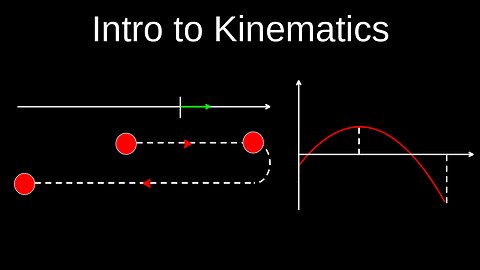
Vectors Vs Scalars, Displacement, Distance, Velocity, Speed, Acceleration - Physics (Mechanics)

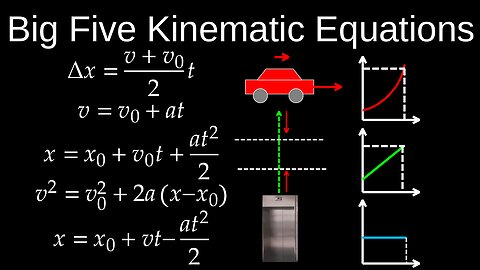
Big Five Kinematics, Uniform Acceleration, How to Select, Intervals, Objects - Physics (Mechanics)
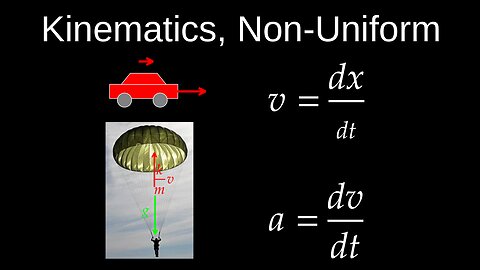
Kinematics, Non-Uniform Motion, Non-Constant Acceleration, 1D Motion - Physics (Mechanics)
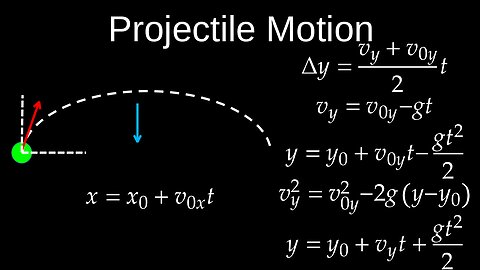
Projectile Motion, Kinematics, 2D Motion, Problems, Examples - Physics (Mechanics)

Reference Frames, Relative Motion, Velocity, Vectors, Questions, Examples - Physics (Mechanics)
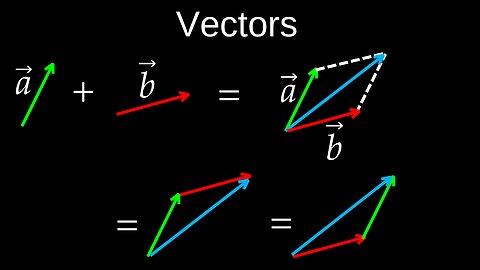
Vectors, Addition, Scaling, Negation, Subtraction, Coord Systems - Physics (Mechanics)
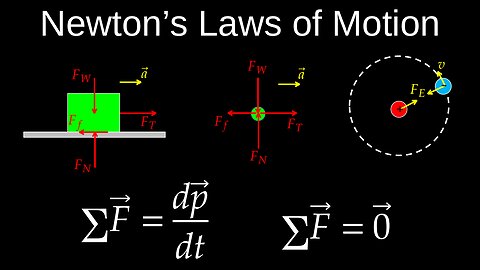
Newton's Second Law of Motion, First Law, Equations, Worksheet, Examples - Physics (Mechanics)
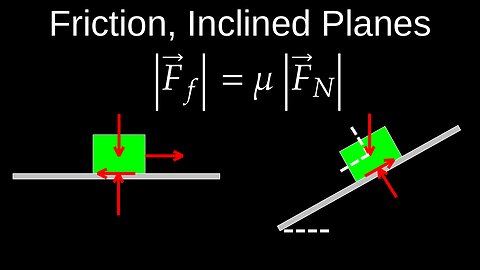
Friction, Resistive Force, Equation, Inclined Plane Motion, Examples - Physics (Mechanics)
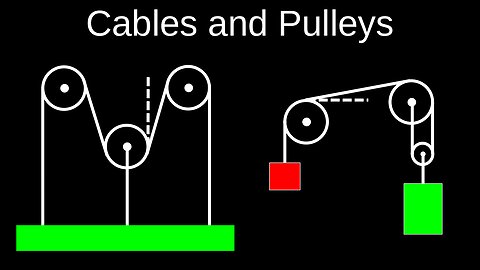
Cables and Pulleys, Massless, Atwood Machines, Free Body Diagrams - Physics (Mechanics)
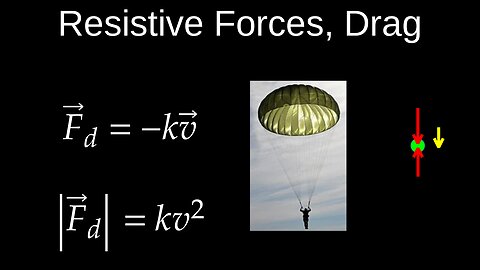
Resistive Forces, Drag, Terminal Velocity, Example - Physics (Mechanics)
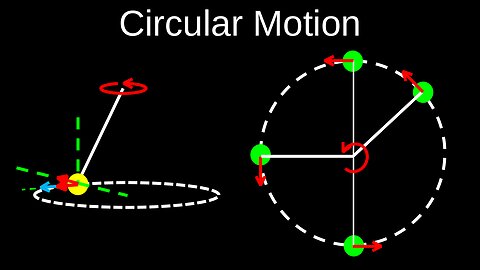
Circular Motion, Centripetal Acceleration, Vertical, Horizontal, Banked - Physics (Mechanics)

Newton's Third Law of Motion, Equal and Opposite Forces, Action Reaction Pairs - Physics (Mechanics)
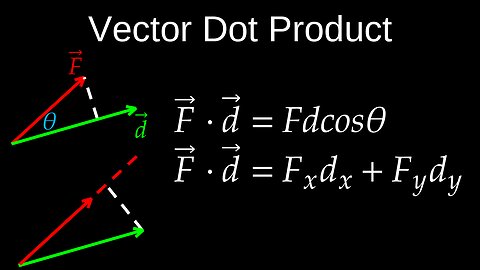
Vector Dot Product, Commutativity, Projection, Visualization, Proof - Physics (Mechanics)
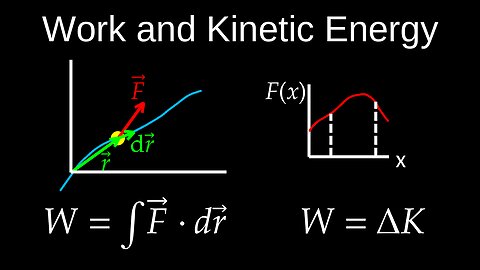
Work of a Force, Dot Product, Integral, Work Energy Theorem, Kinetic Energy - Physics (Mechanics)
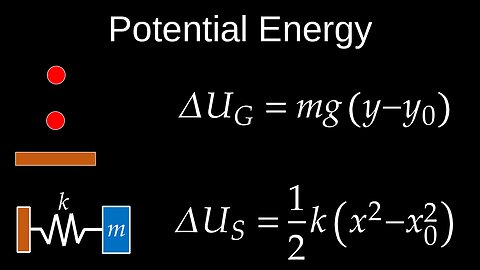
Potential Energy, Gravity, Elastic, Spring, Conservative Forces, Functions - Physics (Mechanics)
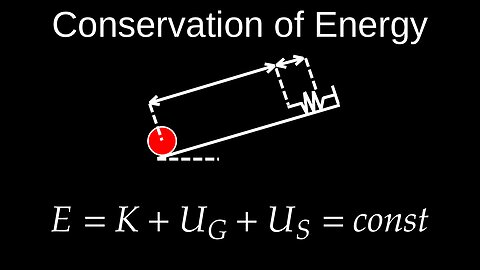
Conservation of Mechanical Energy, Conservative Systems - Physics (Mechanics)
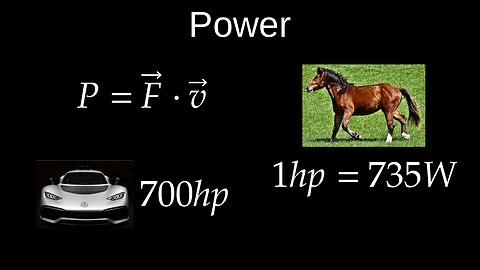
Power, Horsepower, Rate of Work - Physics (Mechanics)
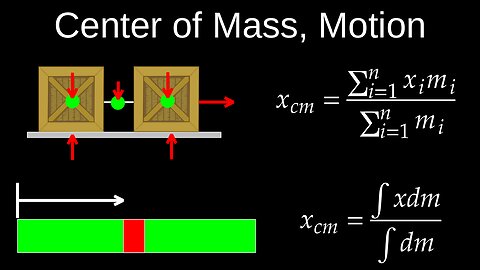
Center of Mass vs Gravity, Discrete Bodies, Integral, Linear Motion - Physics (Mechanics)
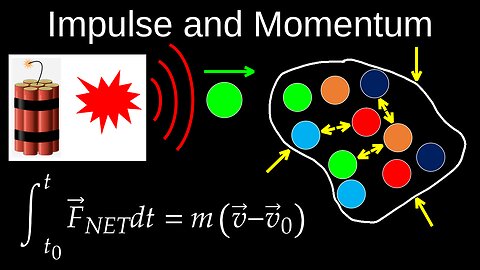
Impulse and Momentum, Theorem, Particle, Systems, Average Force, Application - Physics C (Mechanics)
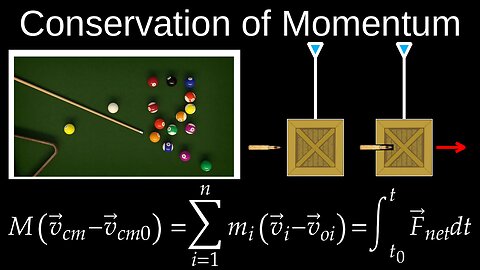
Conservation of Linear Momentum, 2D, Elastic and Inelastic Collisions - Physics (Mechanics)

Vector Cross Product - Physics

Vector Cross Product, Right Hand Rule - Physics

Vector Cross Product, Determinant - Physics

Vector Cross Product, Proof, 2D Cartesian Coords - Physics

Vector Cross Product, Example - Physics

Torque - Physics
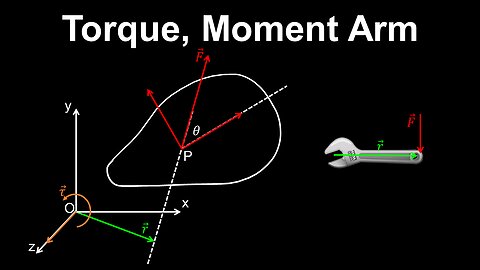
Torque, Moment Arm - Physics
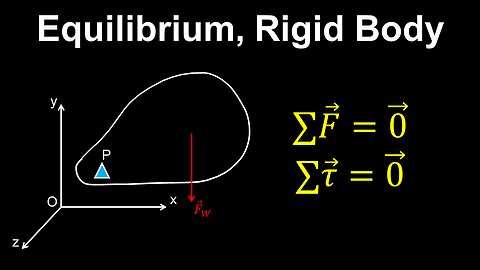
Equilibrium, Rigid Body - Physics

Equilibrium, Rigid Body, Example - Physics

Moment of Inertia, System of Particles - Physics
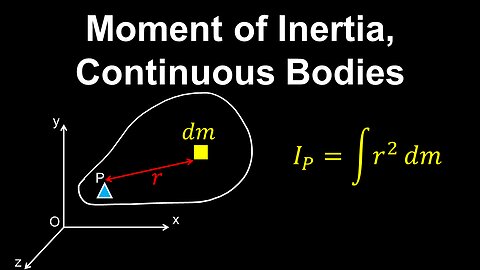
Moment of Inertia, Rigid Body - Physics
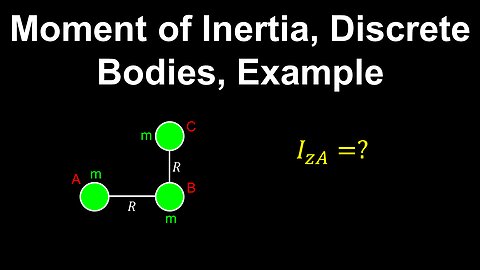
Moment of Inertia, System of Particles, Example - Physics

Moment of Inertia, Examples - Physics
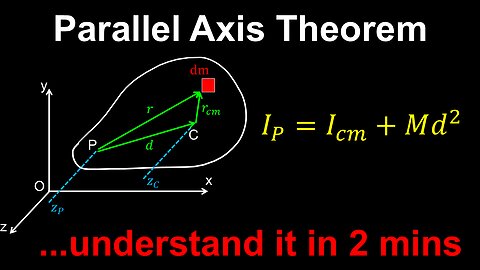
Parallel-Axis Theorem, Moment of Inertia - Physics
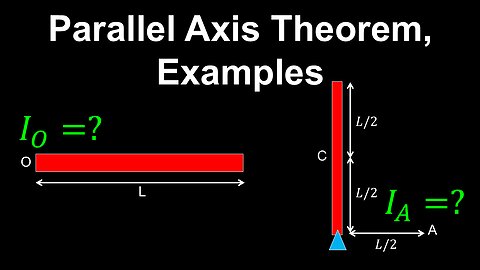
Parallel Axis Theorem, Moment of Inertia, Examples - Physics
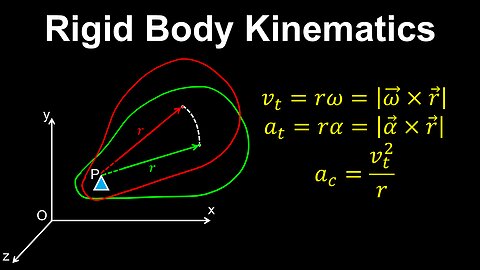
Rigid Body Kinematics, Rotation - Physics

Rotational Kinematics, Big Five - Physics
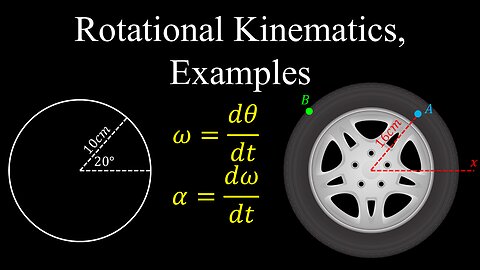
Rotational Kinematics, Examples - Physics

Rolling Motion, No Slip - Physics

Rotational Dynamics, Energy - Physics

Angular Momentum, Spin, Orbital, Conservation - Physics
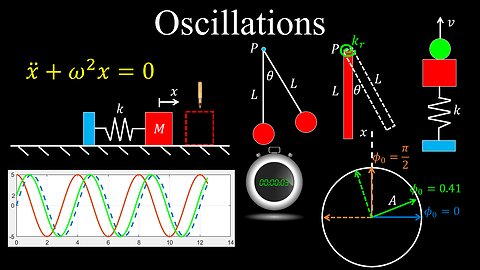
Oscillations, Simple Harmonic Motion - Physics

Simple Harmonic Motion, Solutions to ODE - Physics
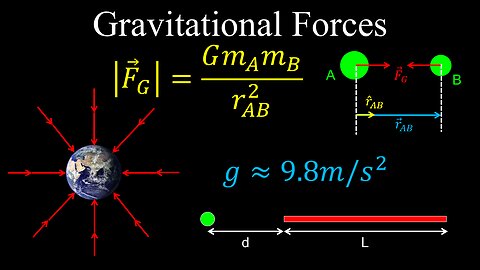
Gravitational Forces, Newton's Law of Gravitation - Physics

Kepler's Laws, Satellite Orbits, Experimental Data - Physics

Gravitational Potential Energy, Escape Speed - Physics
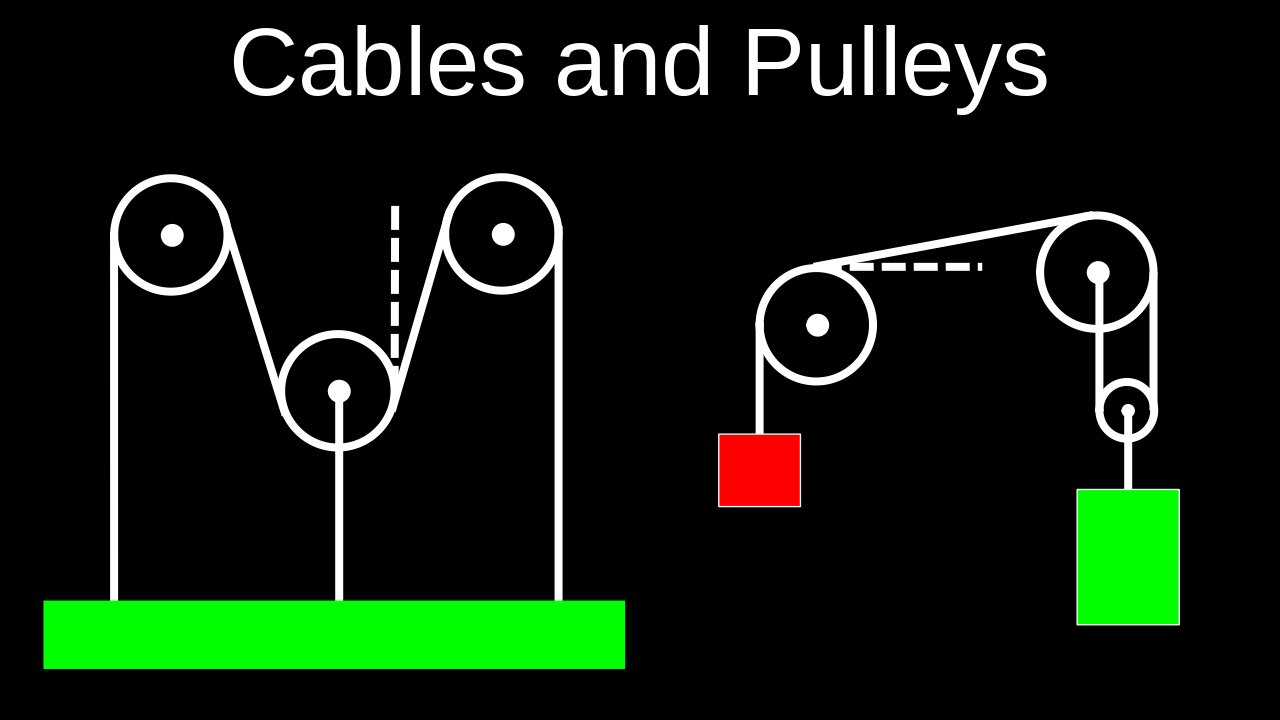
Cables and Pulleys, Massless, Atwood Machines, Free Body Diagrams - Physics (Mechanics)
Cable pulley systems use a wheel and rope to change the direction of force or multiply the applied effort. In an ideal system, the tension is constant throughout the rope, and the force needed to lift a weight depends on the number of ropes supporting the load. For example, a single pulley can redirect force, while adding a second pulley can halve the required lifting effort by having the weight supported by two segments of the rope.
💡Key physics principles
• Tension: The tension in a rope is the force it exerts along its length. In an ideal, massless rope with no friction, the tension is the same at all points.
• Mechanical Advantage: A pulley system can provide mechanical advantage, which is the ratio of the load's weight to the effort force.
⚬A single fixed pulley has a mechanical advantage of 1 (e.g., to lift a 10kg weight, you must apply \(10\text{kg}\) of force).
⚬Adding a movable pulley can double the mechanical advantage. For example, a two-pulley system can lift a 10kg weight with a force of only \(5\text{kg}\).
• Work and Energy: The work done by the effort force is equal to the work done on the load in an ideal system (work = force \(\times \) distance). This means if you decrease the force, the distance you must pull the rope increases proportionally.
• Force Direction: A single fixed pulley can change the direction of the applied force, allowing you to pull down to lift something up.
Newton's Third Law: For every action, there is an equal and opposite reaction. The force you apply to the rope is equal and opposite to the reaction force exerted by the rope on your hand.
• Real-world factors: In real pulley systems, factors like friction in the pulley's axle, the weight of the rope, and the rope's stretch are present and reduce efficiency.
💡Worksheets are provided in PDF format to further improve your understanding:
• Questions Worksheet: https://drive.google.com/file/d/1pD8nvbATuuSwvLF_nueB2KSc685rnQKr/view?usp=drive_link
• Answers: https://drive.google.com/file/d/1SYKZihxmNSOL5K4ZQI663PIthUBqC9hs/view?usp=drive_link
💡Chapters:
00:00 Cables and pulleys
02:10 Atwood machines
03:38 Worked examples
🔔Don’t forget to Like, Share & Subscribe for more easy-to-follow Calculus tutorials.
🔔Subscribe: https://rumble.com/user/drofeng
_______________________
⏩Playlist Link: https://rumble.com/playlists/d3cTgspk0Ro
_______________________
💥 Follow us on Social Media 💥
🎵TikTok: https://www.tiktok.com/@drofeng?lang=en
𝕏: https://x.com/DrOfEng
🥊: https://youtube.com/@drofeng
-
 DVR
DVR
DLDAfterDark
3 hours ago $0.56 earnedBadge Cam Shootings - Let's Watch Some Semi Precious Metals Fly!
19.5K -
 2:16:00
megimu32
4 hours agoOTS: THEY STOLE THAT… AND IT STILL WASN’T BETTER!
28K4 -
 1:33:50
Precision Rifle Network
1 day agoGuns & Grub - New Guns!
21.1K5 -
 1:02:27
Glenn Greenwald
6 hours agoADL Demands More Censorship of Tucker, Hasan Piker, Nick Fuentes, and More; Plus: Glenn's Debate About Iran on Piers Morgan | SYSTEM UPDATE #567
108K132 -
 2:24:24
Barry Cunningham
5 hours agoLIVE TONIGHT: President Trump and NHL Champions Florida Panthers | Nick Shirley Video
60K25 -
 1:03:35
BonginoReport
8 hours agoMinneapolis is OUT OF CONTROL! - Nightly Scroll w/ Hayley Caronia (Ep.214)
175K103 -
 1:30:11
Kim Iversen
10 hours agoAmericans TURN On Trump Over ICE, Rogan Compares To Gestapo
154K360 -
 2:21:47
Red Pill News
10 hours agoMinneapolis on FIRE - Time For Insurrection Act on Red Pill News Live
91.6K34 -
 1:02:43
TheCrucible
9 hours agoThe Extravaganza! EP: 82 (01/15/26)
67K17 -
 1:45:07
Redacted News
9 hours agoBREAKING! Israel got busted BIG in Iran and Putin is FURIOUS, War averted?
178K128