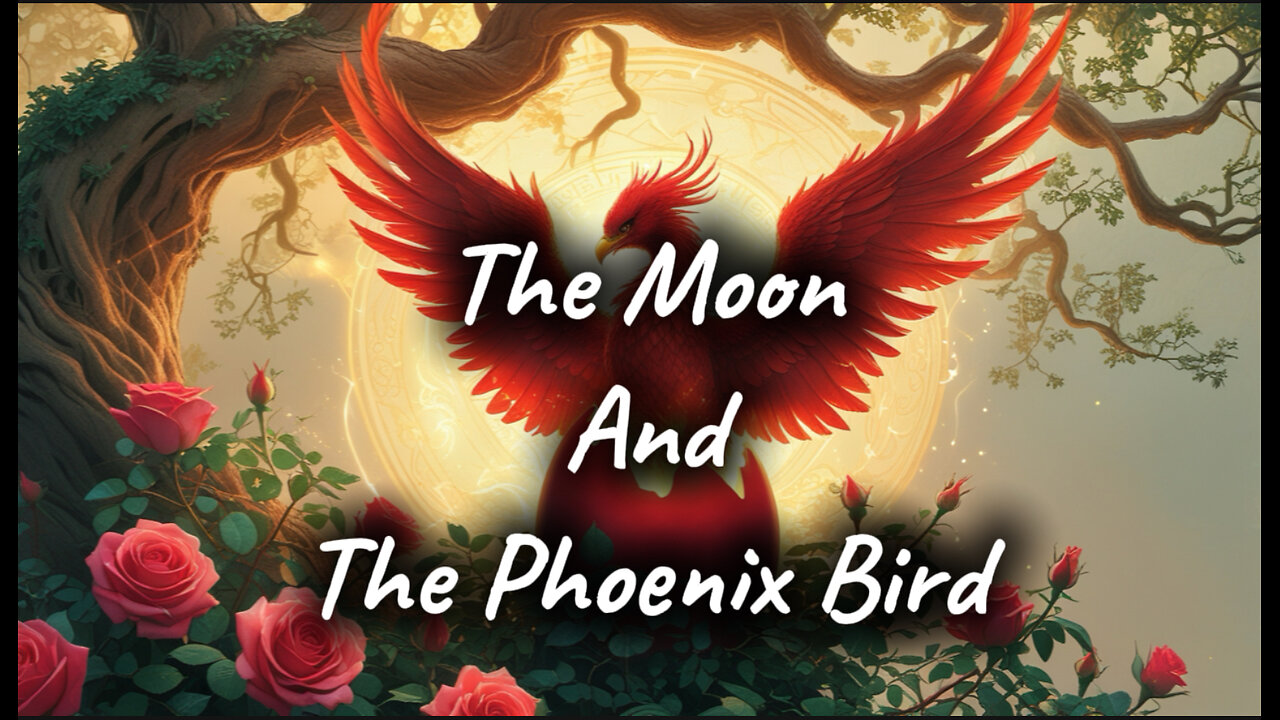
Moon and Phoenix
Once upon a time in the stark beauty of Greenland, the Moon watched over a lively celebration among the local Greenlanders. Under the glow of the first quarter moon, the landscape was adorned with dwarf willows, barberry bushes, and the sweet fragrance of blooming lychnis. The inhabitants danced and sang, seemingly unbothered by the magnificent Northern Lights that painted the sky above.
In this vibrant setting, the Greenlanders engaged in a unique Court of Judgment, where they humorously aired grievances through satirical songs, showcasing their communal spirit. However, amidst the revelry, a poignant scene unfolded as a sick man prepared for his final moments. His wife lovingly offered him choices for burial, reflecting their deep connection to the sea, which served as both a source of life and a final resting place.
The narrative then shifts to an old maid, whose life was marked by solitude and routine. She spent her days tending to flowers in summer and cress in winter, gazing out her window with a longing for connection. As she contemplated her own mortality, her isolation deepened after losing a dear friend. Her death arrived suddenly, symbolized by a van that carried her coffin, jostled along the road—a stark contrast to her quiet existence.
Amid these stories, the Phoenix bird emerged as a symbol of renewal and creativity. Born from the ashes of its predecessor, the Phoenix represented the cyclical nature of life and death. It rose from a rose bush in the Garden of Paradise, embodying the beauty of mortality and the hope of rebirth. This mythical creature transcended cultures, appearing in various forms across the world, reminding us of the enduring nature of the human spirit.
In weaving these narratives together, the text explores themes of life, death, and artistic expression. The Phoenix serves as a powerful metaphor for renewal, illustrating the beauty that can arise from endings and providing insight into the eternal cycle of existence.
-
 6:48
6:48
MattMorseTV
11 hours ago $6.95 earnedThune just GAVE the ORDER.
20.4K39 -
 1:03:01
Sam Tripoli
1 day ago $2.49 earnedCash Daddies #255: Burry vs. Palantir + Epstein Files Firings + Iran Negotiations/Oil
18.1K7 -
 20:37
20:37
MetatronGaming
6 days agoAMIGA 1200 Trailer Reaction
9.13K3 -
 15:59
15:59
GritsGG
13 hours agoWorld Record Warzone Win Streak Attempt (24 of 58)!
25.7K -
 2:30:33
PandaSub2000
14 hours agoVirtual Boy Night 2 | ULTRA BEST AT GAMES (Edited Replay)
10.4K -
 17:58
17:58
Nikko Ortiz
1 day agoClips That Went Too Far...
33.7K4 -
 4:21
4:21
TruthStream with Joe and Scott
3 days agoHug ~ A lovesong for Humanity written by Joe Rosati and Steve Collins
16.7K19 -
 5:01:13
Drew Hernandez
1 day agoDOJ SIGNALS EPSTEIN COVER-UP COMPLETE W/ MILLIONS OF FILES REMAINING & NO NEW PROSECUTIONS?
135K31 -
 1:22:48
Man in America
13 hours agoHere’s Why the CCP LOVES the Epstein Files w/ Jan Jekielek
52K14 -
 1:56:02
Badlands Media
17 hours agoDEFCON ZERQ Ep. 031: Epstein Psyop, SAVE Act Showdown & The Zorro Ranch Question
126K50