Juggernaut’s Brutal Kill Explained — Hero or Monster
#Juggernaut #XMen #XMen21 #ComicAnalysis
#ComicBookBreakdown #MarvelComics
#CainMarko #RedemptionArc #ComicDebate
#MutantPolitics #ComicLore #PanelAnalysis
#GraphicNovelTalk #Marvel #ComicsCommunity #ComicBookFans
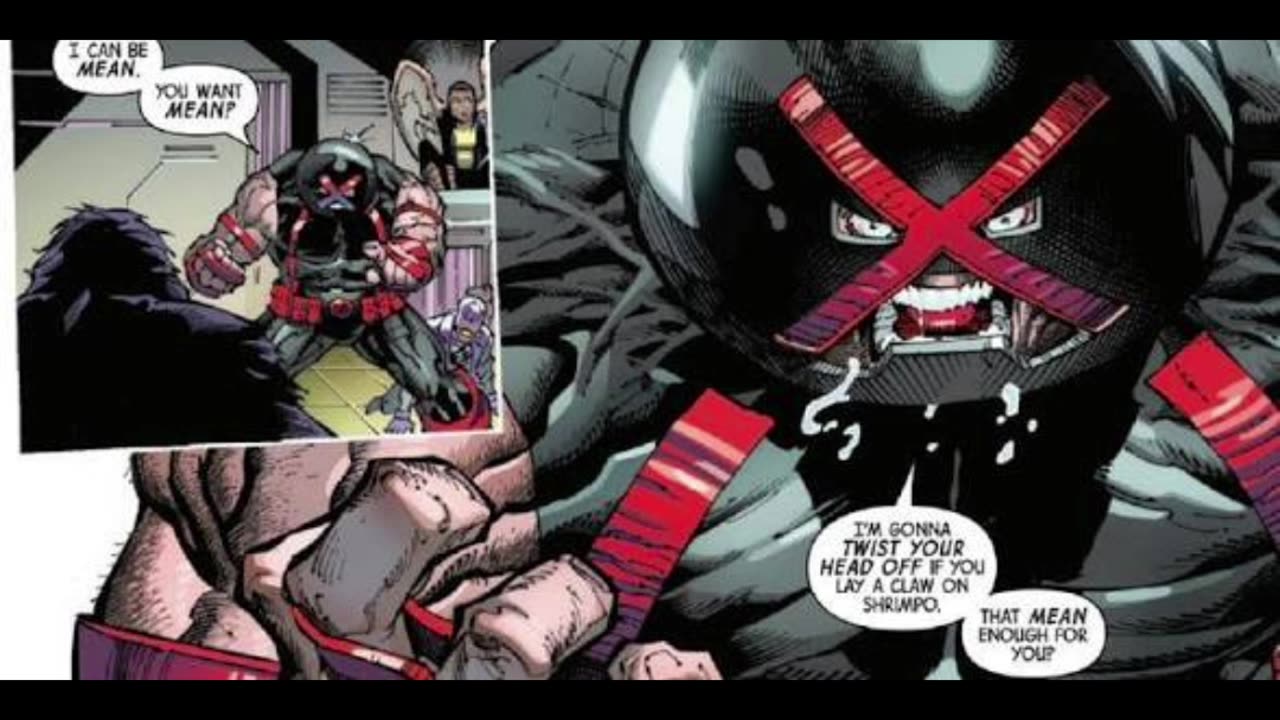
Juggernaut’s beheading of Ocelot in X‑Men #21 is a brutal, premeditated act that complicates his redemption — it makes him a protector by Cyclops’ standards but not a traditional hero in moral terms. The scene forces readers to decide whether ends‑driven deterrence can coexist with heroic ethics.
Cain Marko’s violent act arrives at the end of a pitched fight with the Upstarts, when the X‑Men are already preparing to leave and the immediate threat has been neutralized. Juggernaut explicitly promises consequences and then follows through, severing Ocelot’s head as a statement; the moment is framed as both a personal vow kept and a deliberate crossing of a line that many X‑Men have historically avoided. That timing, killing after the battle, is what makes the scene feel less like battlefield necessity and more like punitive retribution.
The issue also reframes the team Cyclops has assembled. Scott Summers’ roster in this arc blends traditional heroes with lethal operatives, and Juggernaut’s action functions as a proof of concept for Cyclops’ deterrent strategy: fear as policy. By showing that his X‑Men will kill when they deem it necessary, Cyclops aims to protect mutantkind through intimidation, but that strategy trades moral clarity for tactical effectiveness. The comic positions Juggernaut as an instrument of that policy, which complicates any simple label of “hero” for him.
Looking at Cain Marko’s history helps explain why this moment lands so hard. Juggernaut has long been written as a figure torn between brute force and occasional nobility; his past oscillates between villainy, reluctant allyship, and moments of genuine sacrifice. This kill doesn’t erase his attempts at redemption, but it does reveal the fragility of that arc: a single, irrevocable act can undo public trust and moral authority even if it stems from loyalty or a promise kept.
In the end, Juggernaut in X‑Men #21 is still a protector of his teammates and the mutant cause, but he is not a hero in the classical, ethical sense. He embodies a pragmatic, punitive form of justice that achieves deterrence at the cost of moral legitimacy. Whether readers accept that tradeoff depends on whether they prioritize safety through strength or the aspirational ideals that traditionally define heroism. The issue succeeds in making that debate uncomfortable and personal, using Juggernaut’s brutality to ask whether redemption can survive an unforgivable act.
-
 LIVE
LIVE
FreshandFit
11 hours agoAfter Hours w/ Girls
6,258 watching -
 2:04:59
TimcastIRL
6 hours agoTommy Robinson RETURNS To The US, The FIGHT Against Islamization of Europe | Timcast IRL #1454
195K137 -
 LIVE
LIVE
Drew Hernandez
21 hours agoTRUMP PLAYS ALIEN DISCLOSURE CARD AMID EPSTEIN FILES FALLOUT
1,002 watching -
 DVR
DVR
Valhalla VFT
4 hours ago $6.15 earnedThe Iran Epstein DISTRACTION. We're Headed for WAR
33.9K55 -
 24:29
24:29
Jasmin Laine
4 hours agoCarney Caught OFF GUARD—Trump SHATTERS Canada’s Trade Illusion With 10% Tariff INCREASE
6109 -
![Friday Night DJ Mix - NIN - SPECIAL EDITION - Taking Requests (5:30pm PST / 8:30pm EST) [THE DOWNWARD WEEKEND]](https://1a-1791.com/video/fwe2/4f/s8/1/G/N/X/0/GNX0z.0kob.2-small-Friday-Night-DJ-Mix-NIN-SPE.jpg) LIVE
LIVE
SynthTrax & DJ Cheezus Livestreams
2 days agoFriday Night DJ Mix - NIN - SPECIAL EDITION - Taking Requests (5:30pm PST / 8:30pm EST) [THE DOWNWARD WEEKEND]
151 watching -
 16:16
16:16
Amy Dangerfield
3 hours ago $1.41 earnedThe Dark Reality of "Goon Caves"
17.9K16 -
 2:09:17
PandaSub2000
3 days agoJurassic World: Aftermath VR | PS2K 2000 (Original Live Version)
4.61K4 -
 2:42:12
Barry Cunningham
3 hours agoLIVE TONIGHT: The Supreme Court Gave President Trump Even MORE Power! And More News!
25.2K17 -
 LIVE
LIVE
GritsGG
7 hours ago#1 Warzone Victory Leaderboard 1465+ Ws!!🔥
148 watching