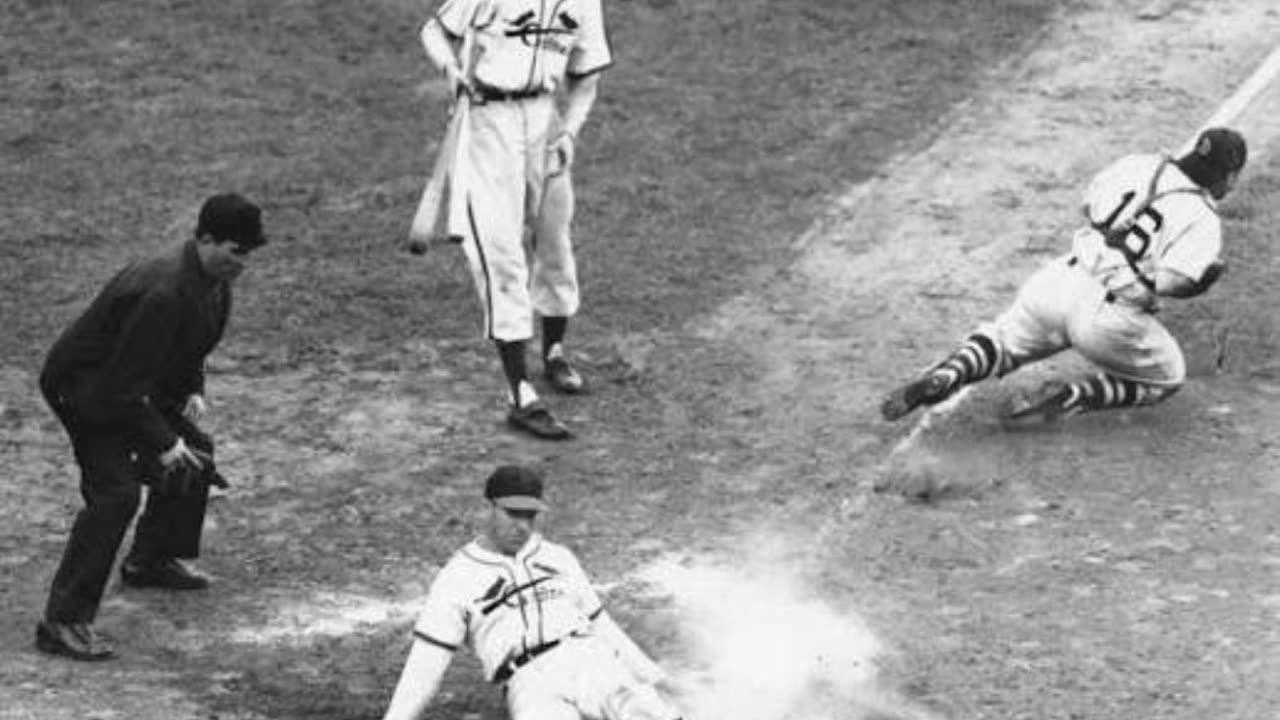
Global Game, Local Grind: MLB’s Balancing Act
#MLB #Baseball #MLBWorldTour #162Games #JapanBaseball #KBO #LigaMexicana #MLBAbroad #GlobalSports #SportsBusiness #PlayerHealth #BaseballCulture #BaseballBalance
MLB’s push overseas brings big revenue and new fans, but it must be carefully balanced with the realities of a grueling 162‑game North American season to protect player health, competitive integrity, and the domestic fan experience.
MLB Global Growth vs Domestic Roots
Baseball’s modern identity is split between its deep North American roots and an increasingly global footprint. For decades the sport has been centered on local rivalries, long homestands, and the ritual of a six‑month grind; at the same time, MLB has staged regular‑season games abroad and branded those efforts as a way to grow the game internationally. This tension, between tradition and expansion, frames every decision about where and when to play.
MLB’s international calendar now includes high‑profile series in Japan, Mexico, Korea, and the United Kingdom, among other markets, and the league has steadily increased the number of regular‑season games played outside the U.S. and Canada as part of its World Tour strategy. Those events generate immediate revenue from ticket sales, international broadcast rights, and sponsorships, and they create cultural touchpoints that can turn casual viewers into lifelong fans. They also spotlight local stars and accelerate talent pipelines, which benefits the sport’s long‑term competitiveness and diversity.
The financial and strategic upside is clear, but so are the operational costs. The MLB regular season is 162 games per team, spread over roughly 26–27 weeks, and the schedule is already a logistical marathon of travel, off‑days, and series planning. Adding international travel, especially across multiple time zones, compounds fatigue, disrupts routines, and can affect on‑field performance. For players and staff, the cumulative toll of long flights, altered sleep cycles, and compressed recovery windows raises injury risk and can diminish the quality of play fans expect late in the season.
Reconciling these forces requires deliberate tradeoffs. MLB can preserve the integrity of the 162‑game season while pursuing global markets by concentrating international games into designated windows (e.g., season openers or scheduled breaks), rotating host cities to limit repeated long trips for the same teams, and expanding roster and rest provisions around overseas series. Investing in local academies and year‑round partnerships in target countries leverages international interest without forcing excessive midseason travel, and staggered scheduling can protect marquee domestic matchups that sustain local fanbases. These measures keep player welfare, competitive balance, and fan experience at the center of expansion decisions.
Balancing lucrative overseas opportunities with the grind of a long domestic season is not an either/or proposition. With thoughtful scheduling, stronger player support, and strategic local investments, MLB can grow its global footprint while honoring the rhythms that make the North American season unique and compelling.
-
 LIVE
LIVE
FrizzleMcDizzle
1 hour agoNEW VIDEO OUT NOW - A little NightReign for now
252 watching -

Jeff Ahern
2 hours ago $1.06 earnedThe Saturday Show with Jeff Ahern
6.02K1 -
 LIVE
LIVE
GrimmHollywood
4 hours ago🔴LIVE • GRIMM HOLLYWOOD • GRIMMBAS • DAY 1 of 12 • GRIMMDY'S + GAMES RECON GOT ME • LINDY'S SHOW •
234 watching -
 LIVE
LIVE
NeoX5
2 hours agoIndies for the Holidays | Holiday Rush | Ep 8 | Rumble Gaming
39 watching -
 19:54
19:54
Professor Nez
3 hours ago🚨BIDEN MUST GO TO PRISON NOW! LEAKED Memo PROVES Immigration Plan
14.6K41 -
 LIVE
LIVE
Amish Zaku
1 hour agoArc Raiders - cash runs before reset week
22 watching -
 LIVE
LIVE
Biscotti-B23
2 hours ago🔴 LIVE $100+ TOURNAMENT! TSUGUKU TRIALS 🏆 DEMON SLAYER HINOKAMI CHRONICLES 2
37 watching -
 1:45:46
I_Came_With_Fire_Podcast
12 hours agoCatching Online Predators: Sting Operations & Saving Kids
117K6 -
 2:02:00
MetatronGaming
19 hours agoDollmare is a NIGHTMARE
15.7K -
 56:57
56:57
X22 Report
8 hours agoMr & Mrs X - Accusing People Of Murder Is Dangerous, Charlie Kirk's Message Was Unity - EP 19
82K72