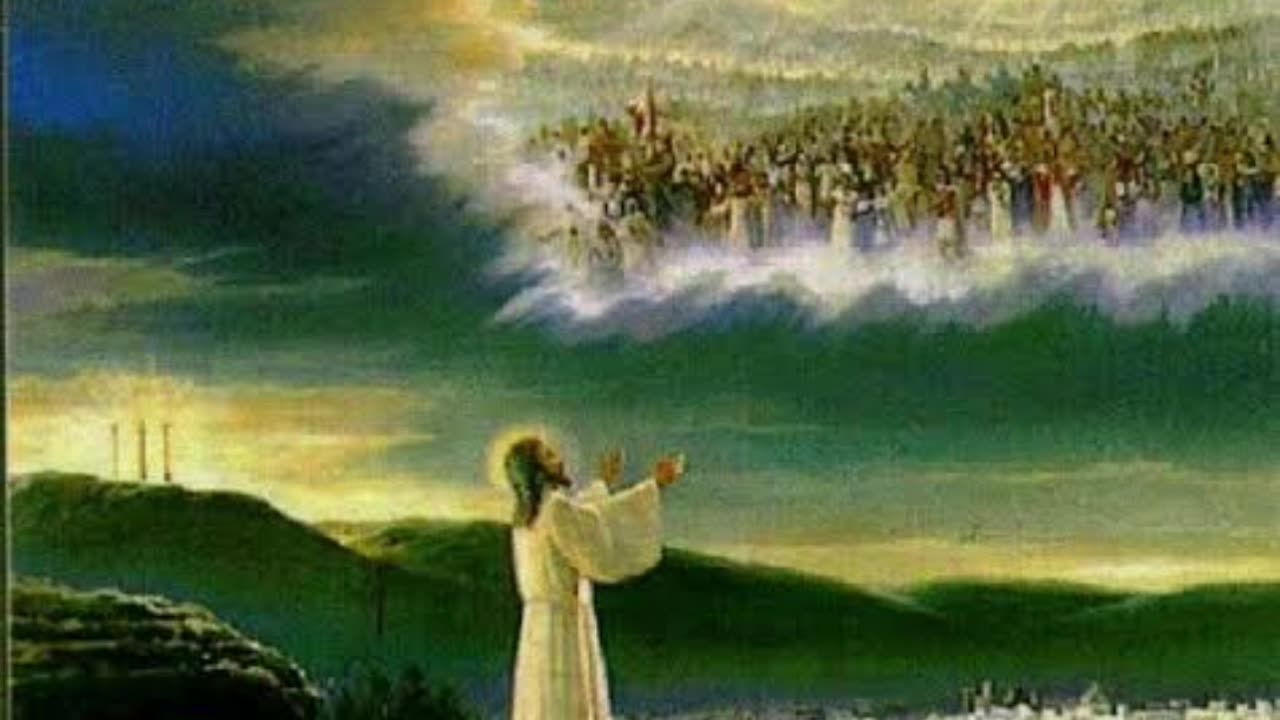
The Kingdom Now: More Than a Future Promise
#KingdomOfGod #KingdomNow #AlreadyNotYet #FaithInAction #JesusTeachingSecondary #Christianity #Gospel #SpiritualGrowth #BiblicalTeaching #Hope #JusticeAndMercy #KingdomLiving #SermonShorts #BibleStudy #TheologyExplained
The Kingdom Of God
The Kingdom of God is both a present reality and a future hope: it begins with Jesus’ ministry and transforms lives now, while pointing to a final consummation when God’s reign is fully realized.
the Kingdom of God resists being reduced to a single moment on a timeline. It is not merely an eschatological event to be awaited; it is a dynamic reign that breaks into history, reshapes human hearts, and reorders communities. This dual character, already and not yet, frames how Christians read Jesus’ teaching, practice discipleship, and sustain hope amid suffering.
Jesus’ proclamation and actions inaugurate the Kingdom in history: his preaching, healings, and parables announce that God’s rule has begun to penetrate the world and human lives, calling people to repentance and new allegiance. The Gospels present the Kingdom as present where God’s will is done, marked by righteousness, peace, and joy, and as a call to ethical transformation rather than merely a future political takeover. This means Christian faith involves immediate moral responsibility: living under God’s reign changes how we treat neighbors, pursue justice, and embody mercy.
Yet the New Testament also insists on a future fulfillment: the Kingdom’s consummation awaits the return of Christ and the renewal of creation, when injustice, suffering, and death are finally overcome. That future promise gives present endurance meaning, suffering is not the last word because the King will come in glory and complete what has been begun. The tension between present power and future perfection explains why Christians both work for justice now and pray for the coming of God’s fullness.
Theologically, holding both dimensions together avoids two errors: reducing the Kingdom to an inward spiritualized state or postponing all responsibility until a distant apocalypse. A balanced view affirms that the decisive victory has been won in Christ’s death and resurrection, while the world still groans for final redemption, so believers engage in mission, mercy, and witness now while trusting God’s ultimate restoration. This posture shapes worship, ethics, and communal life, making the Kingdom a lived reality and a horizon of hope.
In the end, the Kingdom of God is more than just a future promise: it is a present summons to live under God’s rule and a future assurance that God will complete redemption. Christians are called to embody Kingdom values now, justice, mercy, and sacrificial love,while keeping their eyes on the promised consummation.
-
 2:00:47
Sam Tripoli
2 days ago $4.90 earned#965: BlackRock Bamboozle With Susan Bradford
12.3K12 -
 17:58
17:58
Nikko Ortiz
2 days agoClips That Went Too Far...
39.6K5 -
 47:33
47:33
The Sam Hyde Show
2 days agoThe Sam Hyde Show: This is War w/ Ken O'Keefe
90.1K42 -
 3:30:34
FreshandFit
13 hours agoJames Fishback Debates Miami Girls & 5 RAGE QUIT
182K64 -
 1:55:12
Badlands Media
23 hours agoDevolution Power Hour Ep. 433: Epstein Psyops, SAVE Act Theater & The Coming Election Reveal
76.6K43 -
 1:15:27
Inverted World Live
12 hours agoThe Discombobulator | Ep. 174
64.1K23 -
 3:02:15
ThatStarWarsGirl
13 hours agoTSWG LIVE: HollyWEIRDS Gone NUTS! 007 Casting, Robert Pattinson in Drag, Comics And MORE!!!
33.6K1 -
 1:16:52
Adam Does Movies
7 hours ago $3.93 earnedTalking Movies + Ask Me Anything - LIVE
36.7K2 -
 3:00:29
TimcastIRL
7 hours agoWAR! US War With Iran FEARED As MASSIVE Deployment Heading To Gulf | Timcast IRL #1452 w/ Amber Duke
203K69 -
 LIVE
LIVE
GritsGG
9 hours ago#1 Warzone Victory Leaderboard 1410+ Ws!!🔥
498 watching