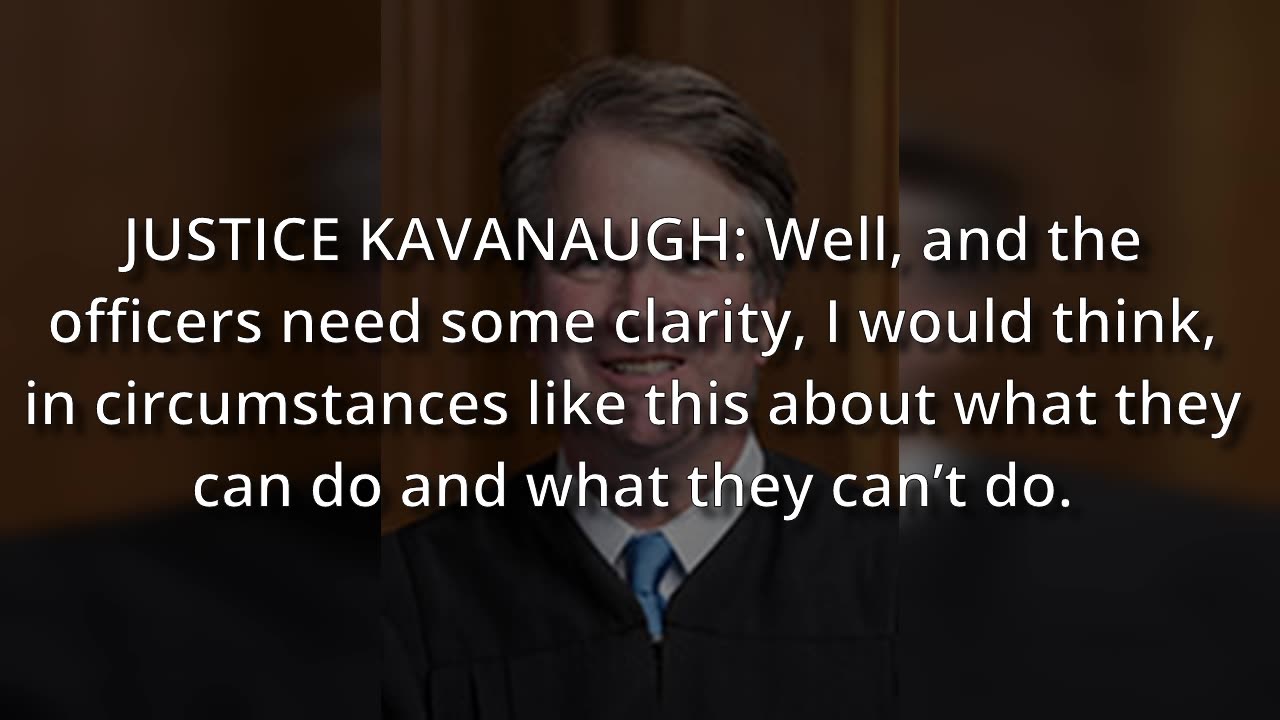
Searching without a warrant
In general, the police need a warrant to enter your home without your permission; however, there are exceptions to the warrant requirements. The Fourth Amendment protects you from unreasonable searches, not warrantless searches. The case of Case v. Montana is about what makes police entry into a private home reasonable.
The Fourth Amendment is supposed to protect you against unreasonable searches and seizures. While most people are aware of the warrant requirements, we don’t talk a lot about what else makes a search reasonable.
Does a wellness check authorize government actors to search your home? We do have the “plain sight” rule, which states that anything police observe in plain sight can be used as evidence. But when someone enters your home without your permission, is that really plain sight? So while I disagree with Mr. Rowley that the police didn’t have sufficient cause to enter the home, I also disagree with Mr. Corrigan’s claim that it’s reasonable for police to search while doing a wellness check.
I guess that’s the problem with “reasonableness.” What one person finds reasonable, another finds an invasion. How objective can that be?
Read the full article... watch and learn from Constitutional Expert Paul Engel; there is always much more to learn back at America Out Loud: https://www.americaoutloud.news/.
-
 26:18
26:18
America Out Loud
10 days agoThis law prevents minors from getting the treatment that 90% of them need
87 -
 LIVE
LIVE
Jeff Ahern
46 minutes agoFriday Freak out with Jeff Ahern
76 watching -
 27:03
27:03
The Kevin Trudeau Show Limitless
2 days agoThey're Not Hiding Aliens. They're Hiding This.
28.8K44 -
 2:04:26
The Culture War with Tim Pool
4 hours agoWoke Has INFECTED Goth, Punk, & Metal, MAGA Must Save the Art | The Culture War Podcast
100K47 -
 1:12:25
Steven Crowder
3 hours agoCNN Declares J6 Pipe Bomber White & Nick Fuentes Interview Reaction
252K232 -
 LIVE
LIVE
Dr Disrespect
4 hours ago🔴LIVE - DR DISRESPECT - ARC RAIDERS - FREE LOADOUT EXPERT
1,443 watching -
 1:08:35
Rebel News
2 hours agoPublic Safety reviewing gun grab, Migrant offenders getting lighter sentences | Rebel Roundtable
15.5K3 -
 2:27
2:27
Buddy Brown
6 hours ago $0.80 earnedREDNECK JINGLE BELLS! | Buddy Brown
4.88K3 -
 18:38
18:38
The Illusion of Consensus
2 hours ago $0.52 earned“Those are FIGHTING words” – Dave Smith SNAPS at Alex Over Holocaust Denial Accusations
11.4K5 -
 55:40
55:40
The Rubin Report
4 hours agoCNN Host Goes Silent When Guest Proved She’d Done Her Homework on Drug Boat Facts
57.6K60