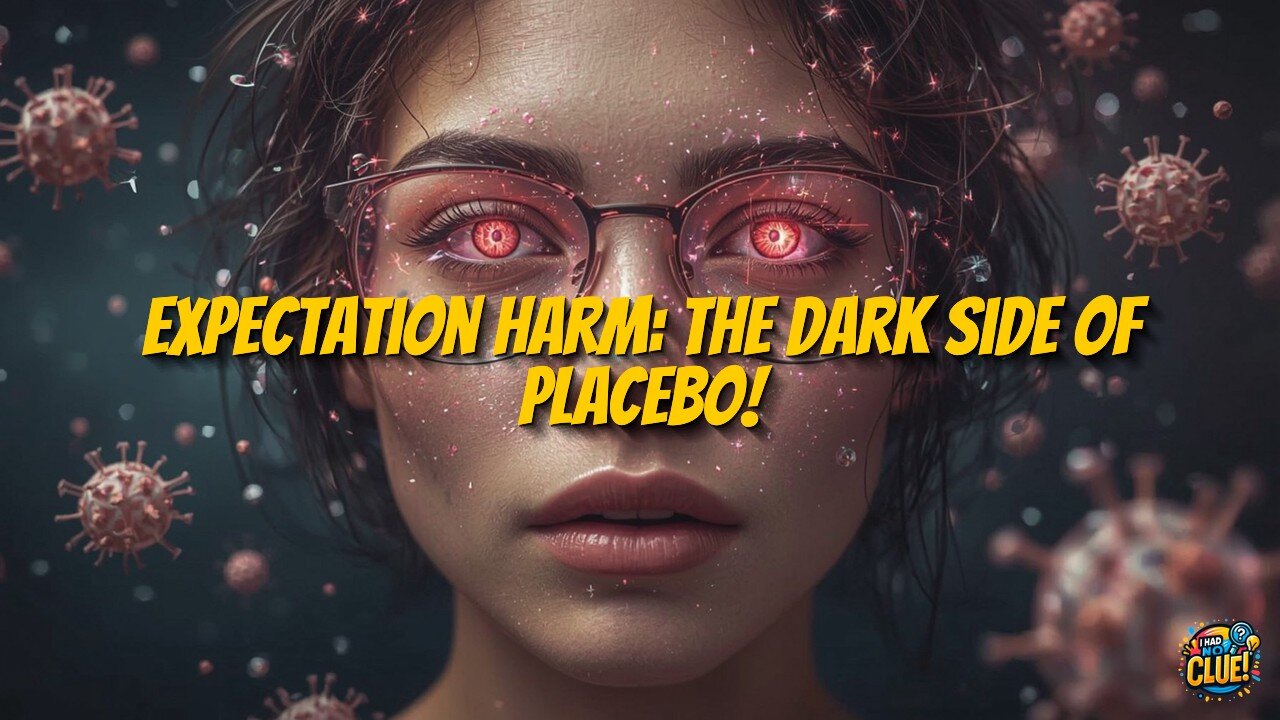
Unraveling the Nocebo Effect: Negative Expectations' Harm
The nocebo effect, meaning "I will harm" in Latin, represents the dark counterpart to the placebo effect, where negative expectations produce real physiological harm. First identified in 1961, this phenomenon occurs when patients experience adverse symptoms after being informed about potential side effects, even when receiving inert substances. Studies show nocebo responses can trigger measurable neurobiological changes, including activation of pain pathways, stress hormone production, and inflammatory responses. The effect operates through concrete biochemical mechanisms involving stress hormones, pain-amplifying peptides like cholecystokinin, and activation of brain regions associated with anxiety and fear. Genetic factors influence susceptibility, with variations in the COMT gene predicting sensitivity to nocebo effects. The phenomenon presents significant ethical challenges for healthcare providers who must balance informed consent requirements against the risk of triggering harmful nocebo responses through disclosure. Promising interventions include positive framing of information, contextualized consent processes, and mindfulness-based approaches that help patients observe negative expectations without automatically identifying with them.
-
 1:37:33
efenigson
13 hours agoUnapologetically Yourself: The Courage to Speak & Be Different - Zuby | Ep. 111
20.1K2 -
 1:07:27
Inverted World Live
3 hours agoAI Person of the Year & Robot Wolves in Japan | Ep. 153
57.7K4 -
 3:03:11
TimcastIRL
5 hours agoRob Reiner MURDERED, Son Arrested, Trump Faces Backlash Over Comments | Timcast IRL
246K131 -
![ON THE SUBJECT: Top Christmas Movies That Raised Millennials [Part 1]](https://1a-1791.com/video/fww1/d4/s8/1/M/E/t/I/MEtIz.0kob-small-ON-THE-SUBJECT-Top-Christma.jpg) 1:46:20
1:46:20
megimu32
4 hours agoON THE SUBJECT: Top Christmas Movies That Raised Millennials [Part 1]
34.1K7 -
 57:22
57:22
Flyover Conservatives
23 hours agoChina and India are Draining Silver — Prices Are Responding Fast - Dr. Kirk Elliott; Natural Remedy You Don't Know About - Dr. Troy Spurrill | FOC Show
32.9K1 -
 LIVE
LIVE
MissesMaam
4 hours agoARC NOOBS 💚✨
228 watching -
 2:30:28
Anthony Rogers
11 hours agoEpisode 393 - Psychic Readings
17.9K2 -
 44:52
44:52
Donald Trump Jr.
8 hours agoShip Outta Luck, Plus FBI Foils LA Terror Plot and Much More | Triggered Ep.300
241K116 -
 12:50
12:50
Dr. Nick Zyrowski
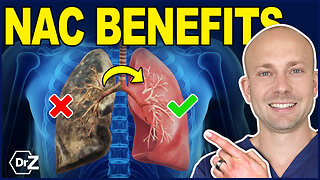
4 days agoThe AMAZING Health Benefits of NAC ( N-Acetyl Cysteine) - Must See!
43K19 -
 1:15:43
We Like Shooting
17 hours ago $3.53 earnedDouble Tap 440 (Gun Podcast)
23.9K