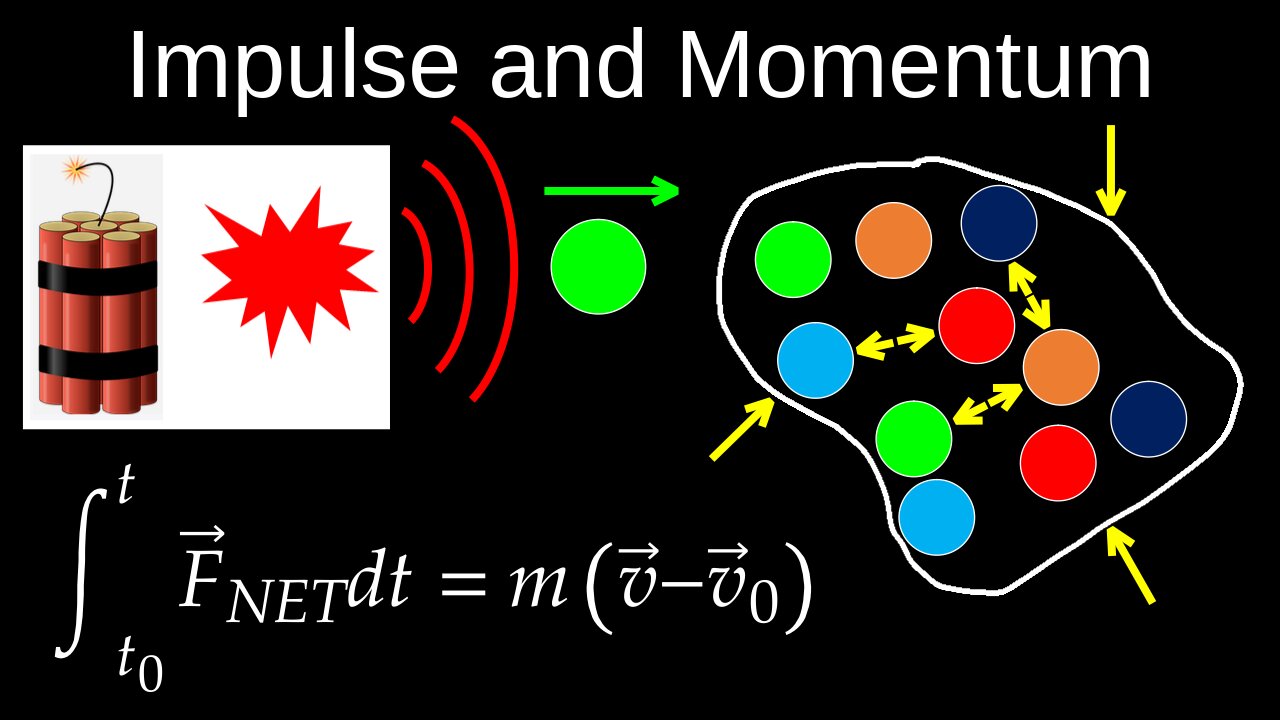
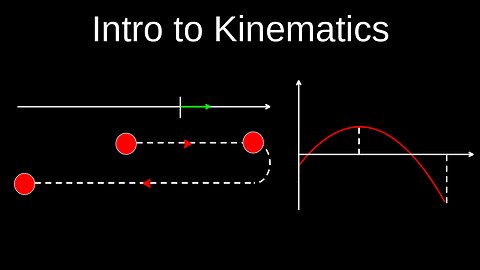
Vectors Vs Scalars, Displacement, Distance, Velocity, Speed, Acceleration - Physics (Mechanics)

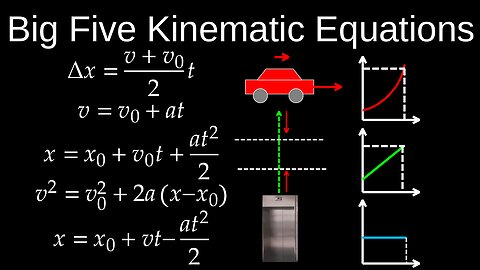
Big Five Kinematics, Uniform Acceleration, How to Select, Intervals, Objects - Physics (Mechanics)
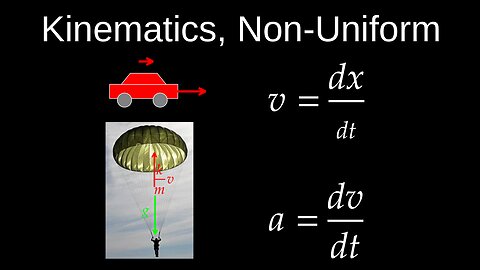
Kinematics, Non-Uniform Motion, Non-Constant Acceleration, 1D Motion - Physics (Mechanics)
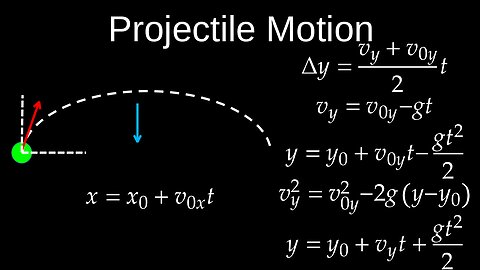
Projectile Motion, Kinematics, 2D Motion, Problems, Examples - Physics (Mechanics)

Reference Frames, Relative Motion, Velocity, Vectors, Questions, Examples - Physics (Mechanics)
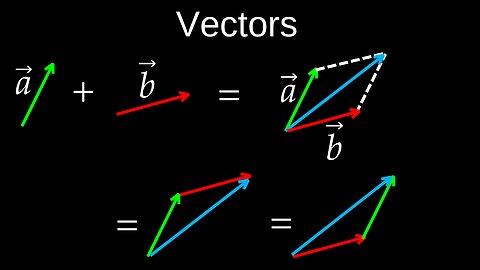
Vectors, Addition, Scaling, Negation, Subtraction, Coord Systems - Physics (Mechanics)
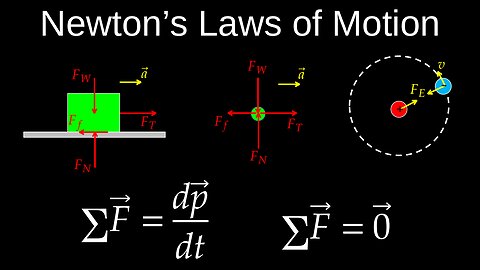
Newton's Second Law of Motion, First Law, Equations, Worksheet, Examples - Physics (Mechanics)
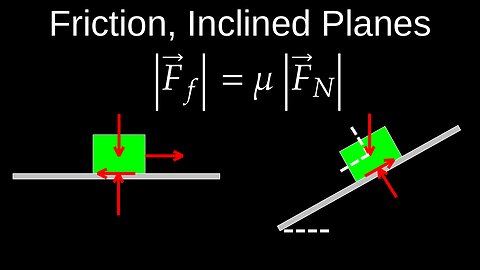
Friction, Resistive Force, Equation, Inclined Plane Motion, Examples - Physics (Mechanics)
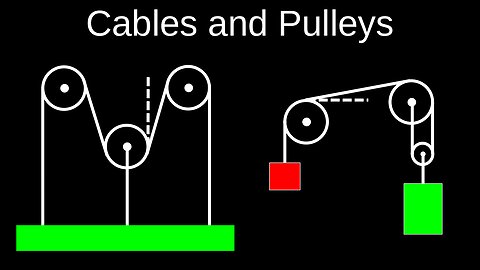
Cables and Pulleys, Massless, Atwood Machines, Free Body Diagrams - Physics (Mechanics)
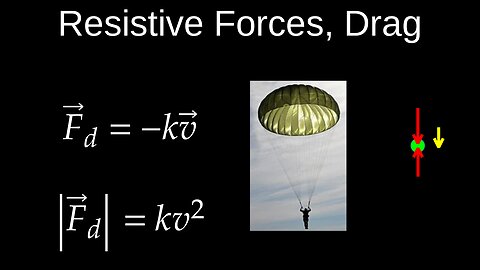
Resistive Forces, Drag, Terminal Velocity, Example - Physics (Mechanics)
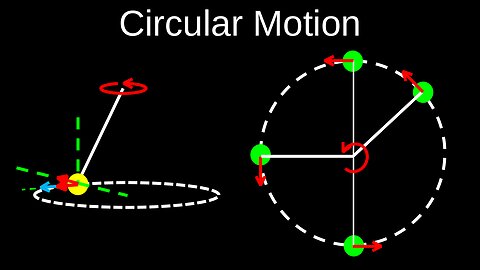
Circular Motion, Centripetal Acceleration, Vertical, Horizontal, Banked - Physics (Mechanics)

Newton's Third Law of Motion, Equal and Opposite Forces, Action Reaction Pairs - Physics (Mechanics)
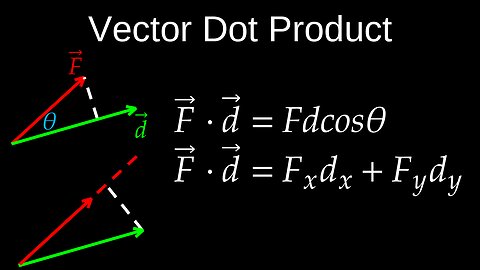
Vector Dot Product, Commutativity, Projection, Visualization, Proof - Physics (Mechanics)
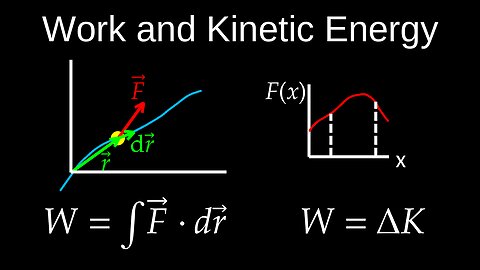
Work of a Force, Dot Product, Integral, Work Energy Theorem, Kinetic Energy - Physics (Mechanics)
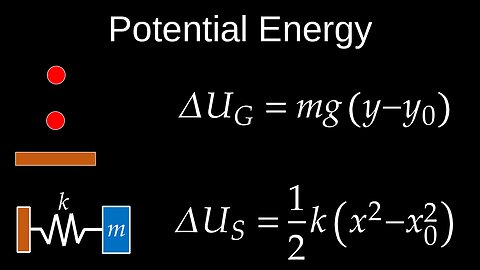
Potential Energy, Gravity, Elastic, Spring, Conservative Forces, Functions - Physics (Mechanics)
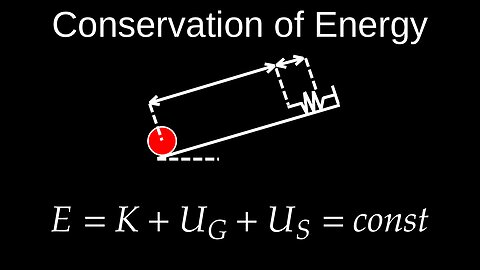
Conservation of Mechanical Energy, Conservative Systems - Physics (Mechanics)
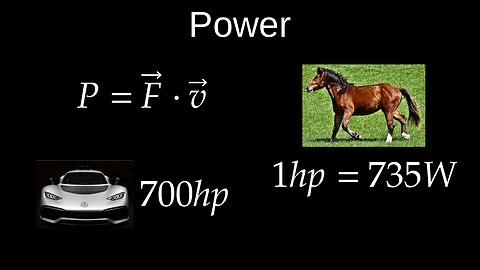
Power, Horsepower, Rate of Work - Physics (Mechanics)
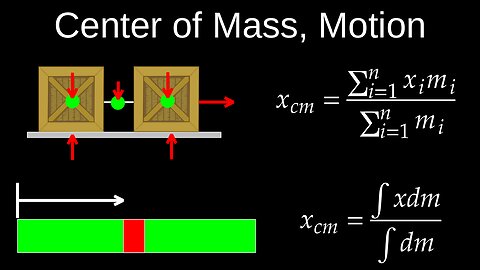
Center of Mass vs Gravity, Discrete Bodies, Integral, Linear Motion - Physics (Mechanics)
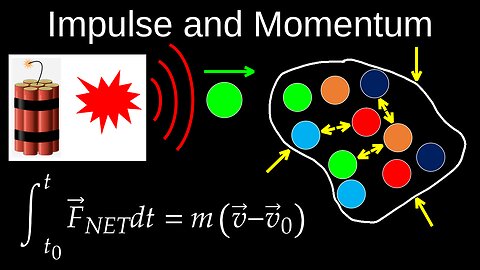
Impulse and Momentum, Theorem, Particle, Systems, Average Force, Application - Physics C (Mechanics)
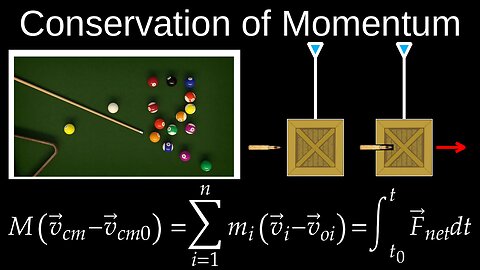
Conservation of Linear Momentum, 2D, Elastic and Inelastic Collisions - Physics (Mechanics)

Vector Cross Product - Physics

Vector Cross Product, Right Hand Rule - Physics

Vector Cross Product, Determinant - Physics

Vector Cross Product, Proof, 2D Cartesian Coords - Physics

Vector Cross Product, Example - Physics

Torque - Physics
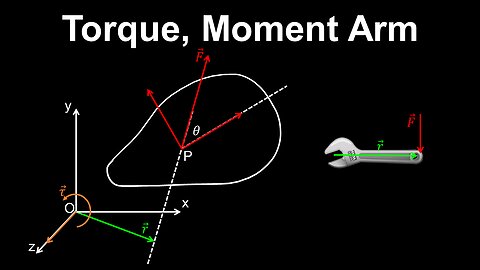
Torque, Moment Arm - Physics
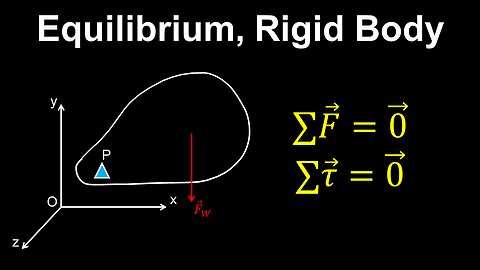
Equilibrium, Rigid Body - Physics

Equilibrium, Rigid Body, Example - Physics

Moment of Inertia, System of Particles - Physics
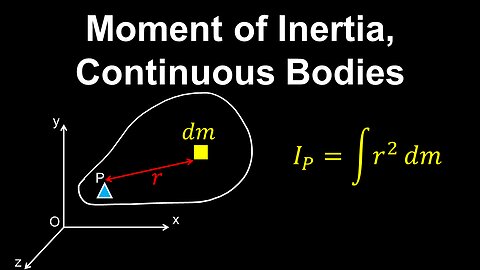
Moment of Inertia, Rigid Body - Physics
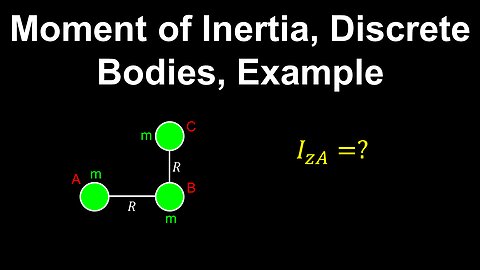
Moment of Inertia, System of Particles, Example - Physics

Moment of Inertia, Examples - Physics
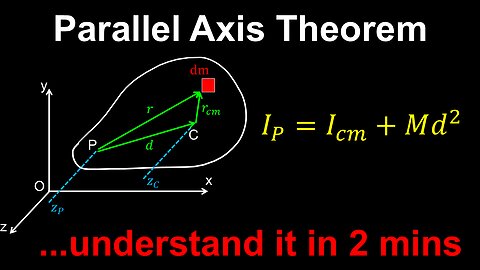
Parallel-Axis Theorem, Moment of Inertia - Physics
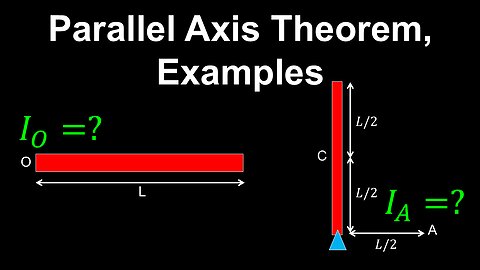
Parallel Axis Theorem, Moment of Inertia, Examples - Physics
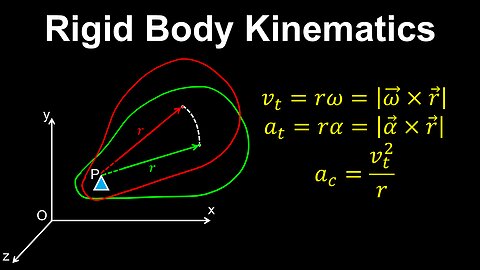
Rigid Body Kinematics, Rotation - Physics

Rotational Kinematics, Big Five - Physics
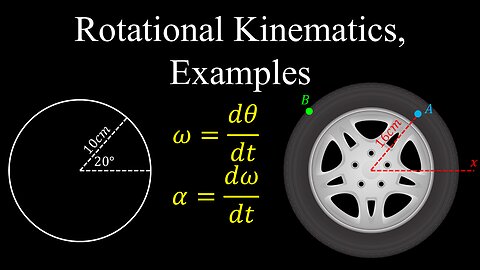
Rotational Kinematics, Examples - Physics

Rolling Motion, No Slip - Physics

Rotational Dynamics, Energy - Physics

Angular Momentum, Spin, Orbital, Conservation - Physics
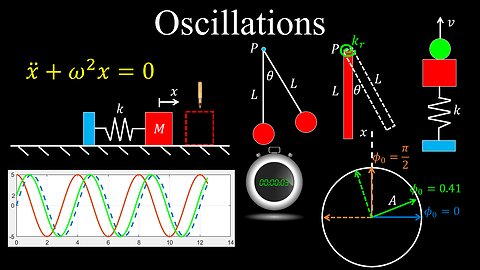
Oscillations, Simple Harmonic Motion - Physics

Simple Harmonic Motion, Solutions to ODE - Physics
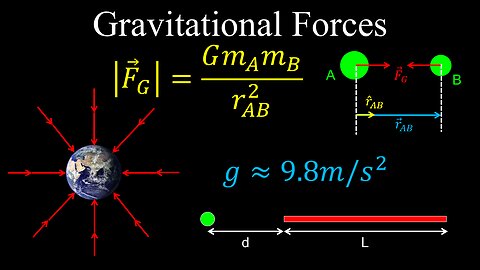
Gravitational Forces, Newton's Law of Gravitation - Physics

Kepler's Laws, Satellite Orbits, Experimental Data - Physics

Gravitational Potential Energy, Escape Speed - Physics
Impulse and Momentum, Theorem, Particle, Systems, Average Force, Application - Physics C (Mechanics)
Impulse is the change in momentum of an object, calculated by multiplying the force applied by the time it acts (\(J=F\cdot \Delta t\)). Momentum is a vector quantity defined as the product of an object's mass and its velocity (\(p=m\cdot v\)). The relationship between them, known as the impulse-momentum theorem, states that impulse is equal to the change in momentum (\(J=\Delta p\)).
💡Momentum
• Definition: A measure of an object's mass in motion, calculated as the product of its mass and velocity. Formula: \(p=m\cdot v\).
• Properties: It is a vector quantity, meaning it has both magnitude and direction.
💡Impulse
• Definition: A measure of the change in momentum of an object. It is the result of a force acting on an object over a period of time.
• Formula: \(J=F\cdot \Delta t\).
• Properties: It is also a vector quantity, with its direction being the same as the force.
💡The Impulse-Momentum Theorem
• Relationship: The impulse delivered to an object is equal to the change in its momentum.
• Formula: \(J=\Delta p\), which can be expanded to \(F\cdot \Delta t=\Delta (m\cdot v)\).
• Application: This theorem is used to analyze collisions. For example, by increasing the time of impact (like a baseball player extending their swing), the force experienced can be reduced for the same change in momentum.
💡Worksheets are provided in PDF format to further improve your understanding:
• Questions Worksheet: https://drive.google.com/file/d/1gQiQiocY4C34bosOHBIKFhgUafokfoLY/view?usp=drive_link
• Answers: https://drive.google.com/file/d/156u-UdQMLf0xQ6HR1js5eNvJ5nd-gDHy/view?usp=drive_link
💡Chapters:
00:00 Impulse and momentum
01:39 Systems of particles
03:17 Alternative definition of impulse
05:11 Worked examples
🔔Don’t forget to Like, Share & Subscribe for more easy-to-follow Calculus tutorials.
🔔Subscribe: https://rumble.com/user/drofeng
_______________________
⏩Playlist Link: https://rumble.com/playlists/d3cTgspk0Ro
_______________________
💥 Follow us on Social Media 💥
🎵TikTok: https://www.tiktok.com/@drofeng?lang=en
𝕏: https://x.com/DrOfEng
🥊: https://youtube.com/@drofeng
-
 LIVE
LIVE
Viss
1 hour ago🔴(LIVE) - I’m Stockpiling Everything… (You’ll See Why) | Arc Raiders LIVE
135 watching -
 LIVE
LIVE
Wendy Bell Radio
6 hours agoIt's Time.
5,956 watching -
 LIVE
LIVE
ZWOGs
1 hour ago🔴LIVE IN 1440p! - FIRST TIME PLAYING HYTALE!!! I'm so excited!! - Come Hang Out!
84 watching -
 44:24
44:24
The Rubin Report
2 hours agoListen to Room Go Quiet as Rubio Says the Ugly Truth About Iran
25.4K7 -
 LIVE
LIVE
The Shannon Joy Show
40 minutes ago🔥SJ LIVE Jan 16 - Friday Midday Matinee With Shannon Joy! Featuring “Conspiracy Theory”🔥
162 watching -
 LIVE
LIVE
LFA TV
15 hours agoLIVE & BREAKING NEWS! | FRIDAY 1/16/26
4,310 watching -
 LIVE
LIVE
The Mel K Show
1 hour agoMORNINGS WITH MEL K Manufactured Chaos & The Battle for Your Brain - 1-16-26
866 watching -
 1:01:31
BonginoReport
4 hours agoWho is Behind the Assaults on ICE? | Episode 205 - 01/16/26 VINCE
183K131 -
 1:36:46
Graham Allen
4 hours agoTERRORISM IN AMERICA | Trump’s Presidency May Hinge on the Insurrection Act
154K517 -
 2:03:58
Badlands Media
6 hours agoBadlands Daily: 1/16/26
55.5K13