The Levant—Where Peace Must Never Be Allowed
Middle-East - The Proxy War Theater
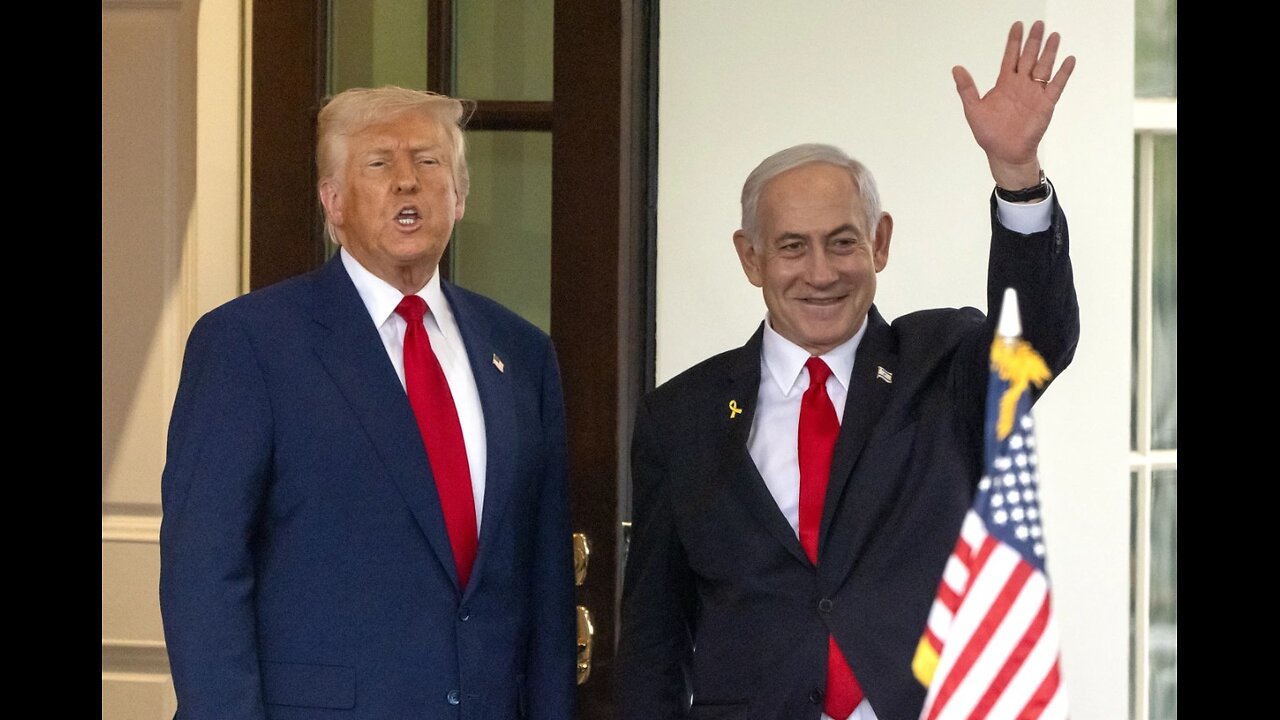
Peace in the so-called Holy Land has never been the objective of those who govern it. If genuine peace were to materialize between Israeli and Palestinian elites, the geopolitical rents—the financial aid, the security budgets, the military partnerships—would evaporate overnight. Washington has transferred tens of billions in military aid to Israel since the 1970s, and the Palestinian Authority receives essential funding from both the U.S. and the European Union; thus, both political classes have been structurally incentivized to preserve conflict rather than resolve it. Like the Crusader states of medieval Levant, perpetual insecurity legitimizes permanent power. The populations are sacrificed to maintain the ruling strata, whose survival depends on crisis, not its resolution.
In Syria, the architecture of domination follows the same pattern. Israel has carried out hundreds of airstrikes inside Syrian territory since 2013, targeting Iranian forces and Syrian infrastructure, largely without international consequence. The U.S. political establishment—including Congress, AIPAC-aligned lobbies, and the national security bureaucracy—has consistently framed Syria through the prism of Israeli strategic priorities: containing Iran, fragmenting the Assad state, and preventing any regional order hostile to Tel Aviv. Turkey, for its part, has performed the function of regional subcontractor—first assisting Western efforts against Damascus, then acting as a gatekeeper between NATO operations and Islamist militias. Erdoğan’s dramatic speeches of independence are nothing but a mask for transactional loyalties, negotiated behind closed doors like every satrap of empire throughout history.
Israel’s presence in Syria is therefore unlikely to be temporary. Throughout modern Israeli strategic thought—from Oded Yinon’s 1982 paper envisioning the fragmentation of Arab states, to Netanyahu’s open alignment with Washington’s Iran policy—the logic remains consistent: expand influence where the cost of expansion is negligible and international resistance is absent. What many dismiss as conspiracy—the Greater Israel strategic vision—functions less as a literal map and more as a doctrinal horizon guiding policy: a slow consolidation of regional advantage under U.S. protection.
The Kurdish question completes the triangular logic of proxy warfare. Kurdish militias were armed and utilized by Washington against ISIS between 2014 and 2019, only to be abruptly abandoned when U.S. forces were partially withdrawn and Turkey was allowed to attack Kurdish positions in northern Syria. This pattern is not new: Kurdish aspirations were promised recognition by Britain after World War I, used during the Cold War, and repeatedly denied at key diplomatic moments. Palestinian politics mirror the same tragic mechanism: leadership structures dependent on foreign patrons, trading the long-term interests of their population for immediate survival and financial sustenance. In this pyramid, nations become bargaining chips, and peoples are reduced to expendable human currency.
Thus the Levant remains what it has always been—an imperial chessboard governed by powers that profit from turmoil. As long as conflict enriches elites, peace will remain the most forbidden idea in the Middle East.
-
 LIVE
LIVE
SpartakusLIVE
3 hours ago#1 SHADOW BANNED Streamer Faces HACKUSATIONS, Can't Be STOPPED
620 watching -
 19:38
19:38
Exploring With Nug
10 hours ago $2.93 earnedWe Found a Car Underwater Searching For Missing Person! (Barry Aiken)
43.1K8 -
 LIVE
LIVE
GrimmHollywood
1 hour ago🔴LIVE • GRIMM HOLLYWOOD • ARC RAIDERS • JOE LOVES HIS JUNK •
116 watching -
 LIVE
LIVE
Spartan
1 hour agoPro Halo Player now working a full time job comes home and plays Valorant Ranked
65 watching -
 LIVE
LIVE
ItzSufari
2 hours ago🔴 Live - OOGA BOOGA - MAKE THAT MONEY Ft. Jameskindafunny & Korupted
42 watching -
 23:25
23:25
MYLUNCHBREAK CHANNEL PAGE
12 hours agoTimeline Begins in 1800? - Pt 3
124K27 -
 LIVE
LIVE
SavageJayGatsby
1 hour agoSpicy Saturday 🔥 Vibing with the Boys
52 watching -
 LIVE
LIVE
Hernandez2787
1 hour agoThe Walking Dead - The Telltale Definitive Series / Season 1 - Part # 2
82 watching -
 12:22
12:22
Dr. Nick Zyrowski
10 days agoHigh Dose Glutathione Treats Incurable Disease - Must See!
29.3K21 -
 LIVE
LIVE
GritsGG
7 hours agoWin Streak Camo TODAY! #1 Warzone Victory Leaderboad 875+ Ws!!🔥
156 watching