⭐ PART 15 (Continued) — THE SLEEP THEY ARE NEVER ALLOWED
⭐ PART 15 (Continued) — THE SLEEP THEY ARE NEVER ALLOWED
How Routine Interruptions, Early Waking, and Overnight Care Destroy the Brain
By Canadian Citizens Journal
⸻
⭐ Sleep Is Not a Luxury — It Is Brain Maintenance
Modern neuroscience confirms what families instinctively knew all along:
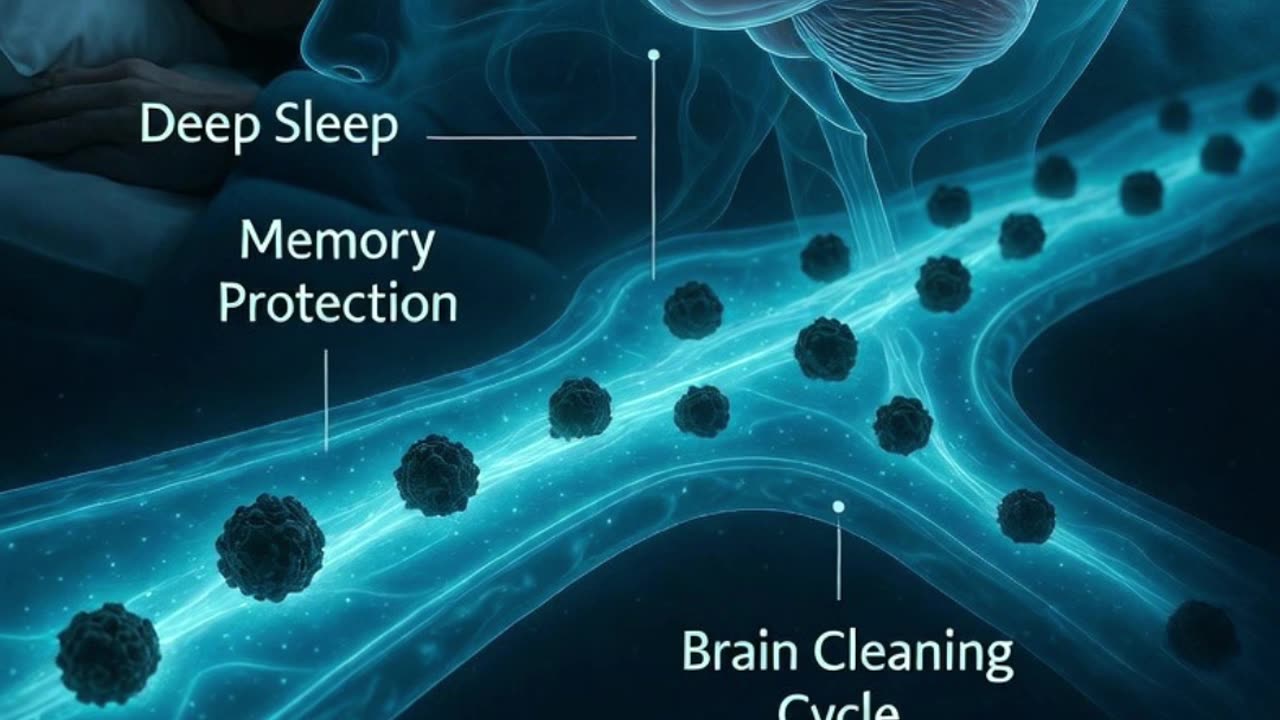
When a person sleeps, the brain performs a nightly restoration cycle.
During deep sleep, the brain:
• flushes toxins
• clears damaged proteins
• resets neural pathways
• stabilizes memory
• regulates emotion
Deep sleep is the brain’s wash cycle.
It is essential for slowing or preventing:
• dementia
• Alzheimer’s
• cognitive decline
• emotional instability
• mobility impairment
• daytime confusion
Eight hours is not a suggestion.
It is biological maintenance.
Yet in many assisted living and long-term care facilities, residents rarely get more than two uninterrupted hours at a time.
⸻
⭐ The Nightly Reality: Interruptions That Break the Brain
Despite decades of research proving the importance of uninterrupted sleep, residents are awakened repeatedly throughout the night for reasons that have nothing to do with medical need.
Staff report routine wake schedules such as:
• 12 a.m. & 6 a.m.
• 1 a.m. & 5 a.m.
• 2 a.m. & 6 a.m.
• or the worst: 1, 3, and 5 a.m.
Wake-ups were not optional — they were built into the rhythm of an understaffed building.
The reasons?
• preventing soaked bedding when only one cleaner was available
• reducing morning workload before day shift arrived
• toileting rounds done by schedule, not need
• staffing pressure dictating resident sleep
Some residents would finally drift off to sleep…
only to be woken minutes later for the next round.
Their bodies were in the bed.
Their minds were exhausted.
⸻
⭐ Continence Care: “Systems” Were Necessary — But Scarce
For residents who became distressed when woken, staff often used adult continence systems (overnight briefs) to help preserve sleep.
These systems did help residents sleep longer — but only when available.
And availability depended on:
• Social Development approval
• the resident or family paying out of pocket
• whatever supply the facility had left
When a resident ran out of systems, PSWs often borrowed from another resident’s supply and repaid it when new product arrived.
This was never policy.
It was survival.
Staff often did the best they could with what they had.
But the system placed them in impossible situations where the dignity of one resident could depend on the excess supplies of another.
Other challenges included:
• systems applied standing in the bathroom when possible
• rolling residents side to side in low, non-adjustable beds
• many beds lacking proper height control
• PSWs completing tasks meant for two workers — alone
None of these practices were unsafe by intention.
They were unsafe because the system made them impossible.
⸻
⭐ Early-Morning Medications: Pills Before Sunrise
Some residents were awakened simply because their medication time had been set for 6 a.m. — not for medical necessity, but for staffing convenience.
This meant:
• 6–8 residents woken early
• others deferred to an already overwhelmed day shift
• residents receiving pills in dark rooms before they had slept properly
A resident could be woken for toileting at 3 a.m.,
finally settle,
then be woken again before dawn for pills.
By sunrise, their brain was already depleted.
⸻
⭐ Night Shift Forced to “Save the Morning”
Day shifts were chronically understaffed.
So night staff were pressured — implicitly or directly — to wake residents early so that day shift wouldn’t collapse under workload.
This was not based on clinical need.
It was based on survival of a broken system.
Night shift workers knew it wasn’t ideal.
But they had no choice.
If they didn’t wake people early, day staff would face an impossible workload.
And so the residents — especially the most vulnerable — paid for systemic understaffing with their sleep.
⸻
⭐ Sleep Deprivation Worsens Dementia — and the System Knows It
Medical science is unequivocal:
If you deprive a human being of deep sleep long enough, you accelerate cognitive decline.
Chronic sleep disruption causes:
• memory failure
• agitation
• confusion
• mood volatility
• decreased mobility
• impaired decision-making
• toxin accumulation in the brain
This is the glymphatic system shutting down — the brain’s garbage removal mechanism.
In seniors, chronic sleep loss mimics dementia
and in many cases
accelerates it.
Inside assisted living, you could watch the change:
• residents who once lived independently
• who slept through the night
• who woke naturally
• who knew their routines
began to deteriorate rapidly.
After months of overnight waking, many never recovered.
⸻
⭐ The Pipeline Built on Exhaustion
Here is the truth no one in authority wants to say out loud:
The system does not simply respond to decline.
It creates it.
Through:
• constant nighttime interruptions
• early-morning wake-ups
• fixed medication times
• continence routines shaped by supply limits
• understaffing on every shift
• lack of meaningful daytime engagement
Decline begins at night
and escalates every morning.
A chronically sleep-deprived resident becomes:
• more confused
• less mobile
• more emotional
• more dependent
• more likely to be labeled “palliative”
• more likely to meet MAiD criteria
Not because of disease —
but because of system-induced exhaustion.
⸻
⭐ What Would Happen If Residents Were Allowed to Sleep?
Imagine if a resident were given:
✔ 8 hours of uninterrupted sleep
✔ individualized waking times
✔ medication schedules based on biology, not staffing
✔ continence care that respected rest
✔ real daytime engagement
✔ sunlight, fresh air, real human rhythm
Many would stabilize.
Some would improve.
Some would reverse decline entirely.
But the system is not designed for health.
It is designed for throughput.
⸻
⭐ Sleep Deprivation Is Invisible Abuse — And It Must Be Exposed
Families are told their loved ones are “declining naturally.”
They are not told that:
• their mother was woken three times overnight
• their father was forced up at 5:30 a.m.
• their grandmother received pills before sunrise
• their grandfather was toileted half-asleep
• their loved one’s brain never had a chance to repair itself
This is what Canadians are never shown.
This is the part of the pipeline that happens in silence —
in the dark,
before dawn,
while the building sleeps
and the brain is never allowed to.
And now —
it is documented.
-
 2:41
2:41
Canadian Citizens Journal
16 hours agoThe Weapon They Created
442 -
 LIVE
LIVE
Redacted News
1 hour agoSomething DEVASTATING is about to hit Ukraine, and NATO Puppet Zelensky is to blame | Redacted
9,284 watching -
 13:17
13:17
Stephen Gardner
1 hour agoWhat Trump Is Doing Right Now That No One Is Talking About!
1.16K1 -
 1:11:06
vivafrei
2 hours agoJan. 6 Suspect "My Little Pony" Obsession? Piers Morgan's Schlock Interview with Fuentes! AND MORE!
87K27 -
 LIVE
LIVE
Dr Disrespect
5 hours ago🔴LIVE - DR DISRESPECT - TARKOV 1.0 - THE VIOLENCE EVOLVES
1,198 watching -
 1:14:17
The Quartering
3 hours agoTim Pool Goes To War With Candace Owens, Social Media Ban Begins, Kids Turn To Socialism,
106K48 -
 LIVE
LIVE
The HotSeat With Todd Spears
1 hour agoEP 223: Maybe....We Are a Bit Sensitive???
551 watching -
 LIVE
LIVE
LFA TV
20 hours agoLIVE & BREAKING NEWS! | TUESDAY 12/09/25
1,335 watching -
 LIVE
LIVE
freecastle
5 hours agoTAKE UP YOUR CROSS- The ONLY thing necessary for the triumph of evil is that GOOD men do nothing!
60 watching -
 1:13:04
DeVory Darkins
4 hours agoTrump makes stunning admission regarding the economy as Democrats Suffer MASSIVE MISSTEP
136K55