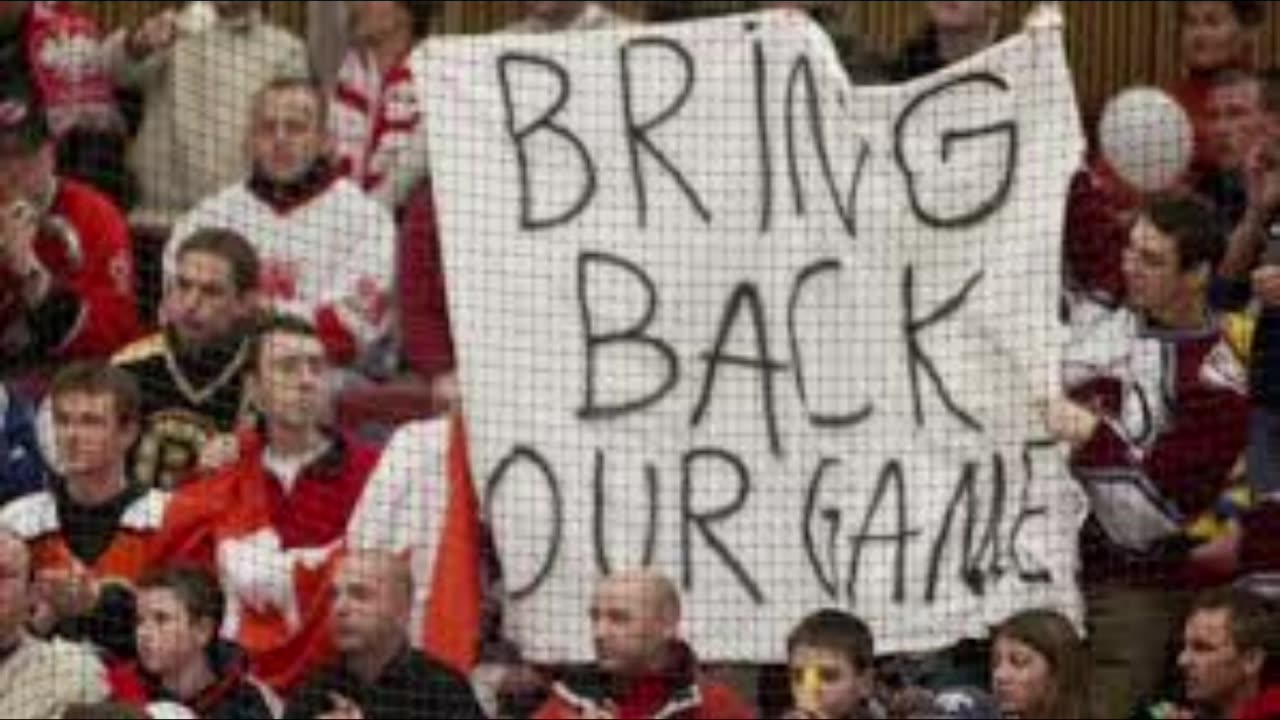
When Fans Fight Back: Alienation vs Competitive Edge
#FanAlienation #CompetitiveEdge #FansFirst #SportsBusiness #FanExperience #ClubCulture #SportsDebate #Commercialization #BrandLoyalty #Matchday #SportsMarketing #WinningVsLoyalty
This debate has no single winner competitive edge often wins in the short term through revenue and performance gains, but fan alienation can erode long‑term value, brand loyalty, and social license to operate, making it the decisive factor over time.The tension between commercial imperatives and fan experience is central to modern sports and entertainment. Teams and leagues pursue broadcasting deals, sponsorships, and new revenue streams to build a competitive edge, better players, facilities, and global reach, which can translate into on‑field success and higher valuations. Those moves, however, frequently change match‑day rituals, pricing, and club identity, creating a sense of alienation among long‑standing supporters who feel their emotional bond is being commodified.Fan alienation is not merely nostalgia; it affects identity, behavior, and activism. Research shows commercialization reshapes fan identity, attitudes, emotions, and behaviors, sometimes provoking organized resistance (boycotts, protests, or mass social media backlash) when fans perceive decisions as betrayals of tradition. Alienated fans may stop attending games, reduce merchandise purchases, or mobilize against owners, actions that can damage revenue and reputation. Sustained alienation can therefore undermine the very competitive advantages clubs sought to create.Yet the competitive edge argument has persuasive force: investment often yields immediate returns. Enhanced training, analytics, and global marketing can attract talent and sponsors, increasing win rates and financial stability. Digital innovations, streaming, personalized content, and immersive experiences, can expand fan bases and monetize engagement in new ways, especially among younger audiences who value convenience and interactivity. Short‑term metrics like TV ratings, sponsorship income, and transfer market success often favor commercialization strategies.The real contest is temporal and strategic: short‑term gains versus long‑term legitimacy. Organizations that prioritize growth without managing fan relationships risk crises that erase value quickly, examples include failed breakaway competitions and sponsorship controversies that provoked mass fan backlash. Conversely, clubs that blend investment with authentic fan engagement, transparent governance, and respect for tradition can secure both performance and loyalty. Hybrid strategies, targeted commercialization plus community investment, tend to outperform purely extractive models.In the end, no single side “wins” universally. The competitive edge can dominate in measurable, immediate ways, but fan alienation is the latent threat that can reverse gains and damage brand equity. Long‑term success depends on balancing commercial ambition with stewardship of fan identity: invest smartly, communicate openly, and preserve rituals that anchor supporters. Only then does competitive advantage become sustainable rather than ephemeral.
-
 LIVE
LIVE
The Daily Discourse w/ Arturo
2 hours agoANTI-ICE Riots: Texas, Minneapolis, Los Angeles MASS PROTESTS Against ICE
453 watching -
 LIVE
LIVE
BG On The Scene
1 hour agoLIVE: Anti-ICE Protesters Outside Graduate by Hilton Minneapolis
674 watching -
 2:52:39
TimcastIRL
3 hours agoTHIS PROVES IT | Timcast IRL #1437
235K94 -
 2:10:33
TheSaltyCracker
3 hours agoIlhan Smollett Hoax ReeEStream 01-28-26
78.4K214 -
 15:14
15:14
Upper Echelon Gamers
4 hours agoThe TikTok Disaster
4.32K -
 8:01
8:01
Amy Dangerfield
1 hour agoFlakko ATTACKS Nick Fuentes - Amy Didn’t Hold Back!
3.78K5 -
 LIVE
LIVE
Adam Does Movies
7 hours agoTalking Movies + Ask Me Anything - LIVE
80 watching -
 LIVE
LIVE
Total Horse Channel
12 hours agoHome of Secretariat! Join me as we tour Claiborne Farm
63 watching -
 2:34:58
Barry Cunningham
4 hours agoLIVE BREAKING: Marco Rubio Gives ROCKSTAR Performance At Hearing! And More Evening News!
72.7K31 -
 5:00:52
PubKey Media House
6 hours agoShowing the Gemini intern How to Drink | Gemini Live @ PubKey
39.9K2